As a freight agent at Top China Freight, we are excited to highlight the exceptional freight conditions in Germany. Known as a powerhouse in Europe and a leading developed nation, Germany boasts a well-established infrastructure that significantly enhances international freight operations. Major cities like Berlin, Hamburg, and Cologne, along with vital ports such as Hamburg Port, Bremerhaven Port, and Wilhelmshaven Port, strategically position Germany in central Europe. This advantageous location not only provides easy access to the Atlantic Ocean but also connects to the heart of southern Europe, making it an ideal hub for global trade.
Moreover, Germany’s advanced freight network encompasses multiple transportation modes, including road, rail, air, and waterways. Hamburg Port, recognized as one of the busiest ports in Europe, serves as a critical hub for international trade routes, thereby facilitating seamless freight movement across the continent. Similarly, Bremerhaven Port and Wilhelmshaven Port play essential roles in supporting Germany’s import and export activities. By choosing Top China Freight, you can leverage Germany’s robust logistics infrastructure to ensure your goods are delivered quickly and safely. This partnership provides you with reliable and premium freight solutions tailored to meet your needs.
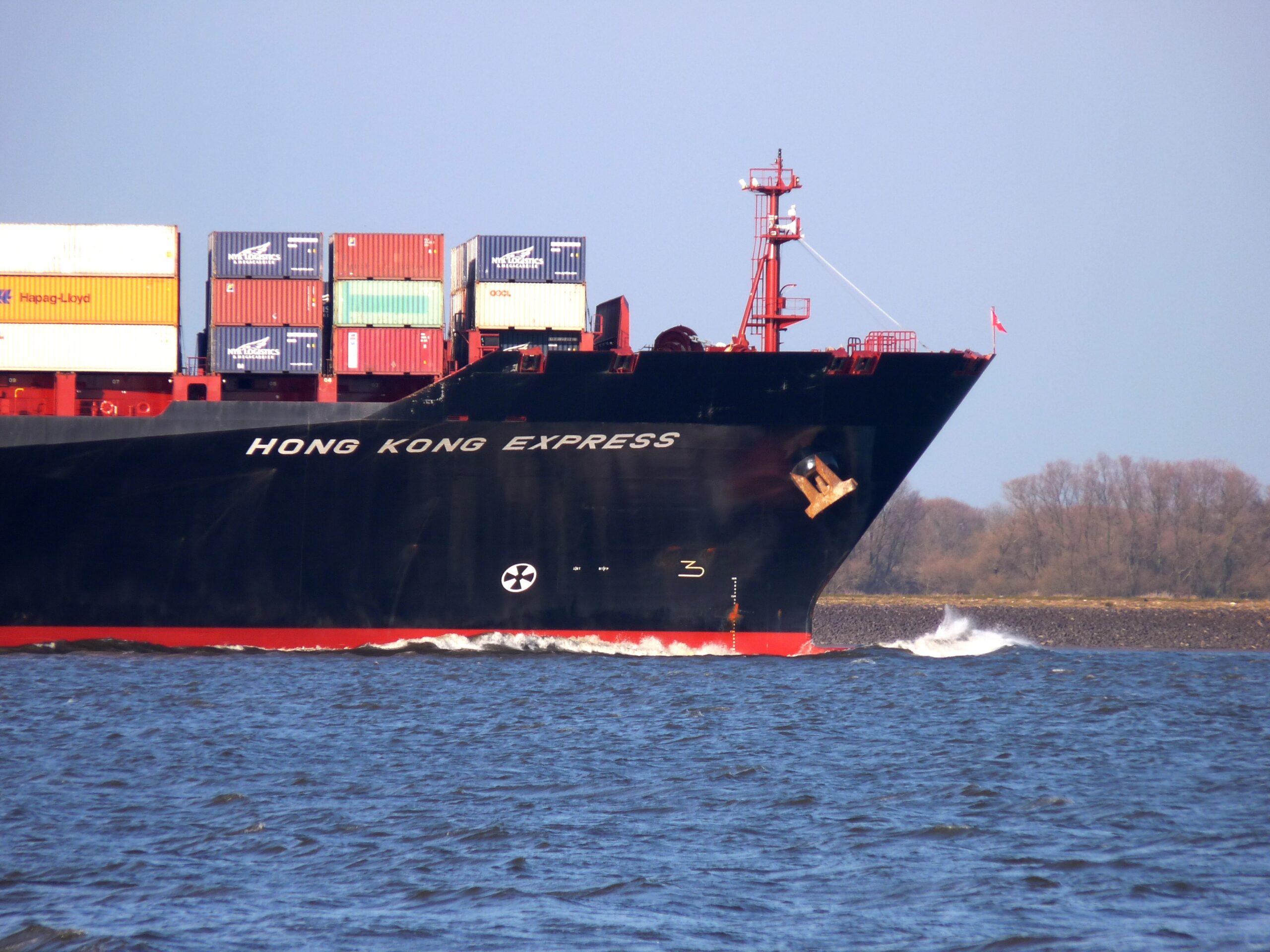
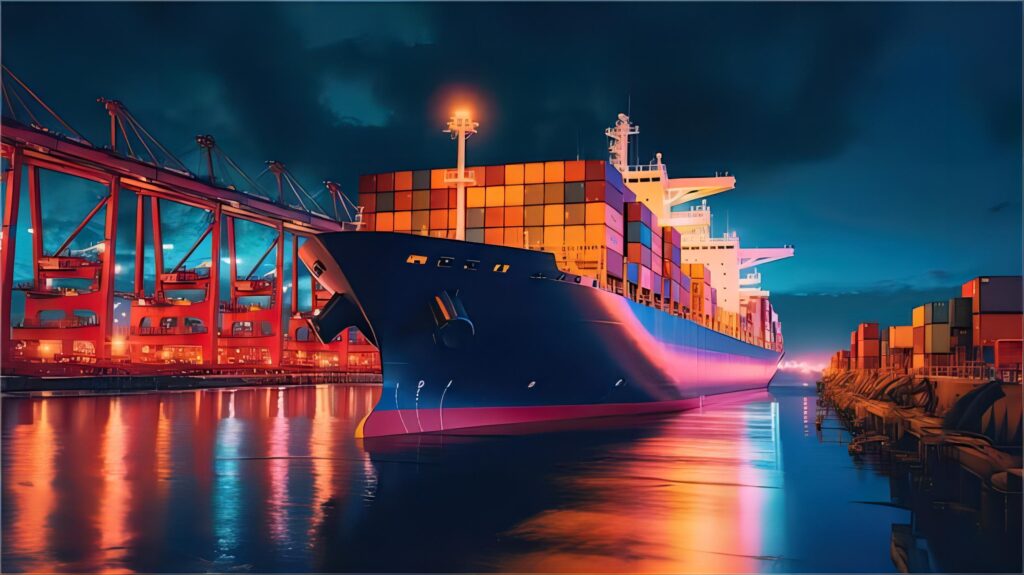
The transportation of goods by cargo ships across oceans, ideal for large volumes and heavy items.
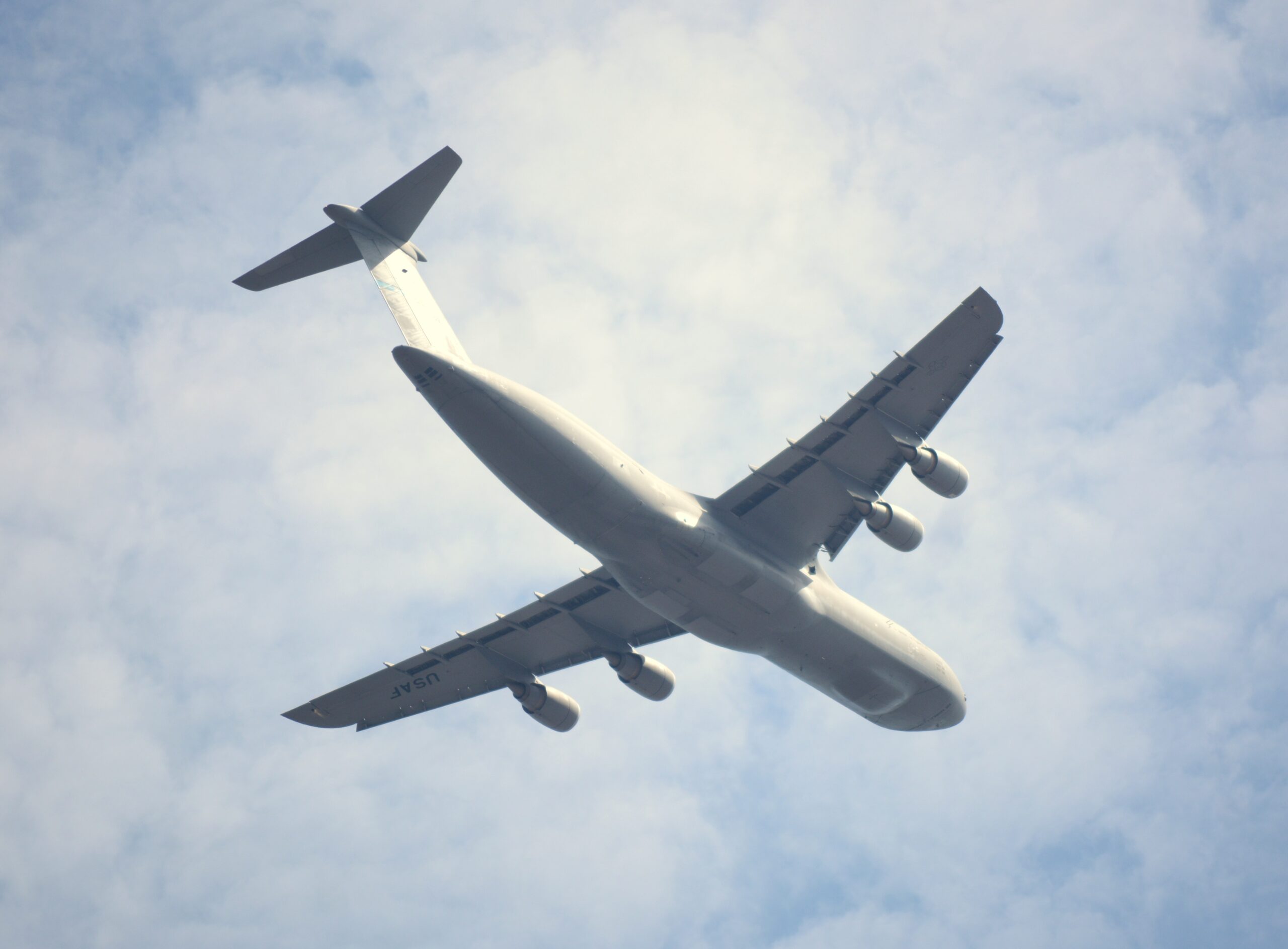
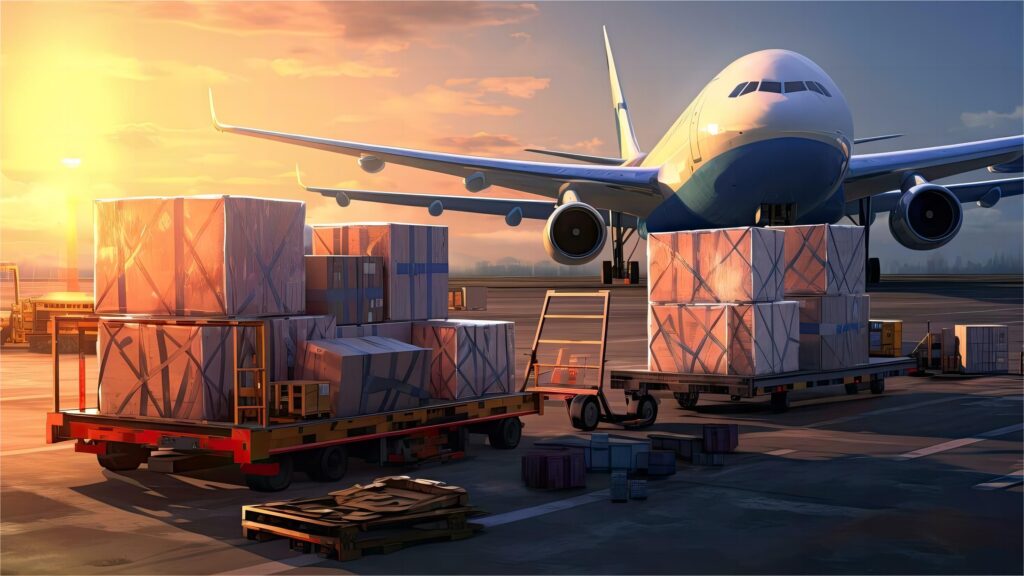
The shipment of goods via airplanes, offering fast delivery times for high-value or time-sensitive cargo.
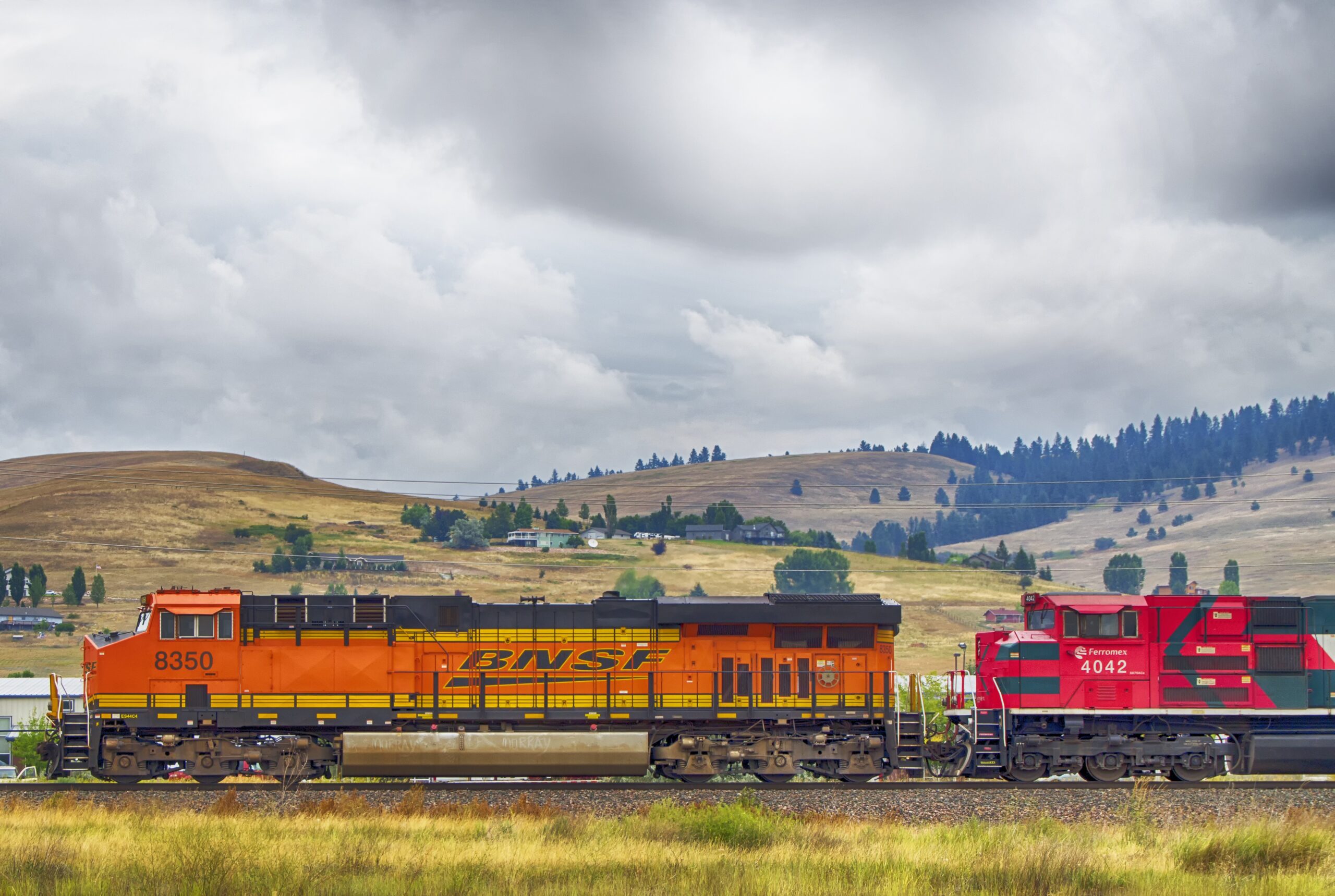
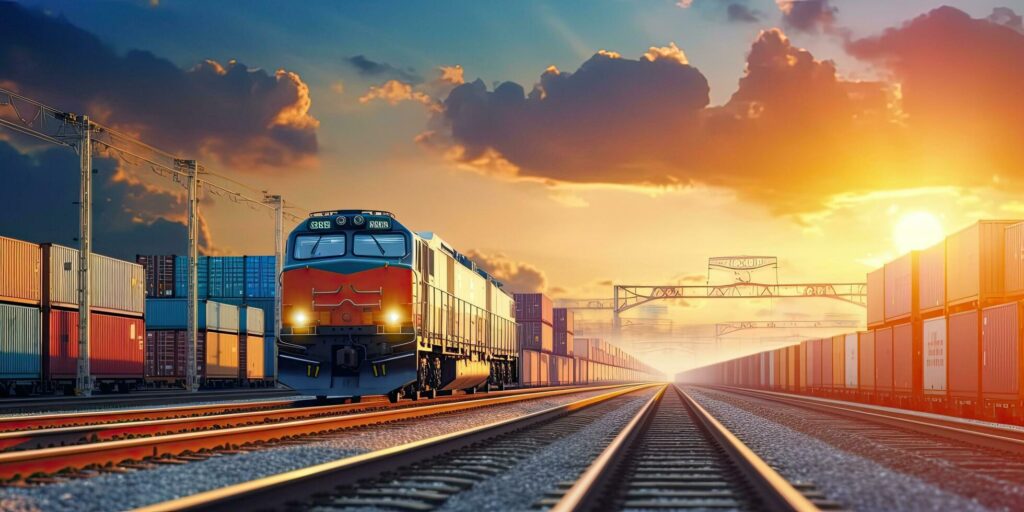
The movement of goods by trains, providing a cost-effective and reliable option for transporting bulk commodities over land.
The process of shipping goods that are loaded individually rather than in containers, typically used for oversized or irregularly shaped cargo.
Yes, incomplete customs procedures can cause delays. To avoid this, ensure all required documents (Commercial Invoice, Packing List, Certificate of Origin) are accurate and submitted in advance. Visit TopChinaFreight for professional customs brokerage services to navigate German import regulations efficiently.
Sea freight from China to Germany typically takes 20-25 days. Costs are competitive, with a 20-foot container averaging $1,800 USD and a 40-foot container around $2,200 USD. For detailed routing and cost information, explore our sea freight services.
Germany has an efficient inland transportation network. For urgent deliveries, air freight provides faster transit times. Rail and road transport options are also well-developed, ensuring reliable delivery to inland destinations.
Yes, communication barriers can indeed arise from language and cultural differences between China and Germany, particularly when navigating complex customs procedures and logistics arrangements. Effective communication and coordination are essential in managing these processes. Therefore, if parties fail to fully understand each other's language and cultural backgrounds, it can lead to misunderstandings that disrupt the smooth progress of customs clearance and logistics operations.
Yes, there is a risk of goods being detained or returned if they do not comply with German regulations and standards. As a member of the European Union, Germany enforces stringent standards for imported goods. Consequently, failing to meet these requirements may attract scrutiny from German customs authorities, potentially resulting in the detention or return of goods. Therefore, it is essential to ensure that all goods comply with German regulations and standards to avoid potential issues.
Transit time depends on shipping mode, route, and customs efficiency:
Sea Freight
Port to port: 28–40 days
Door to door: 35–50 days
Main ports include Hamburg and Bremerhaven. Vessel schedule reliability affects arrival time.
Rail Freight
Terminal to terminal: 16–22 days
Door delivery: 20–28 days
Rail usually arrives in Duisburg or Hamburg rail terminals.
Air Freight
Airport to airport: 1–5 days
Door to door: 3–8 days
Best for urgent or high-value cargo.
Weather, port congestion, customs inspections, and peak season all influence actual delivery time.
Germany has strong multimodal logistics infrastructure.
Main sea ports:
Hamburg – Largest container port, strong inland rail connections
Bremerhaven – Deep-sea port suitable for FCL shipments
Rail hub:
Duisburg – Largest inland port in Europe, key China-Europe rail terminal
If your final warehouse is in southern Germany (e.g., Munich area), rail via Duisburg may reduce trucking time compared to sea via Hamburg.
Rail freight has become a mature corridor under the China–Europe Railway Express network.
Advantages:
Faster than sea
More cost-effective than air
Lower carbon footprint
Stable schedule (weekly departures)
However, customs inspections at border crossings and geopolitical factors may occasionally extend transit time by several days.
For mid-value goods and regular replenishment, rail is often the most balanced solution.
Germany follows EU customs regulations.
You must have:
EU EORI number
Correct HS code classification
Accurate commercial invoice (unit price must match real value)
CE compliance if applicable
German customs is strict with undervaluation and product compliance. Random inspections are common, especially for electronics, machinery, and consumer goods.
Incorrect paperwork can cause delays of 5–10 working days.
FCL (Full Container Load):
Entire 20GP / 40GP container
Faster handling
Lower cost per CBM for large shipments
Reduced cargo damage risk
LCL (Less than Container Load):
Shared container space
Charged per CBM
Slightly longer transit due to consolidation and deconsolidation
If shipment exceeds 15–18 CBM, FCL is usually more economical.
Cargo Insurance provides coverage for goods against loss, damage, or theft during transit, ensuring that the owner receives financial compensation in the event of unforeseen incidents.
Amazon FBA (Fulfillment by Amazon) is a service where sellers store their products in Amazon's warehouses, and Amazon handles the packing, shipping, and customer service.
Customs brokerage is a service that helps importers and exporters clear goods through customs.
Door to door service refers to the transportation of goods directly from the sender's location to the recipient's location, handled entirely by the carrier.
Express service provide fast, time-sensitive delivery of parcels and documents.
DDU term means the seller is responsible for delivering the goods to the buyer’s designated destination, but not for paying import duties and other import fees. The buyer is responsible for customs clearance and paying all applicable duties, taxes, and fees.
DDP term means the seller is responsible for delivering the goods to the buyer’s designated destination and for paying all import duties and other import fees. The buyer only needs to receive the goods, without bearing any additional expenses.
I had a great experience with Top China Freight. Their customer support was quick to respond (even during the Christmas and Holiday season) and provided confirmation shortly after I inquired about shipping items to the destination country. The shipment arrived faster than expected and in great condition.