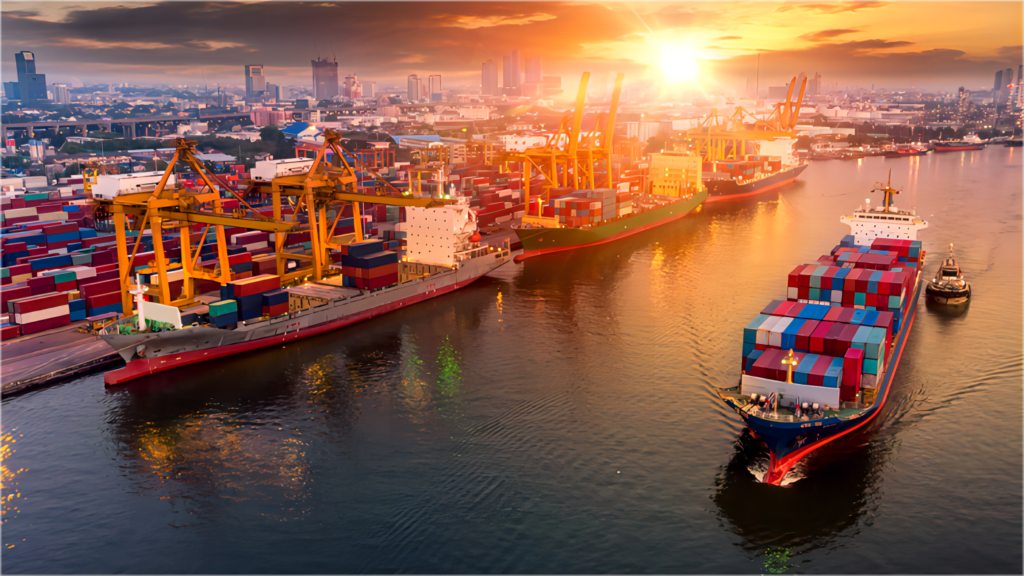
As a freight agent representing Top China Freight, we are excited to share the freight conditions in the United Arab Emirates (UAE). The UAE stands out as a leading economic force in the Middle East, with abundant resources and advanced facilities that create an excellent environment for freight operations. Major ports like Abu Dhabi, Dubai, and Jebel Ali are equipped with state-of-the-art facilities and technology, allowing us to efficiently handle the loading, unloading, warehousing, and transportation of various goods.
Moreover, the well-developed urban infrastructure in Dubai, a recognized international trade hub, enhances logistics capabilities. With its world-class logistics networks and storage facilities, Dubai facilitates the smooth distribution and delivery of goods.
Furthermore, the UAE government actively works to improve the logistics and freight industry’s competitiveness. By continually refining regulations and policies, they foster an open and supportive environment for freight market development. This creates numerous opportunities for growth and collaboration among freight agents.
At Top China Freight, we look forward to delivering top-quality freight services that contribute to your success in the UAE market. Let’s work together to navigate this vibrant economic landscape!
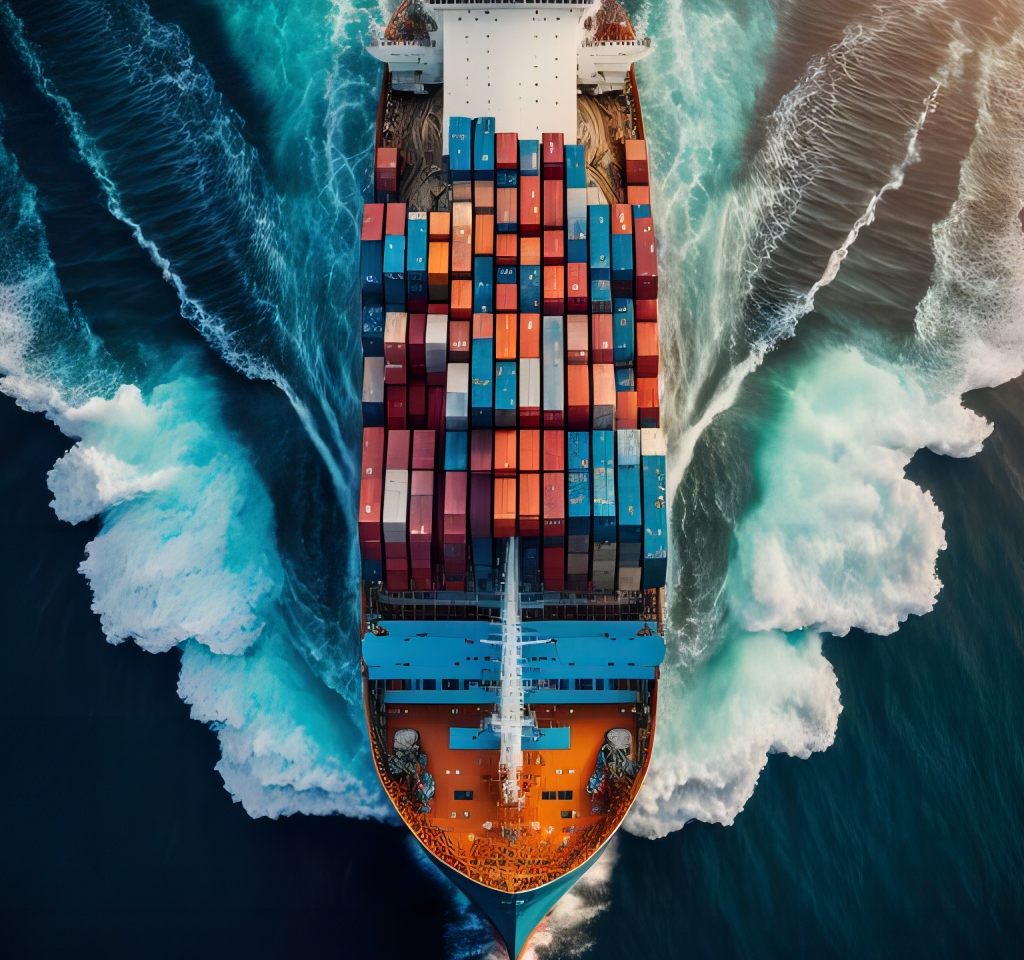
The transportation of goods by cargo ships across oceans, ideal for large volumes and heavy items.
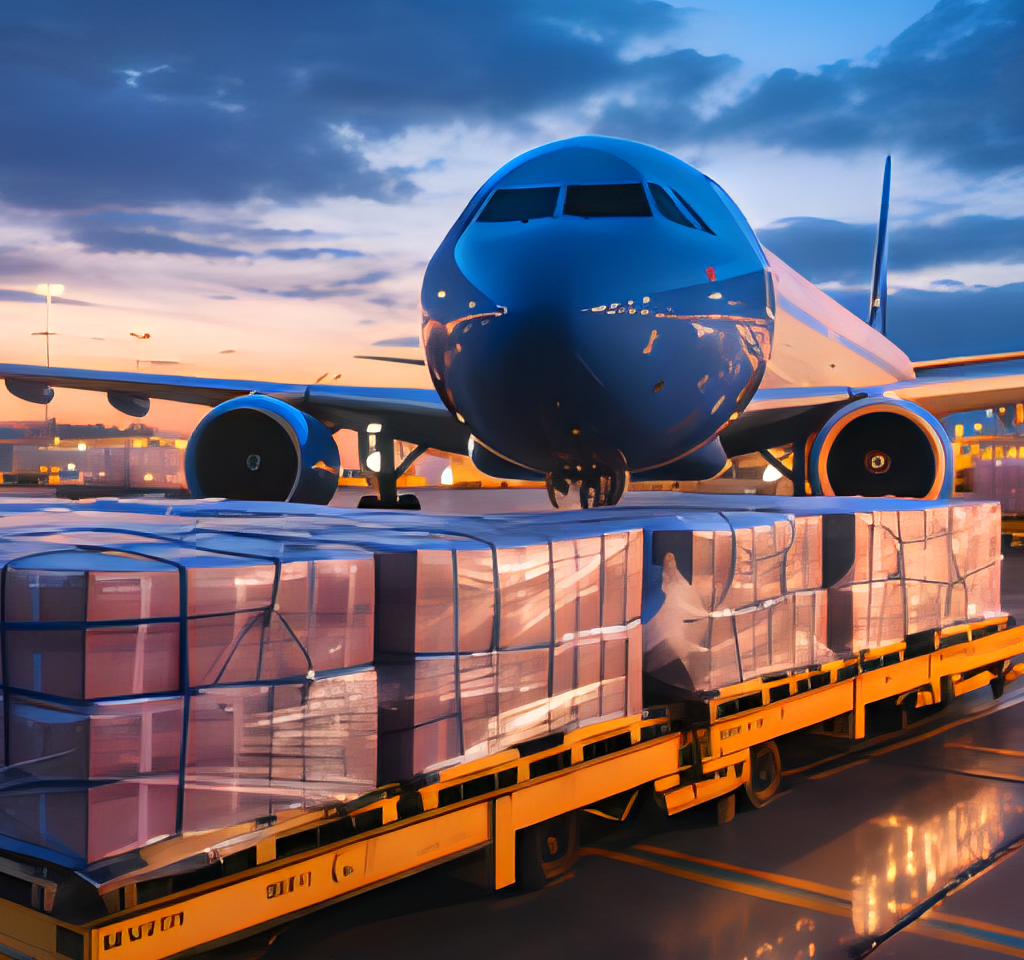
The shipment of goods via airplanes, offering fast delivery times for high-value or time-sensitive cargo.

This comprehensive solution streamlines the shipping process, ensuring efficient and hassle-free delivery.

The process of shipping goods that are loaded individually rather than in containers, typically used for oversized or irregularly shaped cargo.
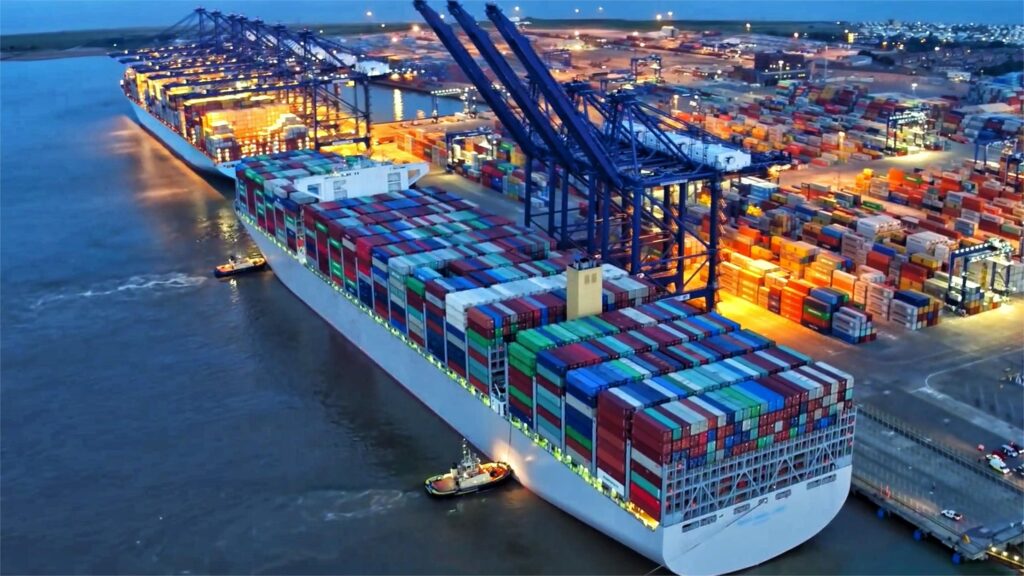
Dubai’s Jebel Ali Port is a global logistics hub, and congestion can occur during peak seasons. Opt for TopChinaFreight Sea Freight to secure priority berthing slots or use TopChinaFreight Air Freight for urgent shipments to Dubai International Airport. Pre-submit customs documents to minimize delays.
The UAE’s strategic position offers access to key trade lanes but may face risks like regional tensions or piracy. Secure routes via TopChinaFreight Sea Freight with GPS-tracked containers, or bypass risks with expedited TopChinaFreight Air Freight directly to Abu Dhabi or Dubai.
Use climate-controlled containers for sensitive items (e.g., electronics, pharmaceuticals) via TopChinaFreight Sea Freight or insulated packaging for air shipments. Track temperature in real time with TopChinaFreight Air Freight solutions.
Provide Arabic-translated documents (Commercial Invoice, Certificate of Origin) and partner with local brokers familiar with UAE’s Halal certification requirements. Use digital platforms like Emirates Customs for streamlined compliance.
Increased handling raises damage or loss risks. Minimize transshipments by choosing direct sea routes to Jebel Ali or air freight to Dubai. Insure cargo and use tamper-proof seals.
Consolidate LCL sea freight for small volumes or negotiate FCL rates for bulk shipments. Leverage UAE’s free zones (e.g., JAFZA) to defer customs duties.
Labels must include Arabic product details, Emirates Standardization Authority (ESMA) marks, and country of origin. Avoid prohibited materials (e.g., pork derivatives) in packaging.
Partner with local carriers offering GPS-tracked delivery vans and schedule off-peak deliveries to avoid traffic. Use decentralized warehouses in Dubai South or Sharjah for faster distribution.
Typical sea freight transit times:
| Route | Transit Time (Port-to-Port) |
|---|---|
| Shanghai → Jebel Ali (Dubai) | 16–24 days |
| Ningbo → Jebel Ali | 18–25 days |
| Shenzhen/Guangzhou → Jebel Ali | 18–23 days |
Total door-to-door: 25–35 days when including:
Export customs clearance in China (1–3 days),
Ocean transit,
UAE customs release and delivery.
Delays can occur at peak seasons (e.g., Chinese New Year, Ramadan, UAE National Day).
Cost components:
Sea freight
FCL (Full Container Load): Quoted per container (20GP, 40GP, 40HQ).
LCL (Less than Container Load): Charged per cubic meter (CBM).
Air freight
Charged per kg (based on actual or volumetric weight).
Additional charges
Origin charges (pickup, export clearance),
Destination charges (UAE customs, port fees),
Delivery charges (inland trucking),
Duties & taxes.
Actual rates vary monthly — ask freight forwarders for current quotes.
| Cargo Size | Recommended Mode |
|---|---|
| < 15 CBM | LCL – Cost efficient for small shipments |
| ≥ 15–18 CBM | FCL – Lower per-unit cost and fewer handling points |
FCL advantages
No consolidation handling,
Less chance of cargo mixing damage,
Faster port processing.
LCL is good for
Smaller shipments,
Buyers testing a new product.
Mandatory documents:
Commercial Invoice
Packing List
Bill of Lading (Sea) or Airway Bill (Air)
Certificate of Origin
Import Permit (for regulated goods)
Buyer’s trade license (UAE importer)
You must also provide HS codes and accurate product descriptions to avoid delays.
Yes — the UAE requires a local importer with a valid trade license.
For regulated goods (e.g., pharmaceuticals, cosmetics, food), additional approvals may be required from:
Ministry of Health,
Municipality authorities,
UAE Standards Authority.
General commodity shipments typically only need basic import documentation.
The UAE has major gateways:
📍 Port of Jebel Ali (Dubai) — Largest and busiest, best connectivity to China.
📍 Port Khalifa (Abu Dhabi) — Modern deep-water hub with fast customs clearance.
📍 Sharjah Port (Khorfakkan) — Good for certain cargo types and transshipment.
Most China → UAE ocean freight arrives at Jebel Ali due to frequent sailings.
Cargo Insurance provides coverage for goods against loss, damage, or theft during transit, ensuring that the owner receives financial compensation in the event of unforeseen incidents.
Amazon FBA (Fulfillment by Amazon) is a service where sellers store their products in Amazon's warehouses, and Amazon handles the packing, shipping, and customer service.
Customs brokerage is a service that helps importers and exporters clear goods through customs.
Door to door service refers to the transportation of goods directly from the sender's location to the recipient's location, handled entirely by the carrier.
Express service provide fast, time-sensitive delivery of parcels and documents.
DDU term means the seller is responsible for delivering the goods to the buyer’s designated destination, but not for paying import duties and other import fees. The buyer is responsible for customs clearance and paying all applicable duties, taxes, and fees.
DDP term means the seller is responsible for delivering the goods to the buyer’s designated destination and for paying all import duties and other import fees. The buyer only needs to receive the goods, without bearing any additional expenses.