shipping

Mongolia

shipping

As a freight agent, we understand the unique situation of Mongolia, an inland country adjacent to China and Russia. Freight transportation primarily relies on railways and air transport due to its geographical location. Despite Mongolia’s relatively underdeveloped economy and infrastructure, we possess extensive experience and expertise to ensure the safe and timely delivery of goods. Considering that the majority of Mongolia’s population resides in the capital city, Ulaanbaatar, our flexible logistics solutions cater to various delivery needs. Regardless of the scale of your shipment, Top China Freight can provide tailored freight solutions to ensure smooth delivery of your goods to their destination.

services

choose our service

services

img

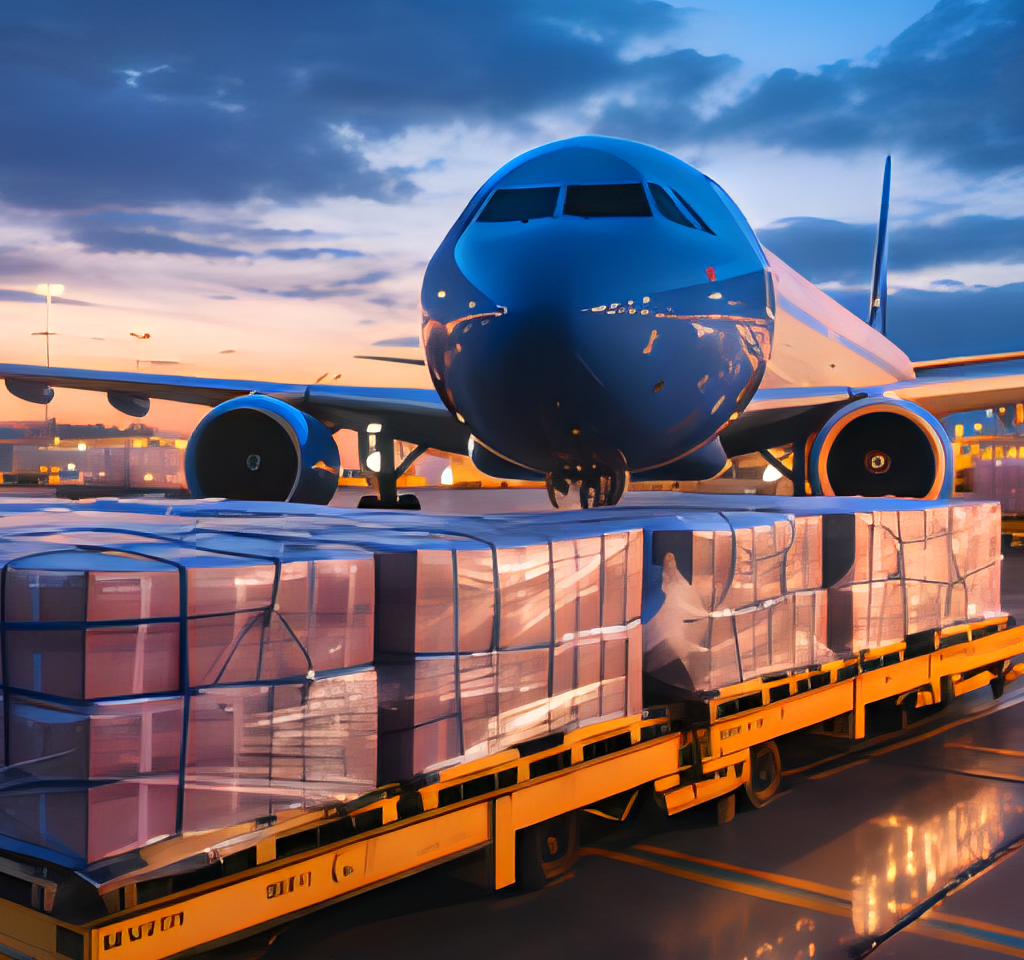
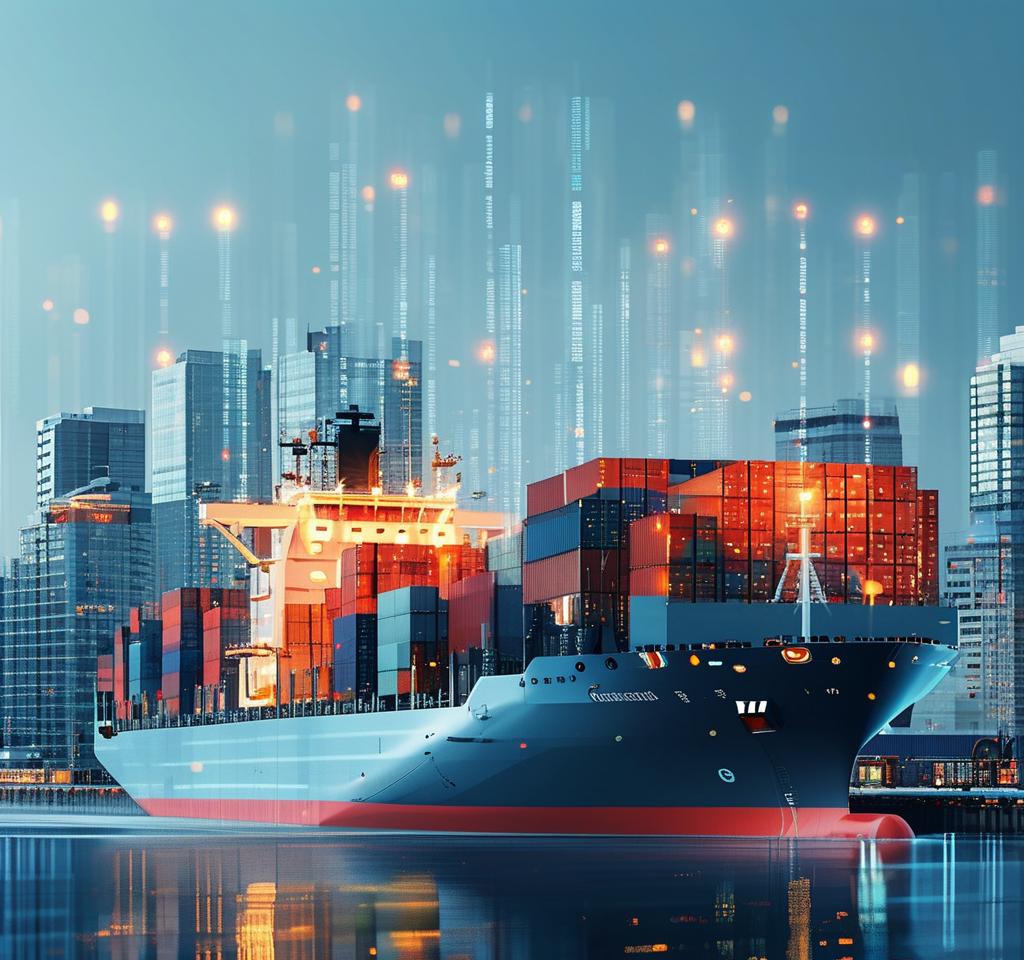
Sea freight

The transportation of goods by cargo ships across oceans, ideal for large volumes and heavy items.
img

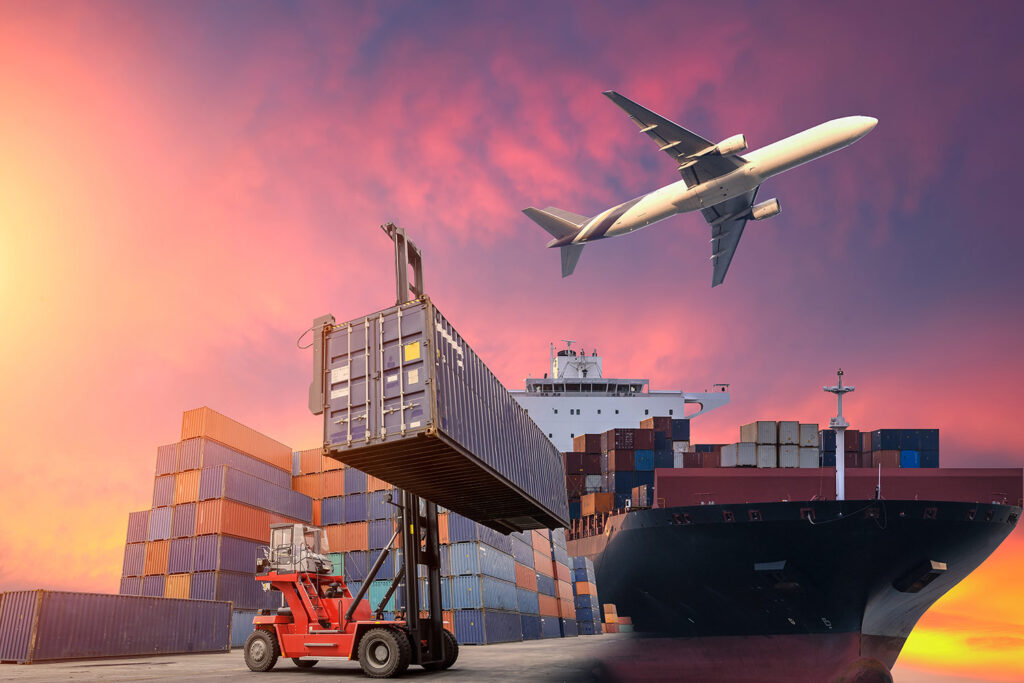
air freight

The shipment of goods via airplanes, offering fast delivery times for high-value or time-sensitive cargo.
img

door to door

This comprehensive solution streamlines the shipping process, ensuring efficient and hassle-free delivery.
img

break bulk

The process of shipping goods that are loaded individually rather than in containers, typically used for oversized or irregularly shaped cargo.
FAQ

Problems you may encounter

Most cargo from China enters Mongolia through:

  • Erenhot Port (China side)

  • Zamyn-Uud (Mongolia side)

This is the primary land gateway for trade between the two countries.

The choice depends on:

  • Final delivery city (e.g., Ulaanbaatar)

  • Cargo type (containerized, bulk, machinery)

  • Seasonal congestion

  • Rail vs truck mode

Importers usually confirm border capacity and clearance efficiency before shipment.

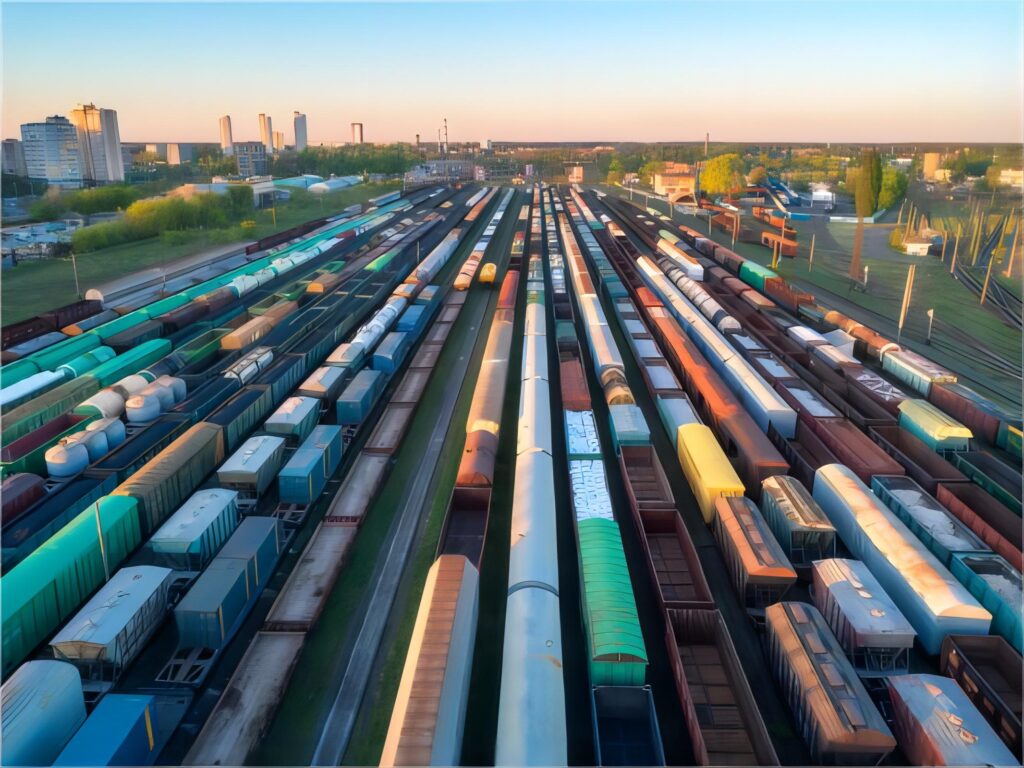
Rail is common for container and bulk cargo, especially for larger volumes.
Truck is often used for smaller shipments or urgent cargo.

Key considerations:

  • Rail is cost-effective for heavy goods.

  • Truck offers more flexibility but may face border delays.

  • Transshipment may be required due to different rail gauges.

Importers evaluate both cost and border waiting time before choosing.

Mongolia typically applies:

  • Customs duty (often around 5%, depending on HS code)

  • VAT (usually 10%)

  • Excise tax for specific goods (alcohol, fuel, tobacco)

VAT is calculated on CIF value plus customs duty.

Importers calculate total landed cost carefully because VAT affects cash flow even if recoverable.

Yes, Mongolia Customs reviews:

  • Transaction value

  • Comparable historical import data

  • Invoice consistency

If declared value appears too low, customs may request supporting documents or adjust valuation.

Accurate product description and realistic pricing are important to avoid delays.

If documents are complete:

  • Clearance may take 1–3 working days.

Delays often occur due to:

  • Missing documents

  • HS code disputes

  • Certification requirements for regulated products

  • Border congestion

Winter conditions can also affect transport schedules.

Typical required documents include:

  • Commercial invoice

  • Packing list

  • Transport document (rail waybill or truck CMR)

  • Certificate of origin (if applicable)

  • Import license (for regulated goods)

Detailed product description helps prevent classification disputes.

Yes. Products that may require additional approvals include:

  • Food and beverages

  • Pharmaceuticals

  • Medical devices

  • Chemicals

  • Telecommunications equipment

If permits are not secured before shipment, cargo may be held at customs.

Importers usually verify regulatory requirements before production begins.

Yes, especially during:

  • Peak trade seasons

  • Public holidays

  • Severe winter weather

  • Political or regulatory changes

Because Mongolia is landlocked and relies heavily on border crossings, any disruption can affect transit time significantly.

Importers plan buffer time during winter months.

Generally, Mongolia is not commonly used as a re-export hub due to:

  • Smaller domestic market

  • Limited free trade agreements

  • Higher inland transport costs

Most shipments are intended for domestic consumption rather than redistribution.

Possible, but complicated.

DDP requires:

  • Local tax registration

  • Customs representation

  • VAT payment handling

Many Mongolian buyers prefer to act as importer of record to control clearance and tax reporting.

Importers often underestimate:

  • Border handling and transshipment fees

  • Storage costs if clearance is delayed

  • Inland transport to Ulaanbaatar

  • Seasonal transport surcharges

  • Currency exchange fluctuations

Freight cost from China may look low, but inland and border handling add up.

Assuming proximity equals simplicity.

Although Mongolia borders China, imports still require:

  • Proper customs declaration

  • Accurate HS classification

  • Regulatory compliance

  • Coordination at border crossings

The most common issue is documentation inconsistency causing border delays.

rail freight
top china freight
Logistics professional coordinating a shipment
services

WHAT ELSE CAN WE DO?

services

img

Fcl&lcl

FCL (Full Container Load) refers to shipping full containers of goods, while LCL (Less than Container Load) refers to shipping consolidated goods in a shared container.

img

Cargo Insurance

Cargo Insurance provides coverage for goods against loss, damage, or theft during transit, ensuring that the owner receives financial compensation in the event of unforeseen incidents.

img

Amazon FBA

Amazon FBA (Fulfillment by Amazon) is a service where sellers store their products in Amazon's warehouses, and Amazon handles the packing, shipping, and customer service.

img

Customs Brokerage

Customs brokerage is a service that helps importers and exporters clear goods through customs.


img

door to door

Door to door service refers to the transportation of goods directly from the sender's location to the recipient's location, handled entirely by the carrier.

img

Express Service

Express service provide fast, time-sensitive delivery of parcels and documents.


DDU (Delivered Duty Unpaid)

DDU term means the seller is responsible for delivering the goods to the buyer’s designated destination, but not for paying import duties and other import fees. The buyer is responsible for customs clearance and paying all applicable duties, taxes, and fees.

DDP (Delivered Duty Paid)

DDP term means the seller is responsible for delivering the goods to the buyer’s designated destination and for paying all import duties and other import fees. The buyer only needs to receive the goods, without bearing any additional expenses.

comments

What everyone thinks

Very reliable!

Top China Freight is very reliable and the rates are great!

man
Candice cock

Great service and so easy to use !

Great service and so easy to use and allows us to get stuff sent from CN to NZ that we can’t get here.  My son is going to be so excited when he sees his pokemon lunchbox.
woman
Candice Lock

So friendly!

Top China Freight is very trustworthy and a enjoyable site, very easy to navigate and people friendly!

global
Stephen G.