
shipping

Malaysia

shipping

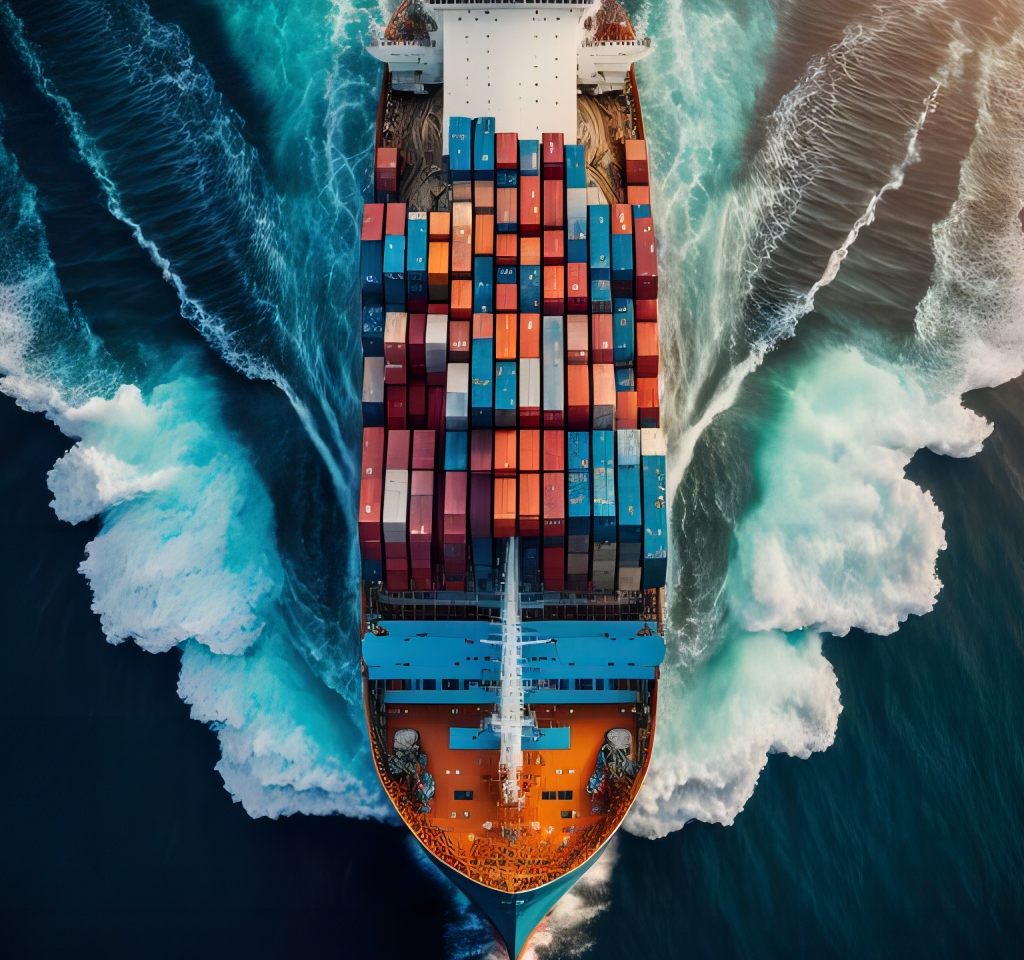
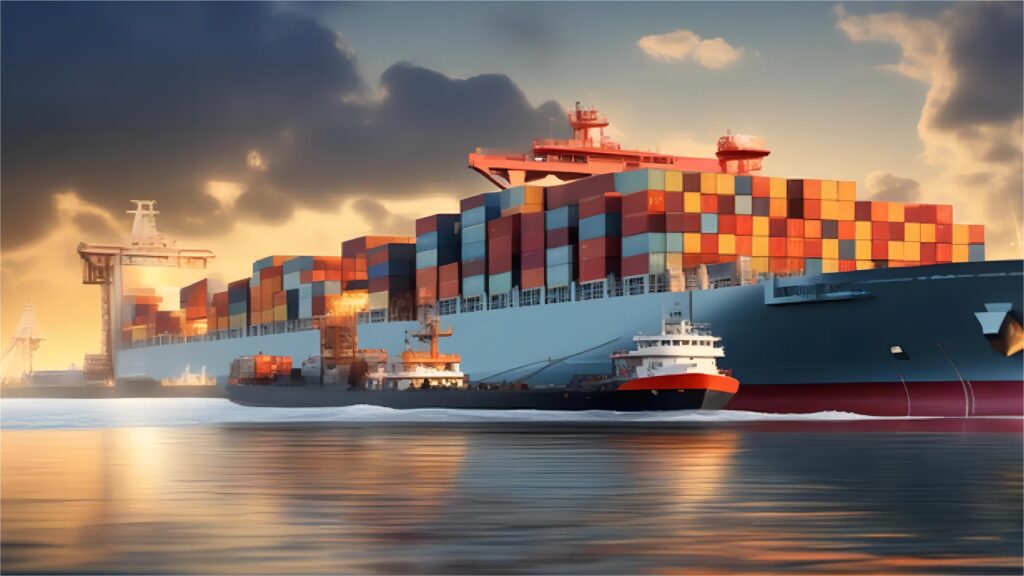
As a freight agent at Top China Freight, we understand that Malaysia, as a peninsula country, boasts various convenient freight transportation options. Its well-developed railway, maritime, and air transportation systems offer diversified choices for cargo transport, with port trade being a vital component of Malaysia’s economy. Ports like Penang Port and Port Klang serve as crucial freight hubs connecting global trade routes, while maritime and air transportation ensure swift and efficient cargo linkage between Malaysia and the rest of the world. These convenient freight conditions provide an excellent foundation and environment for international trade and freight industry.

services

choose our service

services

img

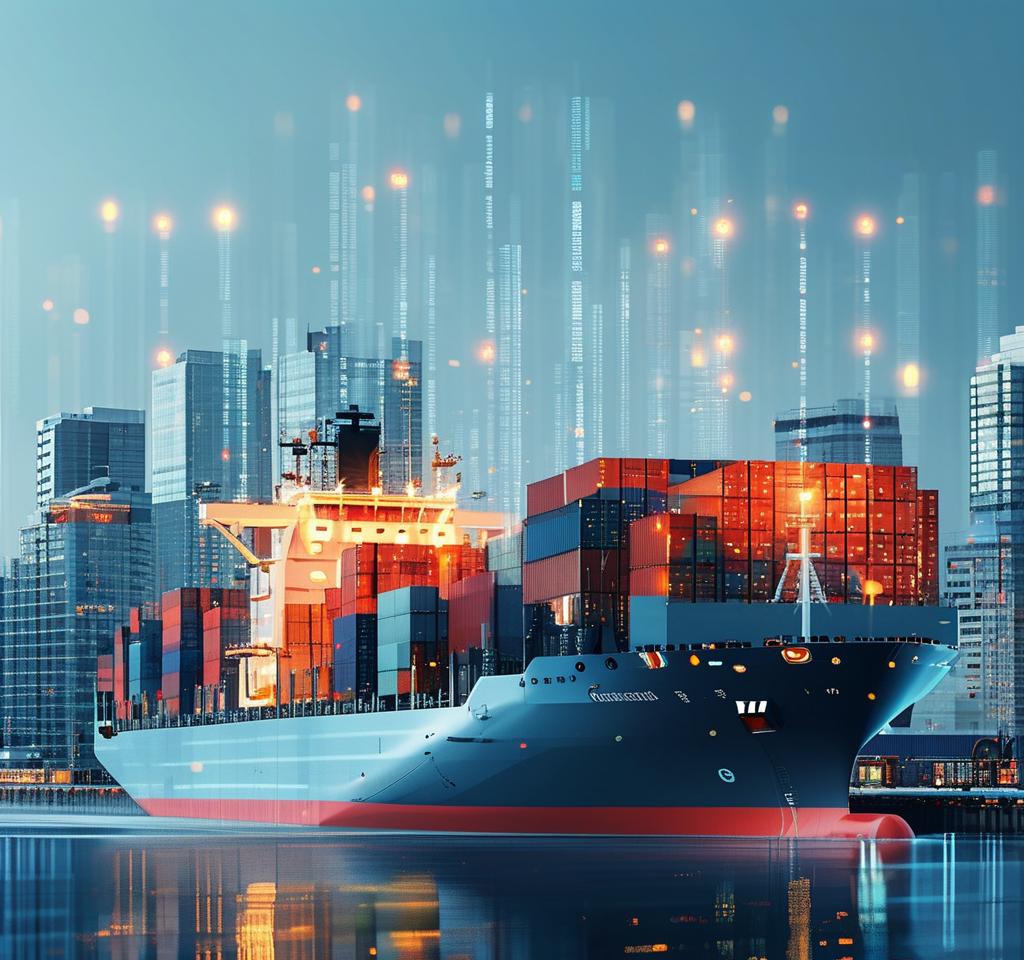
Sea freight

The transportation of goods by cargo ships across oceans, ideal for large volumes and heavy items.
img

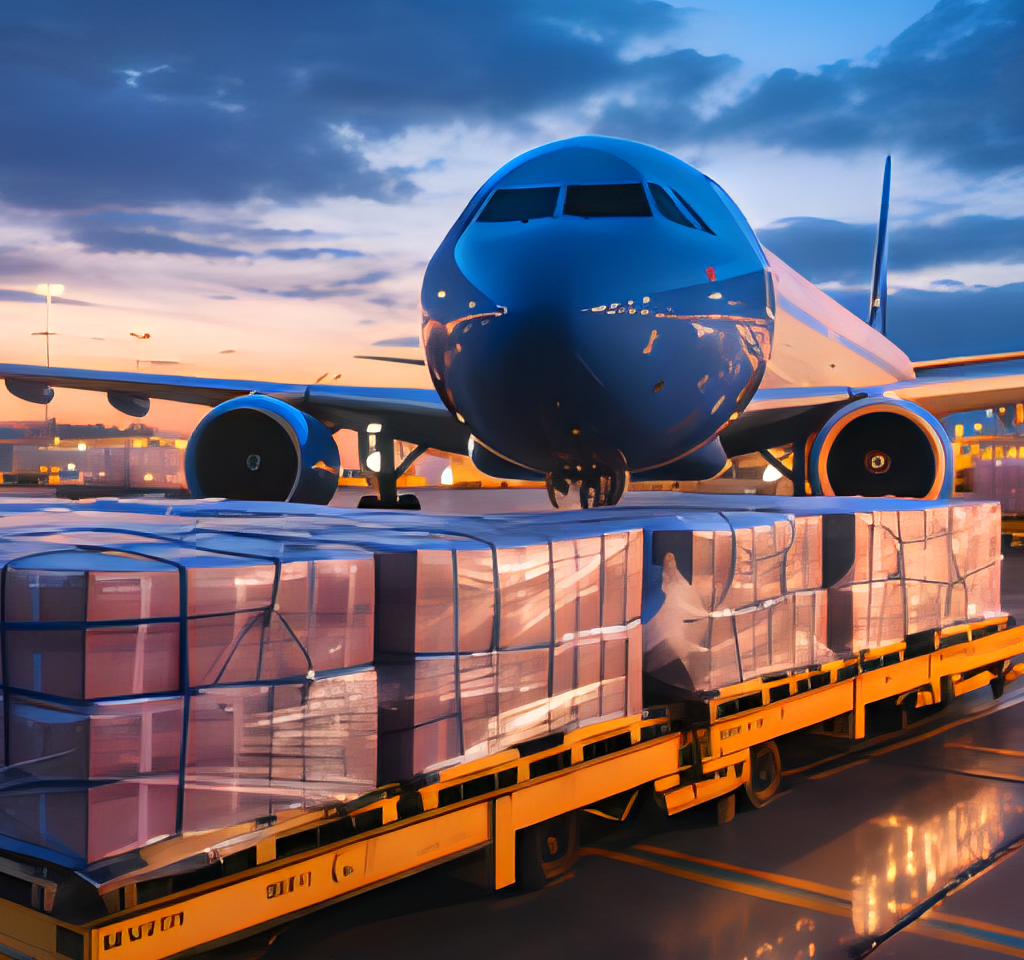
air freight

The shipment of goods via airplanes, offering fast delivery times for high-value or time-sensitive cargo.
img

DOOR TO DOOR

This comprehensive solution streamlines the shipping process, ensuring efficient and hassle-free delivery.
img

break bulk

The process of shipping goods that are loaded individually rather than in containers, typically used for oversized or irregularly shaped cargo.

FAQ

Problems you may encounter

Malaysia is part of both:

  • ASEAN

  • Regional Comprehensive Economic Partnership

Many goods imported from China may qualify for reduced or zero tariff under these agreements.

However, preferential duty requires:

  • Proper Certificate of Origin (Form E or RCEP CO)

  • Correct HS classification

  • Compliance with origin rules

Without proper documentation, normal MFN tariff applies.

Malaysian importers check tariff eligibility before placing large orders.

Most container cargo from China arrives at:

  • Port Klang

  • Port of Tanjung Pelepas

Both ports are highly efficient and well-connected.

Port choice usually depends on warehouse location and inland trucking cost rather than customs difference.

Malaysia applies:

  • Import duty (varies by HS code)

  • Sales and Service Tax (SST), generally 5% or 10% depending on product

Unlike VAT systems, SST is not always recoverable in the same way.

Importers calculate landed cost carefully because SST directly affects margin.

Malaysia Customs reviews:

  • Transaction value

  • Comparable import data

  • Historical pricing patterns

If declared value appears unusually low, customs may request supporting documents or reassess value.

Undervaluation risk is increasing as customs systems become more data-driven.

Yes, depending on product category.

Examples include:

  • Food products (Ministry of Health approval)

  • Electronics (SIRIM certification)

  • Cosmetics

  • Telecommunications equipment

  • Certain machinery

If permits are required but not secured before shipment, goods may be held at port.

Malaysian importers typically confirm regulatory scope before production begins.

For many electronic and communication devices, yes.

SIRIM certification confirms compliance with Malaysian technical standards.

Without SIRIM approval:

  • Customs release may be delayed

  • Goods may require testing after arrival

Importers usually request test reports from Chinese suppliers early in the process.

If documentation and permits are complete:

  • Clearance may be completed within 1–3 working days.

Malaysia’s customs system is relatively efficient.

Delays usually occur due to missing permits or classification disputes — not port congestion.

Technically possible, but most Malaysian companies prefer:

  • Acting as importer of record

  • Using their own customs broker

  • Managing tax declarations directly

Proper local registration and tax compliance are required.

Experienced importers prefer transparency over convenience.

Malaysia uses a risk-based inspection system.

Inspection likelihood increases if:

  • Importer is new

  • HS code is sensitive

  • Declared value is inconsistent

  • Regulated products lack certification

Consistent documentation reduces inspection frequency.

Yes.

Malaysia offers:

  • Strong port infrastructure

  • Good connectivity within ASEAN

  • Free commercial zones

Some importers use Malaysia as a staging point for regional distribution.

However, re-export rules and origin requirements must be considered.

Malaysian importers often underestimate:

  • SST impact on final pricing

  • Certification fees (SIRIM or other agencies)

  • Port storage if documentation is delayed

  • Inland transport to East Malaysia (Sabah & Sarawak)

Freight cost is often not the main financial variable — compliance cost is.

Assuming Malaysia is simple because it is business-friendly.

In reality, success depends on:

  • Correct HS classification

  • Trade agreement documentation

  • Permit preparation

  • Accurate tax forecasting

Preparation before shipment determines profitability.

sea freight
air freight
services

WHAT ELSE CAN WE DO?

services

img

Fcl&lcl

FCL (Full Container Load) refers to shipping full containers of goods, while LCL (Less than Container Load) refers to shipping consolidated goods in a shared container.

img

Cargo Insurance

Cargo Insurance provides coverage for goods against loss, damage, or theft during transit, ensuring that the owner receives financial compensation in the event of unforeseen incidents.

img

Amazon FBA

Amazon FBA (Fulfillment by Amazon) is a service where sellers store their products in Amazon's warehouses, and Amazon handles the packing, shipping, and customer service.

img

Customs Brokerage

Customs brokerage is a service that helps importers and exporters clear goods through customs.


img

door to door

Door to door service refers to the transportation of goods directly from the sender's location to the recipient's location, handled entirely by the carrier.

img

Express Service

Express service provide fast, time-sensitive delivery of parcels and documents.


DDU (Delivered Duty Unpaid)

DDU term means the seller is responsible for delivering the goods to the buyer’s designated destination, but not for paying import duties and other import fees. The buyer is responsible for customs clearance and paying all applicable duties, taxes, and fees.

DDP (Delivered Duty Paid)

DDP term means the seller is responsible for delivering the goods to the buyer’s designated destination and for paying all import duties and other import fees. The buyer only needs to receive the goods, without bearing any additional expenses.

comments

What everyone thinks

Great experience!

I had a great experience with Lawrence! He was incredibly kind and helpful, patiently addressing all my questions and making sure I understood everything clearly. His excellent service really made a difference, and I truly appreciate his support. Highly recommend!

Edgar D.

Very reliable!

Top China Freight is very reliable and the rates are great!

man
Candice cock

Consistently Satisfied for Years

I signed up with Top China Freight years ago ( in the early days I believe) and have been a regular customer with the Germany, UK and US warehouse facilities. I have had many irregular and demanding situations over the years and I can honestly say that Top China Freight has consistently delivered valuable service at a reasonable cost and I am truly grateful. Sometimes they even went out of their way to suggest a better solution for my situation.  I rarely leave reviews but have been so impressed over the years of service that I feel compelled to leave this review. Thank you to all the staff at Top China Freight!


Vesna K.