shipping

Kazakhstan

shipping

As a leading freight forwarder, Top China Freight specializes in providing efficient shipping solutions to Kazakhstan. Being a landlocked country, Kazakhstan primarily relies on rail and air transport for cargo shipment. Despite its relatively underdeveloped economy, our expertise in these transportation modes ensures the safe and timely delivery of your goods. The vast distances between major cities like Almaty and Astana present logistical challenges, but our extensive network is well-equipped to handle them. Whatever your shipping needs, Top China Freight can tailor the best transport solution for you.

services

choose our service

services

img

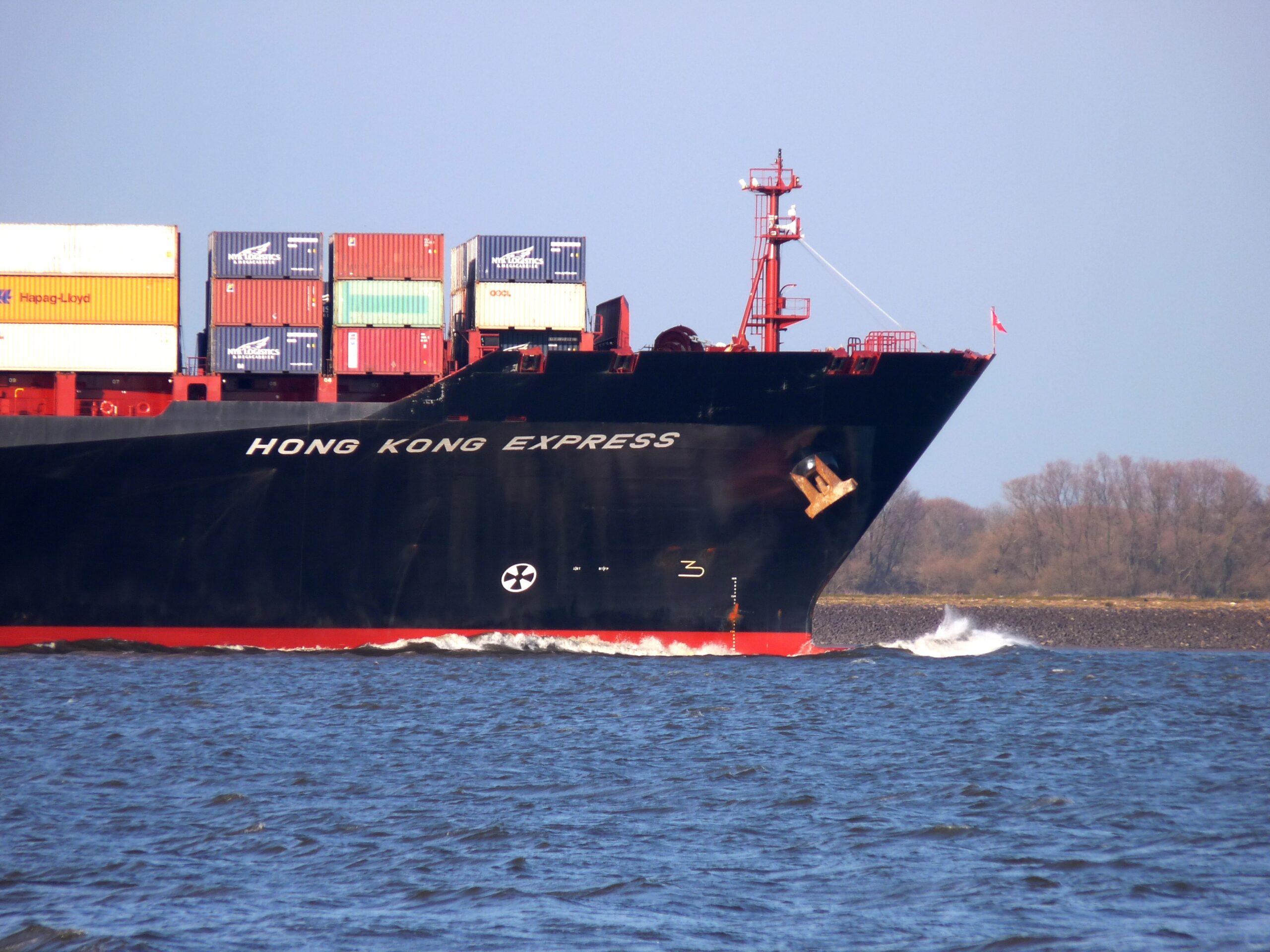
Sea freight

The transportation of goods by cargo ships across oceans, ideal for large volumes and heavy items.
img

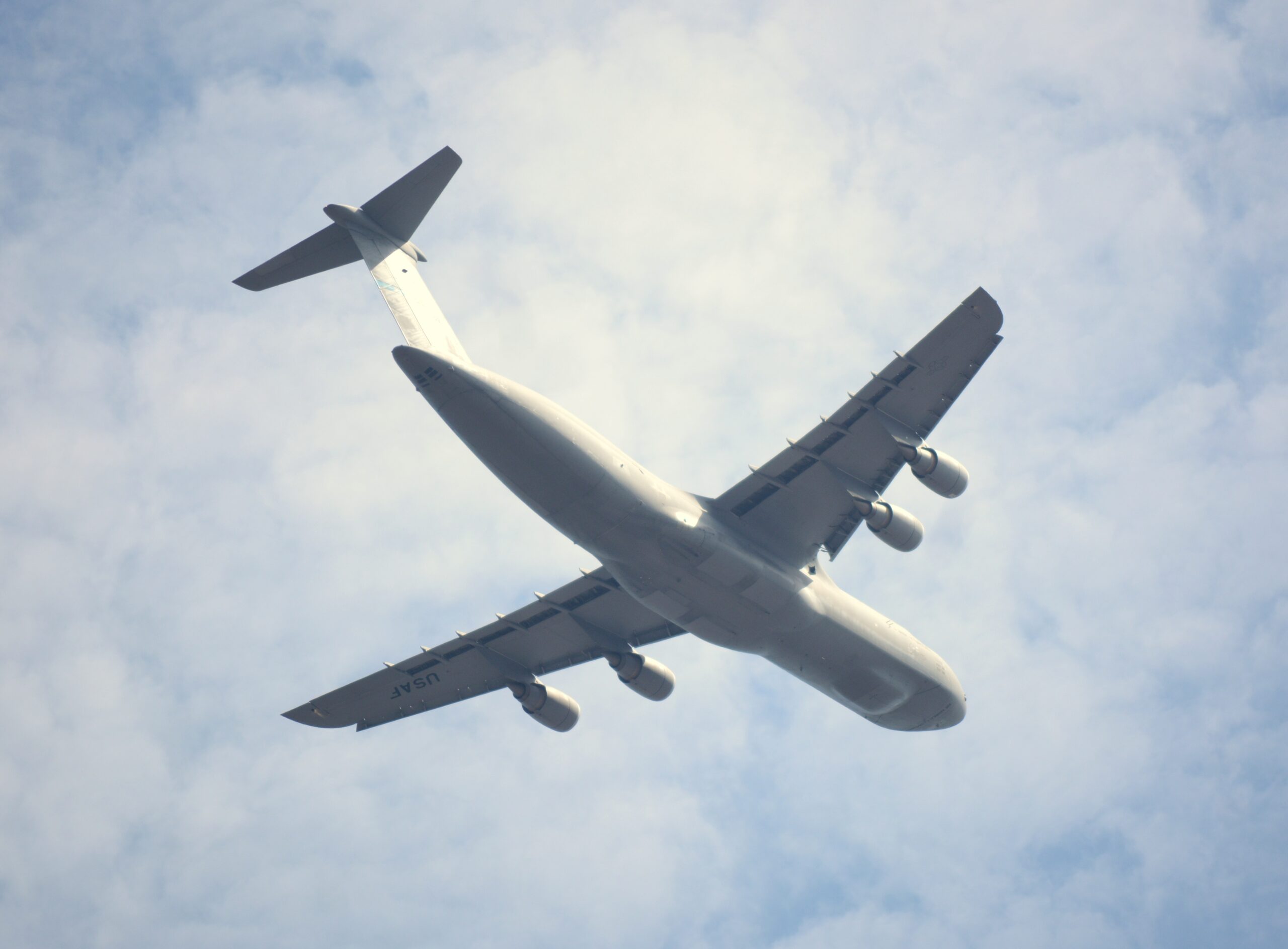
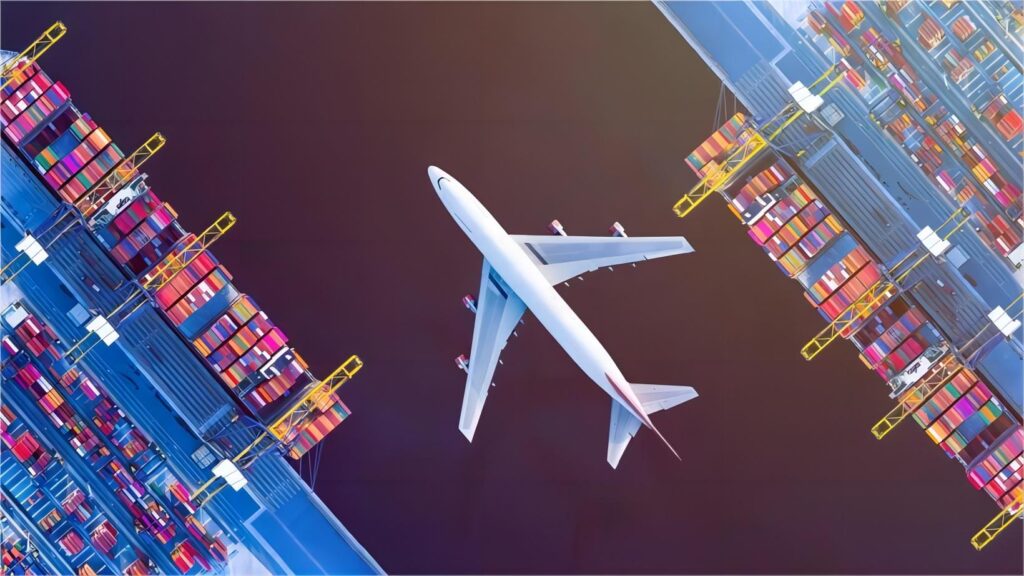
air freight

The shipment of goods via airplanes, offering fast delivery times for high-value or time-sensitive cargo.
img

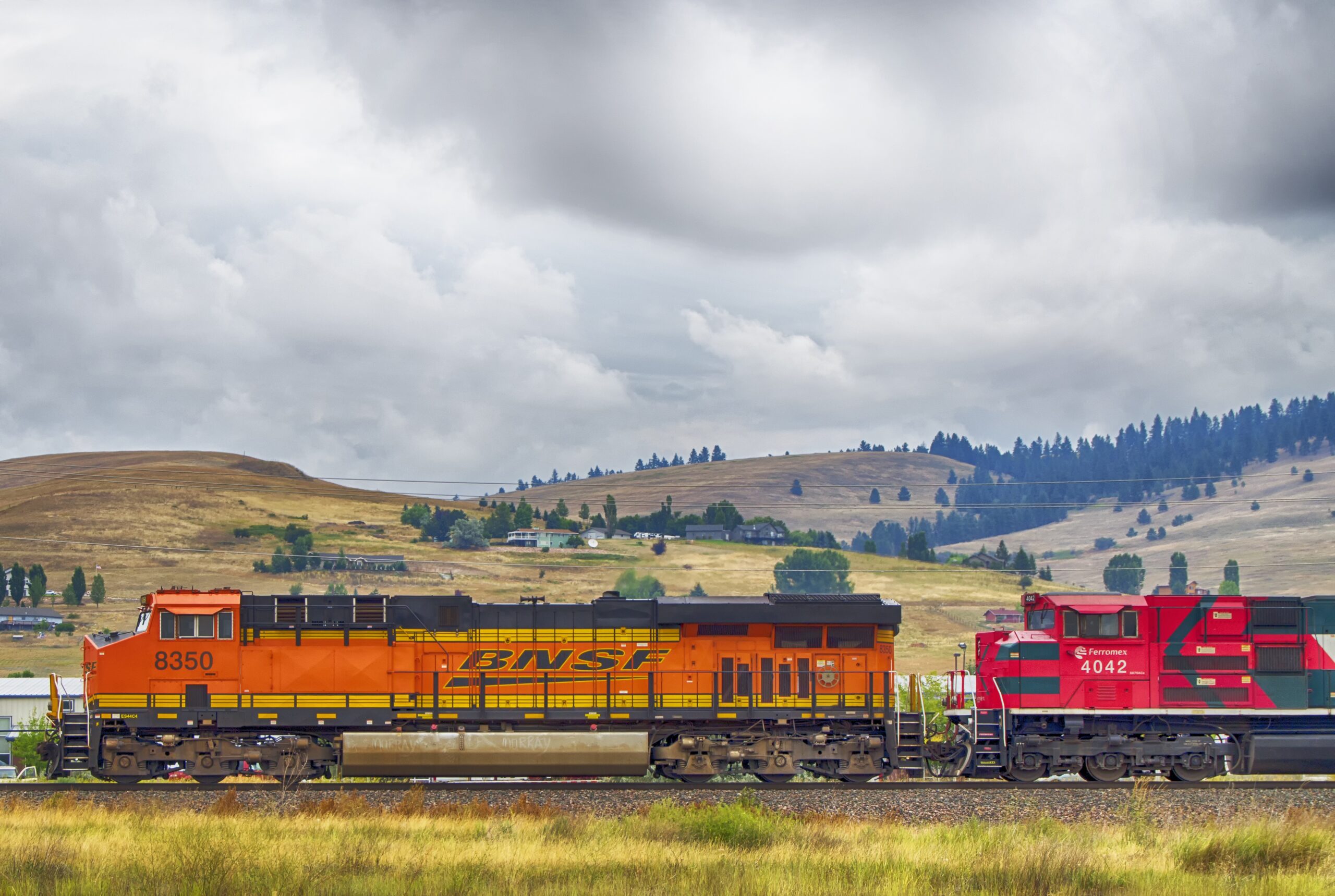
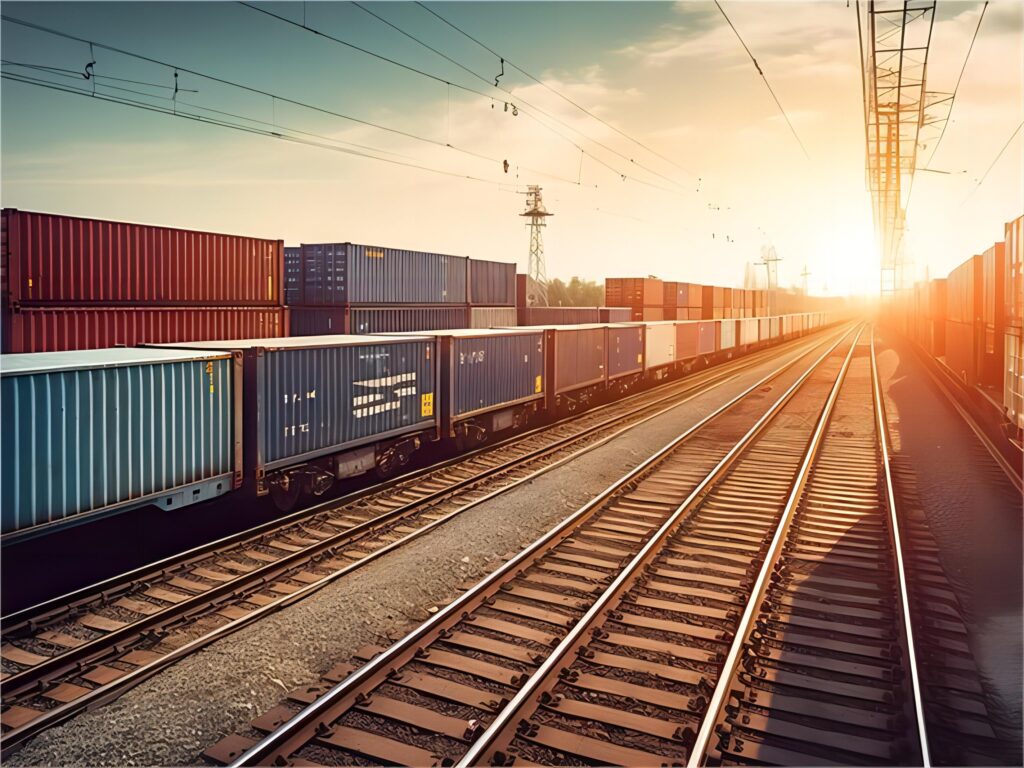
rail freight

The movement of goods by trains, providing a cost-effective and reliable option for transporting bulk commodities over land.
img

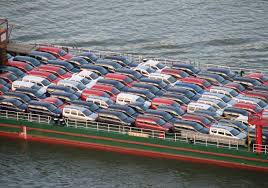
break bulk

The process of shipping goods that are loaded individually rather than in containers, typically used for oversized or irregularly shaped cargo.
FAQ

Problems you may encounter

Kazakhstan is a member of the Eurasian Economic Union (EAEU), together with Russia, Belarus, Armenia, and Kyrgyzstan.

Once goods are legally imported and cleared in Kazakhstan, they can generally circulate within the EAEU without additional customs duty.

This is one of the main strategic reasons some importers choose Kazakhstan as their entry point.

For Kazakhstan, rail is often the preferred mode.

Common rail gateways include:

  • Alashankou / Dostyk border crossing

  • Khorgos dry port

Rail advantages:

  • Competitive transit time (10–20 days depending on route)

  • Lower cost than air

  • More stable than long-distance trucking

Truck transport may be used for urgent or smaller shipments but is typically more expensive per unit.

Yes, in many cases.

Products entering Kazakhstan often require certification under EAEU technical regulations.

This usually involves obtaining an EAC (Eurasian Conformity) certificate before customs clearance.

Without proper certification:

  • Goods may be held at customs

  • Release can be denied

Importers confirm certification requirements before production starts.

Import charges typically include:

  • Customs duty (based on EAEU common external tariff)

  • VAT (usually 12%)

  • Customs processing fees

VAT is calculated on customs value plus duty.

Importers calculate total landed cost carefully because VAT payment affects cash flow, even if recoverable later.

Kazakh customs applies EAEU valuation principles.

Authorities review:

  • Transaction value

  • Historical import data

  • Comparable pricing within the union

If declared value appears unusually low, customs may adjust it upward.

Consistency in documentation is important to avoid reassessment.

If documentation and certification are complete:

  • Clearance may take 1–5 working days.

Delays occur when:

  • EAC certification is missing

  • HS code is disputed

  • Supporting documents are incomplete

For rail shipments, clearance may occur at inland customs terminals rather than at the border.

Importers typically require from the Chinese supplier:

  • Commercial invoice (detailed description)

  • Packing list

  • Rail waybill or CMR (for truck)

  • Certificate of origin (if required)

  • EAC certification documents

  • Technical specifications

Precise product description is critical for correct classification.

It is risky.

Kazakhstan participates in data exchange within the EAEU.

If value is significantly below market norms:

  • Customs may request additional documents

  • Clearance may be delayed

  • Value adjustment may be applied

Serious importers prefer defensible, realistic pricing.

Yes, many companies do.

Because Kazakhstan shares a customs union with Russia under the EAEU, goods cleared in Kazakhstan can move onward without additional customs duty.

However:

  • Proper documentation must be maintained

  • VAT and internal tax rules must be considered

Importers sometimes choose this strategy for logistical or operational reasons.

Rail between China and Kazakhstan has grown significantly under Belt and Road trade corridors.

Transit times are usually more predictable than ocean freight to Europe.

However:

  • Border congestion can occur

  • Seasonal delays are possible

  • Wagon availability matters

Importers monitor rail schedules closely during peak seasons.

Common underestimated costs include:

  • Terminal handling at inland rail stations

  • Customs broker service fees

  • Certification costs (EAC)

  • Storage fees if documents are incomplete

  • Currency exchange fluctuations

Freight is often not the biggest cost — compliance and documentation are.

Assuming that because it is geographically close to China, the process is simple.

In reality, Kazakhstan imports are governed by:

  • EAEU regulations

  • Technical conformity rules

  • Structured customs valuation principles

Failure to secure certification before shipment is the most common and costly mistake.

reil freight
air freight
Oversized lighting fixtures secured on a flat rack container at a port
services

WHAT ELSE CAN WE DO?

services

img

Fcl&lcl

FCL (Full Container Load) refers to shipping full containers of goods, while LCL (Less than Container Load) refers to shipping consolidated goods in a shared container.

img

Cargo Insurance

Cargo Insurance provides coverage for goods against loss, damage, or theft during transit, ensuring that the owner receives financial compensation in the event of unforeseen incidents.

img

Amazon FBA

Amazon FBA (Fulfillment by Amazon) is a service where sellers store their products in Amazon's warehouses, and Amazon handles the packing, shipping, and customer service.

img

Customs Brokerage

Customs brokerage is a service that helps importers and exporters clear goods through customs.


img

door to door

Door to door service refers to the transportation of goods directly from the sender's location to the recipient's location, handled entirely by the carrier.

img

Express Service

Express service provide fast, time-sensitive delivery of parcels and documents.


DDU (Delivered Duty Unpaid)

DDU term means the seller is responsible for delivering the goods to the buyer’s designated destination, but not for paying import duties and other import fees. The buyer is responsible for customs clearance and paying all applicable duties, taxes, and fees.

DDP (Delivered Duty Paid)

DDP term means the seller is responsible for delivering the goods to the buyer’s designated destination and for paying all import duties and other import fees. The buyer only needs to receive the goods, without bearing any additional expenses.

comments

What everyone thinks

Great service and so easy to use !

Great service and so easy to use and allows us to get stuff sent from CN to NZ that we can’t get here.  My son is going to be so excited when he sees his pokemon lunchbox.
woman
Candice Lock

Amazing Experience Couldn’t recommend this company enough.

The process is very simple and the communication is the best I’ve ever used. Lawrence helped me out massively and gave me constant updates on any issues I had at all. Would definitely use them again.

Adam G.

Consistently Satisfied for Years

I signed up with Top China Freight years ago ( in the early days I believe) and have been a regular customer with the Germany, UK and US warehouse facilities. I have had many irregular and demanding situations over the years and I can honestly say that Top China Freight has consistently delivered valuable service at a reasonable cost and I am truly grateful. Sometimes they even went out of their way to suggest a better solution for my situation.  I rarely leave reviews but have been so impressed over the years of service that I feel compelled to leave this review. Thank you to all the staff at Top China Freight!


Vesna K.