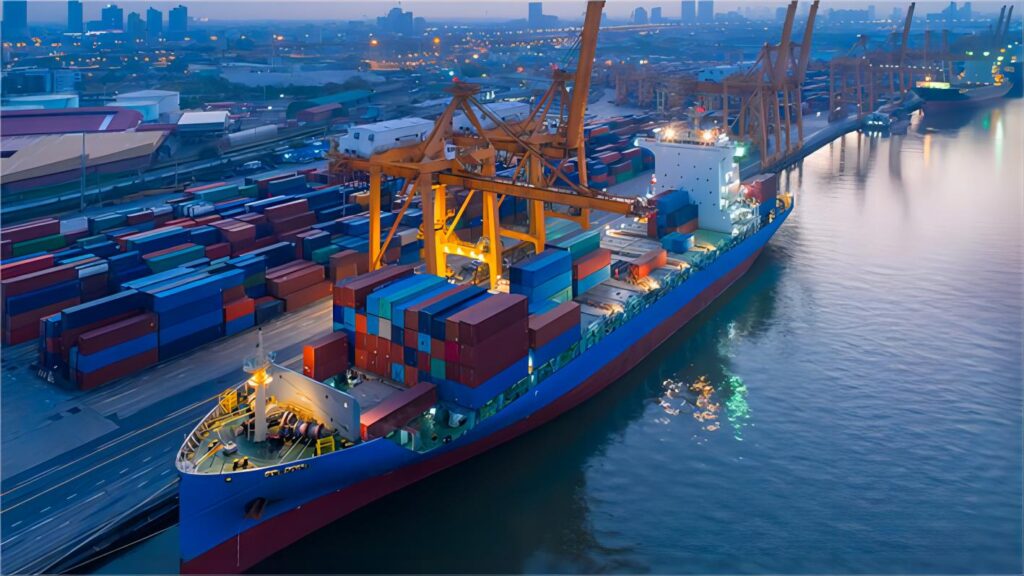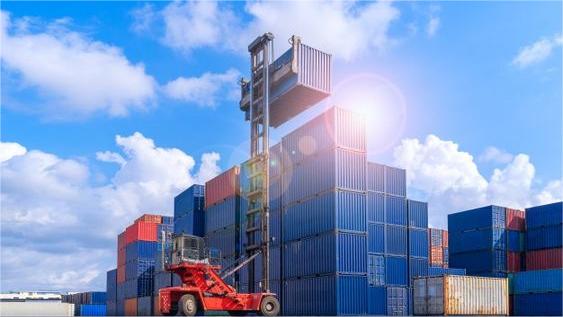
As a freight agent at Top China Freight, we understand the unique conditions and characteristics of freight transportation in Japan, an economically developed island nation. Japan boasts numerous important ports such as Yokohama Port and Osaka Port, making maritime transportation a primary mode of freight transport with diverse routes connecting continents worldwide. Additionally, Japan’s well-established air transportation infrastructure, including international airports like Tokyo Narita Airport and Tokyo Haneda Airport, facilitates fast and efficient cargo delivery. Although Japan lacks direct railway options, land transportation remains vital for domestic distribution, with a dense network of highways and freight trucking connecting cities and regions effectively. In summary, Japan’s freight environment is characterized by diversity and efficiency, providing a solid foundation and favorable conditions for international trade and cargo transportation.
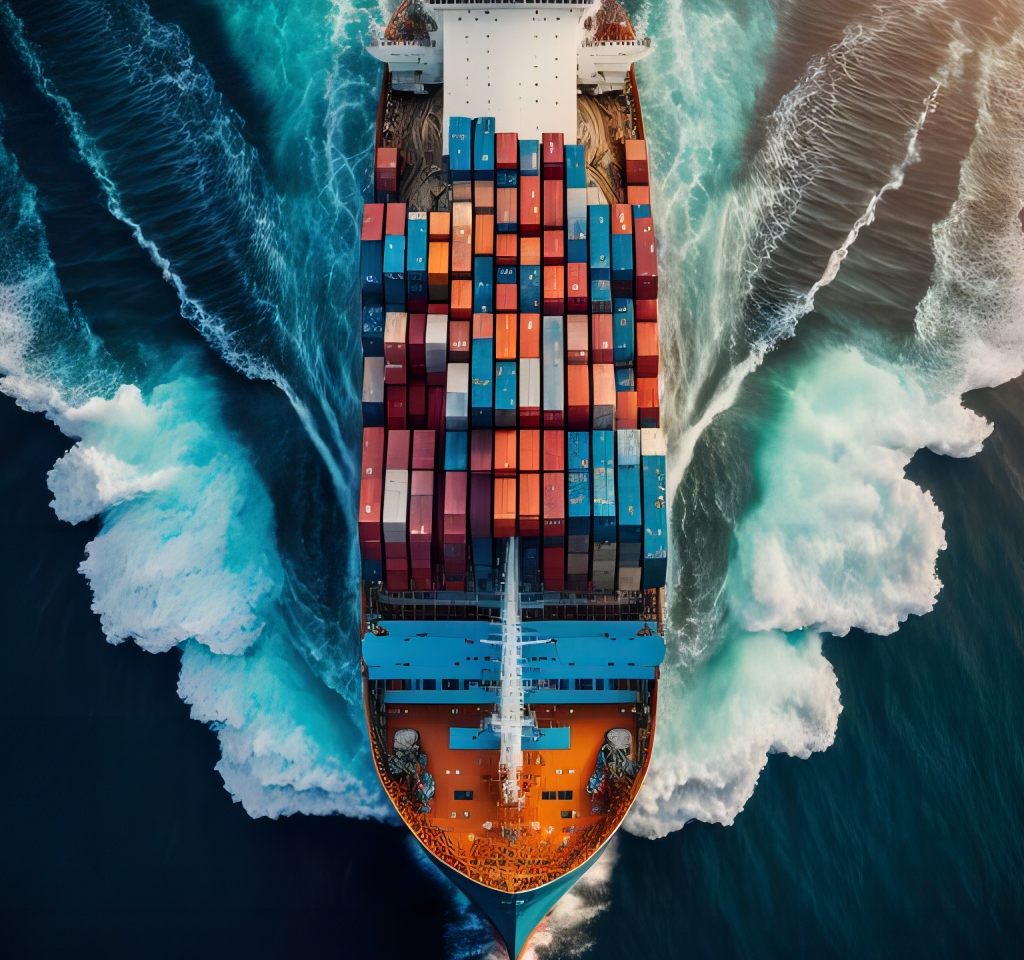
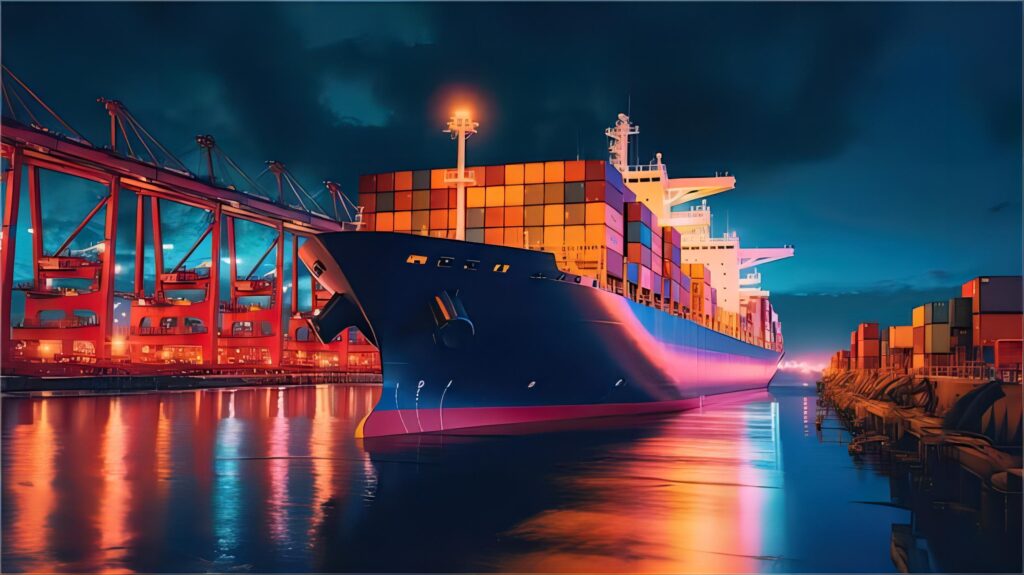
The transportation of goods by cargo ships across oceans, ideal for large volumes and heavy items.
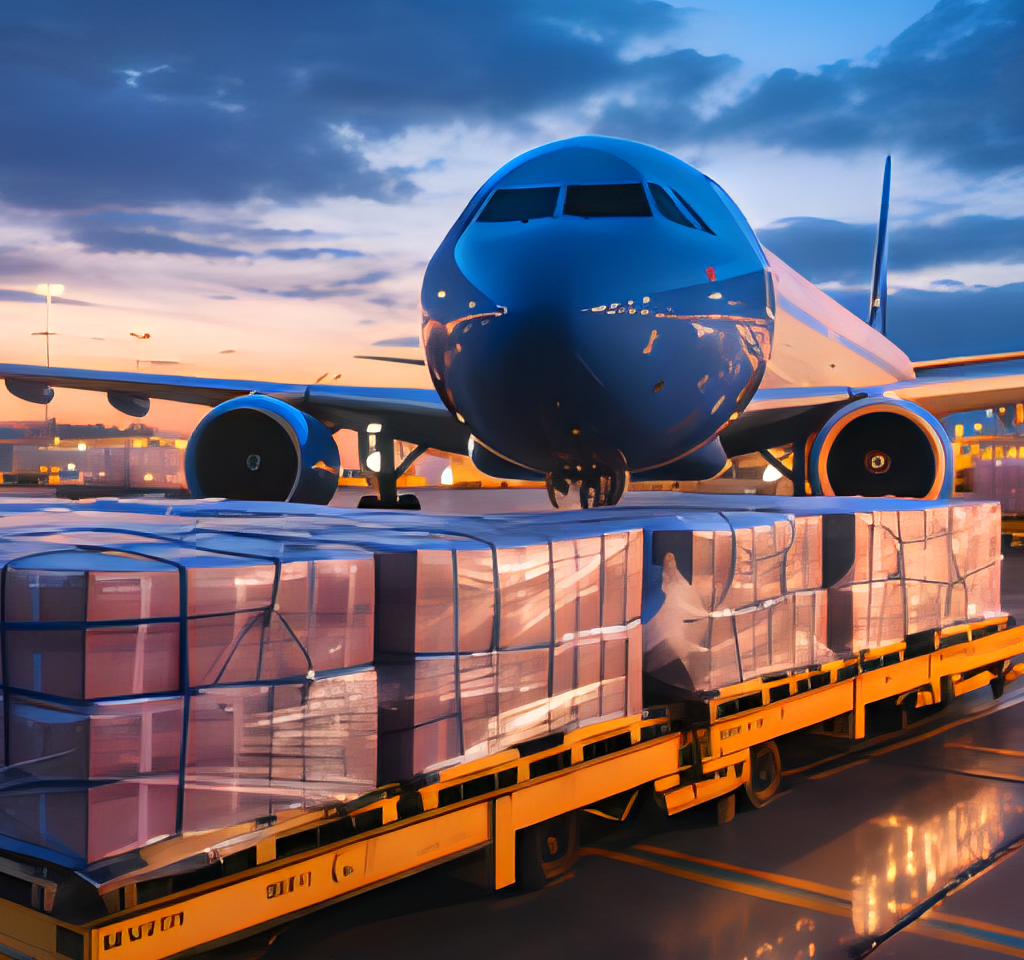
The shipment of goods via airplanes, offering fast delivery times for high-value or time-sensitive cargo.

This comprehensive solution streamlines the shipping process, ensuring efficient and hassle-free delivery.

The process of shipping goods that are loaded individually rather than in containers, typically used for oversized or irregularly shaped cargo.
Japan regulates certain categories strictly.
Depending on the product, approval may be required under:
Electrical Appliance and Material Safety Law (PSE mark)
Food Sanitation Act
Pharmaceutical and Medical Device Act
Radio Law (for wireless devices)
Importers verify regulatory scope before shipment.
If approval is required but not prepared, goods can be held at port.
No.
European CE marking does not automatically satisfy Japanese requirements.
For example:
Electrical products may require PSE certification.
Wireless devices may require technical conformity certification.
Japanese importers typically request compliance documentation specifically aligned with Japanese regulations — not just EU or US standards.
Most container cargo arrives at:
Port of Tokyo
Port of Yokohama
Port of Osaka
Transit time from major Chinese ports is often 3–7 days by sea.
Japan’s port infrastructure is highly efficient; delays usually relate to documentation, not congestion.
Japan Customs is structured and data-driven.
They review:
Transaction value
Related-party pricing
Historical import consistency
HS classification accuracy
Undervaluation is risky and not common practice among serious Japanese importers.
Accuracy and transparency are expected.
Typical import charges include:
Customs duty (many categories have low or zero tariffs)
Consumption tax (currently 10%)
Consumption tax is calculated on CIF value plus duty.
Importers factor this into pricing before confirming purchase orders.
Yes.
For many consumer products, Japanese labeling requirements include:
Japanese-language product information
Safety instructions
Importer name and address
Material details (for textiles, etc.)
Relabeling at port is possible but inefficient and costly.
Most importers approve packaging artwork before production begins.
Physical inspections occur but are not random or unpredictable.
Inspection likelihood increases if:
The importer is new
Product category is sensitive
Documentation is inconsistent
Product safety compliance is unclear
Japan prioritizes structured compliance rather than frequent random inspections.
It is possible, but most Japanese importers prefer:
Using their own licensed customs broker
Filing import declaration under their company name
Maintaining full compliance control
Japan requires a legally registered importer of record.
Experienced buyers prefer transparency over convenience.
Very much so.
Japanese business culture emphasizes precision.
Discrepancies between:
Invoice description
Packing list
HS code
Product specifications
Can delay processing or require clarification.
Importers often request pre-shipment document drafts for review.
If all documentation is correct:
Clearance can often be completed within 1–3 working days.
Japan’s customs system is efficient.
Delays typically occur only when compliance or classification issues arise.
Cargo Insurance provides coverage for goods against loss, damage, or theft during transit, ensuring that the owner receives financial compensation in the event of unforeseen incidents.
Amazon FBA (Fulfillment by Amazon) is a service where sellers store their products in Amazon's warehouses, and Amazon handles the packing, shipping, and customer service.
Customs brokerage is a service that helps importers and exporters clear goods through customs.
Door to door service refers to the transportation of goods directly from the sender's location to the recipient's location, handled entirely by the carrier.
Express service provide fast, time-sensitive delivery of parcels and documents.
DDU term means the seller is responsible for delivering the goods to the buyer’s designated destination, but not for paying import duties and other import fees. The buyer is responsible for customs clearance and paying all applicable duties, taxes, and fees.
DDP term means the seller is responsible for delivering the goods to the buyer’s designated destination and for paying all import duties and other import fees. The buyer only needs to receive the goods, without bearing any additional expenses.
I signed up with Top China Freight years ago ( in the early days I believe) and have been a regular customer with the Germany, UK and US warehouse facilities. I have had many irregular and demanding situations over the years and I can honestly say that Top China Freight has consistently delivered valuable service at a reasonable cost and I am truly grateful. Sometimes they even went out of their way to suggest a better solution for my situation. I rarely leave reviews but have been so impressed over the years of service that I feel compelled to leave this review. Thank you to all the staff at Top China Freight!