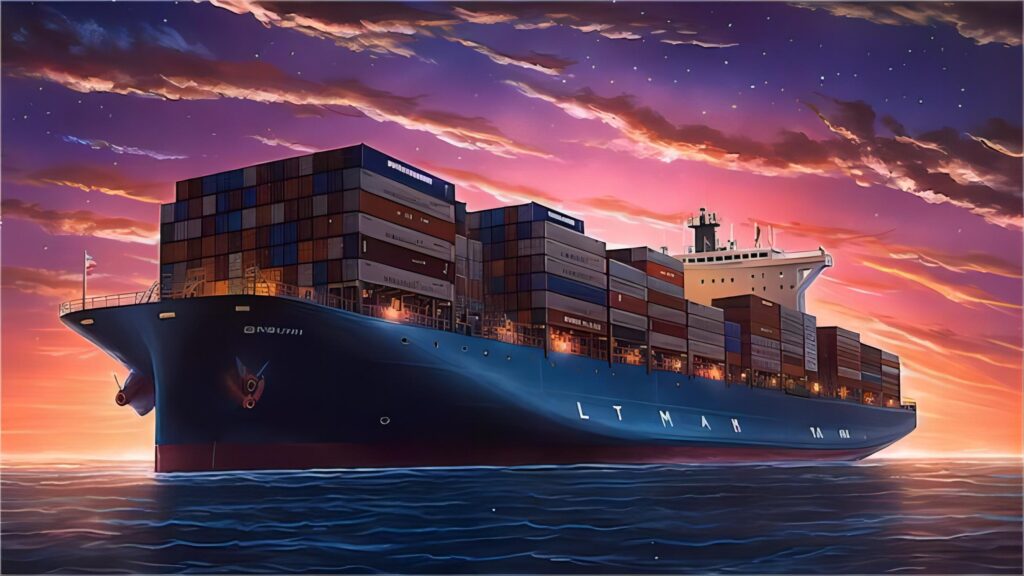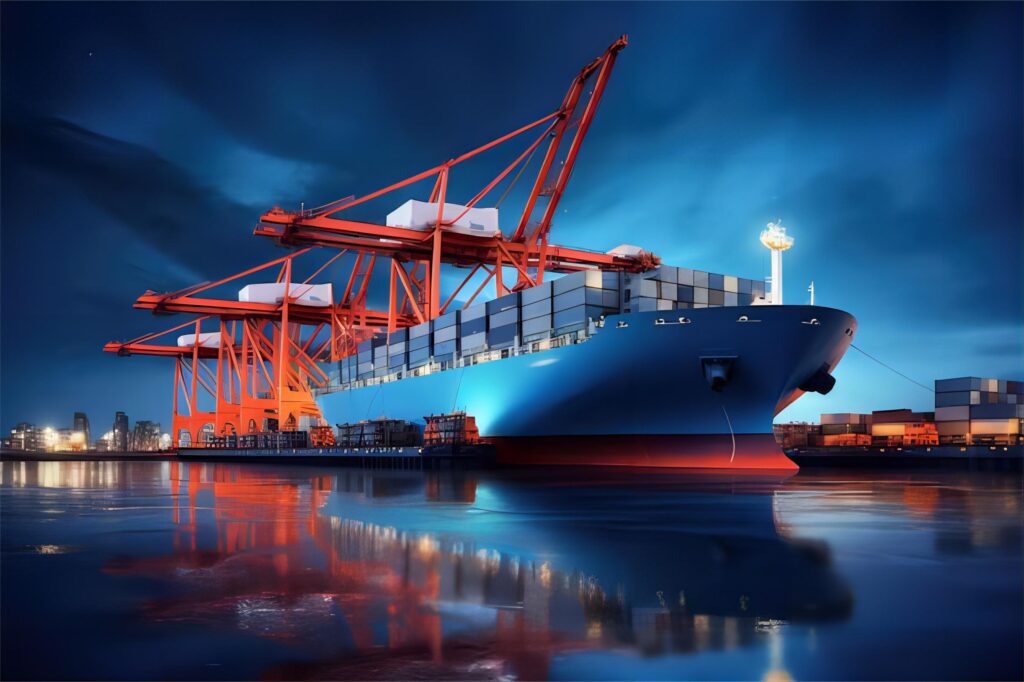
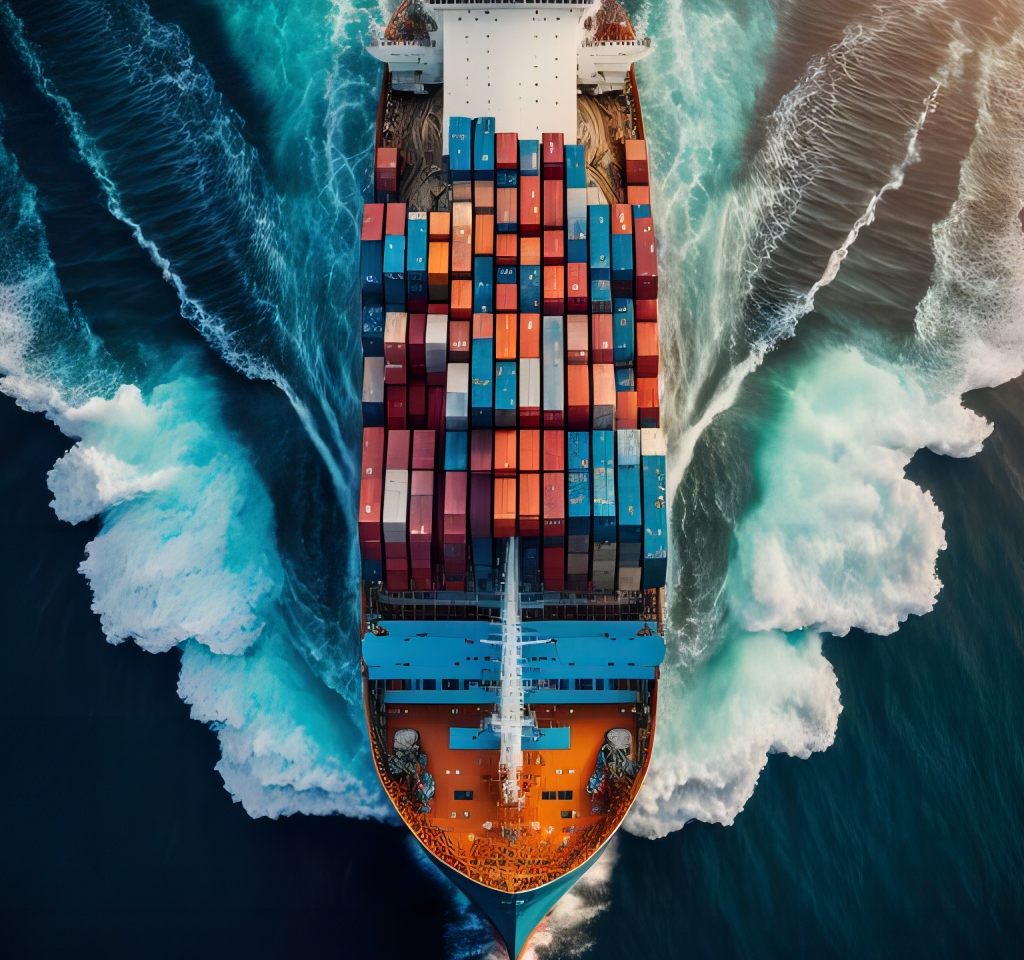
The transportation of goods by cargo ships across oceans, ideal for large volumes and heavy items.
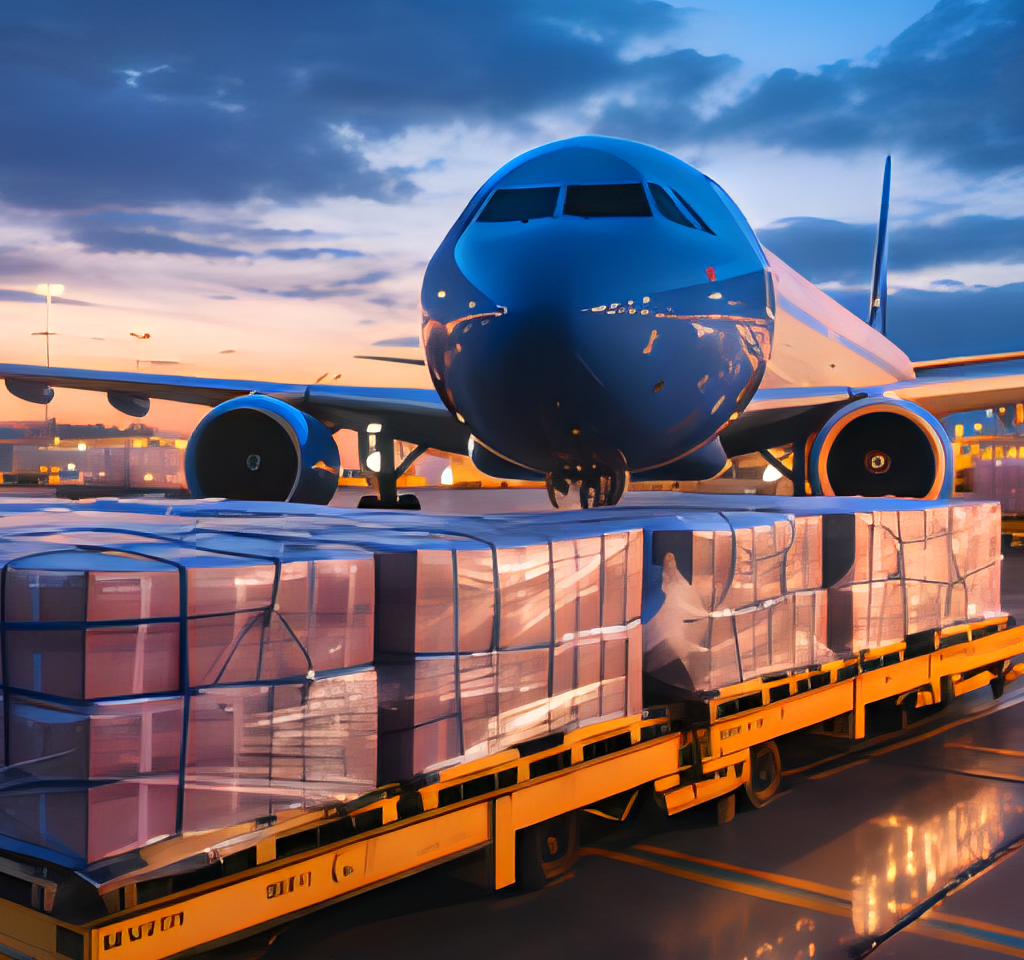
The shipment of goods via airplanes, offering fast delivery times for high-value or time-sensitive cargo.

This comprehensive solution streamlines the shipping process, ensuring efficient and hassle-free delivery.

The process of shipping goods that are loaded individually rather than in containers, typically used for oversized or irregularly shaped cargo.
Yes — and this is one of the most critical points.
For many commercial shipments to Iraq, importers require:
Commercial invoice legalized
Certificate of origin legalized
Sometimes attested by the Iraqi embassy
If documents are not properly legalized before shipment, clearance can be delayed or rejected.
This is usually confirmed before goods leave China.
In many cases, yes.
Iraq has required inspection and certification programs to verify:
Product conformity
Quality standards
Shipment details
Inspection must typically be completed before export.
If the inspection certificate is missing, goods may not be cleared at arrival.
Importers clarify this early to avoid costly mistakes.
Most sea shipments from China arrive at:
Umm Qasr Port – Iraq’s main maritime gateway.
For northern Iraq (Kurdistan Region), some shipments may route through:
Port of Mersin in Turkey and then move by truck into Iraq.
Port choice depends heavily on final delivery location and security considerations.
Sea freight typically takes:
25–40 days to Umm Qasr (depending on transshipment routing).
However, inland transport inside Iraq can significantly affect total delivery time.
Importers focus more on total door-to-door reliability than ocean transit alone.
Iraq’s customs duties vary by product category.
In addition to customs duty, there may be:
Reconstruction fees
Port handling charges
Local service fees
Importers calculate total landed cost carefully because unofficial costs can sometimes arise in the process.
Transparency varies by location.
Valuation practices can vary.
Customs may reference:
Official pricing lists
Historical imports
Market estimates
If declared value is considered too low, reassessment can occur.
Importers often align declared value with realistic commercial pricing to avoid disputes.
Payment security is a major concern.
Common payment methods include:
Telegraphic transfer (T/T)
Letters of credit (for large transactions)
Some Iraqi banks face international transfer limitations, so importers often coordinate carefully with banks before shipment.
Payment confirmation timing is critical.
Yes, depending on region.
After arrival at port:
Cargo may travel long distances by truck
Infrastructure conditions vary
Insurance coverage becomes important
Importers typically purchase cargo insurance covering inland transport as well.
Many Iraqi importers prefer FCL (Full Container Load) because:
It reduces handling
It lowers risk of cargo damage
It minimizes consolidation delays
LCL may be used for small shipments, but transit can be less predictable.
DDP is possible but complex.
It requires:
A reliable local clearing agent
Accurate understanding of local fees
Strong coordination on compliance documentation
Many importers prefer controlling customs clearance locally rather than relying fully on overseas DDP arrangements.
Cargo Insurance provides coverage for goods against loss, damage, or theft during transit, ensuring that the owner receives financial compensation in the event of unforeseen incidents.
Amazon FBA (Fulfillment by Amazon) is a service where sellers store their products in Amazon's warehouses, and Amazon handles the packing, shipping, and customer service.
Customs brokerage is a service that helps importers and exporters clear goods through customs.
Door to door service refers to the transportation of goods directly from the sender's location to the recipient's location, handled entirely by the carrier.
Express service provide fast, time-sensitive delivery of parcels and documents.
DDU term means the seller is responsible for delivering the goods to the buyer’s designated destination, but not for paying import duties and other import fees. The buyer is responsible for customs clearance and paying all applicable duties, taxes, and fees.
DDP term means the seller is responsible for delivering the goods to the buyer’s designated destination and for paying all import duties and other import fees. The buyer only needs to receive the goods, without bearing any additional expenses.
I signed up with Top China Freight years ago ( in the early days I believe) and have been a regular customer with the Germany, UK and US warehouse facilities. I have had many irregular and demanding situations over the years and I can honestly say that Top China Freight has consistently delivered valuable service at a reasonable cost and I am truly grateful. Sometimes they even went out of their way to suggest a better solution for my situation. I rarely leave reviews but have been so impressed over the years of service that I feel compelled to leave this review. Thank you to all the staff at Top China Freight!