shipping

Indonesia

shipping

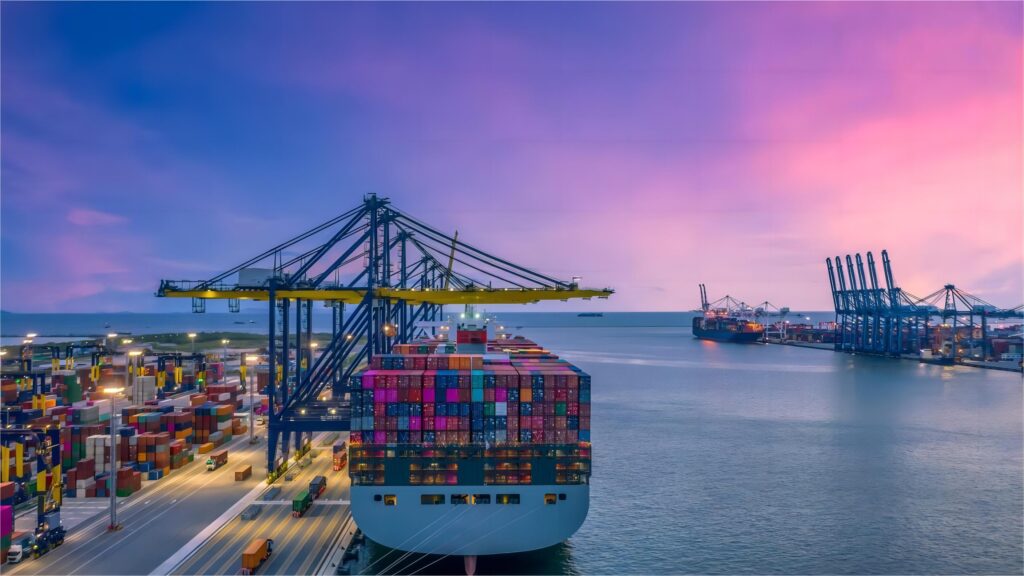
As a freight agent at Top China Freight, we understand that Indonesia, being an archipelago nation, relies heavily on port trade. Ports like Tanjung Priok in Jakarta and Tanjung Perak in Surabaya serve as vital hubs connecting global trade routes. Due to the lack of direct railway options, sea transportation is the primary mode of cargo shipment. Despite the developed port trade, Indonesia’s economy is relatively underdeveloped, and its infrastructure may not be fully adequate, potentially posing challenges to cargo transportation.

services

choose our service

services

img

Sea freight

The transportation of goods by cargo ships across oceans, ideal for large volumes and heavy items.
img

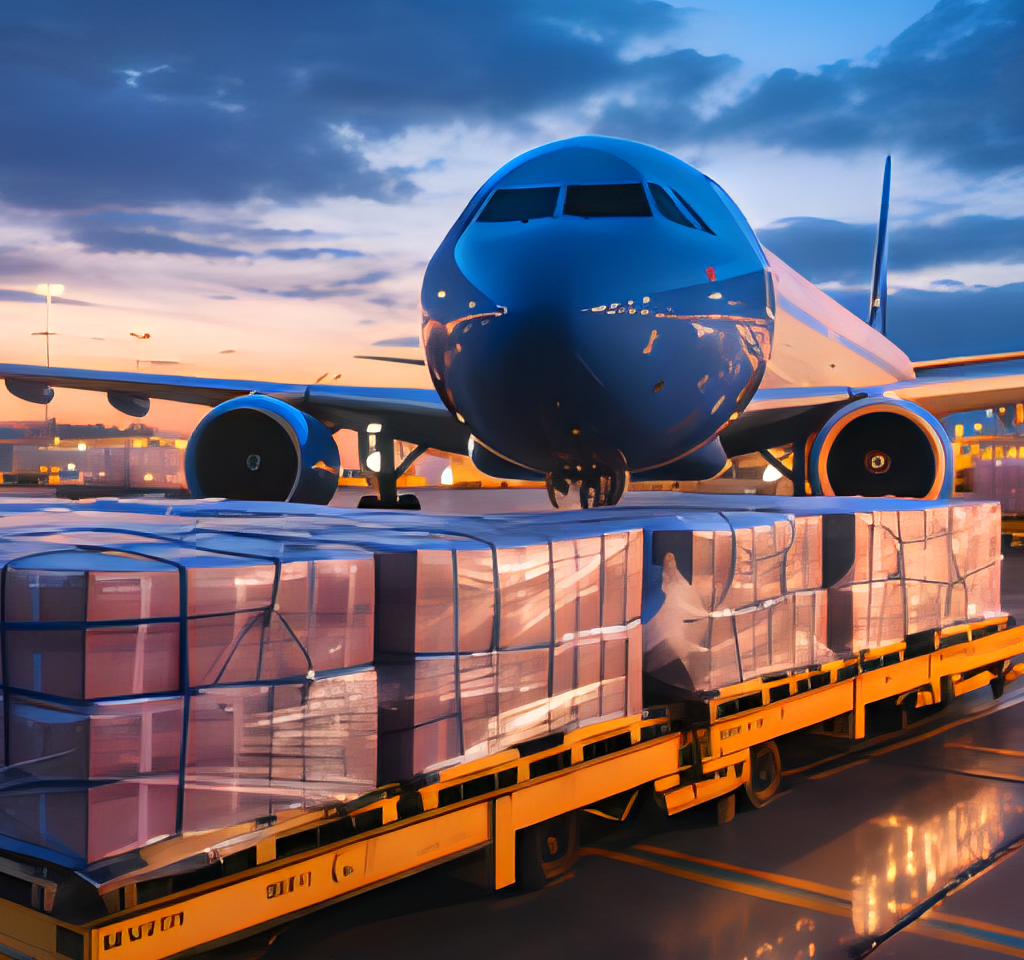
air freight

The shipment of goods via airplanes, offering fast delivery times for high-value or time-sensitive cargo.

img

DOOR TO DOOR

This comprehensive solution streamlines the shipping process, ensuring efficient and hassle-free delivery.
img

break bulk

The process of shipping goods that are loaded individually rather than in containers, typically used for oversized or irregularly shaped cargo.

FAQ

Problems you may encounter

In Indonesia, importing is not just about paying duty.

An importer must have:

  • A valid Business Identification Number (NIB)

  • Proper Importer Identification (API-U or API-P depending on business type)

  • Product-specific import approval (for regulated goods)

Many goods fall under restricted or monitored categories.

Without proper licensing, cargo may arrive but cannot be cleared.

This is usually the first thing serious Indonesian buyers verify.

Certain sectors are closely monitored, including:

  • Steel

  • Textiles

  • Electronics

  • Consumer goods

Indonesia periodically adjusts import controls to protect domestic industry.

Importers therefore check current Ministry of Trade regulations before shipment, because policy updates can occur with short notice.

Most containers from China arrive at Port of Tanjung Priok, Indonesia’s main gateway near Jakarta.

Other important ports include:

  • Tanjung Perak (Surabaya)

  • Belawan (Medan)

Port choice depends on final destination and inland logistics planning.

Indonesia’s Directorate General of Customs and Excise (under Ministry of Finance of the Republic of Indonesia) actively reviews declared value.

If customs believes the declared value is below reference pricing:

  • They may issue a value adjustment

  • Additional duty and VAT apply

  • Importer may need to submit payment proof

Undervaluation risk is high in Indonesia.

Typical import charges include:

  • Import Duty (varies by HS code)

  • VAT (usually 11%)

  • Income Tax (PPh 22, advance income tax on imports)

Effective total burden depends heavily on product classification.

Indonesian importers carefully calculate total tax exposure before confirming purchase.

For many regulated products, yes.

SNI (Indonesian National Standard) certification is mandatory for certain goods such as:

  • Electrical appliances

  • Construction materials

  • Helmets

  • Toys

If SNI is required but not completed before shipment, cargo may be detained or even rejected.

Certification planning must happen before production.

Indonesia is strict on classification.

Incorrect HS code can lead to:

  • Higher duty

  • Fines

  • Clearance delay

  • Post-clearance audit risk

Importers typically confirm HS code with customs broker before goods leave China.

If documents and permits are correct:

  • Clearance may take 3–7 working days.

If assigned to red channel inspection:

  • Physical inspection occurs

  • Delay may extend significantly

Importers focus on compliance consistency to avoid red-channel frequency.

Technically possible, but risky.

Indonesia requires:

  • Proper local importer registration

  • Valid tax ID

  • Local compliance documentation

If DDP is arranged without proper local structure, customs complications may occur.

Most experienced Indonesian buyers prefer controlling customs entry through their licensed entity.

Yes, in certain sectors.

Indonesia occasionally introduces:

  • Temporary import restrictions

  • Licensing adjustments

  • Quota mechanisms

Especially in textiles, agriculture, and steel sectors.

Importers monitor regulatory announcements closely before placing bulk orders.

Importers often underestimate:

  • Port storage charges

  • Container detention

  • Red-channel inspection costs

  • Compliance certification fees

  • Income tax (PPh 22) impact on cash flow

Freight is often not the largest cost — regulatory compliance is.

Assuming that once goods are shipped, clearance is automatic.

In Indonesia, success depends on:

  • Pre-shipment licensing

  • Accurate HS classification

  • Complete documentation

  • Proper tax planning

Without preparation, cargo can sit at port even if freight was arranged perfectly.

sea freight
air freight
Solar panels being unloaded from a shipping container in Illinois
services

WHAT ELSE CAN WE DO?

services

img

Fcl&lcl

FCL (Full Container Load) refers to shipping full containers of goods, while LCL (Less than Container Load) refers to shipping consolidated goods in a shared container.

img

Cargo Insurance

Cargo Insurance provides coverage for goods against loss, damage, or theft during transit, ensuring that the owner receives financial compensation in the event of unforeseen incidents.

img

Amazon FBA

Amazon FBA (Fulfillment by Amazon) is a service where sellers store their products in Amazon's warehouses, and Amazon handles the packing, shipping, and customer service.

img

Customs Brokerage

Customs brokerage is a service that helps importers and exporters clear goods through customs.


img

door to door

Door to door service refers to the transportation of goods directly from the sender's location to the recipient's location, handled entirely by the carrier.

img

Express Service

Express service provide fast, time-sensitive delivery of parcels and documents.


DDU (Delivered Duty Unpaid)

DDU term means the seller is responsible for delivering the goods to the buyer’s designated destination, but not for paying import duties and other import fees. The buyer is responsible for customs clearance and paying all applicable duties, taxes, and fees.

DDP (Delivered Duty Paid)

DDP term means the seller is responsible for delivering the goods to the buyer’s designated destination and for paying all import duties and other import fees. The buyer only needs to receive the goods, without bearing any additional expenses.

comments

What everyone thinks

Exceptional Handling and Timely Deliveries

I’ve entrusted Top China Freight Company with my shipments, and they consistently exceed expectations. Their meticulous handling ensures that each package arrives on time and in perfect condition, providing peace of mind with every delivery.

man
Kareem h.

So friendly!

Top China Freight is very trustworthy and a enjoyable site, very easy to navigate and people friendly!

global
Stephen G.

Great service and so easy to use !

Great service and so easy to use and allows us to get stuff sent from CN to NZ that we can’t get here.  My son is going to be so excited when he sees his pokemon lunchbox.
woman
Candice Lock