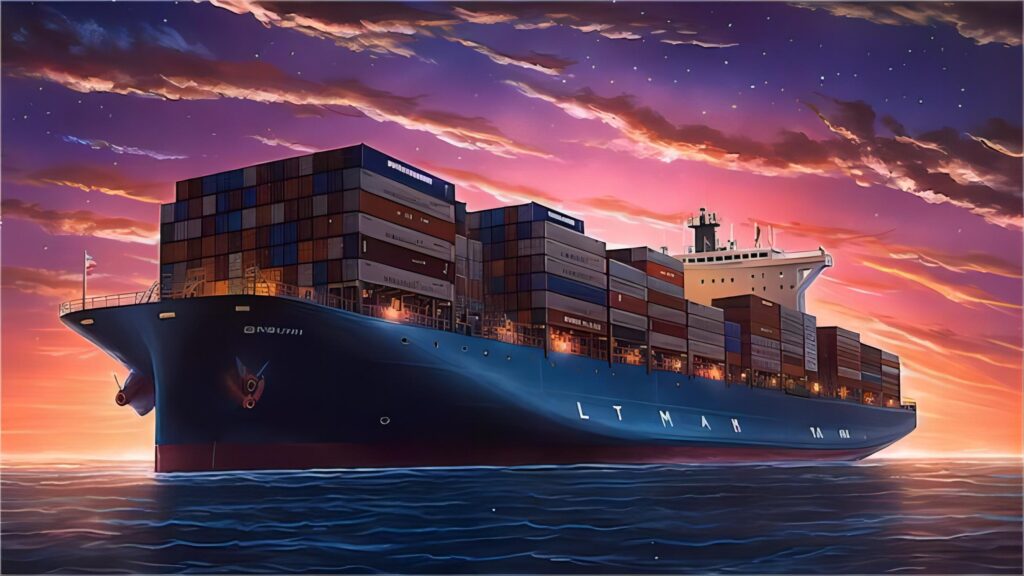
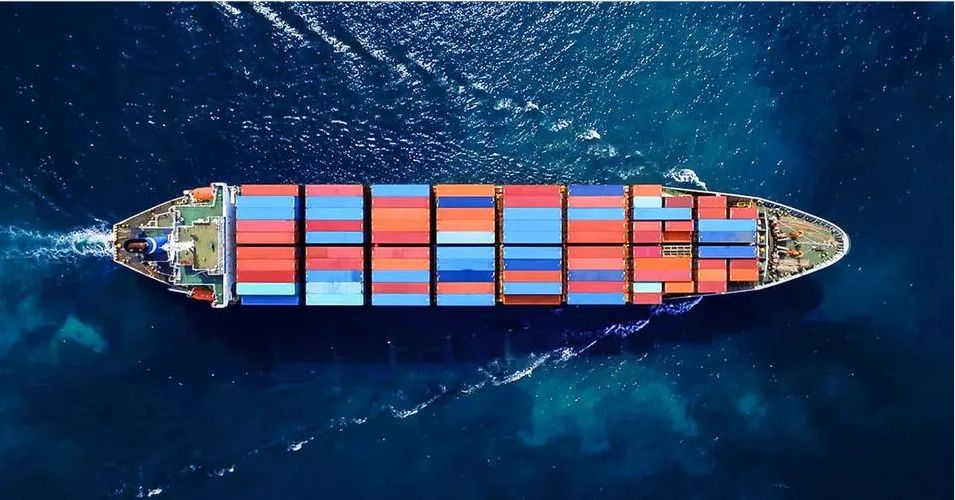
The transportation of goods by cargo ships across oceans, ideal for large volumes and heavy items.

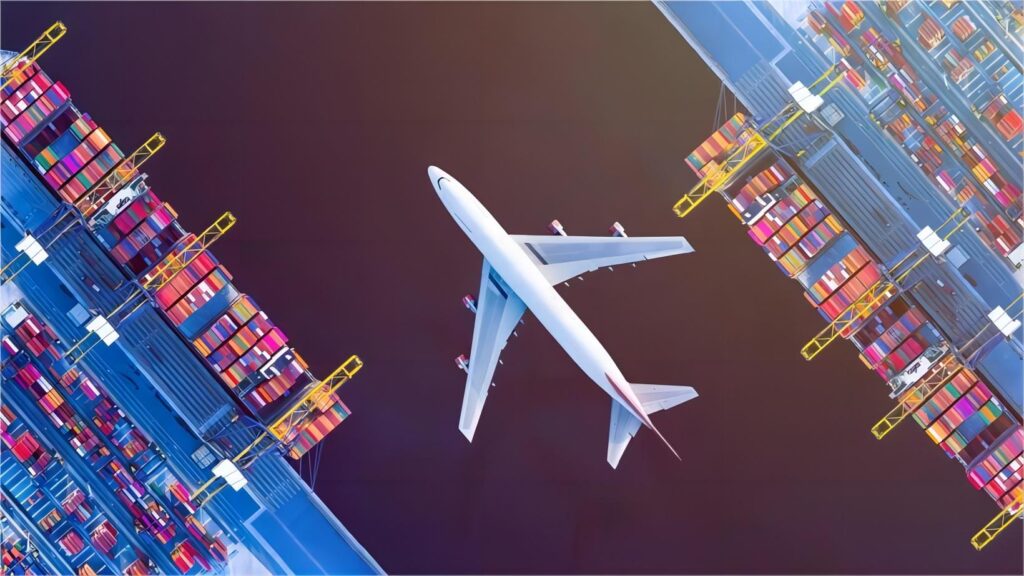
The shipment of goods via airplanes, offering fast delivery times for high-value or time-sensitive cargo.

The movement of goods by trains, providing a cost-effective and reliable option for transporting bulk commodities over land.

The process of shipping goods that are loaded individually rather than in containers, typically used for oversized or irregularly shaped cargo.

Professional importers evaluate:
Ocean freight fluctuation patterns
Peak season congestion in Asian ports
Currency exposure (USD vs local currency)
Tax policy adjustment risk
Regulatory duty changes
In many Asian economies, tariff policy can change mid-year.
Importers often model cost scenarios instead of relying on spot freight rates.
In several Asian markets, customs uses reference pricing databases.
Importers analyze:
Historical valuation rulings
Dispute frequency in their HS code category
Risk of post-clearance audit
Consistency of supplier pricing
The key concern is not initial clearance speed —
it is whether valuation will be challenged retroactively.
Across Asia, sensitive categories typically include:
Electrical and electronic equipment
Food and agricultural goods
Cosmetics and medical items
Chemicals
Telecommunications devices
Importers conduct pre-shipment regulatory mapping to determine:
Whether local conformity certification is required
Whether product testing must be done locally
Whether labeling modifications are mandatory
Failure in this area causes the most expensive delays.
Asia is not uniform:
Southeast Asia relies heavily on maritime shipping
Central Asia depends on rail corridors
South Asia faces port congestion risk
Some countries rely heavily on transshipment hubs
Importers consider:
Inland trucking infrastructure
Border crossing efficiency
Seasonal disruption risk
Container repositioning cost
Mode selection is strategic, not automatic.
Certain Asian markets maintain:
Foreign exchange controls
Central bank import monitoring systems
Letter of credit requirements
Pre-shipment approval systems
Importers evaluate whether:
Bank approval is required before shipment
Payment delays are likely
Currency volatility affects pricing
Financial compliance often matters more than freight timing.
Some Asian customs authorities require extremely detailed invoices:
Technical specifications
Brand names
Model numbers
HS code clarity
Exact country of origin marking
Minor inconsistencies can trigger inspection or valuation review.
Professional importers standardize supplier documentation templates.
Asian trade corridors can be affected by:
Political shifts
Border inspections
Regulatory tightening
Seasonal weather impacts
Public holidays affecting clearance
Experienced importers evaluate buffer time and contingency routing.
In several Asian economies, customs audits occur months after import.
Importers maintain:
Consistent pricing history
Supporting cost breakdown documentation
Product classification justification
The question is not only “Will it clear?”
It is: Can I defend this transaction 6 months later?
Under frameworks like RCEP, some companies evaluate regional distribution strategies.
However, importers must consider:
VAT refund complexity
Re-export documentation
Origin transformation rules
Double taxation risk
Regional consolidation is viable — but only if tax and compliance structures align.
Cargo Insurance provides coverage for goods against loss, damage, or theft during transit, ensuring that the owner receives financial compensation in the event of unforeseen incidents.
Amazon FBA (Fulfillment by Amazon) is a service where sellers store their products in Amazon's warehouses, and Amazon handles the packing, shipping, and customer service.
Customs brokerage is a service that helps importers and exporters clear goods through customs.
Door to door service refers to the transportation of goods directly from the sender's location to the recipient's location, handled entirely by the carrier.
Express service provide fast, time-sensitive delivery of parcels and documents.
I had a great experience with Top China Freight. Their customer support was quick to respond (even during the Christmas and Holiday season) and provided confirmation shortly after I inquired about shipping items to the destination country. The shipment arrived faster than expected and in great condition.
I signed up with Top China Freight years ago ( in the early days I believe) and have been a regular customer with the Germany, UK and US warehouse facilities. I have had many irregular and demanding situations over the years and I can honestly say that Top China Freight has consistently delivered valuable service at a reasonable cost and I am truly grateful. Sometimes they even went out of their way to suggest a better solution for my situation. I rarely leave reviews but have been so impressed over the years of service that I feel compelled to leave this review. Thank you to all the staff at Top China Freight!