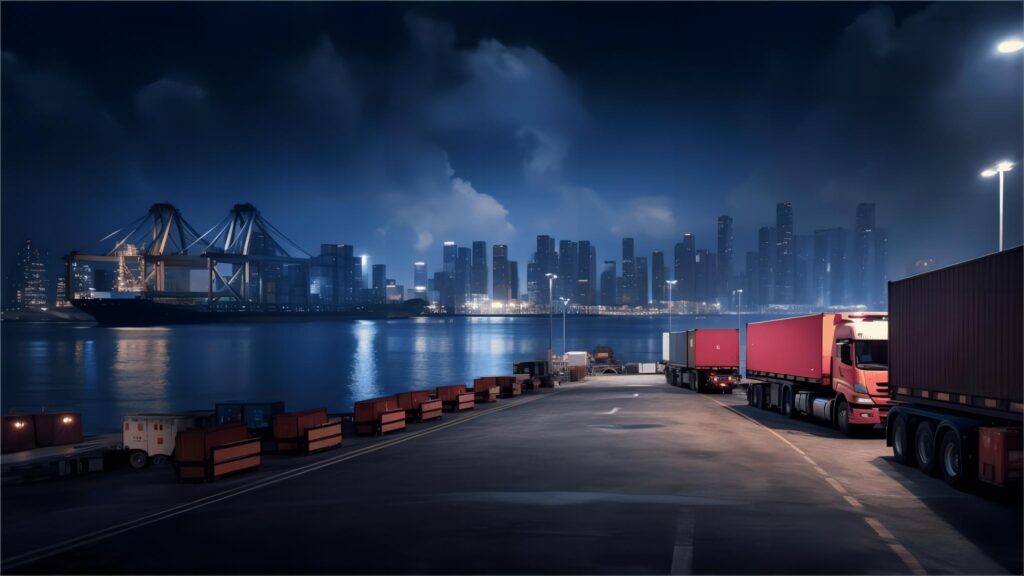
As a freight agent representing Top China Freight, We’ll succinctly outline Venezuela’s freight conditions. Venezuela, as a country in the Americas, possesses moderate economic strength, yet its infrastructure is relatively underdeveloped. Key ports and cities include Caracas, Puerto Cabello, and Maracaibo, situated along the eastern coast of the Americas, adjacent to the Atlantic Ocean. Given Venezuela’s economic and infrastructural circumstances, freight transportation may encounter challenges such as insufficient transport facilities, cumbersome customs procedures, and heightened security risks. However, we are committed to providing professional freight services to ensure the safe and timely delivery of goods. We will collaborate closely with transportation companies and customs authorities in Venezuela to facilitate smooth cargo transportation and clearance. Additionally, tailored transportation plans will be devised based on cargo characteristics and requirements, with comprehensive tracking and support provided throughout the transportation process to ensure cargo safety and reliability. Despite the challenges in Venezuela’s freight conditions, we aim to deliver high-quality freight services with professionalism and extensive experience, facilitating secure and expedited cargo transportation. We look forward to partnering with you to explore Venezuela’s market opportunities and achieve mutual benefits.
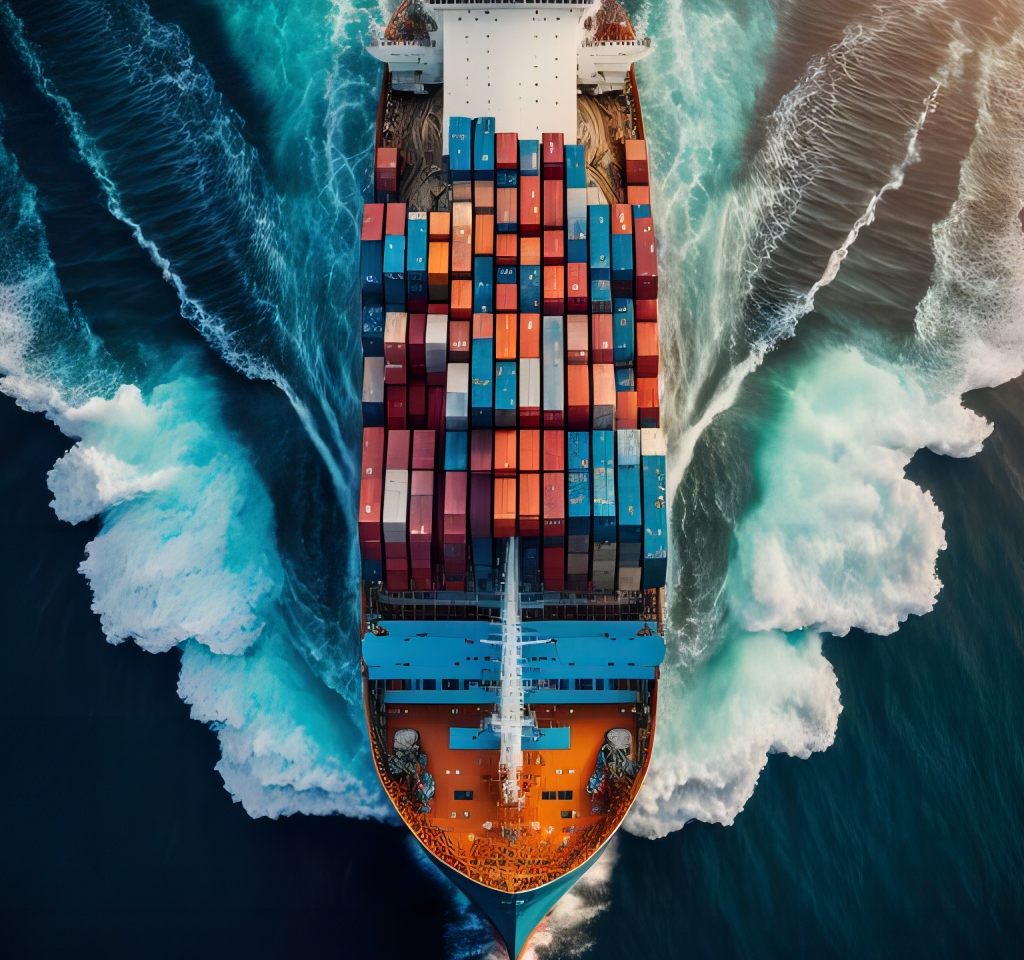
The transportation of goods by cargo ships across oceans, ideal for large volumes and heavy items.
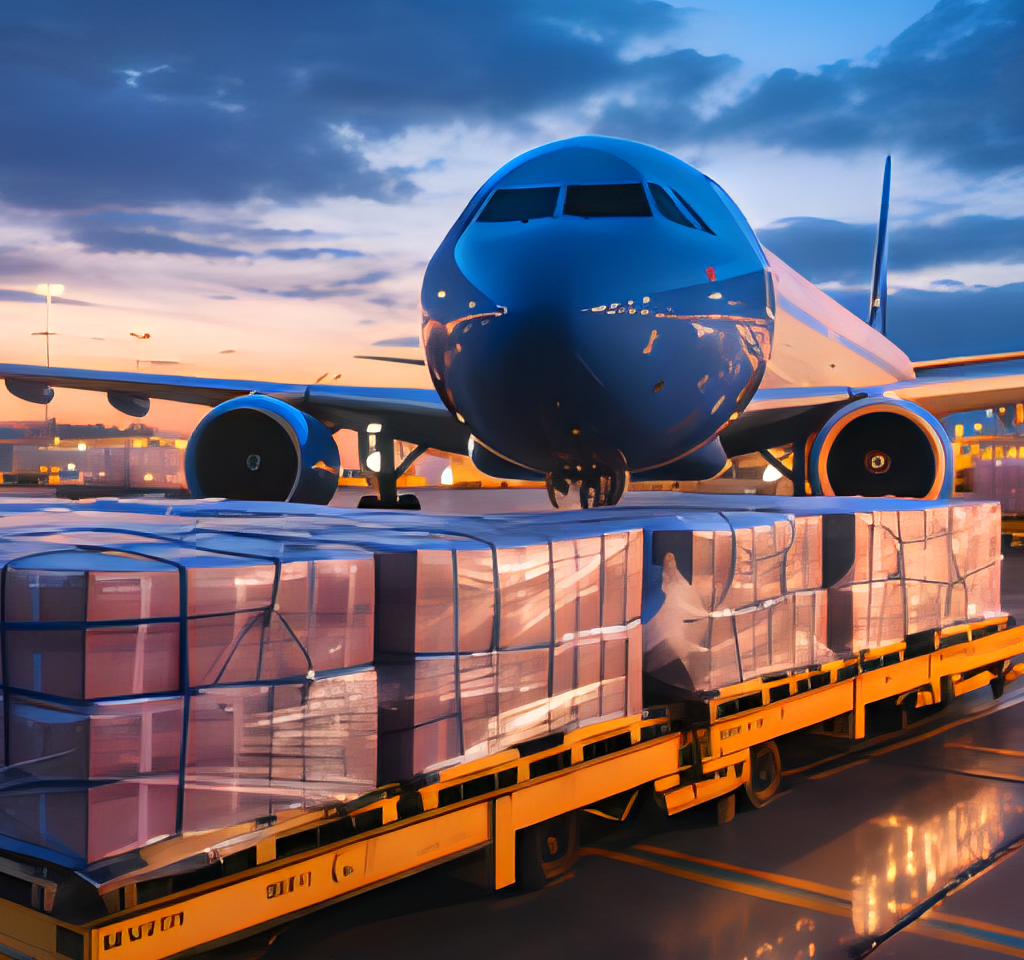
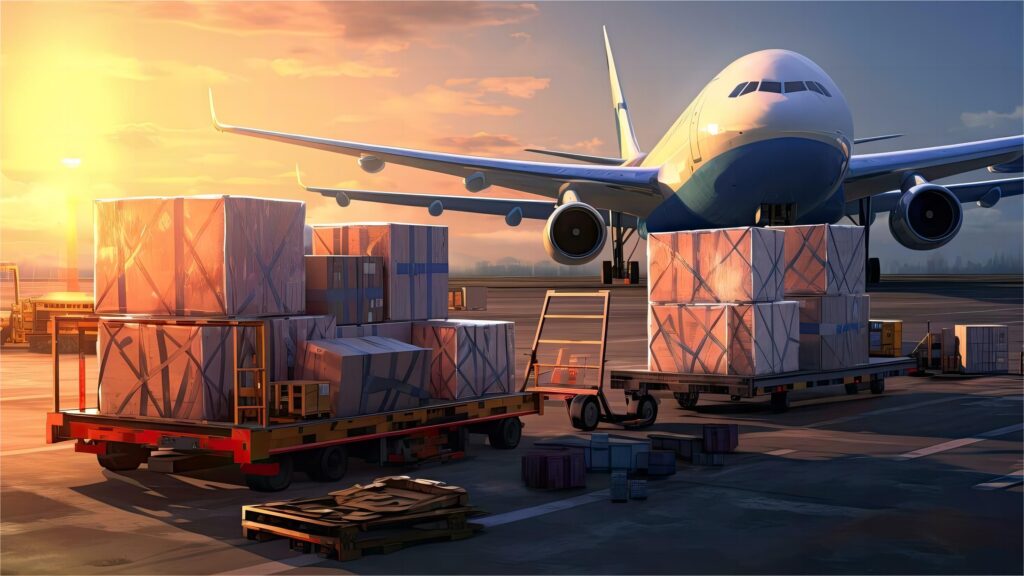
The shipment of goods via airplanes, offering fast delivery times for high-value or time-sensitive cargo.
This comprehensive solution streamlines the shipping process, ensuring efficient and hassle-free delivery.
The process of shipping goods that are loaded individually rather than in containers, typically used for oversized or irregularly shaped cargo.
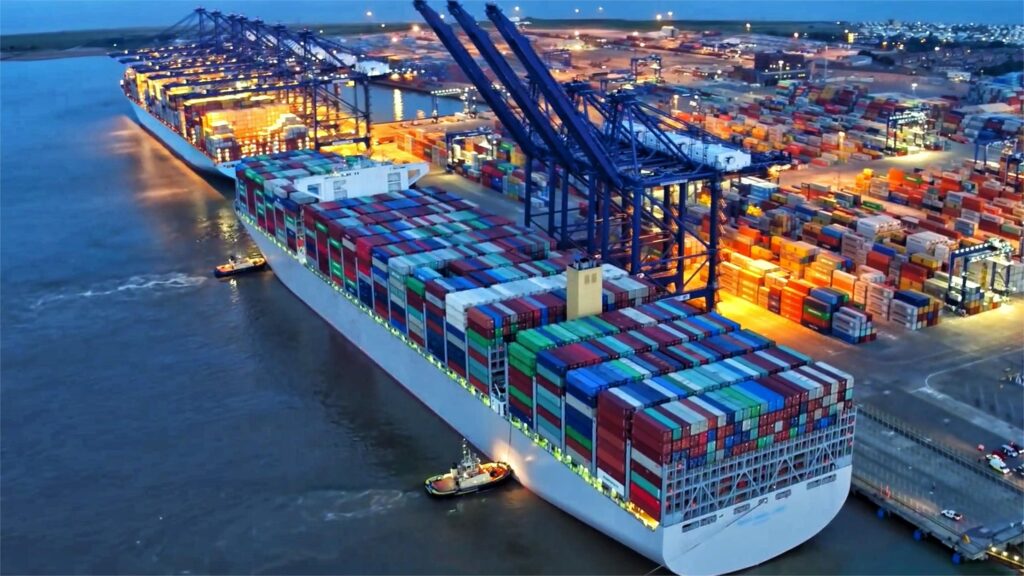
The most commonly used seaports for China imports are:
Puerto Cabello – the largest container gateway
Port of La Guaira – close to Caracas and major consumer markets
These ports handle most ocean freight from China, and choosing between them depends on delivery location, cargo type, and inland transport plans.
Transit times vary by mode and routing:
Sea freight: Typically ~30–55 days from major Chinese ports to Venezuelan ports like Puerto Cabello or La Guaira.
Air freight: Around ~7–12 days to Simón Bolívar International Airport (Maiquetía).
Door-to-door timing can be longer due to transshipment delays, port handling, and custom clearance steps.
Import cost is composed of several elements:
Customs duties: Vary by HS code and product type on the CIF value.
Value Added Tax (VAT): 16% applied on CIF + duty.
Additional fees: Port handling, brokerage, internal transport, insurance.
For example, assuming a $10,000 CIF value with 10% duty:
Duty: $1,000
VAT: ($10,000 + $1,000) × 16% = $1,760
Total taxes ~ $2,760 before other fees.
Effective cost can vary a lot by product.
Importers must prepare and submit:
Commercial invoice
Packing list
Bill of lading or airway bill
Customs entry forms
Certificate of origin (for certain goods)
Import permits when applicable
Clear and consistent documentation speeds up clearance; errors or missing info often cause delays or extra inspections.
Very important.
Venezuelan importers must be registered in the national customs system (e.g., Sidunea) and usually need a licensed broker to complete nationalization steps, pay taxes, and coordinate with authorities.
Without a good broker, shipments may stall at port — even if all documents are technically correct.
Beyond freight and tariffs, Venezuelan importers frequently underestimate:
Port storage / demurrage fees if cargo isn’t cleared quickly
Broker handling and legal fees
Internal transport from port to final destination
Currency exchange volatility and payment processing delays
Inspection costs if authorities request physical checks
These can easily add hundreds to thousands of dollars per container on top of shipping costs.
Yes, physical inspections happen regularly — especially for:
Electronics
Machinery or technical products
High-value consumer goods
Items that require regulatory approvals
An inspection adds handling time and costs, so Peruvian importers often prepare full documentation and product specs well in advance.
Because Venezuelan banks and exchange controls can be complex, importers consider:
Telegraphic transfer (T/T) with confirmed funds
Letters of credit (LC) for larger transactions
Third-country bank mediation when direct transfers are restricted
Importers must confirm payment methods before booking shipments to avoid holds at port.
Yes, but it’s expensive.
Air freight arrives in ~7–12 days and can be useful for:
High-value goods
Spare parts for urgent needs
Small stock replenishment
Sea freight is far more cost-effective for bulk cargo.
FCL (Full Container Load): Ideal for medium to large shipments (>15–20 CBM). It’s generally more cost-efficient per unit and reduces handling risk.
LCL (Less than Container Load): Better for small shipments but often slower and with more handling steps.
Importers who plan regular shipments often move to FCL for consistency and lower unit cost.
Yes — especially for products like:
Pharmaceuticals
Food and beverages
Electronics subject to telecommunications regulation
Automotive parts requiring homologation
If a product category needs regulatory approval, clearance can be delayed until permits are obtained.
Cargo Insurance provides coverage for goods against loss, damage, or theft during transit, ensuring that the owner receives financial compensation in the event of unforeseen incidents.
Amazon FBA (Fulfillment by Amazon) is a service where sellers store their products in Amazon's warehouses, and Amazon handles the packing, shipping, and customer service.
Customs brokerage is a service that helps importers and exporters clear goods through customs.
Door to door service refers to the transportation of goods directly from the sender's location to the recipient's location, handled entirely by the carrier.
Express service provide fast, time-sensitive delivery of parcels and documents.
DDU term means the seller is responsible for delivering the goods to the buyer’s designated destination, but not for paying import duties and other import fees. The buyer is responsible for customs clearance and paying all applicable duties, taxes, and fees.
DDP term means the seller is responsible for delivering the goods to the buyer’s designated destination and for paying all import duties and other import fees. The buyer only needs to receive the goods, without bearing any additional expenses.