
As a freight forwarding company, Top China Freight is dedicated to providing comprehensive international shipping services to our clients. Uruguay, located on the Atlantic coast of South America, is considered a developing country. Its primary city and port, Montevideo Port, serve as the nation’s main hub for cargo transportation. Despite its strategic geographic location and port resources, Uruguay’s economic growth is relatively slow due to its weak infrastructure, with industrial products primarily relying on imports. We offer global logistics services including sea freight, air freight, and multimodal transport, ensuring safe and timely delivery of goods to Uruguay for our clients, playing a crucial role in international trade. Through partnerships with reliable carriers, we deliver flexible and efficient shipping solutions tailored to meet diverse customer needs. If you have any shipping requirements or inquiries, please feel free to contact us at any time.
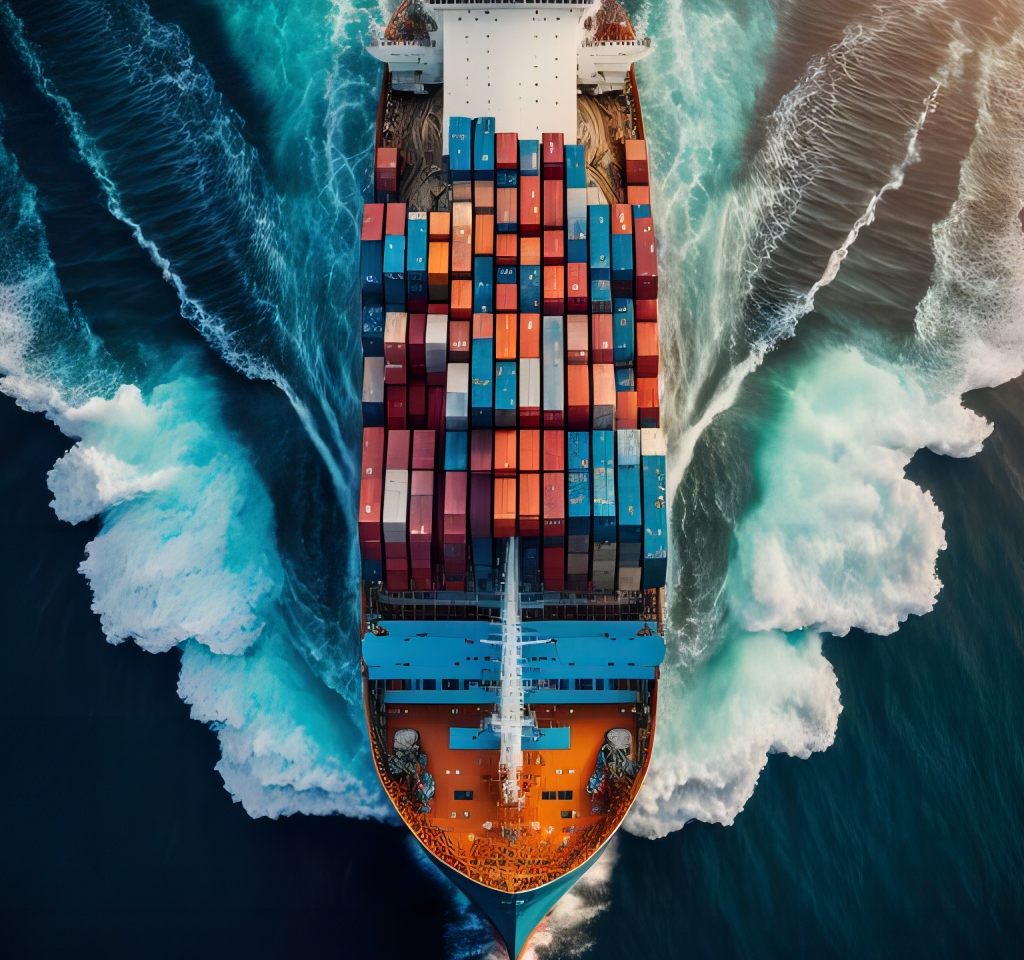
The transportation of goods by cargo ships across oceans, ideal for large volumes and heavy items.
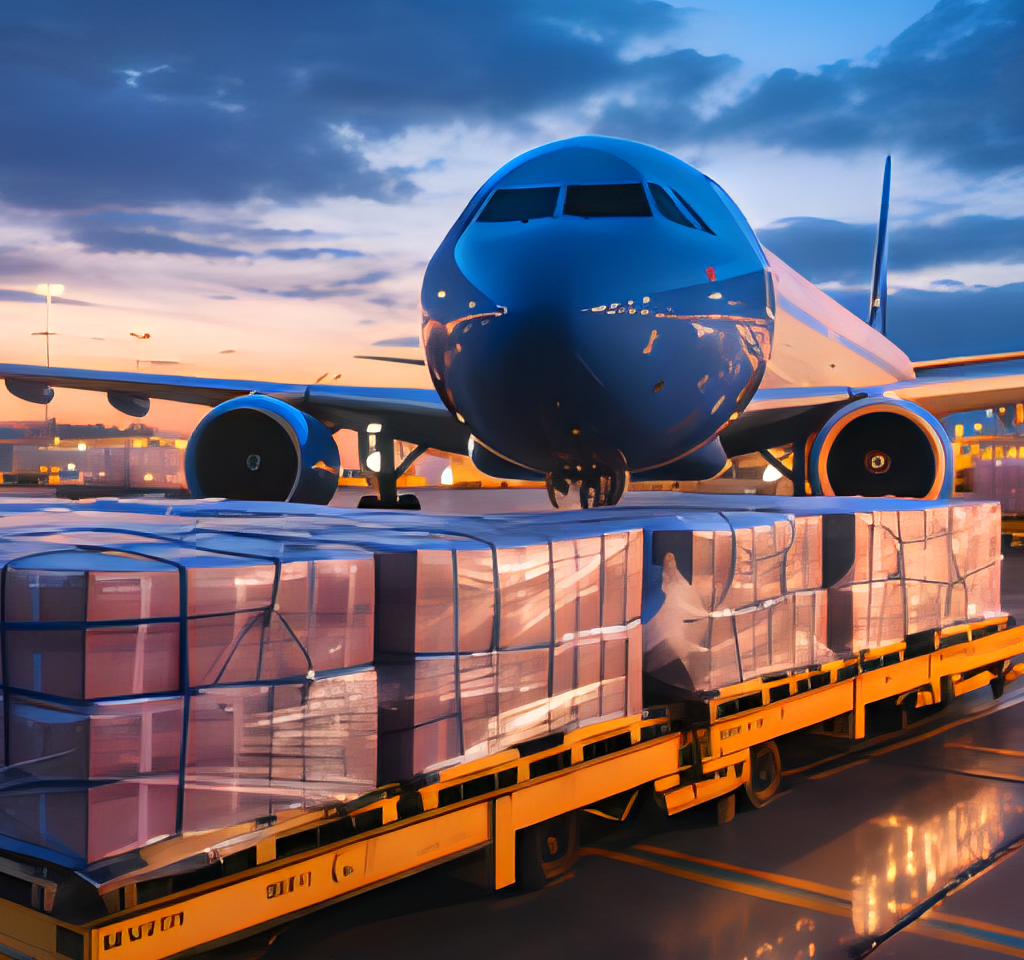
The shipment of goods via airplanes, offering fast delivery times for high-value or time-sensitive cargo.

This comprehensive solution streamlines the shipping process, ensuring efficient and hassle-free delivery.
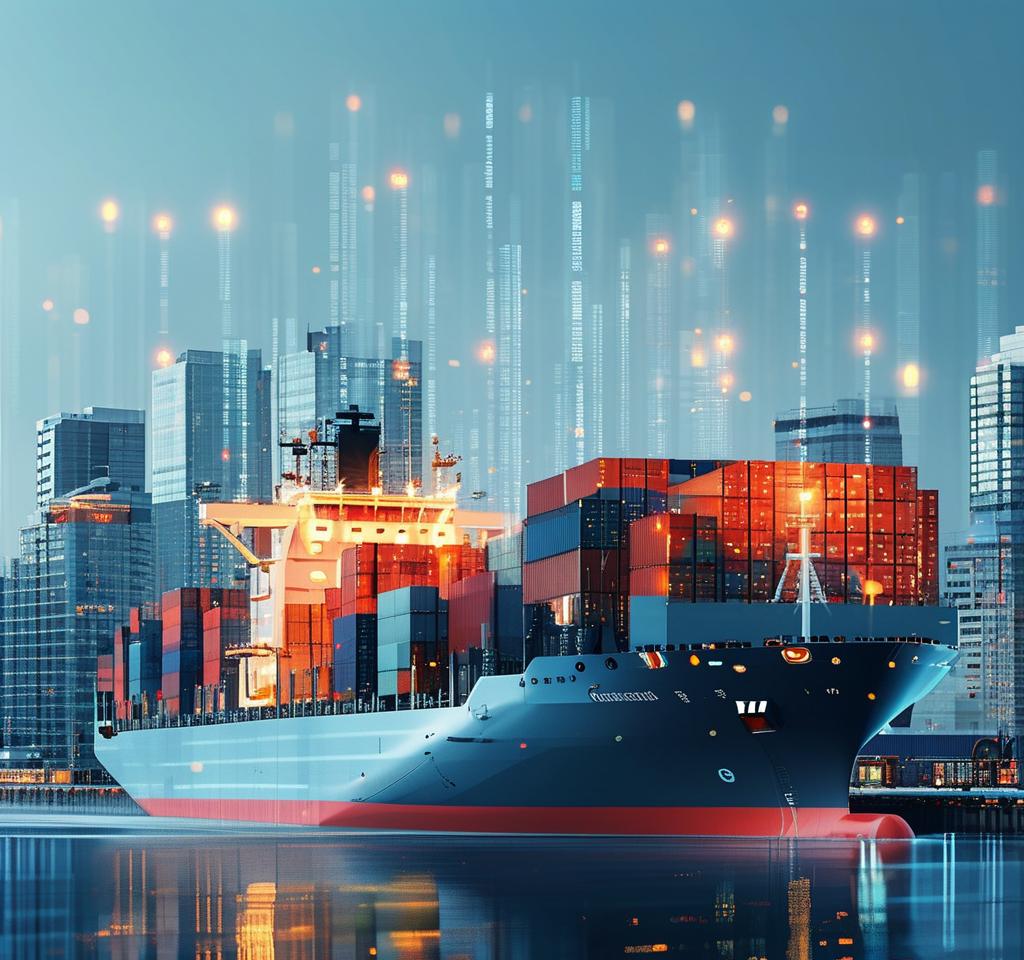
The process of shipping goods that are loaded individually rather than in containers, typically used for oversized or irregularly shaped cargo.
Uruguay is a member of Mercosur, along with Argentina, Brazil, and Paraguay.
However, goods imported from China into Uruguay do not automatically gain free circulation status within MERCOSUR unless they meet origin rules.
Importers often ask this because they hope to:
Use Uruguay as a regional distribution hub
Avoid higher direct-entry barriers in neighboring countries
In practice, Chinese-origin goods entering Uruguay usually remain subject to each destination country's external tariff if re-exported.
Uruguay is generally considered more predictable and administratively stable.
Customs procedures are handled by Dirección Nacional de Aduanas.
Importers appreciate:
Electronic filing systems
Relatively transparent valuation rules
Lower bureaucratic unpredictability
However, documentation accuracy is still essential. Errors can delay clearance even in a stable system.
Most shipments arrive at the Port of Montevideo.
Montevideo is not only Uruguay’s main port but also a transshipment hub for parts of the Southern Cone.
Importers care about:
Vessel frequency from Asia
Transshipment time (often via Brazil or Panama)
Storage and handling efficiency
Transit time from China typically ranges 35–50 days depending on routing.
Uruguay applies:
Common External Tariff (CET) under MERCOSUR
VAT (generally around 22%)
Possible additional fees depending on product category
Importers usually calculate landed cost very carefully because Uruguay’s domestic market is relatively small, so margins must be protected.
Tax planning is part of pricing strategy.
Uruguay operates a risk-based channel system.
If assigned to inspection:
Containers may be opened
Documentation is verified
Clearance time extends
Importers are less concerned about random inspection and more concerned about valuation discrepancies triggering review.
Consistency in invoice value and description reduces risk.
Some importers use Uruguay as a redistribution point due to:
Political stability
Reliable port operations
Free trade zones
Uruguay has several Free Trade Zones that allow goods to be stored, processed, or re-exported with tax advantages.
This is often attractive for companies looking at Southern Cone distribution.
Certain categories (such as steel products or specific manufactured goods) may be monitored.
Before placing bulk orders, importers usually verify whether their product is subject to trade defense measures.
Unexpected anti-dumping duties can eliminate profit margins entirely.
If documentation is correct:
Clearance may be completed within a few days of vessel arrival.
Delays typically occur due to:
Incorrect HS classification
Missing certificates
Valuation questions
Uruguay is relatively efficient, but small administrative mistakes still cause delay.
Uruguayan importers often prefer FOB because:
They can negotiate freight independently
They maintain visibility over cost structure
They control documentation flow
However, smaller importers sometimes accept CIF for simplicity.
The choice usually depends on scale and internal logistics capability.
Freight cost per container may be slightly higher due to lower volume compared to Brazil.
However:
Port efficiency
Predictability
Lower systemic delays
Often offset the cost difference.
Importers evaluate total landed cost, not just ocean freight rate.
Uruguay is considered one of the more stable regulatory environments in South America.
Importers value:
Consistent policy
Lower sudden regulatory shifts
Predictable customs enforcement
Compared to larger regional markets, volatility risk is lower.
The biggest challenge is market size.
Uruguay has:
A small population
Limited consumption scale
High sensitivity to pricing
Importers must carefully balance order volume and sales capacity.
Over-importing creates capital pressure in a relatively small domestic market.
Cargo Insurance provides coverage for goods against loss, damage, or theft during transit, ensuring that the owner receives financial compensation in the event of unforeseen incidents.
Amazon FBA (Fulfillment by Amazon) is a service where sellers store their products in Amazon's warehouses, and Amazon handles the packing, shipping, and customer service.
Customs brokerage is a service that helps importers and exporters clear goods through customs.
Door to door service refers to the transportation of goods directly from the sender's location to the recipient's location, handled entirely by the carrier.
Express service provide fast, time-sensitive delivery of parcels and documents.
DDU term means the seller is responsible for delivering the goods to the buyer’s designated destination, but not for paying import duties and other import fees. The buyer is responsible for customs clearance and paying all applicable duties, taxes, and fees.
DDP term means the seller is responsible for delivering the goods to the buyer’s designated destination and for paying all import duties and other import fees. The buyer only needs to receive the goods, without bearing any additional expenses.