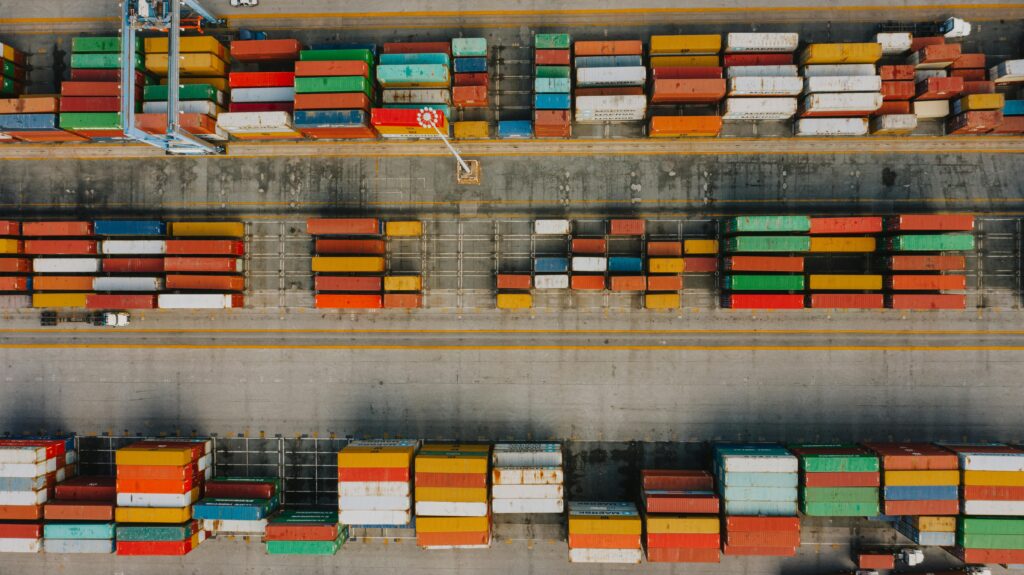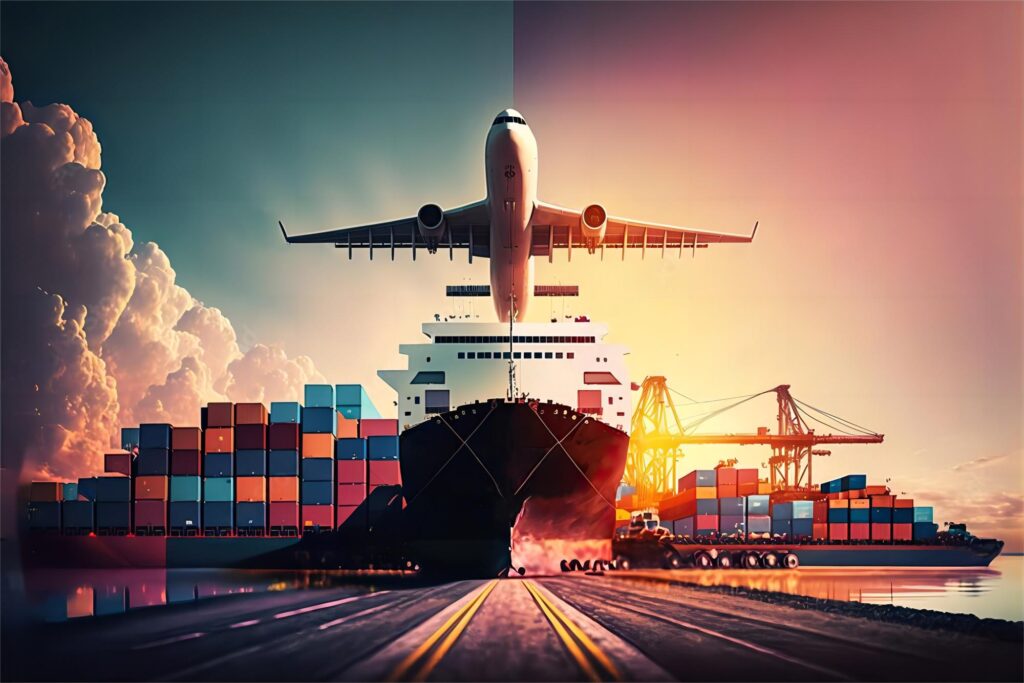
As a freight agent representing Top China Freight, I am pleased to introduce the freight conditions in Mexico. This North American country, while possessing moderate economic strength, boasts well-established facilities and a developed logistics network. Major ports and cities, such as Mexico City, Manzanillo Port, and Lázaro Cárdenas Port, serve as crucial trade hubs, providing convenient channels for imports and exports.
Mexico’s strategic location spans two oceans and features an extensive coastline, making it a pivotal logistics hub that connects North America with other regions. The country offers diverse and flexible transportation options, whether by sea, air, or land. When you collaborate with us in Mexico, we deliver professional freight solutions, customs clearance services, and comprehensive tracking to ensure the safe and prompt delivery of goods.
In summary, Mexico stands out as a significant North American nation that provides favorable conditions for international freight through its developed logistics network and supportive trade environment. We look forward to partnering with you to deliver high-quality freight services and achieve mutually beneficial cooperation.
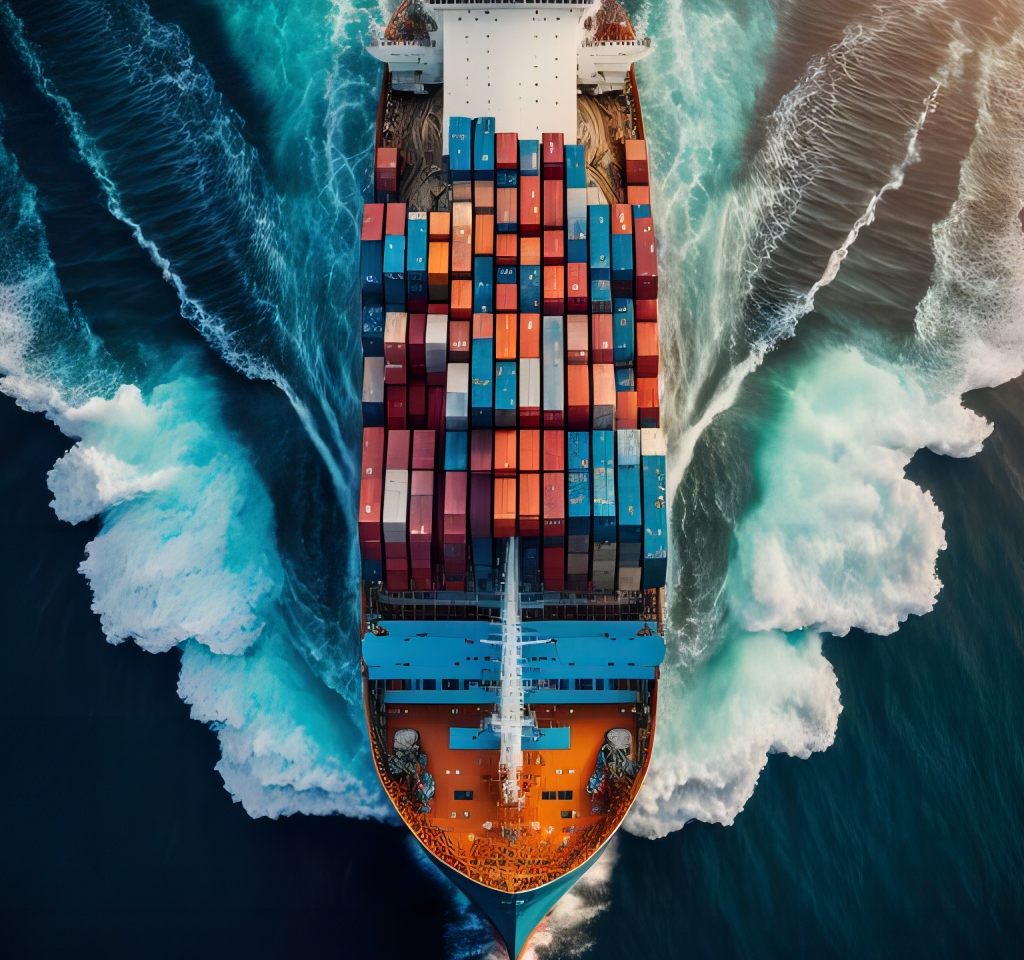
The transportation of goods by cargo ships across oceans, ideal for large volumes and heavy items.
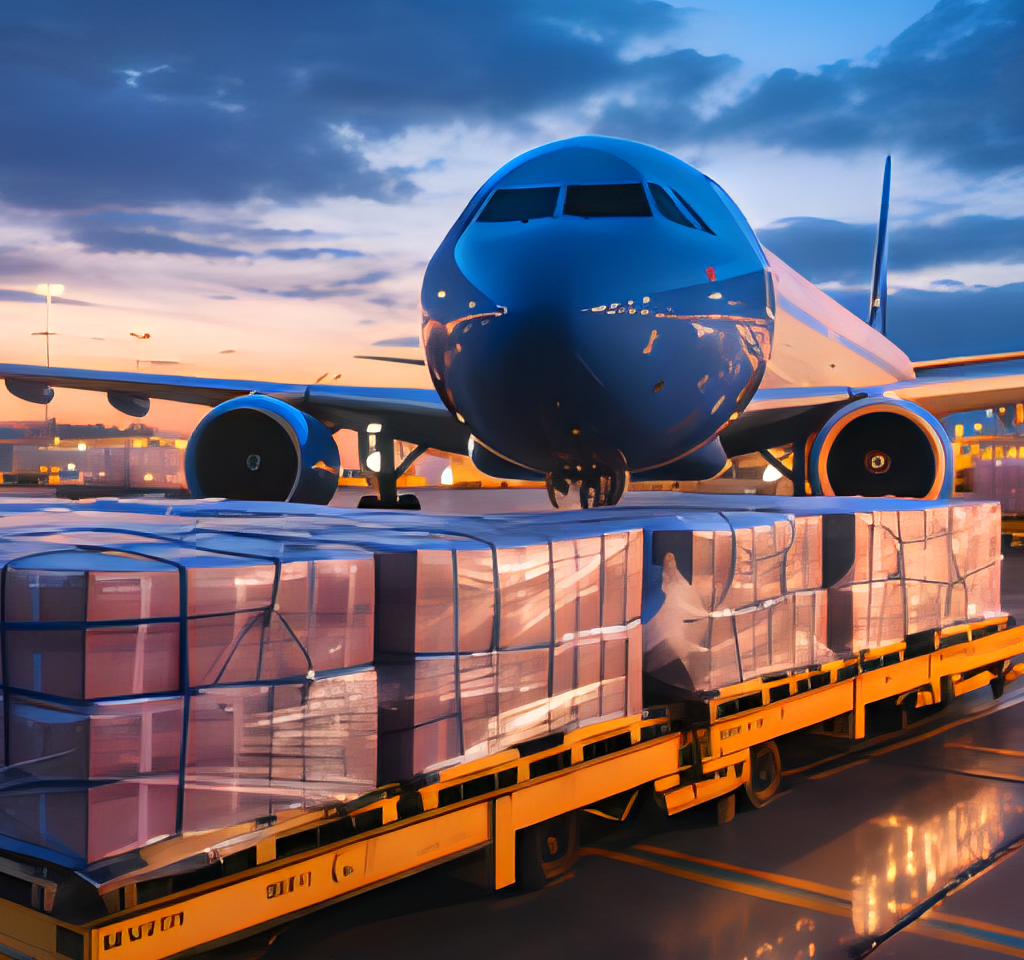
The shipment of goods via airplanes, offering fast delivery times for high-value or time-sensitive cargo.
This comprehensive solution streamlines the shipping process, ensuring efficient and hassle-free delivery.

The process of shipping goods that are loaded individually rather than in containers, typically used for oversized or irregularly shaped cargo.
Because in Mexico, customs control is not only about paperwork — it’s about validation.
Even if documents are complete, clearance can stop due to:
Incorrect or overly broad product descriptions
Mismatch between invoice and pedimento data
Suspicious unit pricing
Inactive or restricted importer registry (Padrón)
Sector-specific compliance requirements
Mexico runs a highly systemized customs platform. If data doesn’t match exactly, the system flags it.
This is why pre-shipment document review with your broker is critical.
Mexico applies anti-dumping measures on certain Chinese-origin products, especially in:
Steel
Textiles
Footwear
Certain chemicals
If your product falls under an active anti-dumping resolution, duties can multiply dramatically — sometimes exceeding the normal tariff rate by several times.
Many new importers only calculate standard duty and VAT — and forget to check trade defense exposure.
That mistake can eliminate your entire profit margin.
In Mexico, you cannot clear goods without being properly registered in the official importer registry.
If your Padrón is:
Suspended
Under review
Incorrectly registered for the product sector
Customs will block clearance.
Some product categories require additional sector-specific registration.
Many first-time importers underestimate how critical registry status is until their container is already at port.
Most Asian imports arrive at the Port of Manzanillo, Mexico’s busiest Pacific gateway.
Another major Pacific option is the Port of Lázaro Cárdenas.
Port choice depends on:
Final inland destination
Rail availability
Congestion level
Customs broker presence
Trucking cost
For central Mexico (Mexico City, Querétaro, Guadalajara), Pacific routing is often preferred.
Because vague descriptions increase audit risk.
For example, writing “electronic parts” is not acceptable.
Customs expects:
Specific product name
Material composition
Function
Model number (when applicable)
The more precise the description, the lower the probability of inspection or reclassification.
It may be attempted — but Mexico actively monitors declared values.
Customs uses reference pricing databases and risk profiles.
If your declared value is significantly below expected range, customs may:
Reject transaction value
Apply adjusted valuation
Impose fines
Trigger audit procedures
Mexico is not a forgiving market for undervaluation strategies.
Mexican importers must be ready to pay:
Import duties
VAT (IVA)
Customs broker fees
Port handling charges
Inland transport
Taxes are calculated on customs value and must usually be paid before release.
Cash flow planning is essential. Many delays are financial, not logistical.
Mexico operates a risk-based clearance system.
Factors that increase inspection probability include:
New importer status
High-risk product categories
Inconsistent valuation
Previous compliance issues
Inspection adds:
Time
Handling fees
Possible laboratory testing
Consistent compliance reduces future inspection frequency.
Experienced Mexican importers often prefer FOB because:
They negotiate freight directly
They separate freight cost from product value
They avoid inflated CIF values affecting tax calculation
However, smaller companies sometimes choose CIF for operational simplicity.
The decision depends on experience level and financial control preference.
Mexico is geographically large.
If your goods arrive at Manzanillo but must reach Monterrey or northern Mexico, inland rail or trucking becomes a major cost component.
Distance, fuel price, security concerns, and toll roads all influence inland cost.
For some destinations, inland transport can equal or exceed ocean freight.
Common errors include:
Ignoring anti-dumping exposure
Not verifying Padrón status
Using generic invoice descriptions
Underestimating total landed cost
Failing to coordinate broker review before shipment
Mexico rewards preparation and penalizes shortcuts.
Not unstable — but compliance-intensive.
Mexico has:
Strong customs enforcement
Developed port infrastructure
Significant industrial demand
It is a market where structured documentation and proper tax planning determine profitability.
If managed correctly, China–Mexico trade is scalable and commercially strong.
If handled casually, it becomes expensive very quickly.
Cargo Insurance provides coverage for goods against loss, damage, or theft during transit, ensuring that the owner receives financial compensation in the event of unforeseen incidents.
Amazon FBA (Fulfillment by Amazon) is a service where sellers store their products in Amazon's warehouses, and Amazon handles the packing, shipping, and customer service.
Customs brokerage is a service that helps importers and exporters clear goods through customs.
Door to door service refers to the transportation of goods directly from the sender's location to the recipient's location, handled entirely by the carrier.
Express service provide fast, time-sensitive delivery of parcels and documents.
DDU term means the seller is responsible for delivering the goods to the buyer’s designated destination, but not for paying import duties and other import fees. The buyer is responsible for customs clearance and paying all applicable duties, taxes, and fees.
DDP term means the seller is responsible for delivering the goods to the buyer’s designated destination and for paying all import duties and other import fees. The buyer only needs to receive the goods, without bearing any additional expenses.
I had a great experience with Top China Freight. Their customer support was quick to respond (even during the Christmas and Holiday season) and provided confirmation shortly after I inquired about shipping items to the destination country. The shipment arrived faster than expected and in great condition.