
As a freight forwarding agent, Top China Freight fully understands the shipping conditions in Zambia and is well-equipped to handle its complexities. Zambia, located in southern Africa, is a landlocked country without direct access to a seaport. Sea freight must be transshipped through ports such as Dar es Salaam in Tanzania, Durban in South Africa, or Beira in Mozambique. Inland transportation relies on the TAZARA railway and major highways, but the infrastructure is underdeveloped, leading to high logistics costs and low transportation efficiency. Key shipping destinations include Lusaka, Ndola, Kitwe, and Livingstone. Challenges in freight transportation arise from poor infrastructure, high logistics costs, and complex customs regulations. We advise clients to plan their shipping schedules in advance, choose reliable logistics service providers, and stay updated on relevant policy changes. Top China Freight is dedicated to providing efficient and professional logistics services, ensuring that goods are delivered safely and on time.
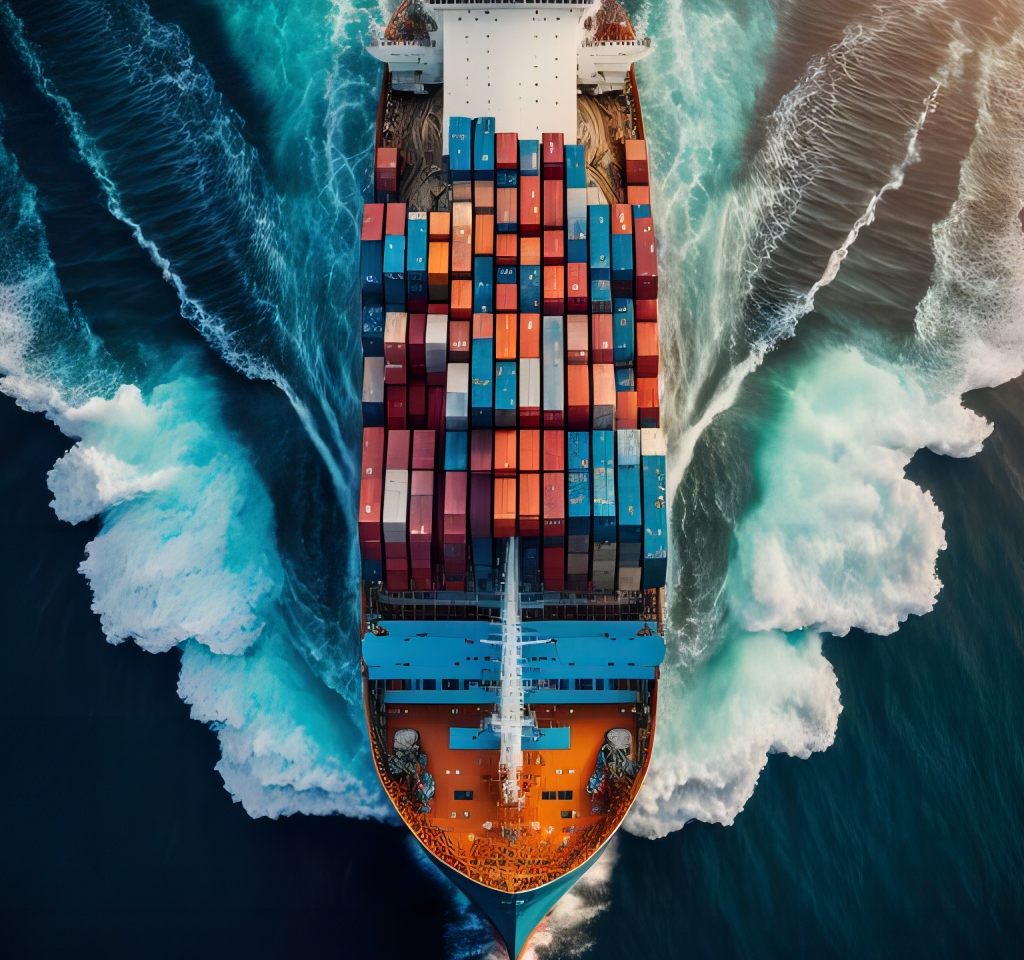
The transportation of goods by cargo ships across oceans, ideal for large volumes and heavy items.
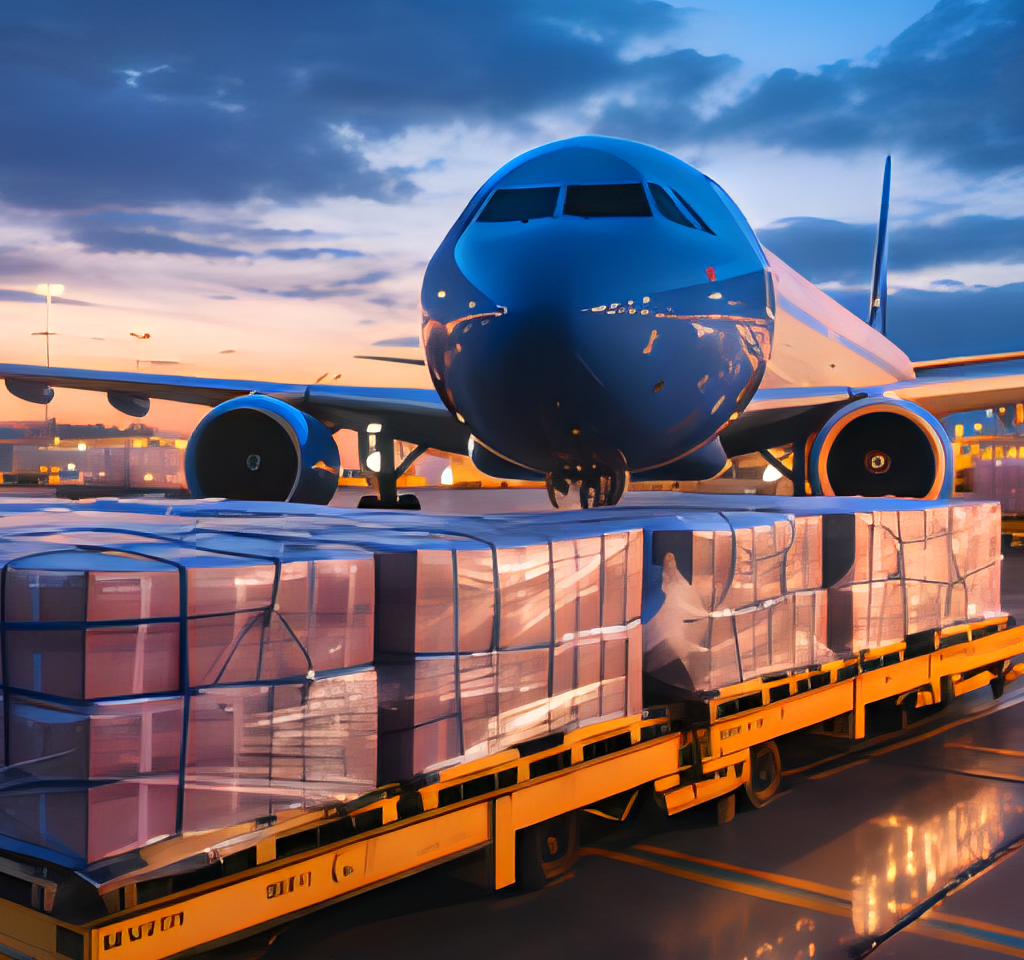
The shipment of goods via airplanes, offering fast delivery times for high-value or time-sensitive cargo.
This comprehensive solution streamlines the shipping process, ensuring efficient and hassle-free delivery.

The process of shipping goods that are loaded individually rather than in containers, typically used for oversized or irregularly shaped cargo.
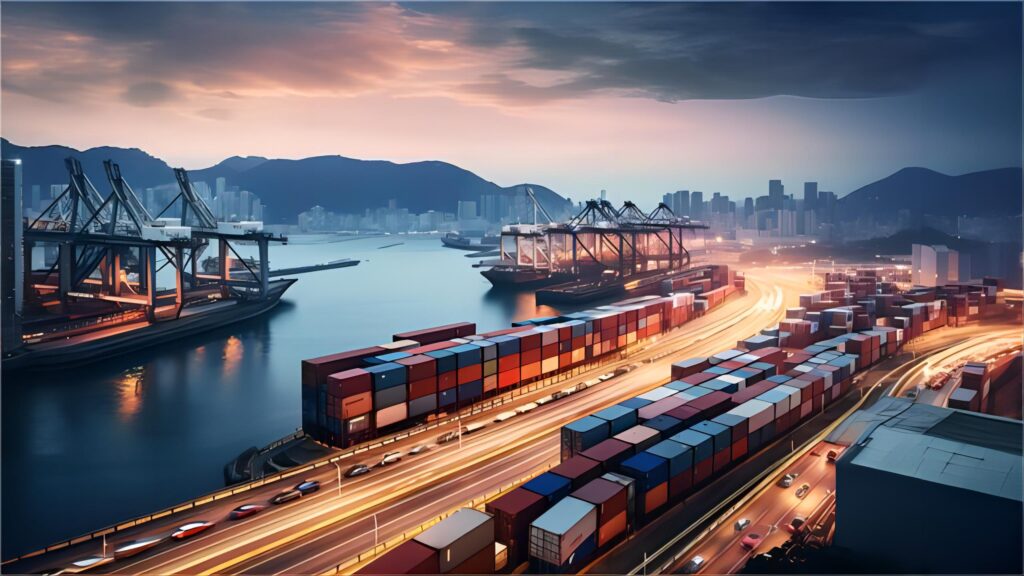
Zambia is a landlocked country, so all ocean freight must first arrive at a neighboring country’s seaport before continuing inland by road or rail.
The most common entry gateway is the Port of Dar es Salaam in Tanzania. From there, containers are transported by truck or railway into Zambia.
Another frequently used option is the Port of Durban in South Africa, especially for southern Zambia deliveries.
This means shipments involve two main stages:
Ocean freight from China to the seaport
Inland cross-border transport into Zambia
Because of this structure, planning inland coordination is just as important as booking the sea freight.
The best routing depends on the final delivery location inside Zambia, cargo type, and cost priorities.
For cargo destined for northern regions or the Copperbelt mining area, Dar es Salaam is geographically closer and often more economical.
For southern Zambia or time-sensitive industrial cargo, Durban can offer stronger infrastructure and sometimes more stable port operations, although the inland distance is longer.
The decision is usually based on balancing:
Inland trucking distance
Port congestion levels
Border crossing efficiency
Total landed cost
There is no single “best” route — the optimal option depends on shipment specifics.
The additional inland transport stage significantly increases total logistics cost.
Beyond the ocean freight, importers must consider:
Cross-border trucking charges
Transit documentation fees
Border clearance handling
Possible inland container depot charges
Longer container usage periods
In many cases, inland transport can represent a substantial percentage of the total freight cost. Proper route planning can help manage these expenses.
Zambian customs requires accurate and consistent documentation. The most important documents typically include:
Commercial invoice with realistic cargo value
Detailed packing list
Bill of lading
Certificate of origin (if required)
Import permits for regulated goods
Any discrepancies in product description, quantity, or declared value may lead to reassessment or inspection. Because Zambia also reviews valuation carefully, under-declaration may cause customs adjustments.
Consistency across all documents is essential.
Transit time consists of multiple segments:
Ocean freight from China to East or Southern Africa
Port discharge and container release
Inland trucking or rail transport
Border clearance
Final delivery within Zambia
In many cases, inland transport and border processing create more variability than the ocean journey itself.
Therefore, shipment planning should include buffer time for:
Port congestion
Truck availability
Border inspection queues
For project cargo or urgent goods, advance inland booking is strongly recommended.
Cross-border logistics in Southern Africa involve operational variables that exporters should understand.
Common risk factors include:
Delays at border posts due to documentation checks
Seasonal road conditions during rainy periods
Fuel supply disruptions
Truck availability fluctuations
Transit permit processing time
Choosing experienced regional transport operators greatly reduces these risks.
For Zambia shipments, FCL is often more efficient when cargo volume allows.
LCL shipments may require cargo consolidation at the seaport, container stripping, and reloading onto trucks. This adds handling steps and increases the chance of delay or cargo damage.
FCL shipments allow the container to remain sealed from China until final delivery, which improves security and simplifies inland transit documentation.
For higher-value goods or project cargo, FCL is generally recommended.
Zambia’s economy is closely tied to mining, construction, and infrastructure development.
Common import categories include:
Mining machinery and spare parts
Construction materials
Steel products
Solar energy equipment
Electrical components
Consumer wholesale goods
Many shipments are industrial in nature and require coordinated delivery to mining towns such as Ndola and Kitwe, located in the Copperbelt region.
Foreign exchange availability and banking processing in Zambia can sometimes extend payment timelines.
To reduce financial risk, exporters often:
Confirm payment receipt before vessel departure
Align shipping schedule with bank approval timeline
Maintain clear communication with the importer’s clearing agent
Coordinating financial and logistics timelines helps prevent cargo arriving before payment authorization is completed.
New exporters often underestimate the complexity of inland coordination.
Frequent mistakes include:
Quoting only ocean freight without inland cost
Ignoring border documentation requirements
Underestimating transit time
Failing to verify import licensing requirements
Because Zambia is landlocked, the “final mile” represents a significant operational phase rather than a simple delivery step.
Delivery cost varies significantly depending on destination city.
Cargo delivered to Lusaka typically has different inland rates compared to deliveries into the Copperbelt mining region. Locations further from the transit port increase:
Trucking distance
Fuel cost
Container detention risk
Transit time
Accurate quotations require knowing the exact final city, not just “Zambia” as a destination.
The most critical factor is coordination across all stages — ocean freight, transit port handling, border clearance, and inland delivery.
Successful shipments depend less on fast sea freight and more on:
Accurate documentation
Experienced regional transport partners
Proper route selection
Clear communication between exporter, importer, and broker
In landlocked trade lanes like Zambia, logistics planning is a chain — and every link must function properly.
Cargo Insurance provides coverage for goods against loss, damage, or theft during transit, ensuring that the owner receives financial compensation in the event of unforeseen incidents.
Amazon FBA (Fulfillment by Amazon) is a service where sellers store their products in Amazon's warehouses, and Amazon handles the packing, shipping, and customer service.
Customs brokerage is a service that helps importers and exporters clear goods through customs.
Door to door service refers to the transportation of goods directly from the sender's location to the recipient's location, handled entirely by the carrier.
Express service provide fast, time-sensitive delivery of parcels and documents.
DDU term means the seller is responsible for delivering the goods to the buyer’s designated destination, but not for paying import duties and other import fees. The buyer is responsible for customs clearance and paying all applicable duties, taxes, and fees.
DDP term means the seller is responsible for delivering the goods to the buyer’s designated destination and for paying all import duties and other import fees. The buyer only needs to receive the goods, without bearing any additional expenses.