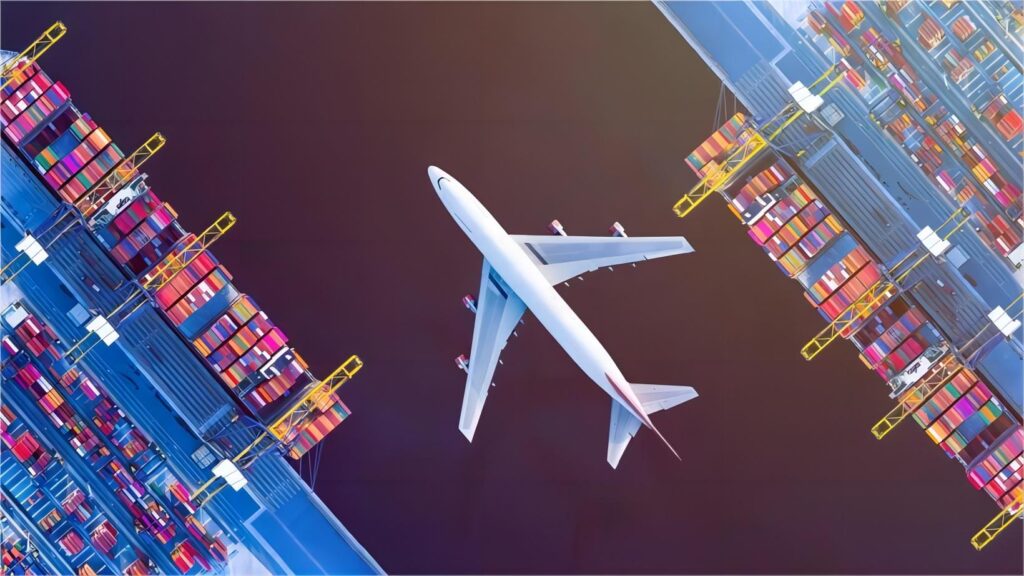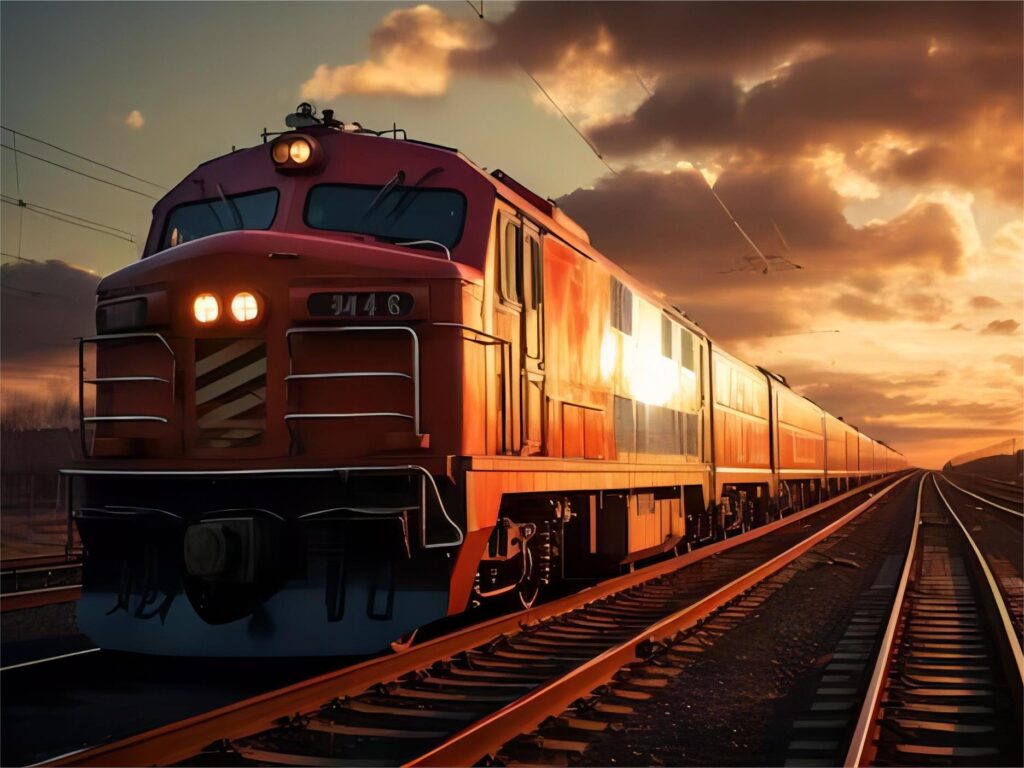
As a freight agent for Top China Freight, we leverage our extensive knowledge of Kenya’s shipping landscape to provide efficient and reliable logistics services. Located in East Africa, Kenya holds the title of the region’s largest economy, benefiting from relatively well-developed infrastructure. This strategic advantage positions it as a key logistics hub in East Africa.
Mombasa Port is the busiest port in the region, while Nairobi serves as the commercial and logistical center. Kenya’s modern port facilities and the newly constructed Standard Gauge Railway (SGR) have significantly improved transportation efficiency. However, challenges like port congestion, security concerns, and complex regulatory and customs procedures still exist.
To navigate these challenges, we advise clients to plan their shipments well in advance. Selecting reputable logistics service providers and becoming familiar with Kenya’s import regulations and customs requirements are essential steps to ensure smooth operations. Top China Freight is committed to delivering professional and efficient services, ensuring the safe and timely transport of goods to Kenya. Through proactive planning and expert handling, we guarantee secure and seamless logistics solutions tailored to your needs.
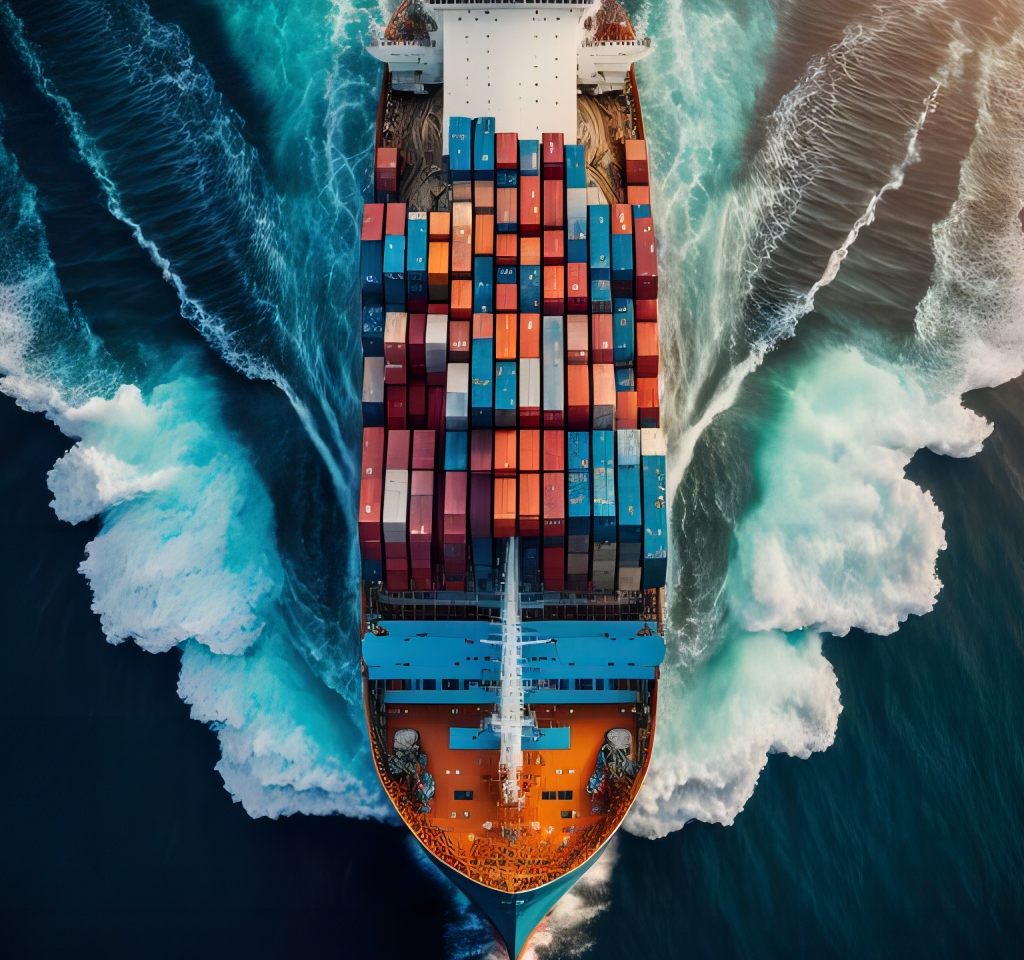
The transportation of goods by cargo ships across oceans, ideal for large volumes and heavy items.
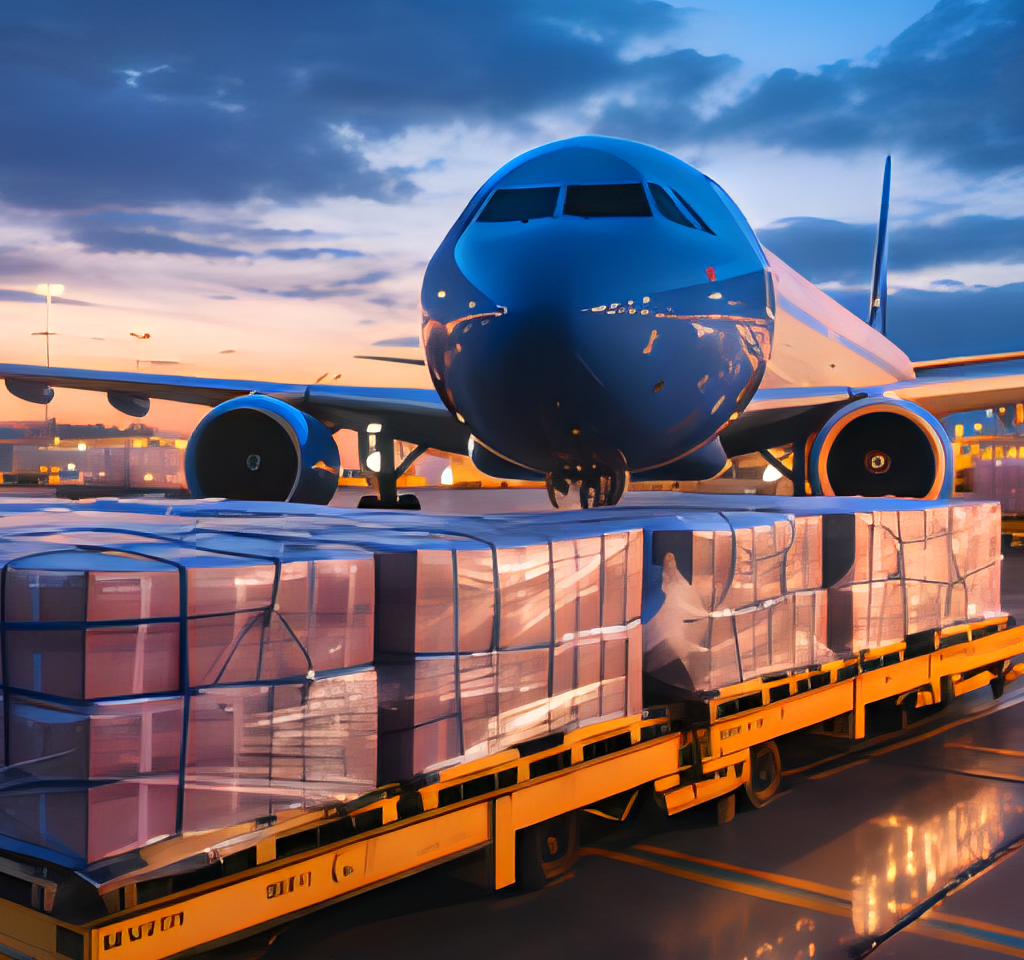
The shipment of goods via airplanes, offering fast delivery times for high-value or time-sensitive cargo.
This comprehensive solution streamlines the shipping process, ensuring efficient and hassle-free delivery.
The process of shipping goods that are loaded individually rather than in containers, typically used for oversized or irregularly shaped cargo.
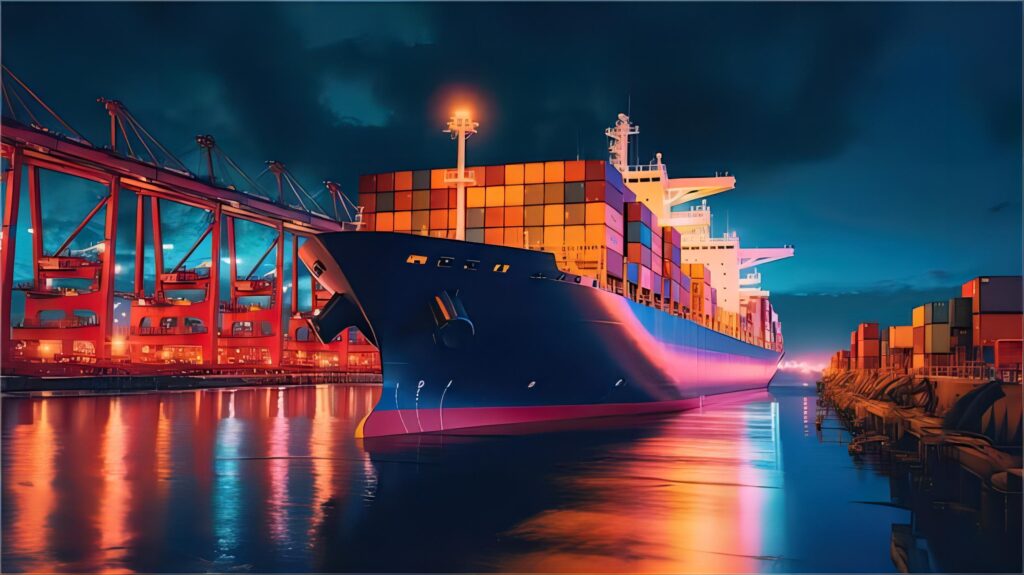
The majority of sea freight shipments arrive at Port of Mombasa, East Africa’s largest container gateway. It manages FCL, LCL, bulk cargo, and project shipments from major Chinese ports.
Transit time typically ranges between 20–35 days depending on the departure port (Shanghai, Ningbo, Shenzhen) and whether the vessel sails direct or via transshipment hubs such as Singapore or Colombo.
Yes. The Standard Gauge Railway (SGR) connects Mombasa Port to Nairobi Inland Container Depot (ICD). Rail freight reduces highway congestion and improves container movement speed compared to long-distance trucking.
Sea freight to Mombasa (20–35 days) + customs clearance (3–7 days) + inland rail or truck delivery (1–3 days). Total estimated time: 25–45 days depending on documentation accuracy and port conditions.
FCL (Full Container Load): Ideal for large-volume commercial cargo
LCL (Less than Container Load): Suitable for smaller shipments
Air freight: Fast delivery via Jomo Kenyatta International Airport
Door-to-door service: Integrated pickup, export clearance, ocean freight, import clearance, and final delivery
Kenyan customs requires pre-arrival documentation submission. Duties are assessed based on CIF value. Inspection may occur at Mombasa Port or Nairobi ICD. Using an experienced clearing agent helps avoid demurrage and storage charges.
Key documents include:
Commercial invoice
Packing list
Bill of lading or airway bill
Certificate of origin
Import Declaration Form (IDF)
Product conformity certificate (for regulated goods)
Typical cargo includes electronics, furniture, construction materials, machinery, textiles, automotive parts, and household products. Many businesses import containerized goods for wholesale distribution within East Africa.
Yes. Mombasa serves as a regional logistics hub. Cargo can transit to Uganda, Rwanda, South Sudan, and parts of the Democratic Republic of Congo via bonded trucking corridors.
Port congestion during peak season
Container detention charges if clearance is delayed
Regulatory inspections for certain product categories
Seasonal rate increases before Chinese New Year
Early booking and document accuracy significantly reduce these risks.
Sea freight is charged per container (FCL) or per cubic meter (LCL). Additional costs include port handling charges, customs duties, VAT, railway fees (if using SGR), inland trucking, and documentation fees.
Yes. Since shipments involve ocean transport plus inland rail or truck delivery, insurance protects against handling damage, theft, weather exposure, and unexpected transit disruptions.
Cargo Insurance provides coverage for goods against loss, damage, or theft during transit, ensuring that the owner receives financial compensation in the event of unforeseen incidents.
Amazon FBA (Fulfillment by Amazon) is a service where sellers store their products in Amazon's warehouses, and Amazon handles the packing, shipping, and customer service.
Customs brokerage is a service that helps importers and exporters clear goods through customs.
Door to door service refers to the transportation of goods directly from the sender's location to the recipient's location, handled entirely by the carrier.
Express service provide fast, time-sensitive delivery of parcels and documents.
DDU term means the seller is responsible for delivering the goods to the buyer’s designated destination, but not for paying import duties and other import fees. The buyer is responsible for customs clearance and paying all applicable duties, taxes, and fees.
DDP term means the seller is responsible for delivering the goods to the buyer’s designated destination and for paying all import duties and other import fees. The buyer only needs to receive the goods, without bearing any additional expenses.