
As a freight agent representing Top China Freight, we understand that Ethiopia is located in the northeast corner of Africa and is a landlocked country, requiring sea freight to pass through third-party ports. The country has a moderate economy and relatively inadequate infrastructure, with major cities including Addis Ababa, Adama, and Gondar. Due to its geographical location, transportation primarily relies on road and air freight. Throughout the transportation process, we consider potential uncertainties arising from tense relations with neighboring countries. We provide tailored transportation solutions, including road and air freight, ensuring timely tracking and effective communication to guarantee the safety and punctual delivery of goods.
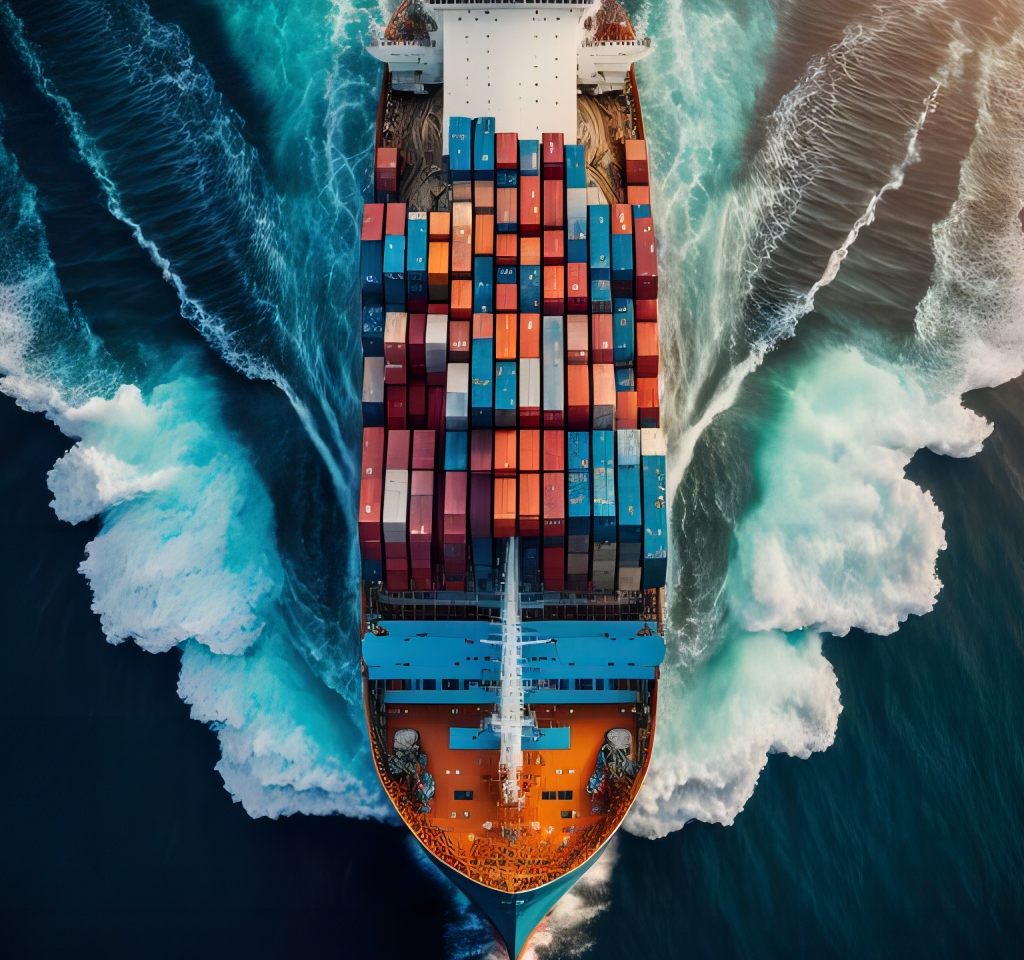
The transportation of goods by cargo ships across oceans, ideal for large volumes and heavy items.
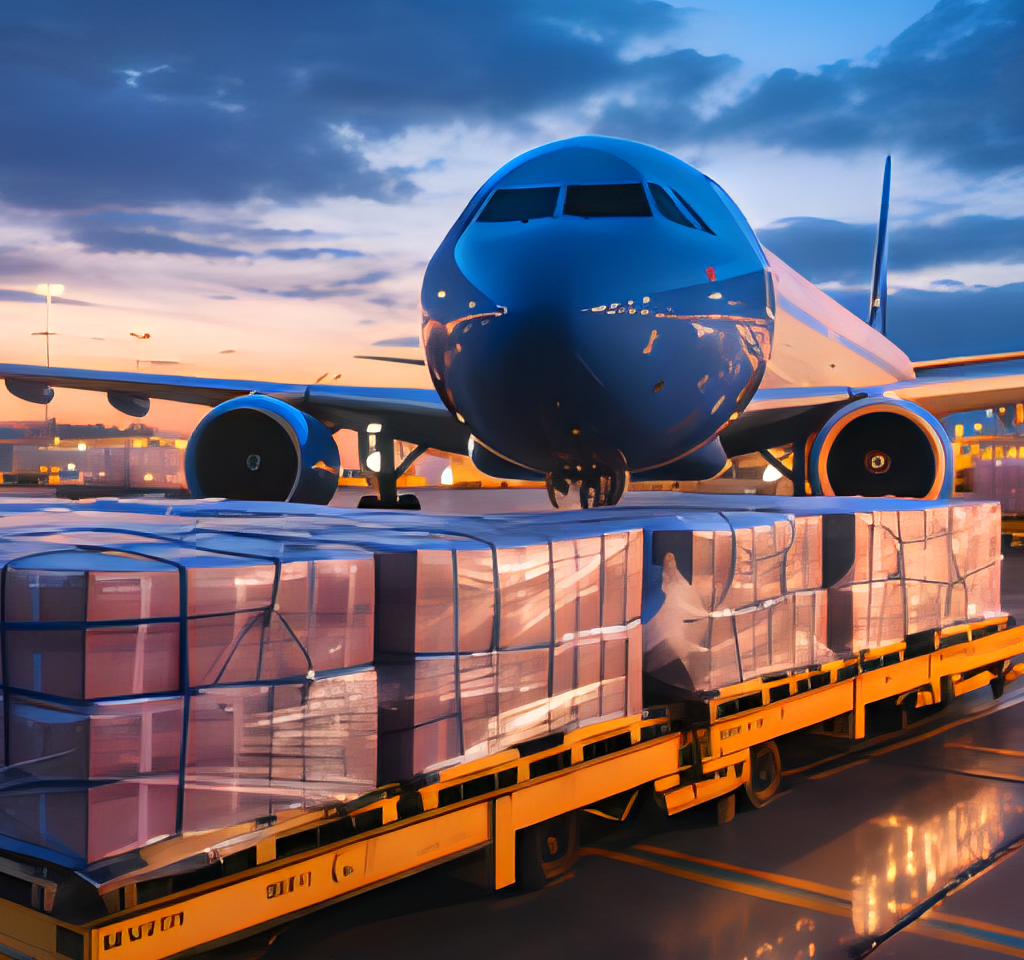
The shipment of goods via airplanes, offering fast delivery times for high-value or time-sensitive cargo.

This comprehensive solution streamlines the shipping process, ensuring efficient and hassle-free delivery.

The process of shipping goods that are loaded individually rather than in containers, typically used for oversized or irregularly shaped cargo.
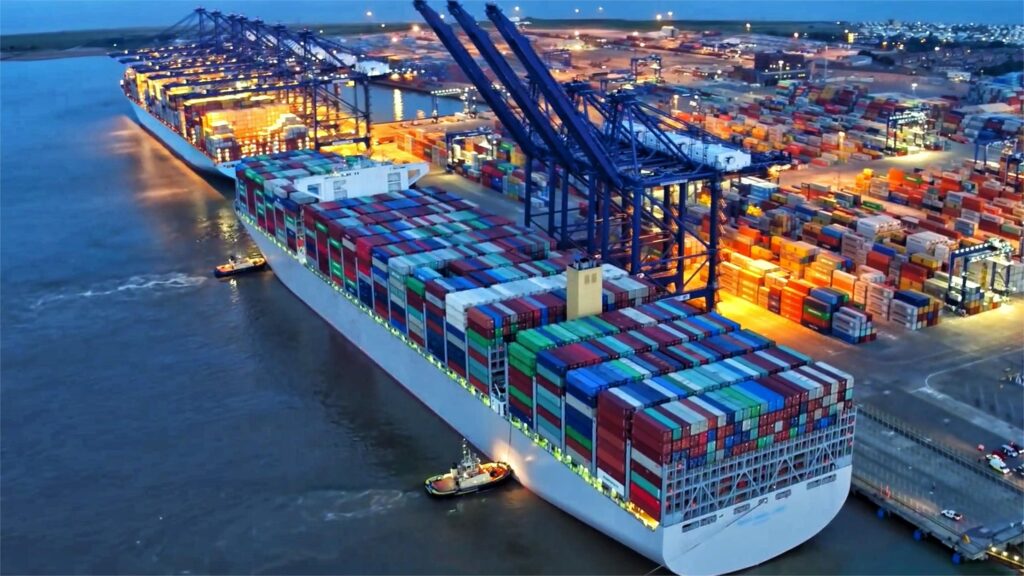
Ethiopia has no seaport, so sea freight from China first arrives at Port of Djibouti. From there, containers move inland by railway or truck to Addis Ababa and other Ethiopian cities. This makes multimodal coordination essential.
Sea freight to Djibouti takes about 22–35 days depending on departure port and routing. Inland rail transport to Addis Ababa adds 2–4 days. Including customs clearance and delivery, total transit usually ranges between 28–45 days.
The Addis Ababa–Djibouti railway provides a structured inland freight corridor. It reduces trucking dependency, lowers fuel-related delays, and supports containerized cargo movement directly from port terminals to inland dry ports.
Most imported containers are cleared at the Modjo Dry Port near Addis Ababa. This inland terminal handles customs inspection, duty payment, and cargo release, reducing congestion at Djibouti Port.
FCL (Full Container Load): Best for large commercial cargo
LCL (Less than Container Load): Suitable for small shipments
Air freight: Used for urgent goods via Addis Ababa Bole International Airport
Multimodal transport: Sea + rail or sea + truck combination
You will typically need:
Commercial invoice
Packing list
Bill of lading
Certificate of origin
Import license (for regulated goods)
Tax identification documentation
Incomplete paperwork can delay inland cargo transfer from Djibouti.
Duties are calculated based on CIF value (Cost + Insurance + Freight). Additional taxes such as VAT and surtax may apply depending on HS code classification. Proper tariff classification reduces risk of reassessment.
Yes, especially for electronics, medical supplies, or time-sensitive cargo. Flights operate to Addis Ababa Bole International Airport. Air shipping typically takes 3–7 days including customs clearance.
Frequent imports include construction materials, machinery, industrial equipment, solar panels, textiles, and consumer electronics. Large project cargo often uses 40HQ containers for optimized space utilization.
Inland container congestion during peak season
Documentation strictness
Limited foreign currency availability affecting clearance timelines
Seasonal port congestion in Djibouti
Advance planning reduces demurrage and detention risks.
Cargo Insurance provides coverage for goods against loss, damage, or theft during transit, ensuring that the owner receives financial compensation in the event of unforeseen incidents.
Amazon FBA (Fulfillment by Amazon) is a service where sellers store their products in Amazon's warehouses, and Amazon handles the packing, shipping, and customer service.
Customs brokerage is a service that helps importers and exporters clear goods through customs.
Door to door service refers to the transportation of goods directly from the sender's location to the recipient's location, handled entirely by the carrier.
Express service provide fast, time-sensitive delivery of parcels and documents.
DDU term means the seller is responsible for delivering the goods to the buyer’s designated destination, but not for paying import duties and other import fees. The buyer is responsible for customs clearance and paying all applicable duties, taxes, and fees.
DDP term means the seller is responsible for delivering the goods to the buyer’s designated destination and for paying all import duties and other import fees. The buyer only needs to receive the goods, without bearing any additional expenses.