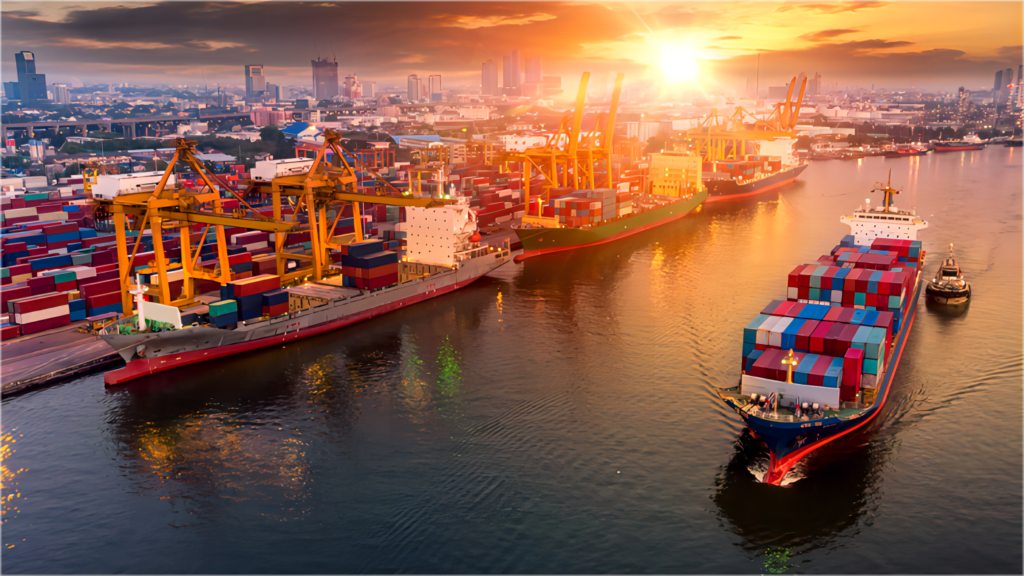
At Top China Freight, we understand the critical needs of clients navigating the complexities of global shipping. Egypt, situated in Northeast Africa and home to the vital Suez Canal, ranks as the continent’s third-largest economy. Although Egypt’s infrastructure is still developing, its strategic position in international trade is undeniable.
Key cities and ports include Cairo, Alexandria, Suez, Quseir, and Dekheila. Alexandria Port stands as Egypt’s largest, while Suez Port connects major European and Asian routes. Quseir and Dekheila focus on minerals, chemicals, and energy resources, making them essential to Egypt’s economy. Recently, rising geopolitical tensions in the Red Sea region have affected maritime safety, creating challenges in shipping stability.
In response, the Egyptian government and global investors are working to enhance the country’s logistics and transportation networks, aiming to increase both capacity and efficiency. To navigate Egypt’s ports successfully, we recommend choosing ports based on your cargo type and destination, purchasing comprehensive insurance, and collaborating with dependable local logistics providers. These steps can facilitate smooth customs clearance and transport.
Top China Freight remains committed to delivering professional freight services and the latest market insights to guide you through the dynamic landscape of international shipping.
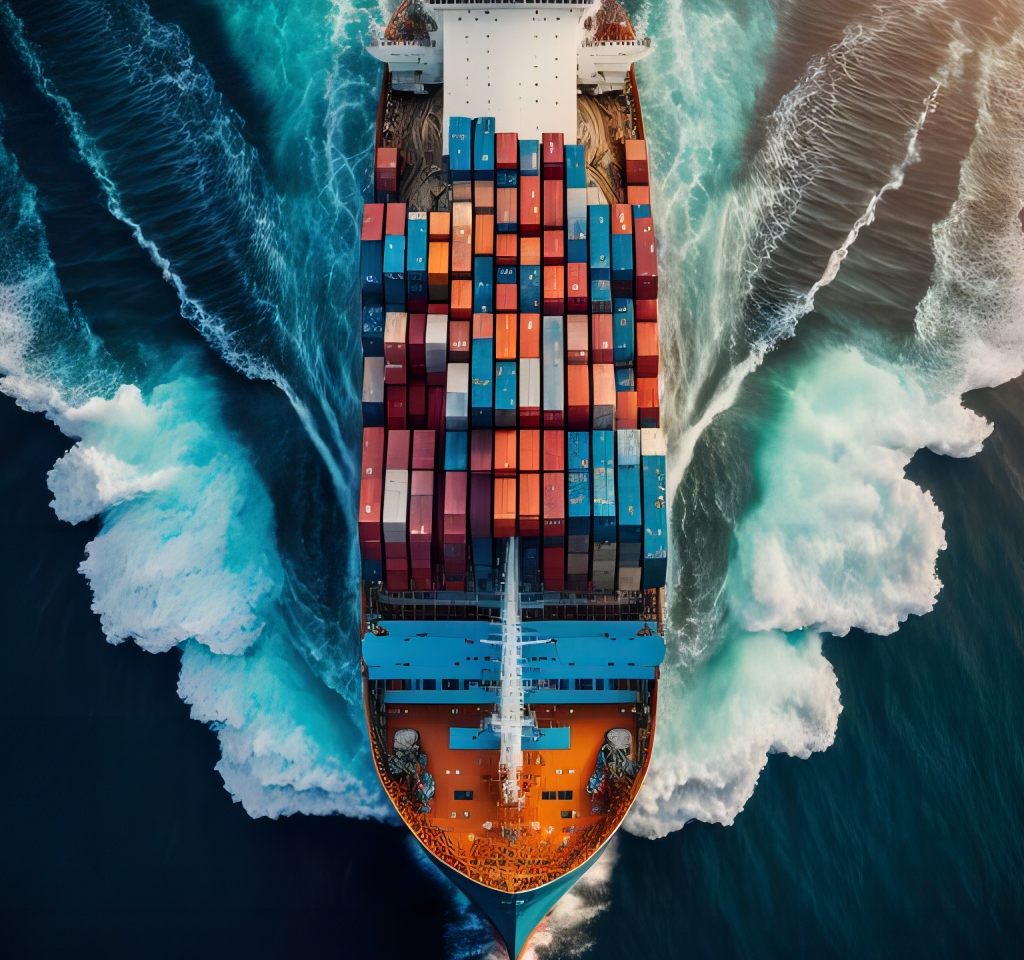
The transportation of goods by cargo ships across oceans, ideal for large volumes and heavy items.
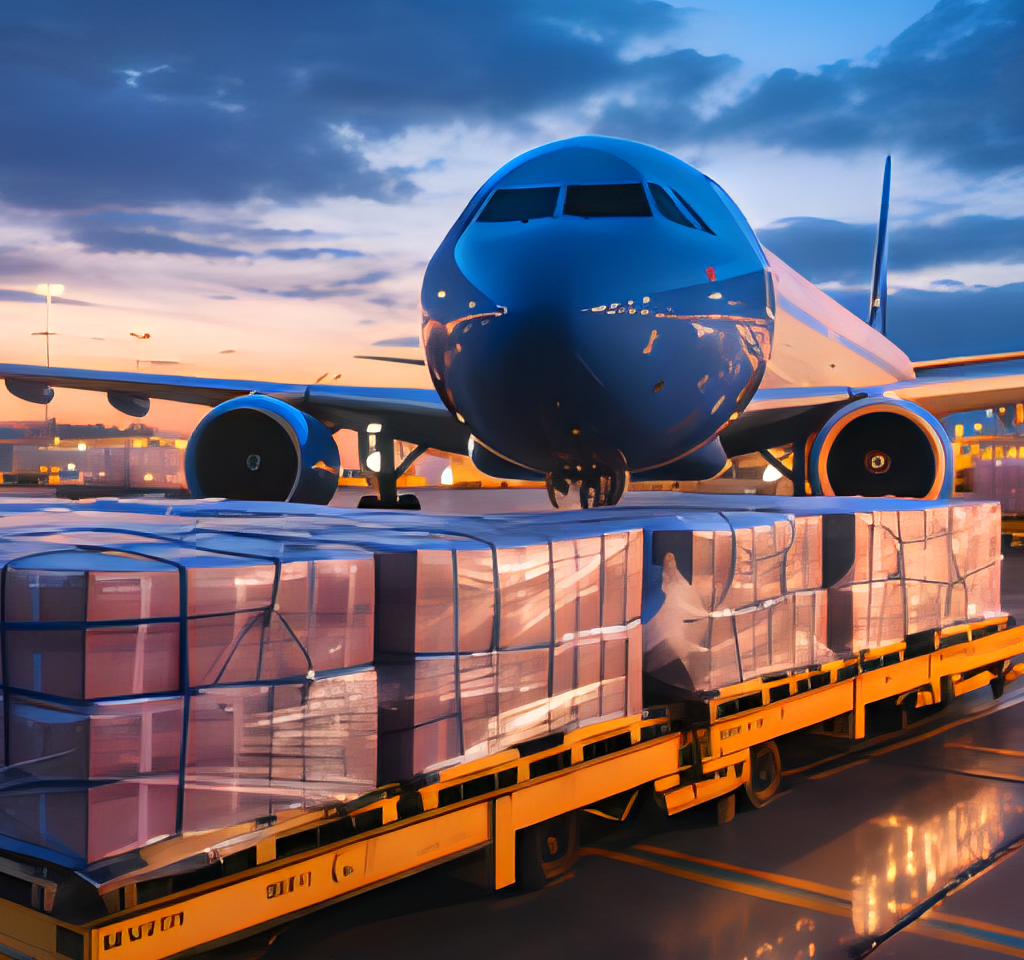
The shipment of goods via airplanes, offering fast delivery times for high-value or time-sensitive cargo.
This comprehensive solution streamlines the shipping process, ensuring efficient and hassle-free delivery.
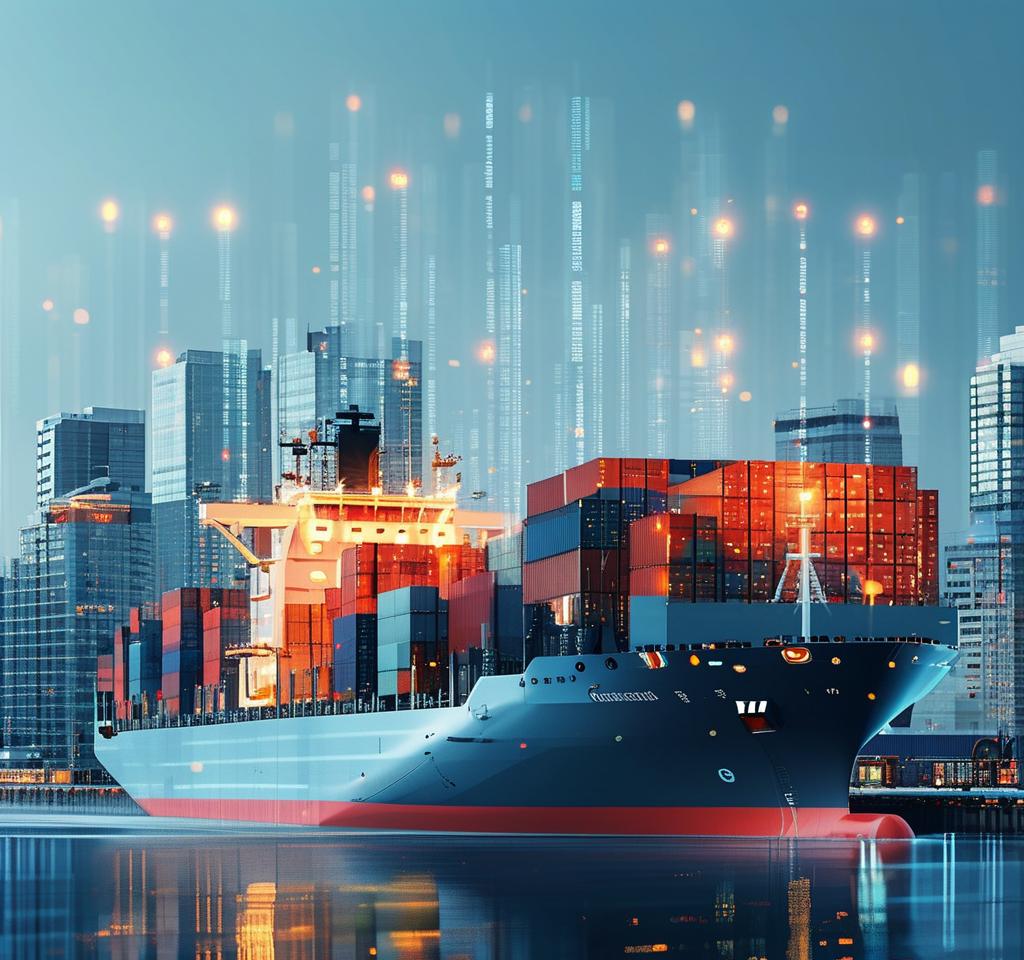
The process of shipping goods that are loaded individually rather than in containers, typically used for oversized or irregularly shaped cargo.
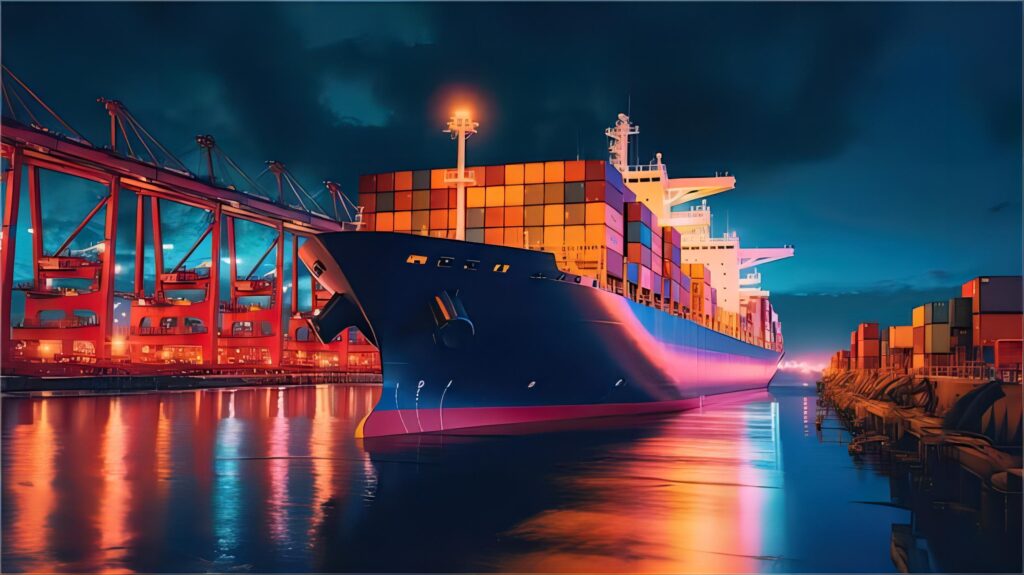
Sea freight transit from major Chinese ports to Egypt (such as Alexandria or Port Said) typically takes 18–30 days. This may vary with vessel schedules, possible transshipments, and port busy periods. Air freight usually takes 3–7 days including airport handling and customs.
You can use:
✔️ Full Container Load (FCL) – best for large shipments
✔️ Less than Container Load (LCL) – ideal for smaller volumes
✔️ Air freight – fastest but most costly
✔️ Door-to-door logistics – includes pickup, delivery, and customs services
Common export points include Shanghai, Ningbo, Qingdao, Guangzhou, and Shenzhen. Cargo is consolidated, loaded onto containers, and shipped via Red Sea or Mediterranean routes into Egypt’s main container ports.
The most frequently used import terminals are Port of Alexandria and Port Said. Both are large, well-equipped facilities for containers, general cargo, and FCL/LCL shipments.
Standard documents include:
📄 Commercial Invoice
📦 Packing List
📜 Bill of Lading (B/L) or Airway Bill (AWB)
📍 Certificate of Origin (if applicable)
🧾 Import Licenses or permits depending on product category
Customs clearance in Egypt involves document submission, tariff classification, duty and VAT payment, and physical inspections (if selected). Using a licensed customs broker helps navigate regulations and speeds up cargo release at Alexandria or Port Said.
Yes — cargo insurance safeguards your goods against risks like weather damage, handling error, port congestion, or theft. Most freight forwarders offer insurance options that can be tailored to shipment value and transport mode.
Yes. Door-to-door logistics includes cargo pickup in China, export documentation, freight transport, Egyptian customs handling, and delivery to your final address. This simplifies coordination and reduces risk of delays.
Costs vary by freight mode, volume (FCL vs LCL), season, and fuel surcharge. Sea freight is generally more affordable for bulk cargo, while air freight incurs higher rates for fast delivery. Additional charges may include local trucking, port fees, duties, and clearance expenses.
✔️ FCL (Full Container Load) — one shipper uses an entire container, faster handling and more secure.
✔️ LCL (Less than Container Load) — multiple shipments share container space, cost-effective for smaller loads but may take slightly longer due to consolidation.
Cargo Insurance provides coverage for goods against loss, damage, or theft during transit, ensuring that the owner receives financial compensation in the event of unforeseen incidents.
Amazon FBA (Fulfillment by Amazon) is a service where sellers store their products in Amazon's warehouses, and Amazon handles the packing, shipping, and customer service.
Customs brokerage is a service that helps importers and exporters clear goods through customs.
Door to door service refers to the transportation of goods directly from the sender's location to the recipient's location, handled entirely by the carrier.
Express service provide fast, time-sensitive delivery of parcels and documents.
DDU term means the seller is responsible for delivering the goods to the buyer’s designated destination, but not for paying import duties and other import fees. The buyer is responsible for customs clearance and paying all applicable duties, taxes, and fees.
DDP term means the seller is responsible for delivering the goods to the buyer’s designated destination and for paying all import duties and other import fees. The buyer only needs to receive the goods, without bearing any additional expenses.
I had a great experience with Top China Freight. Their customer support was quick to respond (even during the Christmas and Holiday season) and provided confirmation shortly after I inquired about shipping items to the destination country. The shipment arrived faster than expected and in great condition.