
Shipping Rates China to Australia 2026: Complete Cost Guide
“Navigating the complexities of international logistics requires a clear understanding of current market dynamics. Business owners frequently find that shipping rates China to Australia fluctuate based on fuel surcharges, seasonal demand, and carrier availability. Finding a reliable partner like Top China Freight ensures that your supply chain remains efficient and cost-effective throughout the year. This guide provides a detailed breakdown of 2026 pricing trends to help you plan your budget effectively.”
What Factors Influence Shipping Rates China to Australia in 2026?
❖Multiple variables determine the final price you pay for transporting goods across the ocean or through the air. Primarily, the weight and volume of your cargo serve as the foundation for all freight calculations. However, external factors such as global oil prices and port congestion in Sydney or Melbourne also play significant roles. Consequently, shippers must monitor these trends to avoid unexpected expenses during peak seasons.
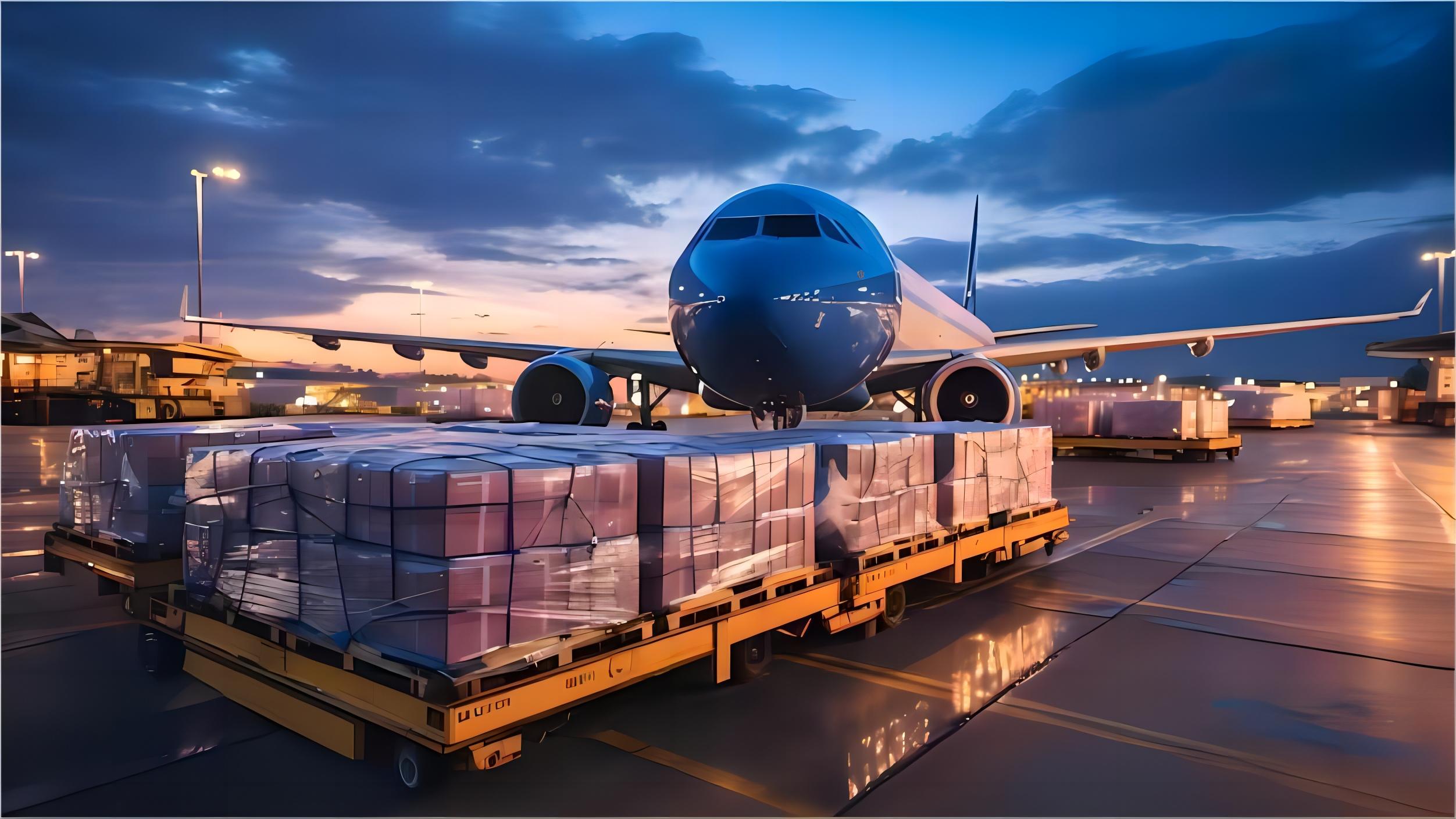
Moreover, the choice between different service levels can drastically alter your total landed cost. For instance, choosing a premium direct service might cost more upfront but reduces the risk of delays. Alternatively, transshipment options often provide lower rates at the expense of longer transit times. Therefore, balancing speed and budget is essential for maintaining a healthy profit margin in the Australian market.
Additionally, the type of commodity being shipped influences the overall shipping rates China to Australia due to handling requirements. Dangerous goods or oversized machinery require specialized equipment and documentation, which naturally increases the service fee. Indeed, understanding these nuances allows importers to negotiate better terms with their logistics providers. Meanwhile, currency fluctuations between the CNY and AUD can impact the final invoice value significantly.

How Does Sea Freight Compare to Other Shipping Options?
❖Ocean transport remains the backbone of trade between these two nations due to its massive capacity and lower price point. When comparing sea freight to air or express alternatives, the cost savings for large volumes are undeniable. Nevertheless, the extended transit time requires businesses to maintain higher inventory levels to compensate for the slower delivery schedule.
In contrast, air freight offers unparalleled speed for urgent shipments or high-value electronics. While the cost per kilogram is much higher, the reduction in lead time can be a competitive advantage for certain industries. Furthermore, the risk of damage is generally lower in air transport compared to the multiple handling points involved in sea logistics. Accordingly, companies must evaluate their specific needs before selecting a primary transport mode.
To summarize the market landscape, hybrid solutions like sea-air combinations have gained popularity for balancing costs. These services utilize sea transport for the first leg and air for the final delivery, offering a middle ground in both price and speed. Without a doubt, choosing the right method depends on your specific cargo deadlines and budget constraints.
| Shipping Method | Cost Range | Transit Time | Best For |
|---|---|---|---|
| Sea Freight (FCL) | $1,200 – $2,200 | 12-25 Days | Bulk goods and large volumes |
| Air Freight | $4.50 – $8.50/kg | 3-7 Days | High-value or urgent items |
| Express Service | $7.00 – $12.00/kg | 2-5 Days | Small parcels and samples |
| LCL (Shared) | $80 – $150/CBM | 15-28 Days | Small business shipments |
Understanding Sea Freight: FCL vs LCL Costs
❖Full Container Load (FCL) shipping is often the most economical choice for businesses moving more than 15 cubic meters of goods. By renting an entire 20ft or 40ft container, you gain exclusive use of the space and minimize handling risks. Consequently, sea freight rates for FCL are usually quoted as a flat fee per container. This makes budgeting predictable for large-scale importers.
On the other hand, Less than Container Load (LCL) is ideal for smaller shipments that do not require a full unit. In this scenario, your cargo shares space with other shippers, and you only pay for the volume you occupy. However, LCL shipments often incur higher destination charges because the container must be deconsolidated at the port. Therefore, it is vital to calculate the total door-to-door cost rather than just the ocean freight rate.
Market data suggests that FCL rates from China to major Australian ports have stabilized in early 2026. For example, a 20GP container from Shanghai to Sydney currently ranges between $900 and $1,300 depending on the carrier. Meanwhile, 40HQ containers are priced between $1,500 and $2,100. Always remember that these prices exclude local port fees and customs duties.
Air Freight Rates and Transit Times for 2026
❖When time is of the essence, air freight provides the fastest connection between Chinese manufacturing hubs and Australian cities. Typically, cargo can move from Shenzhen to Sydney in as little as 3 to 5 business days including ground handling. Consequently, this method is preferred for seasonal fashion, medical supplies, and urgent spare parts. The pricing is calculated based on chargeable weight, which is the greater of actual weight or volumetric weight.
Freight rates for air transport are more volatile than sea rates because they are closely tied to jet fuel prices. As of early 2026, standard air cargo rates from China to Australia hover around $5.00 per kilogram for shipments exceeding 100kg. Furthermore, choosing a direct flight instead of a deferred service with transshipment in Singapore can save 48 hours of transit time. Indeed, many tech companies prioritize this speed to maintain lean supply chains.
Note: Freight rates are subject to change based on fuel costs, carrier capacity, and seasonal demand. Contact us for a current quote tailored to your specific shipment.
The Role of Express Services in Small Business Logistics
❖Small businesses often prefer an express service for its simplicity and door-to-door convenience. Carriers like DHL, FedEx, and UPS handle the entire process, including customs clearance and final mile delivery. Although this is the most expensive per-kilogram option, it eliminates the need for separate brokers and trucking companies. Consequently, it is the best solution for e-commerce sellers shipping small parcels.
Moreover, express shipping provides superior tracking capabilities that allow you to monitor your shipment in real-time. For instance, a sample sent from Guangzhou can reach a customer in Perth in just 4 days. This reliability helps build trust with Australian consumers who expect fast delivery. Nevertheless, you should always check for remote area surcharges that might apply to rural Australian addresses.
Customs Brokerage and Import Requirements in Australia
❖Navigating the Australian Border Force regulations is a critical step in the import process. Utilizing a professional customs brokerage service can prevent costly delays and fines. Specifically, Australia has strict biosecurity laws that require thorough documentation for wood packaging and organic materials. Failure to comply can result in cargo being held or even destroyed at the port of entry.
Furthermore, the China-Australia Free Trade Agreement (ChAFTA) allows for reduced or zero tariffs on many goods. To benefit from these rates, you must provide a valid Certificate of Origin with your shipping documents. Consequently, working with an experienced agent ensures that you take full advantage of these trade benefits. Meanwhile, Goods and Services Tax (GST) of 10% is generally applicable to most imported items.
Documentation is the foundation of a successful customs entry. Typical requirements include the commercial invoice, packing list, bill of lading, and any relevant permits for restricted goods. Additionally, ensure that all labels comply with Australian standards to avoid issues during the inspection phase. Indeed, preparation is the key to a smooth transit from China to Australia.
| Document Type | Required For | Purpose | Source |
|---|---|---|---|
| Commercial Invoice | All Shipments | Duty and GST calculation | Supplier |
| Packing List | All Shipments | Cargo verification | Supplier |
| Bill of Lading | Sea/Air Freight | Proof of ownership | Carrier |
| Certificate of Origin | ChAFTA Benefits | Tariff reduction | Chinese Authorities |
Which Shipping Option Should You Choose?
❖Selecting the ideal transport method requires a clear assessment of your business priorities. If your primary goal is to minimize costs and you are shipping more than 2 cubic meters, sea freight is the logical choice. Specifically, LCL is great for growth-stage businesses, while FCL serves established wholesalers. On the other hand, if your cargo is worth more than $5,000 and weighs less than 100kg, air freight often provides better security and ROI.
Speed priority dictates the use of express or direct air freight services. For example, if you are launching a new product line in Sydney next week, the premium cost of air transport is a necessary investment. In contrast, if you are restocking standard inventory with a 2-month lead time, the savings from sea freight will significantly improve your margins. Furthermore, consider the nature of your goods, as fragile items benefit from the reduced handling of air transport.
Volume thresholds also play a role in this decision. Once your shipment exceeds 15 CBM, it is almost always cheaper to book a 20ft container (FCL) than to pay for LCL space. Consequently, consolidating your orders in China before shipping can lead to substantial long-term savings. Always consult with a logistics expert to analyze your specific shipping patterns and identify optimization opportunities.
Real-World Case Studies for 2026 Shipments
❖Case Study 1: Electronics from Shenzhen to Sydney. A tech retailer imported 500kg of computer peripherals via air freight. The transit took 5 days from pickup to delivery. The total cost was $2,750, including customs clearance. This allowed the client to meet a high-demand period without stocking massive amounts of inventory. The key insight was that using a direct flight avoided the 2-day delay typically seen in regional hubs.
Case Study 2: Furniture from Ningbo to Melbourne. A home decor brand moved a 40HQ container of outdoor furniture. The route was direct, taking 18 days at sea. Total landed cost was $2,900, including port charges and local trucking. Because they planned the shipment 4 weeks in advance, they avoided the peak season surcharge. This case highlights how early booking and FCL shipping can drastically lower the cost per unit for bulky items.
Case Study 3: Spare Parts from Shanghai to Perth. An industrial firm required urgent machinery components via express service. The 25kg parcel arrived in 4 days. Total cost was $320. While the per-kg rate was high, the cost of a factory shutdown would have been much greater. Consequently, the express service was the most economical choice in the context of total business impact.
Case Study Detail: FCL Furniture Shipment
Route: Ningbo, China to Melbourne, Australia. Cargo: Furniture, 65 CBM, 12,000 kg. Container: 40HQ. Carrier: COSCO. Port of Loading: Ningbo. Port of Discharge: Melbourne. Route Type: Direct. Ocean Freight: $1,650. Origin Charges: $350. Destination Charges: $500. Customs and Duties: $400. Total Landed Cost: $2,900. Sea Transit: 18 days. Total Door-to-Door: 25 days. Key Insight: Booking during the off-peak window in March saved the client 15% on freight costs compared to the February Lunar New Year rush.

Strategic Tips to Reduce Your Shipping Costs
❖Reducing your shipping rates China to Australia starts with efficient packaging. By minimizing dead space in your boxes, you reduce both the volumetric weight for air freight and the total CBM for LCL sea freight. Additionally, consider palletizing your goods to speed up the loading process and reduce the risk of damage. Many carriers offer discounts for cargo that is easy to handle and stack.
Another effective strategy is to consolidate shipments from multiple Chinese suppliers into a single container. Instead of paying for five separate LCL shipments, you can use a warehouse in Ningbo or Shenzhen to combine them into one FCL. This approach not only lowers the freight rate but also reduces the number of customs entries and destination fees. Furthermore, negotiating with suppliers for FOB terms instead of EXW can give you more control over the shipping process.
Finally, stay informed about seasonal trends and book your shipments at least 2-3 weeks in advance. Rates typically spike during the months leading up to Christmas and the period surrounding Chinese New Year. By avoiding these peak windows, you can secure lower rates and more reliable vessel space. Industry average data shows that early bird bookings can save up to 20% on international freight costs.
Final Thoughts on Australian Shipping Trends
Managing your logistics effectively requires a balance of speed, cost, and reliability. As we have seen, shipping rates China to Australia are influenced by various market factors, but careful planning can mitigate these expenses. Whether you choose the massive capacity of sea freight or the rapid delivery of air transport, understanding the 2026 landscape is essential for success.
By leveraging the right shipping methods and working with experienced partners, you can ensure your goods arrive on time and within budget. Always keep the specific needs of your cargo and your customers in mind when making logistics decisions. Ultimately, a well-optimized shipping strategy is a powerful tool for growing your international trade business in Australia.
Ready to streamline your logistics?
Ready to optimize your supply chain and secure the best shipping rates China to Australia for your next cargo? Contact our expert team today for a personalized quote and professional logistics advice tailored to your business needs. Send Inquiry to get started.
Request Quote