- By della
- November 19, 2025
- Rail Fregiht, Shipping
Choosing reliable rail freight from Shenzhen to France has become a strategic logistics solution for companies aiming for balanced cost, faster delivery, and smoother cross-border operations. Many importers struggle with fluctuating sea freight schedules, high air freight costs, and unpredictable customs delays; therefore, this rail-based alternative provides consistent transit times, stable pricing, and strong supply chain reliability. Consequently, this guide delivers a detailed breakdown of routes, costs, customs documentation, optimization strategies, and real case studies for businesses shipping to France.

What Makes Reliable Rail Freight from Shenzhen to France a Strong Business Choice?
Rail freight stands out because it combines speed, security, and cost-effectiveness. Additionally, this transportation mode avoids maritime congestion and offers more predictable departure frequencies. As a result, companies gain a reliable logistics flow, especially during peak seasons when sea and air rates fluctuate sharply.
Key Advantages
| Benefit | Explanation |
|---|---|
| Faster Transit | Averaging 15–22 days to France |
| Cost Efficiency | Cheaper than air freight and more stable than sea freight |
| Schedule Reliability | Fixed weekly departures enhance planning |
| Lower Carbon Impact | Ideal for sustainability-focused companies |
How Does the Shenzhen–France Rail Route Operate Smoothly?
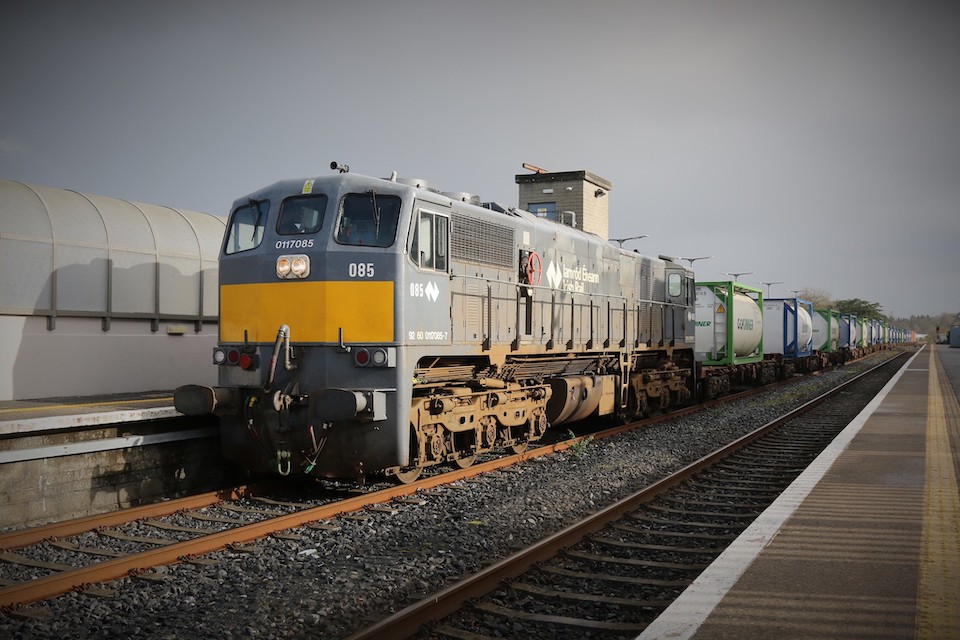
Rail freight from Shenzhen to France operates through the China–Europe Railway Express network. Moreover, Shenzhen’s consolidation centers ensure safe pallet loading, accurate documentation, and optimized container utilization before departure.
Typical Route Flow
- Shenzhen → Chengdu or Xi’an Consolidation
- China–Europe Train → Kazakhstan → Russia → Belarus → Poland
- Poland → Germany → France Final Delivery via Truck
Transit Time Table
| French Destination | Estimated Transit | Notes |
|---|---|---|
| Paris | 15–18 days | LCL/FCL |
| Lyon | 17–20 days | Rail + Truck |
| Marseille | 18–22 days | Rail + Truck |
Why Is Rail Freight a Better Balance of Cost and Speed Compared With Air and Sea Transport?
Rail freight provides a middle-ground solution, delivering faster transit than sea and offering more affordable pricing than air. Furthermore, businesses benefit from predictable delivery cycles, which improve inventory management and production planning.
Transportation Mode Comparison
| Mode | Average Cost | Transit Time | Best For |
|---|---|---|---|
| Rail Freight | Medium | 15–22 days | Electronics, machinery, apparel |
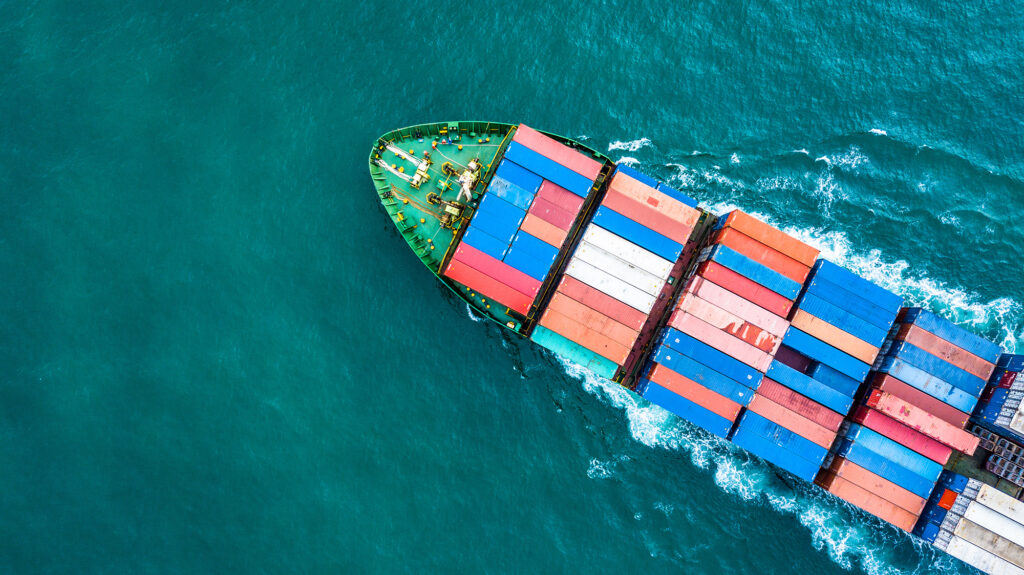
| Sea Freight | Low | 28–40 days | Bulk or heavy cargo |
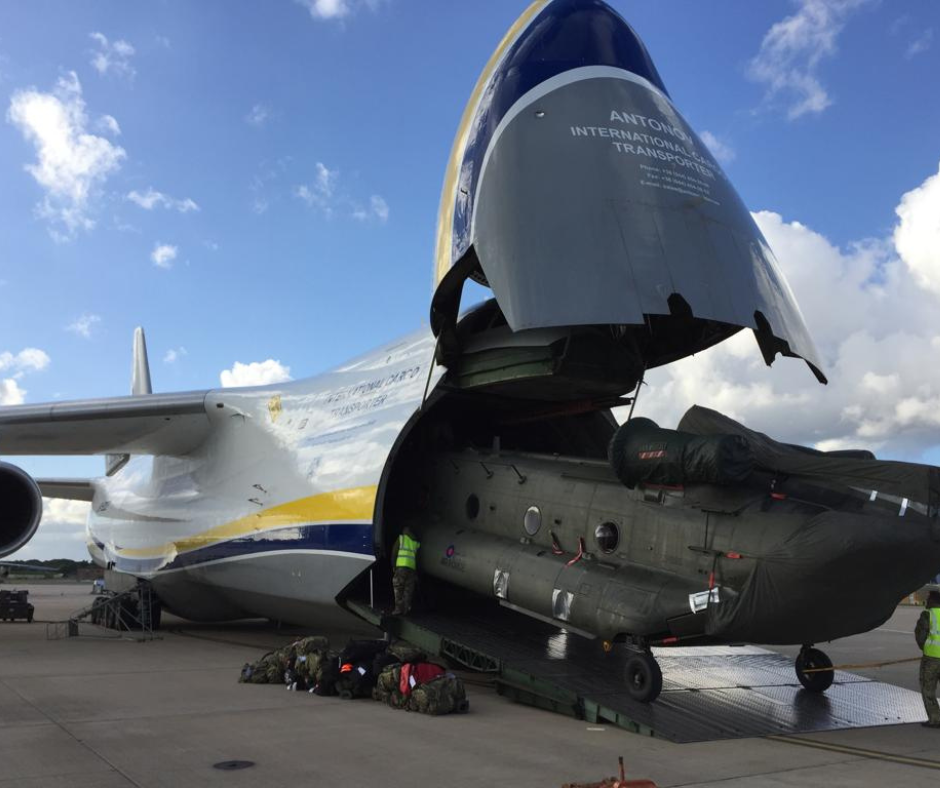
| Air Freight | High | 3–7 days | Urgent or fragile items |
What Types of Cargo Are Best Suited for Rail Freight from Shenzhen to France?
Most commercial goods fit rail transport requirements. Additionally, importers that need faster restocking cycles often prefer rail, especially when air freight is too costly.
Suitable Cargo
- Consumer electronics
- Apparel and textiles
- Household goods
- Auto parts
- Industrial components
- E-commerce replenishment items
Limitations
- Dangerous goods requiring special approval
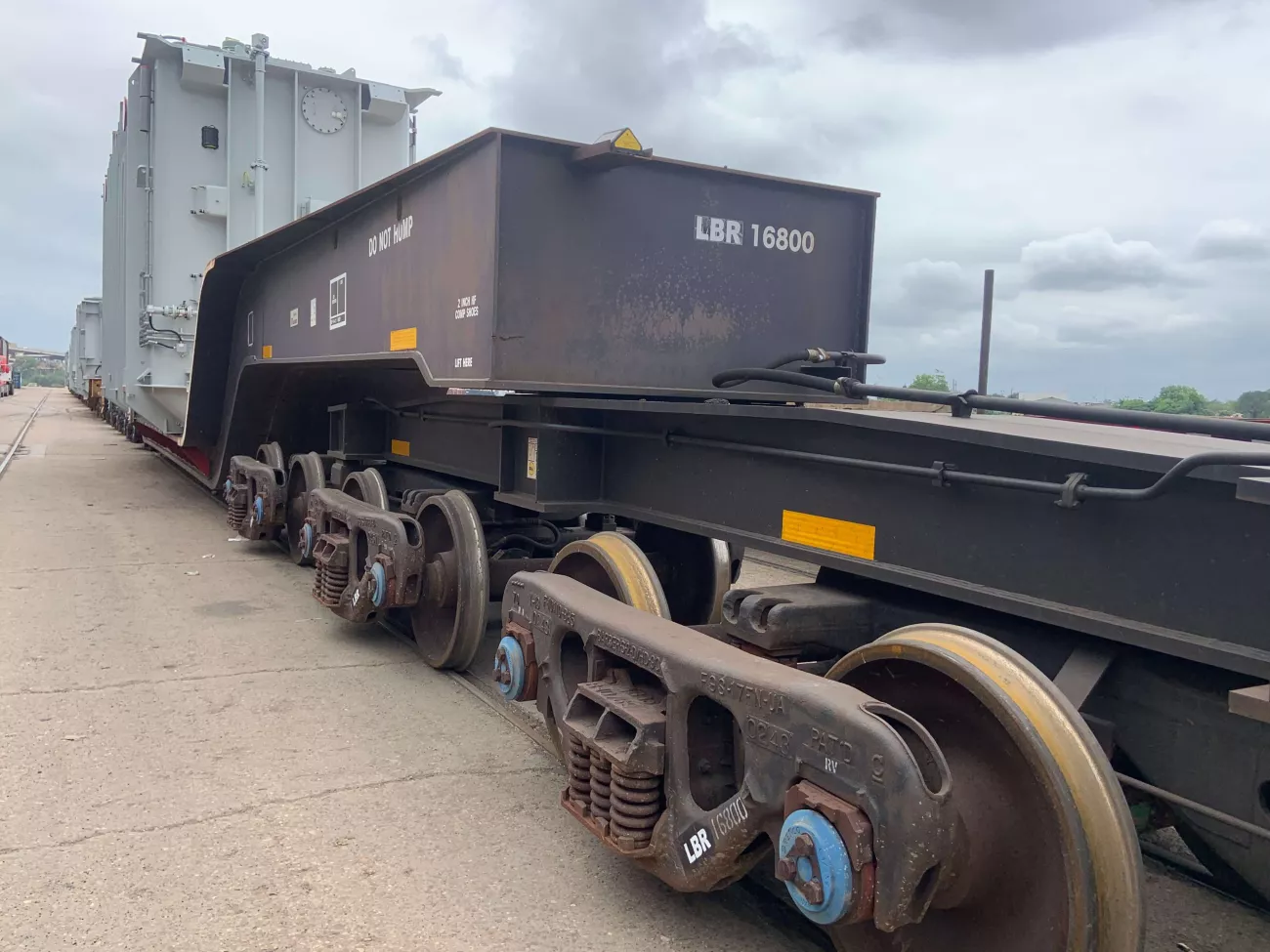
- Large oversized machinery
- Temperature-sensitive cargo without reefer support
What Real Shipment Cases Demonstrate the Strength of Rail Freight?
Case Card 1 – Electronics for Retail Chain
Origin: Shenzhen
Destination: Paris
Cargo: 4.5 CBM electronic accessories
Mode: LCL Rail Freight
Cost: USD 1,460
Transit Time: 17 days
Result: Provided predictable restocking for a retailer while reducing air freight expenses by 45%.
Case Card 2 – Apparel Shipment for E-commerce Seller
Origin: Shenzhen
Destination: Lyon
Cargo: 10.8 CBM clothing items
Mode: LCL Rail Freight
Cost: USD 3,520
Transit Time: 19 days
Result: Allowed stable delivery schedules and prevented inventory shortages during seasonal demand.
Need a shipping solution? 🚢 Request a Free Quote 📝 from TopChinaFreight and get the best rates and fastest routes today!
Which Customs Documents Are Required for Rail Freight from Shenzhen to France?
Correct documentation is crucial for preventing clearance delays. Moreover, preparing documents early ensures smoother transit across multiple border checkpoints along the China–Europe route.
Customs Document Checklist
| Document | Use |
|---|---|
| Commercial Invoice | Declares value and terms |
| Packing List | Confirms cargo details |
| Rail Waybill | Transport contract proof |
| Certificate of Origin | For tariff assessment |
| HS Code Declaration | Ensures correct tax rate |
| Import Licenses | For restricted goods |
How Much Does Reliable Rail Freight from Shenzhen to France Usually Cost?
Rail freight pricing depends on cargo volume, destination, service type, and demand cycles. Additionally, rates fluctuate during peak seasons such as Europe’s Q4 period.
Estimated Rail Freight Cost Guide
| Volume | Estimated Cost | Notes |
|---|---|---|
| 1–5 CBM | $260–$390 per CBM | Suitable for small consignments |
| 6–12 CBM | $230–$350 per CBM | Lower rate for higher volume |
| 20GP FCL | $4,900–$5,900 | Stable pricing |
| 40HQ FCL | $7,900–$9,300 | Ideal for bulk cargo |
How Can Importers Reduce Rail Freight Costs from Shenzhen to France?
Businesses can apply several strategies to minimize overall rail expenses. Moreover, proper planning reduces unexpected charges such as remeasurement or storage fees.
Cost-Saving Tips
- Consolidate shipments from multiple suppliers
- Book early to avoid seasonal surges
- Use LCL rail when cargo is below full container
- Provide accurate CBM data
- Select door-to-door delivery when inland trucking is cheaper
Should Businesses Choose Rail Freight for Long-Term China–France Supply Chains?
Rail freight is ideal for companies needing predictability, balanced cost, and mid-speed transit. Additionally, Europe’s growing support for greener logistics makes rail an increasingly favored option for long-term planning. Consequently, more French importers now integrate rail freight into their supply chain models to improve delivery reliability.
Conclusion
Reliable rail freight from Shenzhen to France offers a balanced shipping solution that supports faster transit, stable freight costs, and dependable customs handling. Since this route minimizes delays and improves logistics predictability, businesses gain stronger supply chain resilience. Choosing an experienced China–Europe rail logistics provider ensures accurate documentation, optimized consolidation, and consistent performance for both LCL and FCL cargo movements.
Resquest A Free Quote
Get started with TopChinaFreight today! 🚢✨ Simply Request a Free Quote 📝 to receive a customized shipping solution tailored to your needs. Our experts will provide the best rates 💰, fastest routes 🚀, and professional guidance 🌍 for your international logistics.
FAQs
Q1.How can I find the best rail freight rates for France imports?
Rail freight rates depend on volume and routes, offering competitive pricing for businesses with consistent China–France shipments.
Q2.What volume works best for LCL rail shipping?
LCL rail shipping performs best between 3–12 CBM, delivering predictable schedules and cost-efficient transport for various shipments.
Q3.Can rail freight support stable e-commerce fulfillment?
Yes, rail freight ensures faster restocking cycles, helping online sellers maintain inventory levels across major French markets.
Q4.Do rail shipments require complex customs documentation?
No, rail shipments require standard documents, and accurate preparation keeps China–France freight moving without unnecessary delays.
Q5.Should small importers consider rail instead of air transport?
Small importers often choose rail to reduce shipment costs while maintaining faster transit compared with slower sea freight services.