- By della
- November 12, 2025
- Customs Clearance, Shipping
Shipping products across borders is complex, especially when dealing with European Union customs requirements. For businesses engaging in international trade, reliable customs clearance from Shenzhen to Germany is essential to avoid penalties, reduce delays, and keep the supply chain moving smoothly. Whether you ship by air, sea, or rail, understanding how to manage clearance precisely ensures operational efficiency and cost control.

What Does Customs Clearance from China to Germany Include?
Customs clearance involves confirming that all goods leaving China and entering Germany comply with relevant export, import, and trade laws. A qualified freight forwarder or customs broker manages this process, ensuring document accuracy and fiscal transparency.
| Phase | Task Involved |
|---|---|
| Export Clearance (China) | Preparing invoice, HS code, commercial declaration, export permit |
| Customs Procedures | Tariff classification, inspection, permits, certificates |
| Import Clearance (Germany) | Filing via ATLAS system, payment of VAT/customs, IOSS / EORI used |
| Delivery Authorization | Goods released by German Zoll (customs) for distribution |
A slight misstep in documentation can lead to warehouse detention and added charges, which is why reliable service is non-negotiable.
How Long Does Customs Clearance Typically Take?
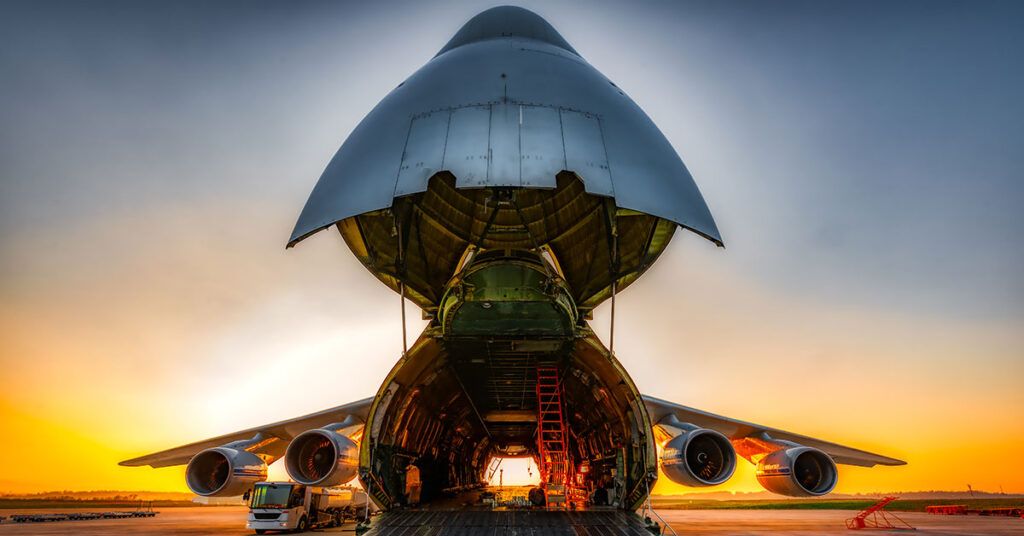
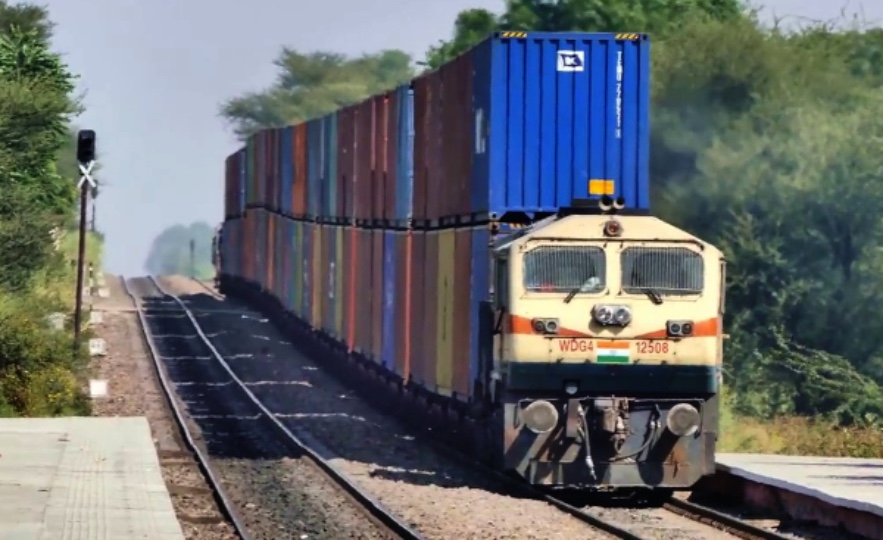
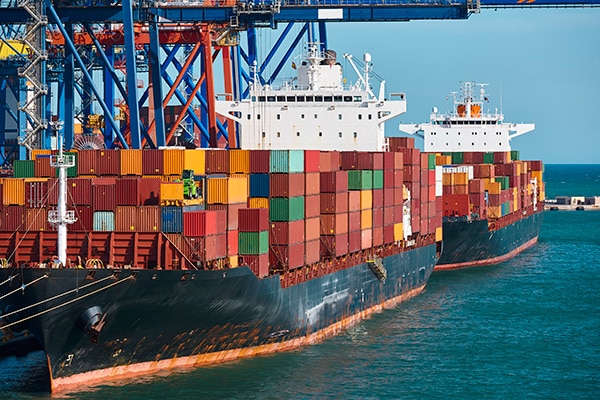
The duration of customs clearance varies depending on the shipping mode, declaration type, and completeness of documents. On average, correctly managed shipments clear customs within 1–3 business days.
| Transport Mode | Transit Time | Average Clearance Time | Risk Factor |
|---|---|---|---|
| Air Freight | 3–7 days | 1–2 days | Low |
| Rail Freight | 14–20 days | 2–3 days | Medium |
| Sea Freight (FCL) | 30–38 days | 2–4 days | High |
For shipments valued below €150, using IOSS (Import One-Stop Shop) speeds up B2C imports significantly.
Why Is Reliable Customs Clearance So Important?
Delays or errors not only cost money—they can damage relationships with German buyers or distributors. Moreover, goods held at customs accumulate storage fees and risk longer delivery timelines.
Critical Benefits of Smooth Clearance:
- Minimal risk of inspection or duties misclassification
- Faster transit to final destination
- Reduced warehouse charges due to demurrage
- Confident VAT reporting and deduction for EU-based businesses
- Improved service rates with repeat shipments and verified profiles
Therefore, timely and accurate customs clearance essentially protects your profit margin.
What Are the Common Transport Options from Shenzhen to Germany—and Their Customs Impacts?
Each transport mode interacts with customs procedures differently. Understanding these logistics helps with planning clearance timelines and budget expectations.
| Transport Option | Clearance Risk | Transit Time | Cost/CBM Est. | Ideal Cargo |
|---|---|---|---|---|
| Air Freight | Low | 3–7 days | 5–5–8 | Electronics, OEM components, apparel |
| Ocean Freight (FCL) | Medium | 30–38 days | 1–1–2 | Machinery, furniture, factory goods |
| Rail Freight | Medium-Low | 14–20 days | 2.5–2.5–4 | Fashion, industrial tools, eCommerce |
Even though sea shipping offers the best cost advantage, it typically requires more document precision and longer lead time for EU compliance.
Real Shipment Cases: Clearance from Shenzhen to Germany
📦 Case 1: B2C Fashion Stock
Route: Shenzhen ➝ Frankfurt
Mode: Air Express (DHL)
Cargo: 68kg branded clothing
Cost: $1,560
Clearance Time: 24 hours
Result: Declared via IOSS, no VAT delays, direct delivery to 83 retail locations.
🚚 Case 2: Industrial Auto Parts
Route: Shenzhen ➝ Hamburg
Mode: Rail Freight
Cargo: 620kg, 3 pallets
Cost: $2,100
Clearance Time: 2.5 days
Result: Released with EORI declaration; no reclassification issues, tax settled on arrival.
Need a shipping solution? 🚢 Request a Free Quote 📝 from TopChinaFreight and get the best rates and fastest routes today!
What Documents Are Required for Customs Clearance?
Accuracy and consistency between all shipping documents are crucial. Below is a checklist of what you’ll need for Germany-bound imports:
| Document | Purpose |
|---|---|
| Commercial Invoice | Declares value, seller/buyer info, product HS code |
| Packing List | Specifies contents by box/pallet volume and weight |
| Export Declaration | Required by Chinese authorities |
| Certificate of Origin | May qualify shipment for reduced tariffs under EU-China agreements |
| Bill of Lading / AWB | Shipping contract confirming cargo transfer |
| EORI Number | Required ID for German importing business |
| IOSS Number (Optional) | Speeds up low-value B2C shipments (<€150) |
| CE or Test Certifications | Certain electronics or machinery require CO declarations |
Improper HS codes or mismatched data in values often trigger customs reviews and delays.
What Costs Are Involved in Customs Clearance?
Even with “free” shipping promotions, customs fees arise at destination ports. Here’s a summary of common costs:
| Cost Type | Description |
|---|---|
| Import VAT (MwSt) | Typically 19% of CIF value |
| Customs Duty | Depends on HS code—ranges from 0–14% generally |
| Brokerage Fee | Handling fee charged by agents for processing docs (~€40–€80) |
| Inspection Fees | Charged if cargo is physically or X-ray inspected |
| Terminal / Storage Fees | If clearance is delayed, warehouse storage fees apply |
Thus, a provider offering total cost estimation including customs taxes and documents is often better than a purely freight-cost-only quote.
How to Choose a Reliable Broker or Freight Forwarder?
Partnering with an experienced, EU-literate logistics provider is essential to maintain customs integrity and delivery timelines.
| Feature | Why It Matters |
|---|---|
| Licensed EU Customs Agent | Can legally file entries, deal with Zoll in Germany |
| In-house Documentation Team | Ensures paperwork is consistent across platforms |
| DDP Experience | Covers all duties/VAT before arrival (especially for B2C) |
| Online Tracking + Filing | Access to live updates and scanned documents |
| Germany-Based Warehousing | For bonded entry or delayed payment entry (dual clearance) |
Furthermore, having a multilingual support team (Chinese/German/English) greatly improves communication and reduces file translation errors.
✅ Conclusion
Partnering with a logistics partner that provides reliable customs clearance from Shenzhen to Germany ensures compliance, faster deliveries, and better cost control. Whether you’re shipping through air, ocean, or rail, expert clearance reduces unnecessary fees, eliminates mistakes, and helps your business maintain its competitive edge.
Accurate documentation, professional handling, and an integrated approach across both continents form the foundation of efficient international trade. Choose a shipping partner who delivers more than transport—they deliver peace of mind and smooth customs operations.
Resquest A Free Quote
Get started with TopChinaFreight today! 🚢✨ Simply Request a Free Quote 📝 to receive a customized shipping solution tailored to your needs. Our experts will provide the best rates 💰, fastest routes 🚀, and professional guidance 🌍 for your international logistics.
FAQs
Q1.Do I need an EORI number for customs clearance in Germany?
Yes, an EORI number is mandatory for importing goods into Germany for VAT reporting and customs clearance across all commercial deliveries.
Q2.Is customs clearance faster with rail freight than sea freight from China?
Generally yes, rail freight clears 1–2 days faster than ocean shipping due to inland arrival points and quicker document processing with German customs.
Q3.Should I use IOSS for low-value goods under €150?
Using IOSS simplifies import VAT processes and speeds up customs clearance for B2C shipments below €150 into Germany or other EU markets.
Q4.What happens if I use the wrong HS code during import?
Incorrect HS codes can result in penalties, higher duties, shipment reclassification, and even customs holds until the proper code is corrected.
Q5. Can DDP shipping eliminate all customs fees for my customer?
Yes, DDP shipping covers all import duties and VAT in advance, allowing final delivery to your German customer without extra border charges.