- By della
- November 14, 2025
- Customs Clearance, Shipping
Efficient logistics requires reliable customs clearance from Shenzhen to Canada to prevent shipment delays and unexpected penalties. Because customs rules across both countries are strict, businesses depend on professional support to maintain smooth import procedures, accurate declarations, and predictable delivery timelines.

What Makes Reliable Customs Clearance from Shenzhen to Canada Essential for Businesses?
Many companies rely on structured customs handling because incorrect declarations can trigger costly inspections or extended storage fees. Moreover, Canada’s import system demands precise HS codes and value reporting, making compliance a critical part of shipping operations. Additionally, well-managed clearance reduces risk for time-sensitive supply chains handling electronics, industrial parts, and e-commerce goods.
Key Benefits
| Benefit | Explanation |
|---|---|
| Fewer delays | Accurate documents reduce inspection risk |
| Lower total cost | Avoids penalties and re-processing fees |
| Stable timelines | Supports predictable delivery schedules |
| Better compliance | Ensures alignment with CBSA rules |
How Does the End-to-End Customs Clearance Process Work in Canada?
Every shipment follows several verification procedures before entering the Canadian market. Although the stages seem straightforward, each carries strict requirements. First, exporters must prepare compliant invoices, packing lists, and certificates aligned with product classifications. Then the carrier submits an electronic manifest, after which Canadian Border Services Agency (CBSA) evaluates the cargo. Furthermore, random inspections or targeted checks may occur depending on risk level and product type.
Main Process Flow
| Step | Description |
|---|---|
| Document prep | Create invoice, packing list, HS codes |
| China export filing | Clearance before cargo departs |
| Carrier manifest | Digital submission to CBSA |
| Border review | Duty assessment, compliance check |
| Release | Cargo forwarded for final delivery |
Why Do Documentation Requirements Matter for Canadian Customs?
Canada enforces strict rules because incorrect declarations can distort product classification and taxation. Therefore, businesses must ensure accuracy across all documents to avoid delays. Although some products require additional certificates, most shipments rely on core commercial documents. Moreover, Canada scrutinizes valuation and origin, making transparency essential.
Required Documentation Checklist
| Document | Purpose |
|---|---|
| Commercial Invoice | Declares value and tax basis |
| Packing List | Confirms weight and content details |
| HS Code Classification | Determines duty and GST |
| Certificate of Origin | Verifies production country |
| Importer Number (BN) | Identifies Canadian importer |
What Challenges Commonly Occur During Customs Clearance?
Several issues can interrupt clearance, particularly inaccurate HS codes or undervalued goods. Although small mistakes appear harmless, CBSA may impose administrative penalties for misclassification. Furthermore, missing certificates for restricted items can lead to immediate holds. Additionally, incomplete manifests or inconsistent descriptions increase inspection likelihood. Consequently, skilled customs handling helps prevent financial and operational setbacks.
Common Issues
| Problem | Impact |
|---|---|
| Wrong HS code | Delays + reassessment |
| Origin mismatch | Higher inspection risk |
| Undervaluation | Penalties + process restart |
| Missing permits | Hold until documents provided |
What Real-World Cases Show the Importance of Reliable Customs Clearance?
Case Card 1 – Consumer Electronics Shipment
Route: Shenzhen → Vancouver
Cargo: 8 CBM of Bluetooth speakers
Documents: Invoice + packing list + origin certificate
Cost: CAD 860 for full clearance service
Processing Time: 1 business day
A shipment with high-value electronics required accurate classification, and consistent HS coding prevented CBSA inspection.
Case Card 2 – Auto Parts Distribution
Route: Shenzhen → Toronto
Cargo: 1×20GP of metal brackets
Documents: Detailed HS list + valuation notes
Cost: CAD 1,120 including brokerage fees
Processing Time: 2 business days
The importer avoided penalties because clear valuation supported correct GST calculations during review.
Need a reliable logistics partner? Share your shipment details and we’ll provide a tailored quotation quickly and accurately.
How Much Does Customs Clearance from Shenzhen to Canada Usually Cost?
Costs depend on the type of goods, required certificates, and whether the shipment undergoes inspection. Although regular shipments only require standard brokerage fees, special products may incur additional charges. Additionally, express shipments often include small surcharges for faster release.
Estimated Fee Table
| Service | Average Cost (CAD) |
|---|---|
| Standard clearance | 80–150 |
| Full container customs | 120–250 |
| Express shipment handling | 40–80 |
| Additional inspection | 100–350 |
What Factors Affect Clearance Speed for Shipments Entering Canada?
Several variables influence the timing of customs review. For instance, product type affects inspection probability, while incomplete documents add waiting time. Moreover, holiday seasons extend processing periods across Canadian entry ports. Nevertheless, shippers can reduce delays using complete paperwork and early manifest submission.
Influencing Factors
| Factor | Effect |
|---|---|
| Document accuracy | Fastest release |
| Value transparency | Lower inspection risk |
| Peak seasons | Longer review |
| Product category | Determines risk level |
Should Importers Use Express, Air, or Sea Freight When Shipping to Canada?
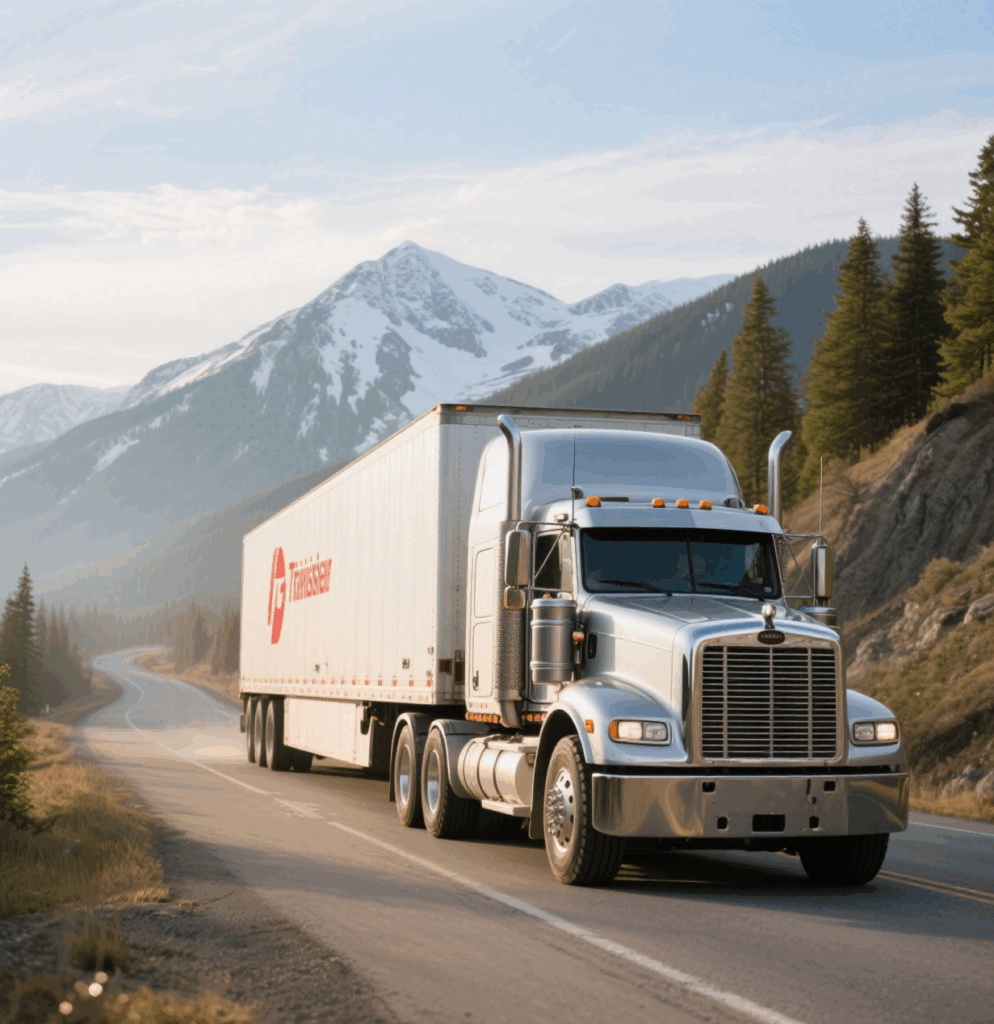
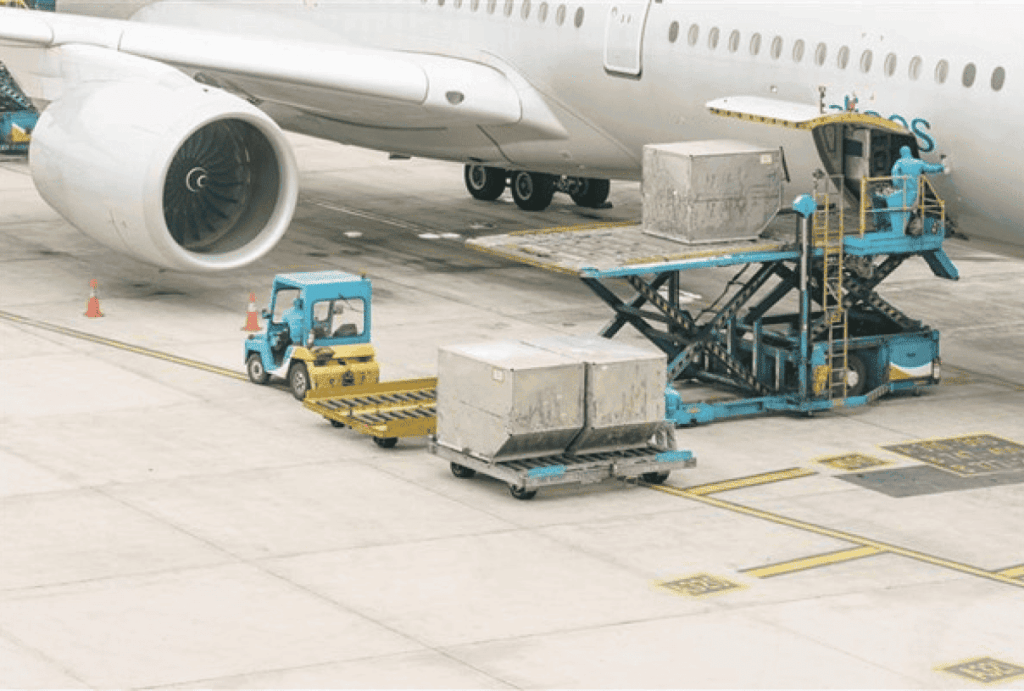
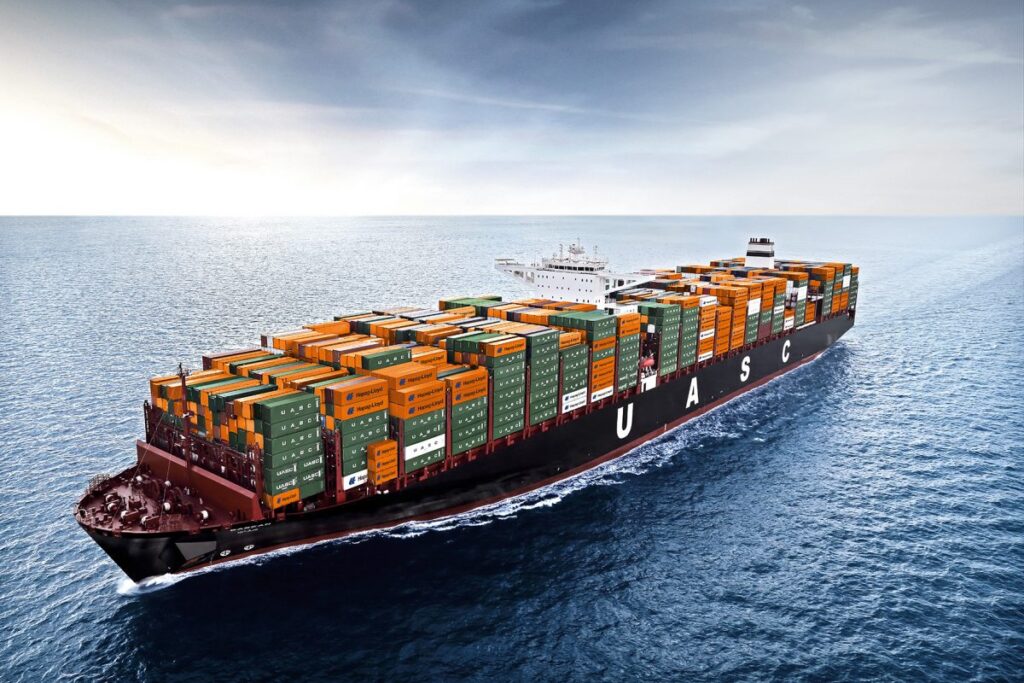
Choosing the transport mode depends on urgency, cost tolerance, and load volume. Although express shipping offers the fastest clearance, air freight provides a balance between cost and speed. Meanwhile, sea freight suits bulk shipments but requires longer lead times. Additionally, combining compliance with the right transport mode improves overall supply chain performance.
Transport Comparison
| Mode | Speed | Cost | Best For |
|---|---|---|---|
| Express | Fastest | Highest | Samples, small parcels |
| Air freight | 5–9 days | Medium | Electronics, urgent goods |
| Sea freight | 25–40 days | Lowest | Bulk loads, pallets |
What Steps Should Importers Take to Ensure Smooth Delivery After Clearance?
Importers must coordinate trucking appointments, warehouse readiness, and any post-clearance duties. Since release notifications arrive electronically, immediate response prevents storage charges. Furthermore, verifying commodity codes beforehand keeps domestic logistics organized. Therefore, pre-planning allows Canadian importers to reduce unnecessary costs and avoid operational interruption.
Conclusion
Reliable customs clearance from Shenzhen to Canada ensures accurate documentation, lower inspection rates, and predictable import timelines. Moreover, businesses benefit from stable compliance practices that eliminate penalties and reduce operational risk. Therefore, choosing a professional service improves supply chain stability and safeguards shipments from unexpected delays throughout the customs cycle.
Request a Quote
Need a tailored solution for your shipping from China?Let TJ China Freight Forwarder assist you with reliable, cost-effective service.
FAQ:
Q1.How can importers reduce customs delays in Canada?
Submitting accurate HS codes and consistent product descriptions reduces inspection chances and speeds up customs approval.
Q2.Do small parcels require full customs documentation?
Even small shipments need clear invoices and correct commodity codes to ensure smooth Canadian border processing.
Q3.What helps avoid additional duties during import?
Correct valuation and transparent declarations reduce reassessment risk and unexpected duty charges for Canadian shipments.
Q4.Are electronics more likely to be inspected?
High-value electronics sometimes face extra scrutiny, but precise classification lowers inspection probability significantly.
Q5.How can companies manage GST calculations correctly?
Providing accurate declared value and supporting documents helps ensure GST assessment matches Canadian import rules.