
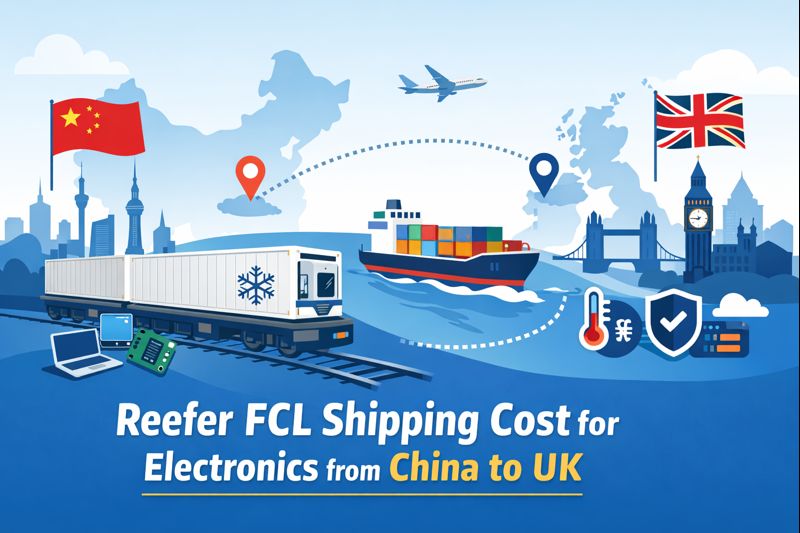
Reefer FCL shipping cost for electronics from China to UK has become a growing concern as sensitive components face tighter delivery windows and stricter compliance rules. However, by understanding cost drivers, temperature control needs, and routing strategies, importers can stabilize budgets while protecting cargo quality. Therefore, this guide delivers practical, data-driven insights you can apply immediately, starting from planning to final delivery, with support from experienced partners such as Top China Freight.

What makes Reefer FCL shipping necessary for electronics?
Although electronics are not food or pharmaceuticals, many high-value components require temperature-controlled shipping to prevent condensation, oxidation, or performance degradation. Consequently, Reefer FCL is increasingly used for servers, batteries, precision sensors, and semiconductors.
Moreover, a reefer container provides:
- Stable temperature ranges (usually 15–25°C)
- Controlled humidity levels
- Reduced risk of moisture-related damage during long sea voyages
As a result, exporters shipping sensitive electronics from China to the UK often choose Reefer FCL over standard dry containers despite higher upfront costs.
How is Reefer FCL shipping cost from China to UK calculated?
Reefer FCL shipping cost for electronics from China to UK is not a single flat number. Instead, it is built from multiple cost layers that vary by season, port, and equipment availability.
Key cost components include:
- Base ocean freight rate (reefer equipment)
- Energy surcharge for temperature control
- Equipment imbalance fees during peak season
- UK port handling and reefer plug-in charges
Therefore, understanding each layer allows supply chain managers to forecast budgets more accurately rather than reacting to last-minute surcharges.

How does transit time impact overall shipping cost?
Transit time directly affects both freight cost and inventory planning. While faster sailings may carry higher rates, they can significantly reduce inventory holding costs and production delays.
Generally:
- Direct services cost more but reduce transit risks
- Transshipment routes lower base rates but increase exposure to delays
Therefore, aligning transit time with delivery schedules is a strategic decision rather than a simple cost comparison. Many UK importers combine Reefer FCL with structured sea freight solutions to balance speed and budget.
What are typical Reefer FCL shipping cost ranges?
Although exact prices fluctuate, the table below shows reference ranges commonly seen in the market. These figures are indicative only and should never be treated as fixed quotations.
| Route (China → UK) | Container Type | Cost Range (USD) | Transit Time |
|---|---|---|---|
| Shanghai → Felixstowe | 40HQ Reefer | 6,200 – 8,400 | 30–35 days |
| Ningbo → Southampton | 40HQ Reefer | 6,000 – 8,200 | 32–38 days |
| Shenzhen → London Gateway | 40HQ Reefer | 6,400 – 8,700 | 33–40 days |
Because rates depend on demand and reefer availability, working with a forwarder that monitors weekly freight rate movements can reduce exposure to sudden spikes.
Case Studies
Consumer electronics shipment to Manchester
Origin: Shenzhen
Destination: Manchester, UK
Cargo: Temperature-sensitive control boards
Volume: 40HQ Reefer FCL
Transport Mode: Sea freight + inland trucking
Shipping Cost: Approx. USD 7,300
Transit Time: 36 days door-to-port
Outcome: Cargo arrived without moisture damage, avoiding production delays valued at over USD 40,000.
Industrial electronics shipment to Birmingham
Origin: Ningbo
Destination: Birmingham, UK
Cargo: Industrial monitoring devices
Volume: 2 × 40HQ Reefer FCL
Transport Mode: Sea freight + door-to-door delivery
Shipping Cost: Approx. USD 14,600 total
Transit Time: 38 days door-to-door
Outcome: Stable delivery schedule enabled uninterrupted production and reduced safety stock by 18%.
Reefer FCL vs standard FCL cost comparison
To support decision-making, the table below compares Reefer FCL and standard FCL for electronics shipped from China to the UK.
| Comparison Item | Standard FCL | Reefer FCL |
|---|---|---|
| Average Freight Cost | Lower | Higher |
| Temperature Stability | Limited | Fully controlled |
| Moisture Risk | Medium | Low |
| Damage Claim Risk | Higher | Significantly lower |
| Best Use Case | Durable electronics | Sensitive electronics |
Although Reefer FCL costs more upfront, many importers find it reduces total loss exposure across the supply chain.
What customs and compliance factors affect costs?
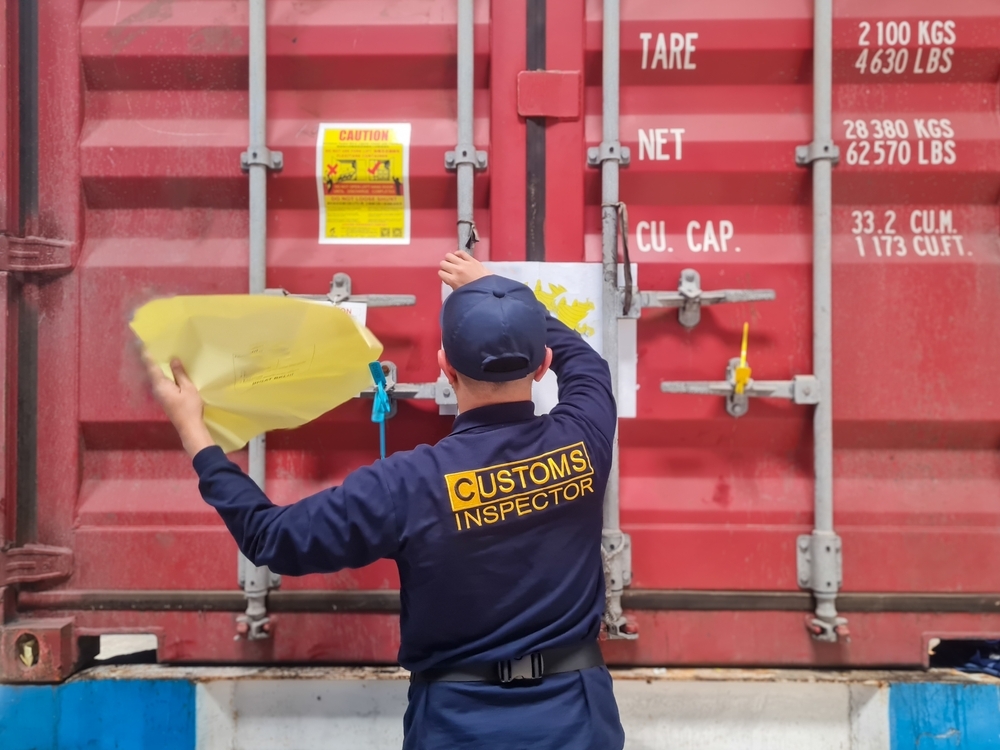
Customs compliance plays a critical role in Reefer FCL shipping cost for electronics from China to UK. Even small documentation errors can trigger inspections, storage fees, or reefer plug-in surcharges at UK ports.
Common requirements include:
- Commercial invoice with HS codes
- Packing list specifying temperature needs
- UK import declarations and VAT arrangements
Consequently, using professional customs brokerage services often reduces hidden costs that are not visible in freight quotations.
How does insurance influence Reefer FCL shipping decisions?
Insurance plays a supporting yet important role in Reefer FCL shipping cost for electronics from China to UK. While reefer containers reduce damage risk, insurance still protects against external disruptions.
Typically:
- Insurance cost is a small percentage of cargo value
- Claims processing is smoother with documented temperature logs
- Coverage complements reefer protection rather than replacing it
Therefore, combining Reefer FCL with proper insurance strengthens overall risk management.
Conclusion
Reefer FCL shipping cost for electronics from China to UK reflects more than freight rates alone—it represents protection, compliance, and supply chain stability. By understanding cost components, transit trade-offs, and risk controls, importers can make informed decisions that protect both cargo and margins. Ultimately, the right logistics strategy transforms higher shipping costs into long-term operational reliability.
Request A Free Quote
Start shipping smarter with TopChinaForwarder today! 🚢✨ Request a Free Quote 📝 and get a tailored logistics plan built around your cargo and timeline.
FAQ:
What is included in Reefer FCL shipping cost for electronics from China to UK?
It usually includes ocean freight, reefer energy surcharges, port handling, and equipment fees, excluding duties and inland delivery.
Why do Reefer FCL rates fluctuate more during peak season?
Peak seasons reduce reefer availability while energy and demand surcharges increase, causing rate volatility.
Can customs delays increase reefer shipping costs?
Yes, delays may lead to additional plug-in, storage, or inspection charges at UK ports.
How can shippers track reefer container conditions?
Most carriers provide temperature monitoring logs and real-time tracking throughout the voyage.
Does door-to-door delivery increase overall cost?
It may raise upfront cost slightly, but it often reduces delays, handling risks, and administrative complexity.