
Reefer FCL Shipping Cost for Electronics from China to Germany
Navigating the complexities of international freight can be challenging, especially when dealing with sensitive cargo like electronics. Consequently, understanding the specific Reefer FCL shipping cost for electronics from China to Germany is crucial for businesses. This comprehensive guide will illuminate the factors impacting these costs, ensuring your valuable goods arrive safely and efficiently.
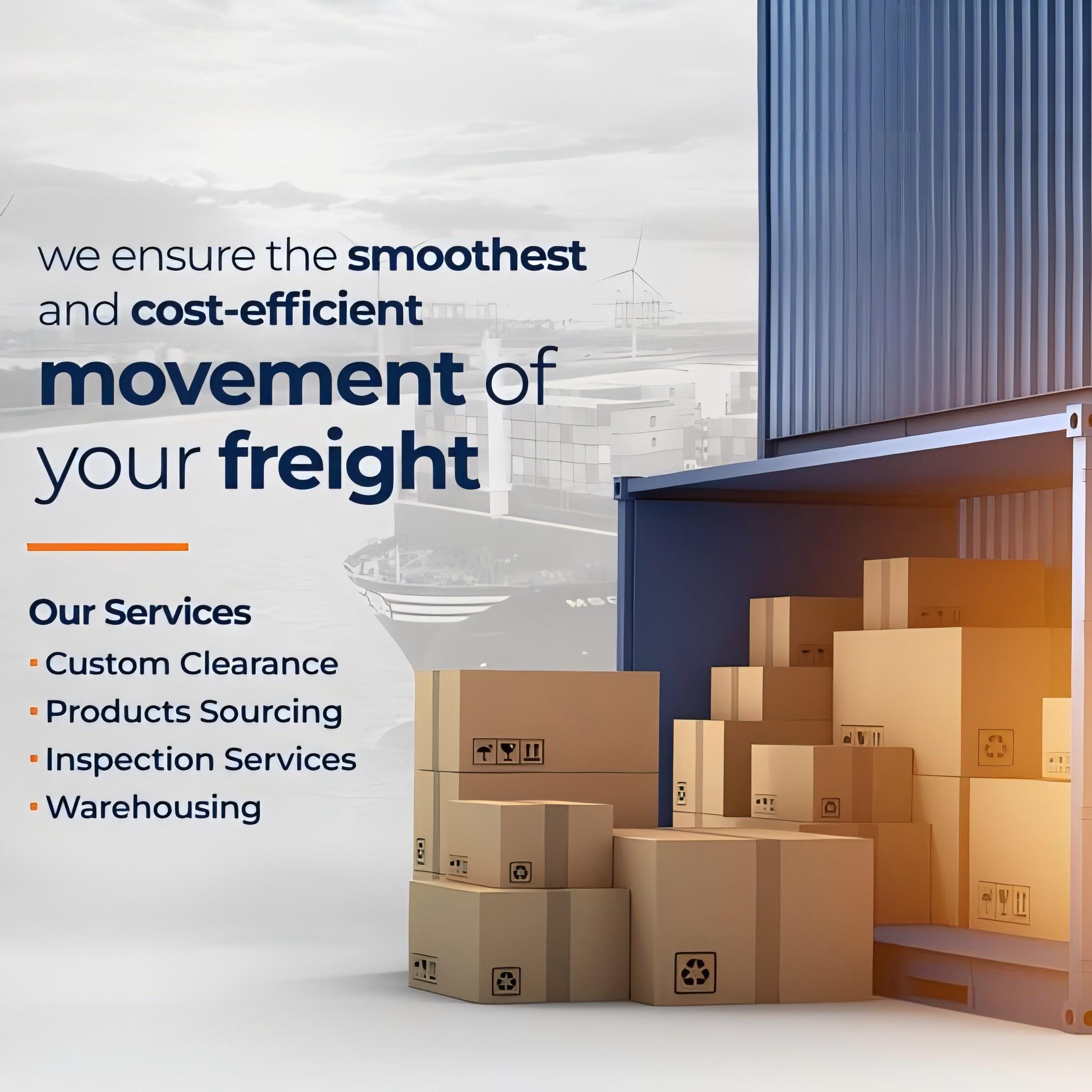
What is Reefer FCL Shipping for Electronics?
Reefer FCL refers to a Full Container Load (FCL) shipment utilizing a refrigerated container. These specialized containers maintain a specific temperature range, crucial for cargo sensitive to heat, cold, or humidity. Therefore, they are equipped with advanced cooling and heating units, alongside precise temperature monitoring systems.
Most electronics, such as consumer gadgets, typically ship in standard dry containers. However, certain high-value, sensitive components, medical electronics, specialized servers, or items with integrated batteries may require temperature and humidity control. This ensures their integrity and functionality throughout the transit from China to Germany.
Key Factors Influencing Reefer FCL Shipping Costs
Several variables contribute to the overall Reefer FCL shipping cost for electronics from China to Germany. Understanding these elements helps businesses budget accurately and avoid unexpected expenses. Therefore, a detailed breakdown of these factors is essential for effective supply chain management.
Ocean Freight Rates
Ocean freight rates for reefer containers are significantly higher than for standard dry containers, often 2-3 times more. This is due to the specialized equipment, higher operational costs (fuel for refrigeration), and limited availability. Rates fluctuate based on carrier, season, port pairs, and global supply-demand dynamics.
Moreover, market conditions, like the impact of Red Sea disruptions, can drive rates up. Booking during peak seasons (e.g., pre-Chinese New Year or Q3/Q4 holiday rush) also typically incurs higher costs. Consequently, securing space well in advance is often advisable.
Surcharges and Fees
Beyond the base ocean freight, numerous surcharges apply to Reefer FCL shipments. These include Bunker Adjustment Factor (BAF) for fuel, Currency Adjustment Factor (CAF), Terminal Handling Charges (THC) at both origin and destination ports, and documentation fees. Specifically for reefers, a ‘plug-in’ fee covers the electricity supply at ports and during transit.
Furthermore, other potential costs include demurrage (charges for exceeding free time at the port) and detention (charges for exceeding free time with the container). Careful planning and efficient customs clearance can help mitigate these additional expenses. For comprehensive sea freight solutions, consider expert guidance.
Customs, Duties, and Taxes
Importing electronics into Germany involves various customs duties and Value Added Tax (VAT). The specific duty rate depends on the Harmonized System (HS) code of the electronics being shipped. For example, some electronics may have zero duty under certain trade agreements, while others incur a percentage.
Additionally, German VAT (currently 19%) applies to the declared value of the goods plus duties and shipping costs. Proper classification and accurate documentation are paramount to avoid delays and penalties during customs clearance. Engaging with a reliable freight forwarder simplifies this process.
Typical Reefer FCL Shipping Cost for Electronics from China to Germany
Based on current market rates (Q1 2025), the Reefer FCL shipping cost for electronics from China to Germany can vary significantly. These estimates include ocean freight, common surcharges, and port handling. However, they exclude customs duties, VAT, and specific inland transportation costs.
Generally, a 40-foot reefer container (40RQ) is the most common size for FCL shipments requiring temperature control. A 20-foot reefer (20RQ) is also available but often less cost-effective per cubic meter. Prices are subject to change based on fuel costs, carrier capacity, and seasonal demand.
| Container Type | Estimated Ocean Freight Range (USD) | Estimated Total Port-to-Port (USD) |
|---|---|---|
| 20ft Reefer (20RQ) | $4,500 – $7,000 | $6,000 – $9,500 |
| 40ft Reefer (40RQ) | $8,000 – $12,000 | $10,000 – $15,000 |
Transit Times and Routes for Reefer FCL Shipments
The transit time for Reefer FCL shipping cost for electronics from China to Germany typically ranges from 28 to 38 days. This duration depends on the specific port of loading in China (e.g., Shanghai, Ningbo, Shenzhen) and the port of discharge in Germany (e.g., Hamburg, Bremerhaven). Direct services are faster, while transshipment routes add several days.
Moreover, recent global events, including the Red Sea disruptions, have extended transit times and increased shipping costs for routes between Asia and Europe. Vessels are often rerouted via the Cape of Good Hope, adding 7-14 days to standard schedules. Consequently, careful planning and real-time tracking are more important than ever.
| Route (Port-to-Port) | Typical Transit Time (Days) | Route Type |
|---|---|---|
| Shanghai to Hamburg | 30 – 35 | Direct / Minimal Transshipment |
| Ningbo to Bremerhaven | 32 – 37 | Direct / Minimal Transshipment |
| Shenzhen to Hamburg | 28 – 33 | Direct / Minimal Transshipment |
| Any China Port to Germany (via Cape) | 38 – 45+ | Extended Transshipment |
How Does Reefer FCL Compare to Other Shipping Options?
While Reefer FCL is essential for temperature-sensitive electronics, other shipping methods offer varying trade-offs in cost, speed, and capacity. Therefore, choosing the right method depends on your specific cargo requirements, budget, and delivery schedule. Here’s a comparison to help you decide.
| Shipping Method | Cost Range (40HQ/RQ Equivalent) | Transit Time (Days) | Best For | Limitations |
|---|---|---|---|---|
| Reefer FCL Sea Freight | $8,000 – $15,000 | 28 – 45+ | Temperature-sensitive bulk electronics | Long transit, higher cost than dry FCL |
| Dry FCL Sea Freight | $3,000 – $5,000 | 28 – 45+ | Non-sensitive bulk electronics | Long transit, no temperature control |
| Air Freight | $20,000 – $50,000+ | 5 – 7 | Urgent, high-value, small volume electronics | Very high cost, battery restrictions |
| LCL Sea Freight | $100 – $200 per CBM | 35 – 50+ | Small volume, non-urgent, non-sensitive cargo | Longer transit, less control, not for reefers |
| Rail Freight | $8,000 – $15,000 | 15 – 20 | Mid-volume, time-sensitive electronics | Limited capacity, specific routes |
Air Freight for Urgent Electronics
For urgent or high-value electronics that cannot tolerate long transit times, air freight is the fastest option. It typically delivers in 5-7 days from China to Germany. However, air freight costs are significantly higher, often 5-10 times more than FCL sea freight for similar volumes. It is best suited for small, high-value, or time-critical shipments.
Furthermore, air cargo also has limitations on battery shipments and requires specialized handling for temperature-controlled environments. While faster, the cost premium often makes it unfeasible for bulk electronics. Nevertheless, it remains a critical option for specific supply chain needs.
LCL for Smaller Volumes
Less than Container Load (LCL) shipping is an alternative when your electronics volume is insufficient for a full container. Your goods share container space with other shipments, reducing per-unit freight costs. However, LCL often involves longer transit times due to consolidation and deconsolidation processes.
Additionally, LCL may not be suitable for extremely sensitive electronics requiring precise temperature control, as the entire container is not dedicated to one temperature setting. For cost-effective solutions for smaller, non-temperature-critical electronics, LCL can be a viable choice. Consider Amazon FBA services for streamlined delivery.
Rail Freight for Balanced Speed/Cost
Rail freight from China to Germany offers a compelling balance between speed and cost, often taking 15-20 days. This makes it significantly faster than sea freight and more economical than air freight. Consequently, it has become an increasingly popular option for many types of electronics.
Moreover, temperature-controlled rail containers are available, providing a viable alternative for sensitive electronics. This method avoids sea route disruptions and offers reliable scheduling. Explore rail freight as a robust option for your China-Europe supply chain.
Optimizing Your Reefer FCL Shipping Cost for Electronics
Minimizing the Reefer FCL shipping cost for electronics from China to Germany requires strategic planning and informed decision-making. Businesses can achieve significant savings and improve efficiency by focusing on several key areas. Therefore, adopting best practices is crucial for competitive advantage.
Strategic Planning and Booking
Booking your reefer containers well in advance, especially outside of peak seasons, can help secure better rates. Additionally, comparing quotes from multiple carriers and freight forwarders is essential. Understanding current logistics trends and planning accordingly will yield cost benefits.
Furthermore, consider consolidating multiple smaller orders into a single FCL shipment when possible. This maximizes container space and reduces per-unit shipping costs. Effective planning is the cornerstone of optimizing your electronics supply chain.
Incoterms and Insurance
The choice of Incoterms (International Commercial Terms) significantly impacts who bears the cost and risk at various stages of transit. For instance, opting for EXW (Ex Works) means the buyer handles all shipping costs and risks from the factory gate, potentially offering more control. Conversely, DDP (Delivered Duty Paid) places all responsibility on the seller.
Moreover, comprehensive cargo insurance is vital for high-value electronics. While an added cost, it protects against potential losses or damages during transit, which can be substantial. Always ensure your insurance coverage aligns with the value of your sensitive cargo.
Customs Compliance and Documentation
Accurate and complete documentation is paramount for smooth customs clearance in Germany. Errors can lead to delays, fines, and increased storage costs. This includes commercial invoices, packing lists, certificates of origin, and any required product-specific certifications.
Engaging a professional for customs brokerage services can streamline this process. They ensure compliance with all EU and German import regulations, minimizing potential issues. Proper documentation is a non-negotiable aspect of efficient international shipping.
Partnering with a Reliable Freight Forwarder
A reputable freight forwarder with expertise in temperature-controlled electronics shipping can be invaluable. They can negotiate better rates, manage complex logistics, and provide end-to-end visibility. This includes everything from origin pickup to door-to-door delivery.
Furthermore, a good forwarder offers proactive communication and solutions for unforeseen challenges. Their network and experience navigating global supply chains can save both time and money. Therefore, selecting the right logistics partner is a strategic business decision.
Real-World Case Studies: Reefer FCL Electronics Shipments
Understanding real-world scenarios provides practical insight into the Reefer FCL shipping cost for electronics from China to Germany. These case studies illustrate the complexities and successful execution of temperature-controlled logistics. They highlight the importance of meticulous planning and expert coordination.
Case Study 1: High-End Medical Devices
| Detail | Value |
|---|---|
| Route | Shanghai, China Hamburg, Germany |
| Cargo | Diagnostic imaging electronics (MRI components), 55 CBM, 12,000 kg |
| Container | 40HQ Reefer (set at +18°C) |
| Shipping Details | Carrier: MSC, Port of Loading: Shanghai, Port of Discharge: Hamburg, Route Type: Direct |
| Cost Breakdown | Ocean Freight: $10,500, Origin Charges: $850, Destination Charges: $1,200, Customs & Duties (estimated): $2,500, Total Landed Cost: $15,050 |
| Timeline | Booking to Loading: 7 days, Sea Transit: 32 days, Customs Clearance: 3 days, Total Door-to-Door: 38 days |
| Key Insight | Ensuring precise temperature control and expedited customs clearance for high-value medical electronics. Based on Q3 2024 market rates. |
Case Study 2: Sensitive Server Components
| Detail | Value |
|---|---|
| Route | Ningbo, China Bremerhaven, Germany |
| Cargo | Data center server racks and sensitive components, 60 CBM, 15,000 kg |
| Container | 2 x 40HQ Reefer (set at +22°C, humidity controlled) |
| Shipping Details | Carrier: Hapag-Lloyd, Port of Loading: Ningbo, Port of Discharge: Bremerhaven, Route Type: Transshipment via Singapore |
| Cost Breakdown | Ocean Freight: $22,000 (2 containers), Origin Charges: $1,600, Destination Charges: $2,500, Customs & Duties (estimated): $4,000, Total Landed Cost: $30,100 |
| Timeline | Booking to Loading: 10 days, Sea Transit: 38 days, Customs Clearance: 4 days, Total Door-to-Door: 52 days |
| Key Insight | Managing multiple reefer containers with specific humidity requirements. The Red Sea rerouting added 10 days to transit. Typical rates as of early 2025. |
Case Study 3: Specialized Battery Units
| Detail | Value |
|---|---|
| Route | Shenzhen, China Hamburg, Germany |
| Cargo | Lithium-ion battery packs for industrial electronics, 28 CBM, 8,000 kg |
| Container | 20GP Reefer (set at +15°C) |
| Shipping Details | Carrier: COSCO, Port of Loading: Shenzhen, Port of Discharge: Hamburg, Route Type: Direct |
| Cost Breakdown | Ocean Freight: $6,000, Origin Charges: $700, Destination Charges: $1,000, Customs & Duties (estimated): $1,800, Total Landed Cost: $9,500 |
| Timeline | Booking to Loading: 8 days, Sea Transit: 30 days, Customs Clearance: 3 days, Total Door-to-Door: 41 days |
| Key Insight | Handling DG (Dangerous Goods) regulations for battery shipping within a reefer container, requiring special documentation and carrier approval. Based on Q1 2025 market rates. |
Which Shipping Option Should You Choose? A Decision Framework
Selecting the optimal shipping method for electronics from China to Germany involves weighing various factors. This decision framework helps businesses align their logistics strategy with their specific operational priorities. Consequently, making an informed choice is key to supply chain success.
Budget Priority
If minimizing costs is your primary concern, and your electronics are not temperature-sensitive, then standard Dry FCL or LCL sea freight is recommended. For temperature-sensitive electronics, Reefer FCL sea freight offers the most economical solution for large volumes, despite its higher cost compared to dry containers. Rail freight provides a mid-range cost solution with faster transit.
Speed Priority
When speed is critical, and delays are unacceptable, air freight is the clear choice for electronics. For a balance of speed and cost, rail freight presents an excellent alternative. However, for Reefer FCL shipments, sea transit times are inherently longer, requiring robust inventory planning. Shipping to Europe demands careful consideration of transit speed.
Cargo Sensitivity & Type
For electronics requiring precise temperature and humidity control, Reefer FCL is indispensable. This includes medical devices, certain battery types, or sensitive electronic components. For less sensitive electronics, a standard dry container is sufficient. Always verify your product’s specific environmental requirements before choosing a container type.
Volume and Consistency
If you have consistent, large volumes of electronics, Full Container Load (FCL) shipping, whether dry or reefer, is generally more cost-effective per unit. For smaller, sporadic shipments, LCL or express services might be more suitable. However, for sensitive electronics, even smaller volumes might necessitate dedicated reefer services, or specialized air cargo solutions. For comprehensive logistics across regions like North America or Australia, tailored solutions are available.
Conclusion
The Reefer FCL shipping cost for electronics from China to Germany is a multifaceted calculation, influenced by ocean freight rates, surcharges, customs duties, and market dynamics. While more expensive than standard dry containers, reefer containers are crucial for maintaining the integrity of temperature-sensitive electronics. Understanding these factors and strategically planning your shipments can lead to significant efficiencies and cost savings.
Ultimately, partnering with an experienced freight forwarder is paramount for navigating the complexities of international temperature-controlled logistics. They provide the expertise and resources to ensure your sensitive electronics reach their German destination safely, on time, and within budget. Always remember to obtain a current, tailored quote for your specific shipment to reflect real-time market conditions. Note: Freight rates are subject to change based on fuel costs, carrier capacity, and seasonal demand. Contact us for a current quote tailored to your specific shipment.
Start Your Shipment
Ready to optimize your Reefer FCL shipping cost for electronics from China to Germany? Contact Top China Freight today for a customized quote and expert logistics solutions. Our team is prepared to assist you with your specific temperature-controlled shipping needs and ensure a seamless delivery.
Request Quote