
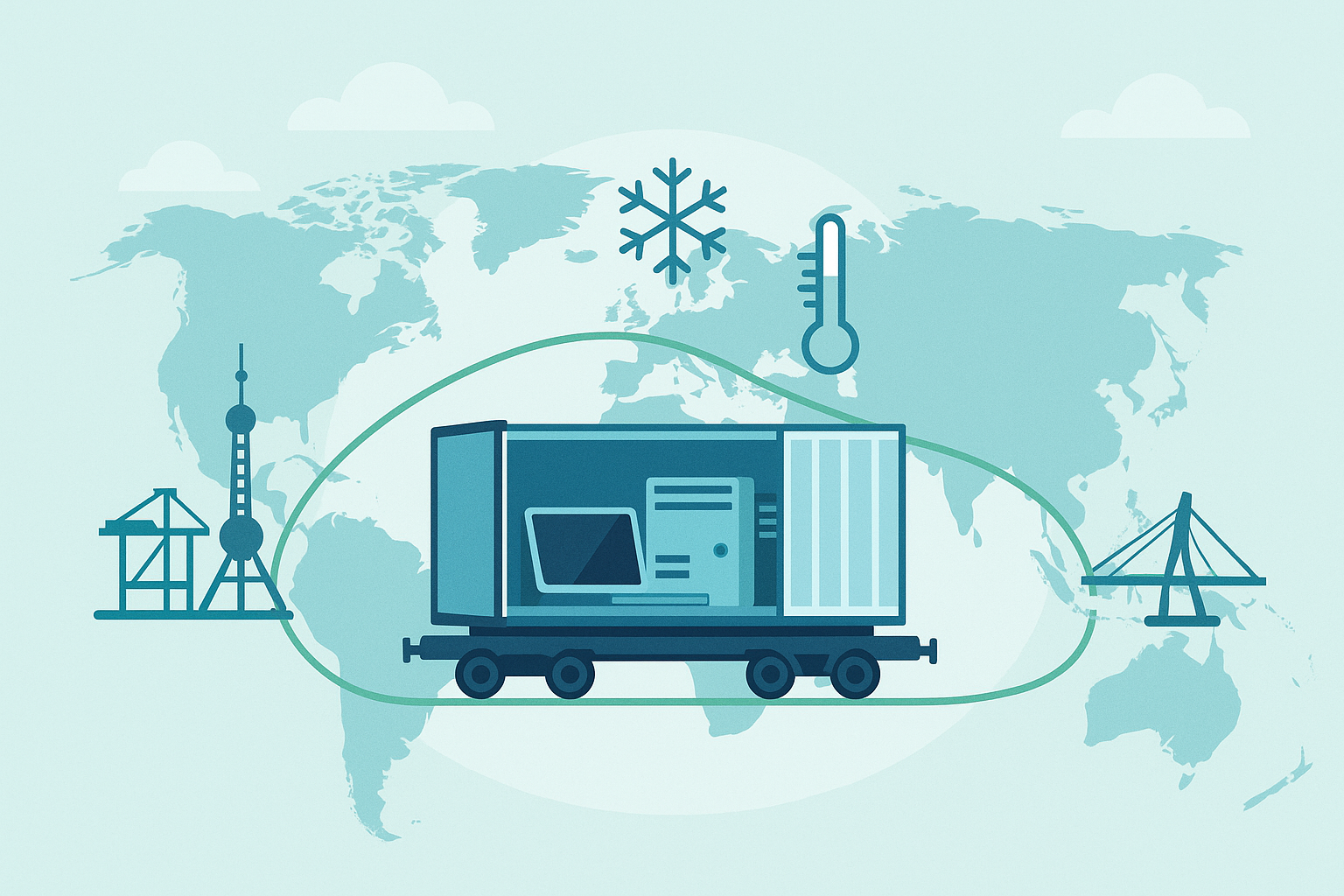
When high-value electronics require strict temperature control, selecting the reefer FCL best route for electronics from China to Ireland becomes a strategic supply chain decision rather than a simple freight choice. However, transit time variability, port congestion, and customs complexity often challenge importers. Therefore, this guide outlines reliable routes, realistic shipping timelines, and risk-reduction strategies—while showing how experienced providers such as Top China Freight help importers protect product integrity and delivery commitments.
What Makes Reefer FCL Essential for Electronics Shipments?
Reefer FCL shipping is designed to maintain stable temperature and humidity levels throughout the journey. For electronics, this matters because microchips, circuit boards, and finished devices can degrade when exposed to condensation or heat fluctuations.
Moreover, full container load shipping limits cargo handling. As a result, sensitive electronics face fewer touchpoints compared with LCL consolidation. Consequently, reefer FCL improves cargo security, transit time reliability, and overall supply chain predictability.
How Does Route Selection Affect Reefer FCL Transit Time?
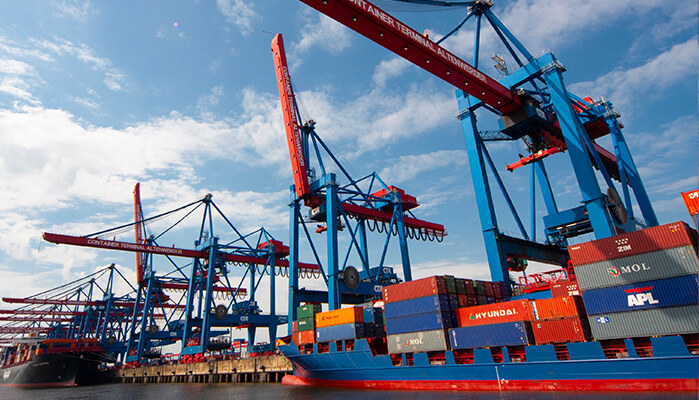
Route planning directly influences both shipping time and risk exposure. Although multiple sea routes connect China to Ireland, not all suit temperature-controlled electronics.
Direct services with fewer transshipment ports typically reduce dwell time and power interruptions. Therefore, selecting the reefer FCL best route for electronics exports often means balancing sailing frequency with minimal port transfers rather than choosing the shortest theoretical distance.
Which China Ports Offer the Most Reliable Reefer FCL Departures?
China’s major export hubs differ in reefer container availability and sailing stability. In practice, ports with strong cold chain infrastructure deliver more consistent outcomes.
Common departure ports include:
- Shanghai: frequent Europe-bound services and strong reefer plug capacity
- Ningbo: competitive freight rates and stable export schedules
- Shenzhen (Yantian): efficient customs handling for electronics
Because reefer slots can tighten during peak season, many importers work with flexible port strategies supported by professional sea freight solutions rather than relying on a single gateway.
What Are the Best Arrival Ports in Ireland for Reefer Electronics?
On the destination side, port choice shapes inland efficiency and clearance speed. Dublin remains the primary port for containerized imports, offering the strongest inland connectivity.
However, some routes utilize transshipment via Rotterdam or Antwerp before final feeder services to Ireland. Although this adds handling, it may improve sailing frequency and equipment availability during capacity constraints.
| Arrival Option | Typical Transit Time | Key Consideration |
|---|---|---|
| Direct to Dublin | 32–38 days | Fewer handovers |
| Via Rotterdam | 35–42 days | Higher sailing frequency |
| Via Antwerp | 36–44 days | Flexible reefer capacity |
Therefore, route selection should align with delivery schedules rather than headline transit days alone.
Case Studies
Consumer Electronics from Shanghai to Dublin
Shipment details:
- Cargo: Smart home control units
- Volume: 1 × 40HQ reefer FCL
- Route: Shanghai → Dublin
Outcome:
The shipment followed a direct service with controlled reefer monitoring. Port-to-port transit reached 35 days, while customs clearance completed within 72 hours. As a result, total delivery time remained predictable despite tight temperature requirements.
Industrial Electronics from Ningbo to Cork (via EU Hub)
Shipment details:
- Cargo: Industrial control modules
- Volume: 1 × 40GP reefer FCL
- Route: Ningbo → Rotterdam → Ireland
Outcome:
Although transshipment added several days, stable reefer power supply and coordinated inland delivery kept total transit within 42 days. Consequently, the importer avoided air freight escalation while preserving product integrity.
Should Reefer FCL Be Chosen Over Air Freight for Electronics?
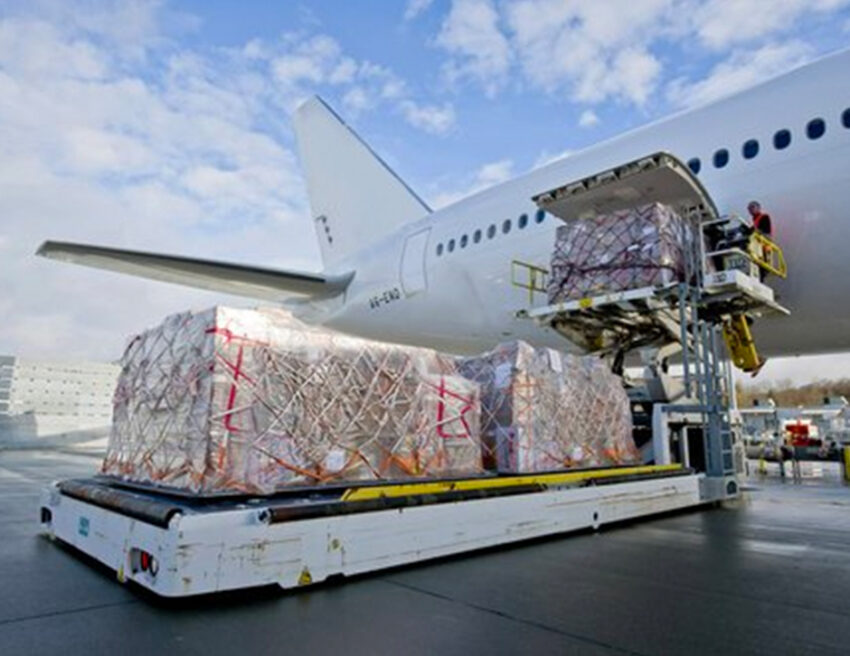
Air freight often appears attractive for electronics due to speed. However, for palletized or bulky electronic goods, reefer FCL frequently offers a better balance between cost and control.
| Transport Mode | Transit Time | Cost Level | Temperature Stability |
|---|---|---|---|
| Reefer FCL Sea Freight | 32–44 days | Moderate | High |
| Standard Air Freight | 5–7 days | High | Moderate |
| Temperature-Controlled Air | 4–6 days | Very High | High |
As a result, many importers reserve air freight for emergencies while relying on reefer FCL for planned replenishment cycles.
Can Door-to-Door Reefer Planning Reduce Supply Chain Risk?
Door-to-door planning integrates ocean transport, customs clearance, and inland delivery into one workflow. Instead of managing multiple service providers, importers gain unified visibility.
For reefer electronics shipments, this approach minimizes temperature exposure during handovers and reduces coordination gaps. Consequently, many companies adopt integrated door-to-door shipping to stabilize end-to-end transit time.
What Are the Main Risks in Reefer FCL Electronics Transport?
Although reefer containers provide controlled environments, several risks can still disrupt the supply chain. These risks typically appear at transition points rather than during open-ocean sailing.
Key risk factors include:
- Port congestion causing extended dwell time
- Power interruptions during transshipment
- Inaccurate temperature set-point configuration
- Delays in customs inspection
Because these issues compound quickly, proactive monitoring and contingency planning remain critical for electronics importers shipping to Ireland.
Conclusion
Ultimately, choosing the reefer FCL best route for electronics from China to Ireland requires a balance of transit reliability, temperature control, and customs readiness. Because route selection, port infrastructure, and documentation accuracy all interact, integrated planning delivers the most consistent outcomes. By prioritizing stability over short-term savings, electronics importers can protect cargo value and maintain dependable supply chains.
Request A Free Quote
Start shipping smarter with TopChinaForwarder today! 🚢✨ Request a Free Quote 📝 and get a tailored logistics plan built around your cargo and timeline.
FAQ:
How long does reefer FCL shipping from China to Ireland usually take?
Transit typically ranges from 32 to 44 days depending on routing and port congestion.
Are reefer containers necessary for all electronics?
They are recommended for sensitive or high-value electronics vulnerable to humidity or heat.
What documents matter most for electronics imports?
Accurate invoices, HS codes, and EU compliance declarations are essential.
Can reefer FCL be tracked in real time?
Most carriers provide temperature and milestone monitoring during transit.
When should bookings be made during peak season?
Ideally 3–4 weeks in advance to secure reefer equipment and sailing space.