- By della
- November 13, 2025
- Rail Fregiht, Shipping
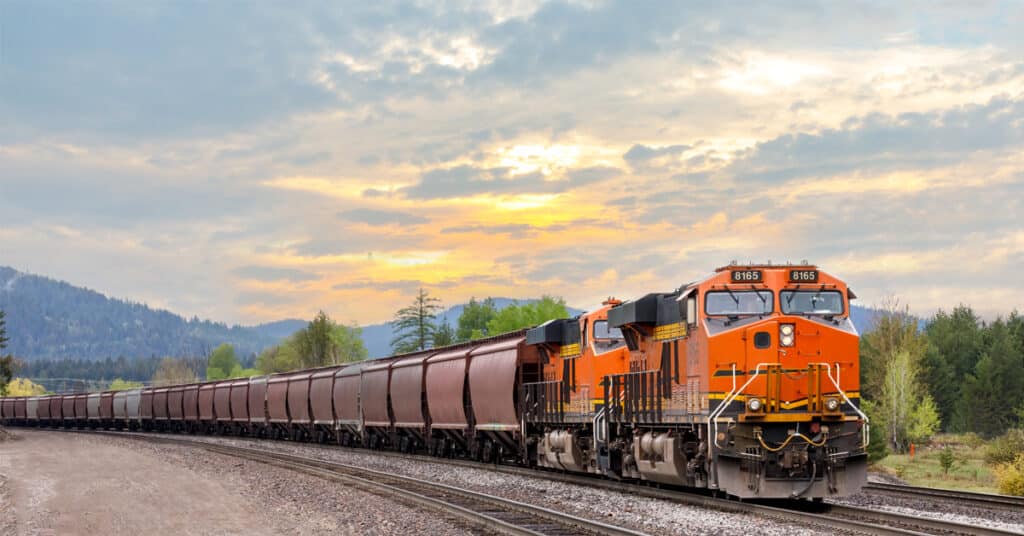
With the rise of cost-conscious, time-sensitive cross-border shipping, many businesses are turning to professional rail freight from Shenzhen to Germany as a smart, reliable choice. Faster than sea freight and significantly more affordable than air cargo, China-Europe rail transport is increasingly popular among SMEs and large manufacturers alike. This guide explores how to use rail freight effectively, what to expect, and how to avoid delays and overspending.

What Are the Advantages of Shipping by Rail from Shenzhen to Germany?
Professional rail shipping is ideal for medium-volume cargo that must arrive faster than sea freight allows but doesn’t justify expensive air freight. It also supports door-to-door delivery options across Europe.
| Shipping Mode | Transit Time | Typical Cost Level | Best For |
|---|---|---|---|
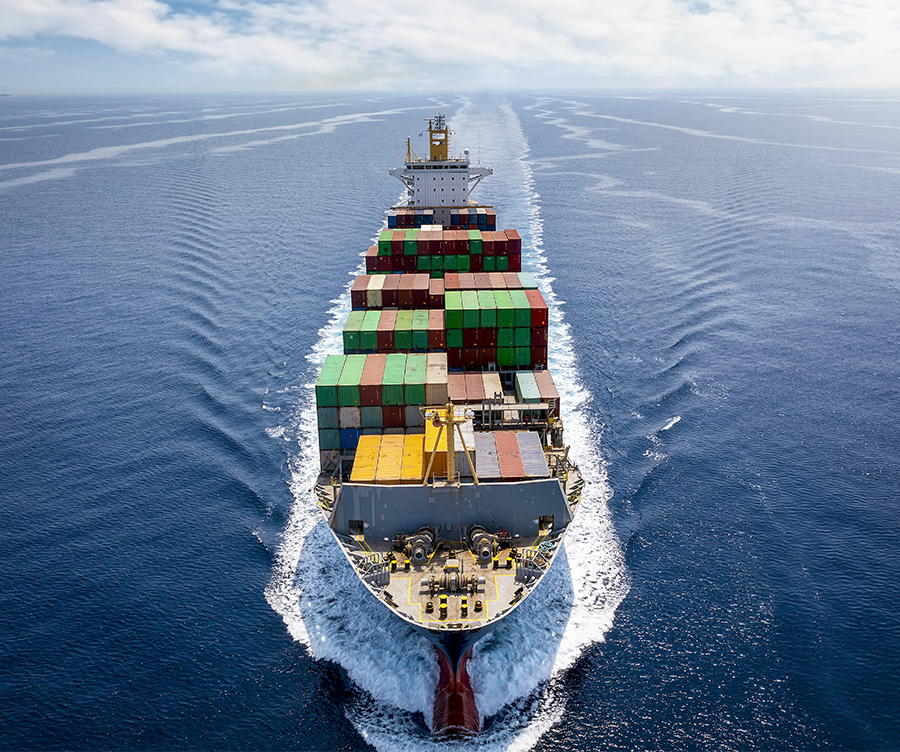
| Sea Freight | 35–45 Days | Low | Bulky, low-priority cargo |
| Rail Freight | 17–21 Days | Medium | Pallets, electronics, machinery |
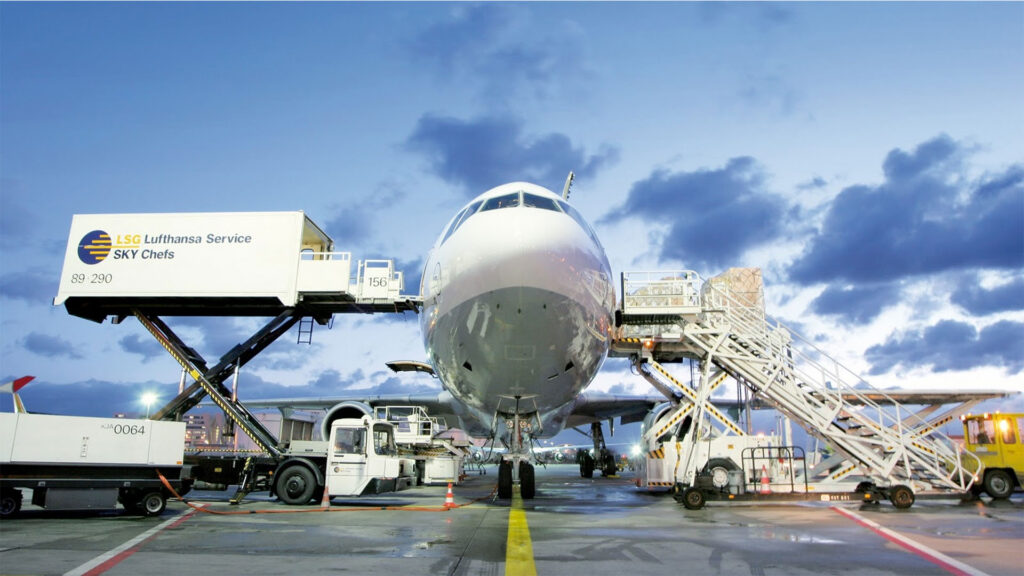
| Air Freight | 5–9 Days | High | Urgent, lightweight shipments |
Moreover, rail freight helps reduce CO₂ emissions, contributing to a greener supply chain.
How Long Does Rail Freight Take to Deliver Goods to Germany?
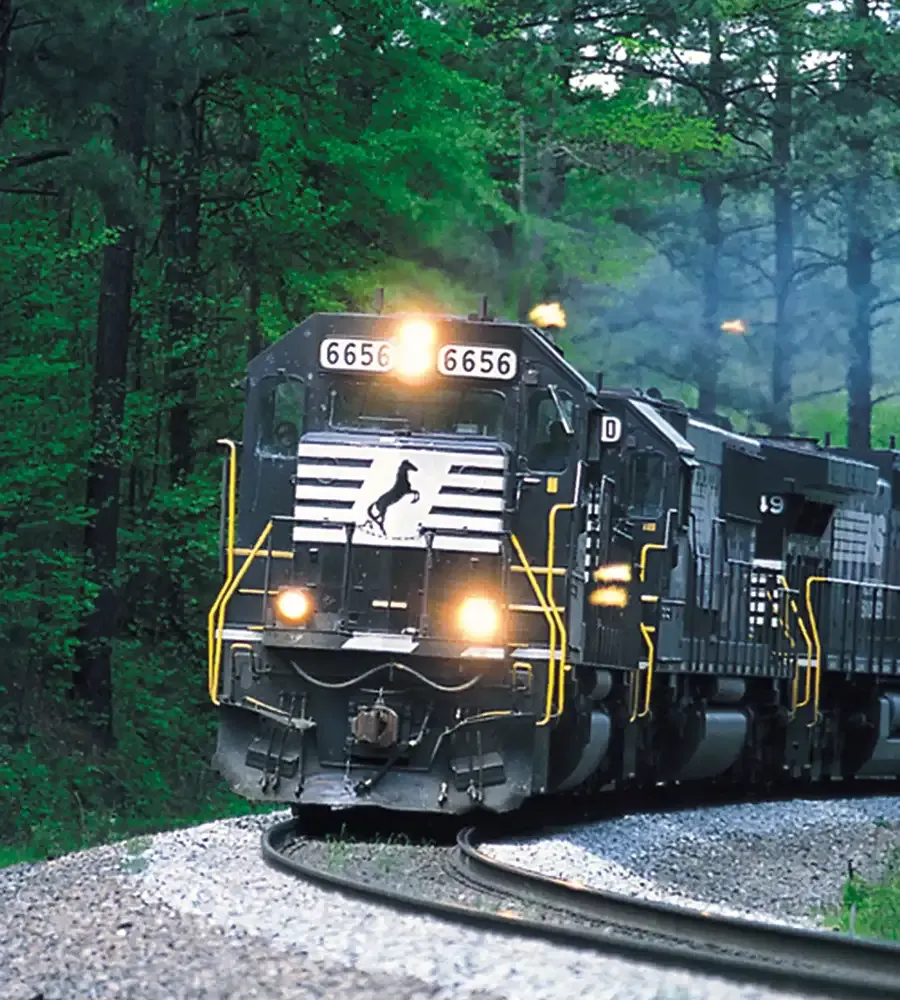
Rail freight from Shenzhen to Germany typically takes 17–22 days, depending on routing, weather, and customs procedures. Final delivery to cities like Hamburg, Berlin, or Frankfurt takes an extra 1–3 days via local trucking.
| City | Rail Transit Days | Final Mile (Truck) |
|---|---|---|
| Hamburg | 18–20 Days | 1–2 Days |
| Berlin | 19–21 Days | 1 Day |
| Munich | 20–22 Days | 2–3 Days |
Whenever possible, choose a logistics partner with integrated EU rail terminal access to cut down delays.
What Type of Cargo Is Ideal for Rail Shipping?
Rail freight is best suited for cargo that’s moderately time-sensitive and cost-sensitive. It accepts FCL (Full Container Load) and LCL shipments.
| Cargo Type | Why It Works for Rail |
|---|---|
| Automotive Parts | Maintains just-in-time delivery efficiently |
| Electronics | Palletized and moderately urgent |
| Industrial Machinery | Heavy but stable-value products |
| Fashion & Apparel | Seasonal merchandise, time-flexible |
Additionally, temperature-controlled containers are available for perishable goods.
What Documentation Is Required for Rail Freight to Germany?
Proper documentation is essential for seamless customs clearance both in China and in the EU. Below are the essentials:
| Document Type | Purpose |
|---|---|
| Commercial Invoice | Declares value, HS codes, transaction basis |
| Packing List | Lists items, weights, box size |
| Waybill (Rail) | Verifies transport route and origin |
| Export Declaration | Submitted by freight forwarder from China |
| EORI (EU Importer Code) | Mandatory for German consignee |
| CE/FDA Certificates | For applicable items like electronics or devices |
Incomplete or inaccurate documentation often leads to customs delays or fines.
What Are Real-Life Examples of Successful Rail Freight to Germany?
📦 Case Study 1: Automotive Parts to Frankfurt
- From: Shenzhen, Bao’an
- To: Distribution hub, Frankfurt
- Goods: 1 pallet (450kg), auto sensors
- Method: Rail (LCL)
- Cost: $980
- Transit Time: 19 Days
💡 Outcome: Delivered with full customs clearance using EORI. Arrived ahead of the production cycle.
⚙️ Case Study 2: Home Electronics to Berlin
- From: Shenzhen Hi-Tech Zone
- To: Retail warehouse, Berlin
- Goods: 1.5 CBM/300kg smart thermostats
- Method: LCL Rail + Truck
- Cost: $830
- Transit Time: 18 Days
💡 Outcome: Product launched on time for autumn promotions with no customs holdups.
Need a shipping solution? 🚢 Request a Free Quote 📝 from TopChinaFreight and get the best rates and fastest routes today!
How Much Does Professional Rail Freight Cost?
Rail freight prices are mid-tier—more than ocean freight but far less than air. Costs depend on size, weight, and service type (FCL or LCL).
| Cargo | Volume | Estimated Cost (USD) | Transit |
|---|---|---|---|
| Fashion Apparel | 200kg (6 boxes) | 580–580–700 | 18 Days |
| Medical Devices | 1 pallet (600kg) | 900–900–1,150 | 19 Days |
| CNC Machine | 2 CBM, 1,000kg | 1,300–1,300–1,700 | 21 Days |
Consider requesting DDP pricing to include import duties and VAT calculation.
What Are the Main Pros and Cons Compared to Air and Sea?
| Factor | Rail Freight | Air Freight | Sea Freight |
|---|---|---|---|
| Cost | Medium 🌟🌟🌟 | High 🌟🌟 | Low 🌟🌟🌟🌟 |
| Speed | 17–21 Days 🌟🌟🌟 | 5–9 Days 🌟🌟🌟🌟 | 35–45 Days 🌟 |
| CO₂ Emissions | Moderate 🌱 | High 🚫 | Lower 🌱🌱 |
| Preferred Cargo | Pallet, LCL/FCL | Urgent, lightweight | Heavy, non-urgent |
Therefore, if you want a predictable delivery window without higher air fees, rail freight is a top contender.
What Should You Look for in a Professional Rail Freight Partner?
Choosing the right logistics provider ensures fewer touchpoints and better results.
✅ Years of experience handling China–Germany rail freight
✅ Multimodal support: FCL, LCL, DDP
✅ Offers end-to-end tracking and customs support
✅ Clear quotes: No surprise terminal fees
✅ Available insurance options
✅ Bilingual support (EN/CN/DE)
Partnering with a rail freight expert helps you avoid tariffs misclassification, avoid EU inspection holds, and optimize delivery cycles.
✅ Conclusion
To summarize, professional rail freight from Shenzhen to Germany offers an excellent middle ground for importers needing reliable delivery within a short-to-medium timeframe.
It’s ideal for businesses looking to lower air freight costs while avoiding the long wait of sea transportation. With the right documentation and forwarder, customs, last-mile delivery, and transit tracking all become hassle-free.
Optimize your supply chain for both performance and profit—go rail, go pro.
Resquest A Free Quote
Get started with TopChinaFreight today! 🚢✨ Simply Request a Free Quote 📝 to receive a customized shipping solution tailored to your needs. Our experts will provide the best rates 💰, fastest routes 🚀, and professional guidance 🌍 for your international logistics.
FAQs
Q1. Can rail freight support temperature-sensitive products?
Yes, insulated and temperature-controlled containers are available to handle medical or food items across Europe.
Q2.Is rail freight a reliable option for Berlin or smaller German cities?
Definitely. Rail freight reaches major terminals and final-mile trucking completes rural deliveries reliably.
Q3.How do I ensure faster customs clearance in Germany?
Ensure document accuracy, use proper HS codes, and work with a partner that has EU EORI clearance knowledge.
Q4.Can I use rail shipping if I only have 1–2 CBM?
Yes, LCL (Less than Container Load) is ideal for 1–3 CBM cargo with competitive per CBM pricing.
Q5.Do I pay duties separately on rail shipments?
Only if you use DAP or FOB terms. DDP services cover duties upfront, simplifying the process.