
Open Top FCL Transit Time for Medical Equipment to California
Navigating the complexities of international freight, especially for sensitive cargo like medical equipment, demands precision and expertise. Understanding the Open Top FCL transit time for medical equipment from China to California is crucial for maintaining supply chain integrity and patient care. This comprehensive guide details the factors influencing shipping duration, costs, and best practices for your specialized freight.
What is Open Top FCL Shipping and Why Choose It for Medical Equipment?
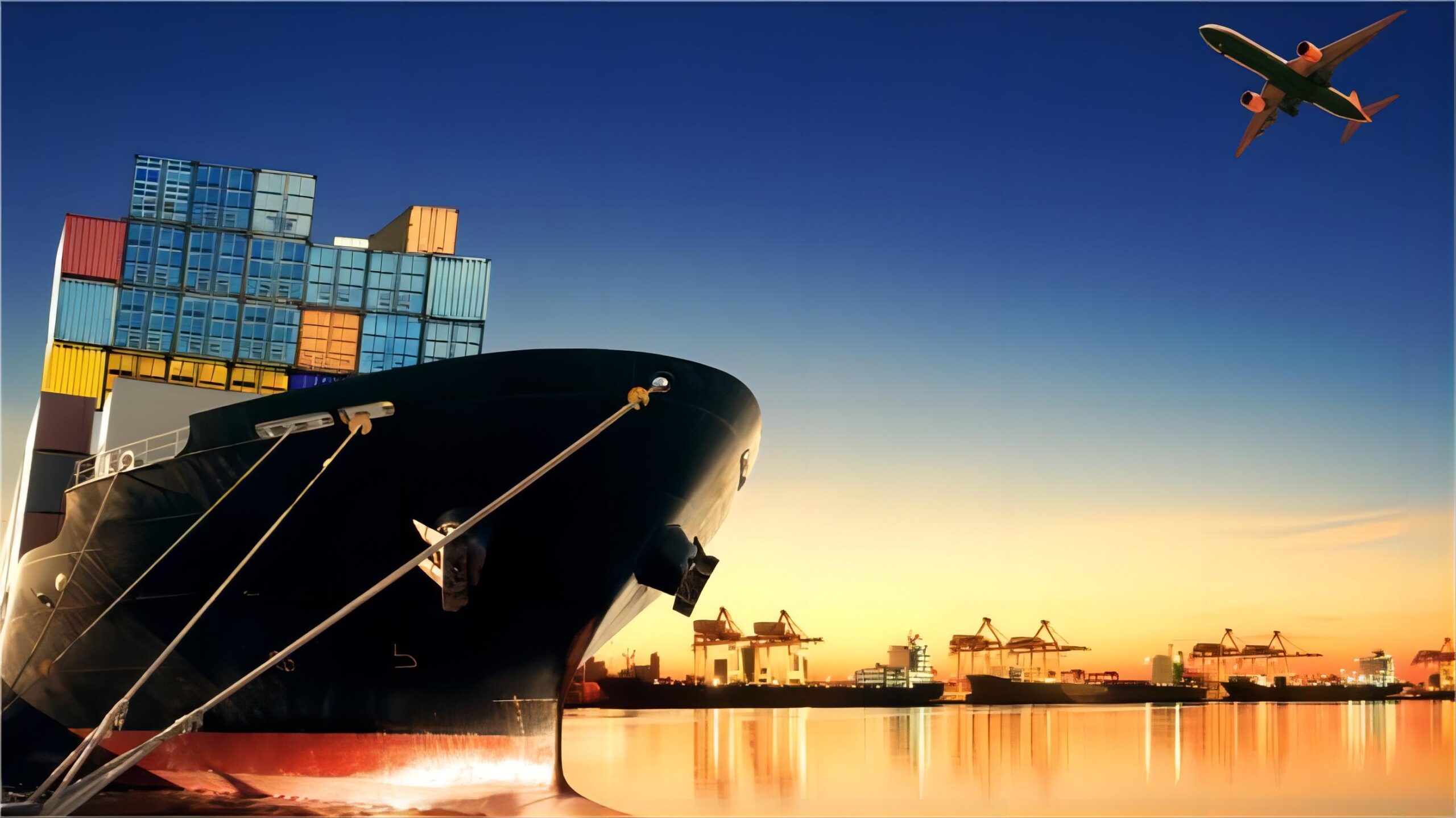
Open Top FCL (Full Container Load) shipping utilizes a standard container with a removable tarpaulin roof, rather than a solid one. This design allows for vertical loading by crane, which is ideal for oversized cargo. Consequently, items that exceed standard container door heights can be easily accommodated and secured.
For medical equipment, such as large MRI scanners, CT machines, or specialized surgical robots, Open Top FCL provides essential flexibility. This method ensures secure transport while protecting sensitive equipment from the elements. Furthermore, it prevents potential damage during loading and unloading, a critical consideration for high-value devices.
Choosing Open Top FCL for medical equipment shipments from China to California offers significant advantages. It minimizes handling risks and optimizes space for bulky items. Moreover, it is a key component of efficient sea freight expertise for specialized cargo.
What Key Factors Influence Open Top FCL Transit Time from China to California?
Several variables significantly impact the Open Top FCL transit time for medical equipment from China to California. Vessel speed and the choice between direct routes versus transshipment services are primary determinants. Direct routes typically offer faster delivery schedules, although they might incur slightly higher freight rates.
Port congestion at both origin (e.g., Shanghai, Ningbo) and destination (e.g., Los Angeles, Long Beach) can cause substantial delays. Seasonal peaks, such as before major holidays like Chinese New Year or during the Q4 shipping rush, further exacerbate these issues. Therefore, proactive planning is crucial to mitigate potential disruptions.
Customs clearance procedures and documentation accuracy also play a vital role in transit efficiency. Any discrepancies or incomplete paperwork can lead to significant hold-ups at the port of entry. Moreover, adverse weather conditions, like typhoons in Asia or winter storms in the Pacific, can affect vessel schedules.
What are Typical Open Top FCL Transit Times from China to California?
Generally, the Open Top FCL transit time for medical equipment from major Chinese ports like Shanghai, Ningbo, or Shenzhen to key California ports such as Los Angeles or Long Beach ranges from 14 to 25 days. This duration primarily accounts for the ocean leg of the journey. However, the total door-to-door delivery schedule will be longer.
Direct routes from China’s main export hubs to the US West Coast are the quickest option. For instance, a direct service from Shanghai to Los Angeles typically takes 14-18 days. In contrast, services involving transshipment through other Asian ports might extend this by an additional 3-7 days. Consequently, choosing a reliable carrier with direct services is paramount for time-sensitive cargo.
| Port of Origin | Port of Destination | Estimated Ocean Transit (Days) | Route Type |
|---|---|---|---|
| Shanghai | Los Angeles/Long Beach | 14-18 | Direct |
| Ningbo | Los Angeles/Long Beach | 16-20 | Direct |
| Shenzhen | Los Angeles/Long Beach | 18-22 | Direct |
| Xiamen | Los Angeles/Long Beach | 20-25 | Transshipment |
How to Navigate Customs and Regulations for Medical Equipment from China to California?
Importing medical equipment into California, and the United States generally, involves strict regulatory compliance by the FDA and other agencies. Accurate product classification, including Harmonized System (HS) codes, is absolutely essential. Any misclassification can lead to significant delays, penalties, or even cargo seizure.
Furthermore, importers must provide comprehensive documentation, such as commercial invoices, packing lists, bills of lading, and any required FDA pre-market notifications or clearances. Engaging expert customs brokerage services is highly recommended. This ensures all paperwork is correctly prepared and submitted, streamlining the import process and avoiding costly errors.
Staying informed about evolving import regulations and trade policies is crucial for a smooth supply chain. For example, tariffs and trade tensions can impact landed costs and require specific documentation. A proactive approach to compliance significantly reduces the risk of customs-related delays, protecting your medical equipment supply chain.
What are the Cost Considerations for Open Top FCL Medical Equipment Shipments?
The total shipping cost for Open Top FCL medical equipment from China to California involves several components. Ocean freight rates form the largest part, influenced by fuel surcharges, carrier capacity, and seasonal demand. As of Q1 2025, rates have shown some stabilization but remain subject to market fluctuations.
Additionally, origin charges (e.g., terminal handling, documentation, drayage to port) and destination charges (e.g., terminal handling, drayage from port, chassis fees) contribute to the overall expenditure. Specialized equipment like Open Top containers often incur a premium. This premium can range from 10-25% above standard dry container rates due to limited availability.
Import duties, taxes, and customs brokerage fees also add to the final landed cost. For high-value medical equipment, insurance is a non-negotiable expense to protect against potential loss or damage during transit. Requesting a detailed quote from a reputable freight forwarder provides a clear breakdown of all these costs.
How Does Open Top FCL Compare to Other Shipping Options for Medical Equipment?
When shipping medical equipment from China to California, businesses often weigh Open Top FCL against other methods. These include standard FCL, LCL, and air freight solutions. Each option presents different trade-offs in terms of speed, cost, and cargo handling capabilities.
Standard FCL suits equipment fitting conventional container dimensions without requiring vertical loading. LCL (Less than Container Load) is an economical choice for smaller volumes, consolidating multiple shipments. However, LCL often involves more handling and longer transit times due to consolidation and deconsolidation processes.
| Shipping Method | Cost Range (per 40HQ/equivalent) | Transit Time (Ocean/Air) | Best For | Limitations |
|---|---|---|---|---|
| Open Top FCL | $3,500-5,500 | 14-25 days | Oversized/Heavy Medical Equipment | Higher container premium, limited availability |
| Standard FCL | $2,800-3,800 | 14-25 days | Full loads fitting standard dimensions | Not suitable for oversized cargo, limited loading flexibility |
| LCL (Sea Freight) | $80-150/CBM | 20-35 days | Small volumes, cost-sensitive | Slower, more handling, higher risk of damage |
| Air Freight | $15,000-25,000 (for 5-10 CBM equivalent) | 3-7 days | Urgent, high-value, smaller items | Very high cost, volume/weight restrictions |
Case Studies: Real-World Open Top FCL Shipments of Medical Equipment
Examining real-world scenarios provides practical insights into the complexities and successful execution of Open Top FCL shipments. These examples highlight how various factors impact the overall logistics and delivery schedule for medical equipment.
Case Study 1: Large Diagnostic Imaging System
This case involved a large diagnostic imaging system, crucial for a new hospital wing in California. The equipment’s height necessitated an Open Top container, ensuring safe vertical loading.
| Detail | Description |
|---|---|
| Route | Shanghai, China -> Los Angeles, USA |
| Cargo | MRI Scanner Components, 25 CBM, 8,500 kg |
| Container | 40′ Open Top (40OT) |
| Shipping Details | Carrier/Service: Major carrier, Port of Loading: Shanghai, Port of Discharge: Los Angeles, Route Type: Direct |
| Cost Breakdown | Ocean Freight: $4,200, Origin Charges (THC, documentation): $550, Destination Charges: $600, Customs & Duties (estimated): $1,800, Total Landed Cost: $7,150 |
| Timeline | Booking to Loading: 7 days, Sea Transit: 16 days, Customs Clearance: 3 days, Total Door-to-Door: 28 days |
| Key Insight | Proactive customs pre-clearance and direct service minimized overall transit time, essential for project deadlines. Typical rates as of early 2025. |
Case Study 2: Specialized Surgical Robotics
A shipment of specialized surgical robotics, needing careful handling and specific dimensions, utilized an Open Top FCL. This ensured the integrity of delicate, high-value medical devices upon arrival.
| Detail | Description |
|---|---|
| Route | Shenzhen, China -> Long Beach, USA |
| Cargo | Robotic Surgical System, 18 CBM, 6,000 kg |
| Container | 20′ Open Top (20OT) |
| Shipping Details | Carrier/Service: Major carrier, Port of Loading: Shenzhen, Port of Discharge: Long Beach, Route Type: Direct |
| Cost Breakdown | Ocean Freight: $3,800, Origin Charges (THC, documentation): $480, Destination Charges: $550, Customs & Duties (estimated): $1,500, Total Landed Cost: $6,330 |
| Timeline | Booking to Loading: 5 days, Sea Transit: 19 days, Customs Clearance: 4 days, Total Door-to-Door: 30 days |
| Key Insight | Choosing a carrier with excellent port-to-port reputation and robust cargo handling protocols was paramount for this high-value shipment. Based on Q3 2024 market rates. |
Case Study 3: Multiple Medical Device Prototypes
This scenario involved several medical device prototypes, requiring secure and timely delivery for critical testing and certification in California. An Open Top container allowed for efficient loading of various sized units.
| Detail | Description |
|---|---|
| Route | Ningbo, China -> Oakland, USA |
| Cargo | Various Medical Prototypes, 22 CBM, 7,200 kg |
| Container | 40′ Open Top (40OT) |
| Shipping Details | Carrier/Service: Major carrier, Port of Loading: Ningbo, Port of Discharge: Oakland, Route Type: Direct (with potential feeder) |
| Cost Breakdown | Ocean Freight: $4,500, Origin Charges (THC, documentation): $580, Destination Charges: $620, Customs & Duties (estimated): $2,000, Total Landed Cost: $7,700 |
| Timeline | Booking to Loading: 6 days, Sea Transit: 22 days, Customs Clearance: 5 days, Total Door-to-Door: 35 days |
| Key Insight | Navigating Q4 peak season required early booking and flexible delivery options to mitigate port congestion and ensure timely arrival. Market data suggests rates typically increase 15-25% during August-October. |
How to Optimize Your Supply Chain for Faster Transit and Cost Savings?
Optimizing your medical equipment supply chain from China to California requires strategic planning and execution. Firstly, early booking is essential, especially during peak seasons, to secure container space and favorable freight rates. This proactive approach helps avoid last-minute rush fees and potential delays.
Secondly, consolidating shipments where possible can lead to cost efficiencies, although this is less common for specialized Open Top cargo. However, optimizing cargo packing and dimensions to fit the container precisely can prevent wasted space. Working with experienced freight forwarders who understand specialized cargo handling is also crucial.
Furthermore, consider pre-clearing customs declarations before the vessel even arrives at the destination port. This significantly reduces dwell time and accelerates the release of your medical equipment. Maintaining accurate and complete documentation throughout the process prevents costly delays and streamlines the entire import procedure. This is vital for Amazon FBA logistics or direct distribution.
Which Shipping Option Should You Choose for Your Medical Equipment from China to California?
Deciding on the optimal shipping method for medical equipment involves a careful assessment of several criteria. Your budget priority, speed requirements, and the specific characteristics of your cargo will guide this decision. Understanding these trade-offs is key to efficient logistics.
If budget is your primary concern and you have ample lead time, standard FCL or Open Top FCL are typically the most cost-effective options for larger volumes. Conversely, if speed is paramount for critical or emergency medical supplies, air freight is the only viable solution, despite its higher cost.
For oversized or irregularly shaped medical machinery, Open Top FCL is undeniably the superior choice, offering specialized handling and protection. In contrast, smaller, high-value components that fit standard containers might benefit from standard FCL or even LCL if volumes are low and time is not critical. Always consider the total landed cost versus the urgency of delivery for your specific medical equipment imports.
Note: Freight rates are subject to change based on fuel costs, carrier capacity, and seasonal demand. Contact us for a current quote tailored to your specific shipment.
Ensuring Smooth Open Top FCL Transit for Medical Equipment
Successfully managing the <a href=”https://Top China Freight.net/”>Open Top FCL transit time for medical equipment from China to California</a> requires a deep understanding of logistics, regulations, and market dynamics. From selecting the right container to navigating customs, every step impacts your supply chain efficiency. Prioritizing careful planning and partnering with a knowledgeable freight forwarder are essential for success.
Ultimately, balancing speed, cost, and cargo integrity is paramount when dealing with high-value and sensitive medical devices. By leveraging specialized containers and expert services, businesses can ensure their critical equipment reaches its California destination reliably. This proactive approach supports patient care and maintains operational continuity.
Get Your Shipping Quote Today
Ready to optimize your Open Top FCL transit time for medical equipment from China to California? Contact our expert team today for a personalized quote and tailored logistics solutions. We ensure your sensitive cargo arrives safely and efficiently, every time.
Request Quote