As Europe accelerates renewable energy deployment, many importers now face an open top FCL container shortage solution for solar panels from China to Sweden as a critical logistics challenge. However, with the right routing strategy, container alternatives, and compliance planning, delays and cost spikes can be avoided through experienced partners like Top China Freight. Therefore, this guide breaks down practical, field-tested solutions that keep solar projects on schedule.
Why Are Open Top FCL Containers in Short Supply?
Although demand for open top containers has always fluctuated, recent shifts in global trade have intensified shortages. Consequently, solar panel shipments are often deprioritized behind heavy machinery and steel cargo.
Key drivers behind the shortage
Rising infrastructure and energy projects worldwide
Limited repositioning of empty open top containers
Longer container turnaround times
Carrier allocation favoring higher-yield cargo
As a result, solar panel shippers must adapt quickly rather than wait for availability.
What Makes Solar Panels Dependent on Open Top Containers?
Solar panels, especially utility-scale modules, often exceed standard container height limits. Therefore, open top FCL containers remain a preferred option.
Typical solar cargo constraints
Oversized pallets exceeding 2.6m height
Fragile glass surfaces requiring vertical loading
Strict stacking and lashing requirements
Sensitivity to vibration and moisture
Because of these factors, container choice directly affects cargo integrity and insurance exposure.
How Severe Is the Impact on China–Sweden Supply Chains?
While shortages affect multiple regions, Northern Europe feels a stronger impact due to limited direct sailings. Consequently, delivery schedules for Sweden become harder to maintain.
Supply chain consequences
Extended shipping time
Higher freight rates during peak season
Project installation delays
Increased inland storage costs
Therefore, proactive planning becomes essential for solar importers targeting Scandinavian markets.
What Alternative Container Solutions Can Replace Open Top FCL?
When open top containers are unavailable, shippers can consider engineered alternatives. However, each option carries trade-offs.
Container Type
Suitability for Solar Panels
Key Limitation
Flat Rack FCL
High for oversized modules
Higher cost
Standard 40HQ
Medium for packed panels
Height limits
Breakbulk
Project cargo only
Longer handling
Charter vessel
Large projects
Complex planning
Thus, solution selection depends on shipment size, urgency, and risk tolerance.
Case Studies
Jiangsu to Gothenburg Solar Project
Origin: Changzhou, China Destination: Gothenburg, Sweden Cargo: Utility-scale solar panels Solution: Flat Rack FCL Transit Time: 41 days Estimated Cost: USD 7,200
Because open top containers were unavailable, the shipper switched early to flat rack units, preventing installation delays and avoiding peak-season premiums.
Zhejiang to Malmö Solar Distribution
Origin: Haining, China Destination: Malmö, Sweden Cargo: Rooftop solar panels Solution: Mixed routing with standard FCL + flat rack Transit Time: 38 days Estimated Cost: USD 6,500
Because only partial open top capacity was available, the shipper combined container types and staged deliveries. As a result, warehouse overflow and installation delays were avoided.
How Do Freight Rates Compare During Container Shortages?
Although costs fluctuate, understanding ranges supports budgeting decisions.
Shipping Option
Cost Range (Indicative)
Transit Reliability
Open Top FCL
USD 4,800–6,200
Medium
Flat Rack FCL
USD 6,200–7,800
High
Breakbulk
Project-based
Variable
Because rates spike quickly during shortages, early booking remains the strongest cost control measure.
How Does Customs Compliance Affect Solar Panel Shipments?
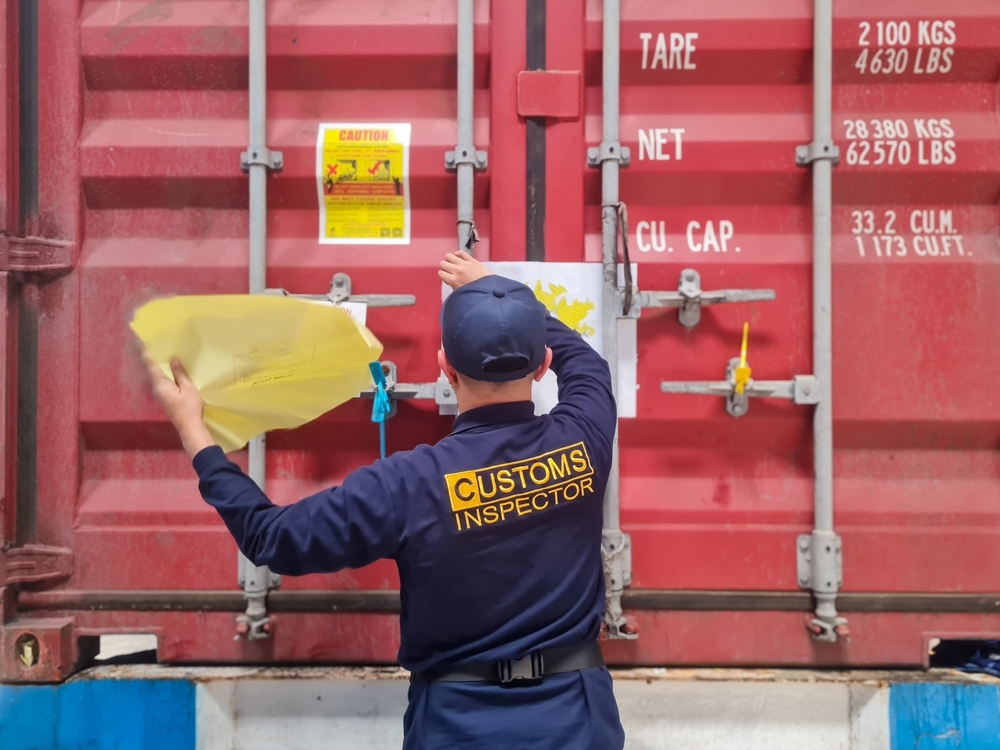
Even with the right container solution, customs clearance errors can cause costly port holds. Therefore, compliance preparation must start before booking.
How Can Shippers Reduce Risk During Container Shortages?
Although shortages create uncertainty, risk can still be managed with structured planning. As a result, experienced importers focus on flexibility rather than waiting for ideal conditions.
Risk mitigation tactics that work
Lock alternative container types early
Split large volumes into multiple sailings
Maintain safety stock for critical components
Monitor carrier equipment forecasts weekly
Because solar projects operate on fixed installation timelines, proactive risk management protects both budgets and contractual obligations.
Conclusion
An open top FCL container shortage solution for solar panels from China to Sweden depends on flexibility, early planning, and informed container alternatives. Rather than waiting for scarce equipment, successful importers adapt routes, container types, and delivery strategies to maintain momentum. With the right logistics approach, solar projects can stay on schedule despite global supply chain disruptions.
Request A Free Quote
Start shipping smarter with TopChinaForwarder today! 🚢✨ Request a Free Quote 📝 and get a tailored logistics plan built around your cargo and timeline.