
Open Top FCL: Best Route for Hardware Tools China to Long Beach
Shipping oversized or irregularly shaped hardware tools from China to Long Beach presents unique logistical challenges. Ensuring safe, efficient, and cost-effective transport requires careful planning and the right shipping solution. Fortunately, Open Top Full Container Load (FCL) offers a robust option for these specialized cargo needs. Discover how Top China Freight can streamline your supply chain.

Understanding Open Top FCL for Hardware Tools
Open Top FCL containers are specifically designed for cargo that cannot be loaded through standard container doors due to height or shape. This includes items with excessive height or those requiring crane access for loading from above. For instance, large industrial saws, heavy machinery components, or tall manufacturing equipment are ideal candidates for this container type.
Crucially, these containers provide a secure and weather-resistant solution once covered with a robust tarpaulin, protecting your valuable hardware tools during transit. This specialized approach ensures that even the most challenging items can be transported safely across oceans. Furthermore, it simplifies cargo handling at both origin and destination ports, minimizing potential damage and streamlining operations.

Typically, Open Top containers come in 20-foot and 40-foot configurations, offering substantial capacity for bulkier items. Their design directly addresses the pain points of shipping non-standard dimensions, making them indispensable for many hardware tool importers. Consequently, understanding their specifications is the first step towards optimized logistics.
Why Choose Open Top FCL for Your Hardware Shipments?
Opting for Open Top FCL provides distinct advantages, particularly when shipping substantial volumes of hardware tools. It offers dedicated space, meaning your cargo is not consolidated with other shippers’ goods. Consequently, this reduces the risk of damage, pilferage, and ensures faster processing at both origin and destination ports.
Moreover, the full container capacity is exclusively yours, allowing for optimal loading and securing of irregular or heavy items. This method is often more cost-effective for large, volume-heavy shipments than Less than Container Load (LCL) options, providing superior value per unit volume. Without a doubt, it is the preferred choice for maximizing shipping efficiency and cargo integrity for oversized hardware tools from China to Long Beach.
Additionally, the specialized nature of Open Top FCL often means less handling compared to LCL or breakbulk options. Fewer touchpoints translate directly into a lower probability of freight damage. Therefore, for valuable and sensitive hardware tools, the enhanced security and reduced risk offered by Open Top FCL are significant benefits.
Key Ports and Route Optimization from China to Long Beach
The journey for your hardware tools typically begins at major Chinese ports such as Shanghai, Ningbo, or Shenzhen. These ports are renowned for their advanced infrastructure, deep-water berths, and extensive shipping networks capable of handling specialized cargo efficiently. Therefore, selecting the right port of loading can significantly impact transit times and overall logistics efficiency.
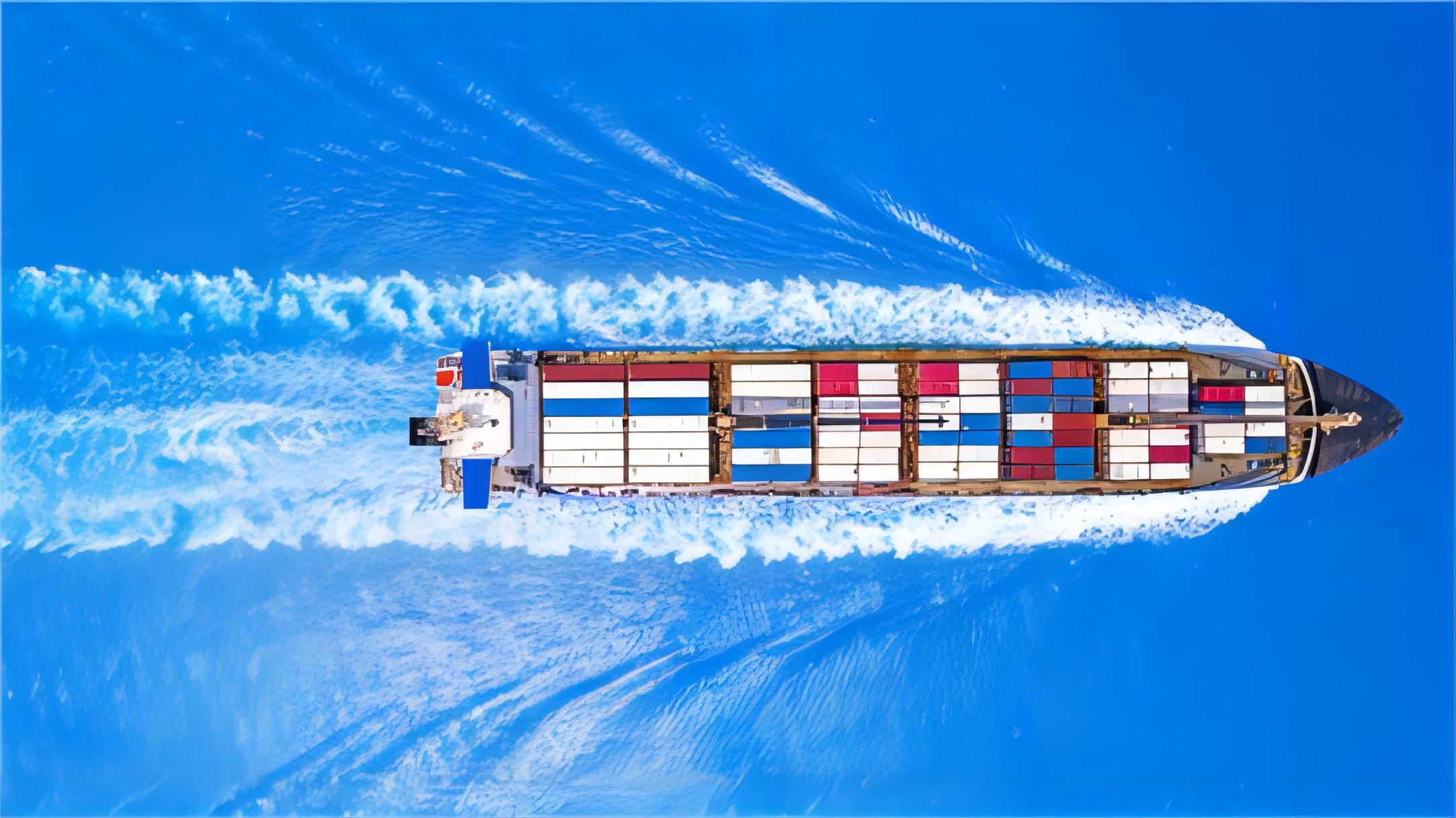
From these key hubs, direct routes to Long Beach, California, are highly preferred for their speed and reliability. Direct services minimize transshipment points, which can otherwise introduce delays and increase handling risks. Consequently, a streamlined route ensures your hardware tools reach their destination promptly and in excellent condition. Consider sea freight for these large-scale shipments, focusing on reputable carriers.
As of Q1 2025, freight rates from China to the USA West Coast have seen some stabilization after recent global disruptions, though seasonal fluctuations persist. Optimizing your route involves understanding carrier schedules and avoiding peak season surcharges where possible. Moreover, utilizing established lanes like those to Long Beach ensures consistent service and predictable delivery schedules.
How Does Open Top FCL Compare to Other Shipping Options?
When planning your hardware tool shipment, evaluating various methods is essential to find the best balance of cost, speed, and suitability. Open Top FCL stands out for specific cargo types, yet other options might be more appropriate depending on your exact requirements. Each shipping method has distinct advantages and limitations.
To illustrate, consider the following comparison of common freight options from China to Long Beach. This objective analysis helps highlight why Open Top FCL is often the optimal choice for oversized or heavy hardware tools, while also presenting viable alternatives for different scenarios. Understanding these trade-offs is crucial for strategic decision-making.
Note: Freight rates are subject to change based on fuel costs, carrier capacity, and seasonal demand. Contact us for a current quote tailored to your specific shipment.
| Shipping Method | Cost Range (40HQ approx.) | Transit Time (China to Long Beach) | Best For | Limitations |
|---|---|---|---|---|
| Open Top FCL | $2,800 – $3,800 | 14 – 18 days | Oversized, heavy, or crane-loaded hardware tools | Requires specialized equipment for handling, slightly higher cost than standard FCL |
| Standard FCL | $2,500 – $3,500 | 14 – 18 days | Standard-sized, high-volume hardware tools | Limited to door-loading dimensions, not suitable for very tall items |
| LCL | $50 – $80 per CBM | 20 – 30 days | Smaller shipments (under 15 CBM), less urgent cargo | Longer transit, more handling points, potential delays, higher risk of damage |
| Air Freight | $15,000 – $25,000 | 5 – 7 days | Urgent, high-value, or lightweight hardware tools | Very high cost, strict weight/size limits, not economical for bulk |
Sea Freight Alternatives: Standard FCL vs. LCL
Standard FCL containers are suitable for cargo that fits within conventional dimensions and can be loaded through doors. This is excellent for palletized boxes of smaller hardware items. However, for shipments under 15 CBM, Less than Container Load (LCL) options might prove more economical. LCL consolidates multiple smaller shipments into one container, sharing the space and cost.
Nevertheless, LCL can entail longer transit times due to consolidation and deconsolidation processes at various hubs. In contrast, standard FCL offers dedicated container space and generally faster port-to-port transit with less handling. Therefore, your cargo volume, urgency, and specific cargo handling needs will dictate the most appropriate sea freight choice for your hardware tools.
Air Freight: Speed vs. Cost
For urgent or high-value hardware tools, air freight offers unparalleled speed, typically delivering within 5-7 days from China to Long Beach. This rapid transit time drastically reduces lead times, which can be critical for time-sensitive projects or emergency repairs. However, the premium for speed comes with significantly higher shipping costs.
Consequently, air freight is generally reserved for smaller, lighter shipments where the cost is justified by the urgency or high value of the goods. For instance, a critical replacement part for a manufacturing line might necessitate air freight. Conversely, shipping an entire inventory of heavy industrial hardware tools via air would be prohibitively expensive and impractical due to weight and volume restrictions.
Hybrid Solutions for Specific Needs
Sometimes, a hybrid approach, such as sea-air, can offer a balanced solution for certain hardware tool shipments. This method involves shipping goods by sea to an intermediate hub (e.g., in the UAE or Europe), then by air to the final destination. As a result, it provides a middle ground between the speed of air freight and the cost-effectiveness of ocean freight.
However, hybrid solutions add complexity and often involve more handling points, potentially increasing transit risks and administrative overhead. Therefore, a thorough cost-benefit analysis is crucial before opting for such an approach. Ultimately, understanding your specific supply chain needs and risk tolerance is paramount for selecting the right strategy.
Navigating Customs and Documentation for US Imports
Successful importation of hardware tools into Long Beach requires meticulous attention to customs procedures and documentation. A slight error can lead to significant delays, substantial fines, and additional storage costs. Therefore, preparing all necessary paperwork accurately and in advance is a non-negotiable step in the shipping process.
Key documents typically include the commercial invoice, packing list, bill of lading, and potentially a certificate of origin for specific goods. Furthermore, understanding tariff codes (HS codes) and ensuring compliance with US import regulations, such as those from the Consumer Product Safety Commission (CPSC) for certain tools, are critical. Partnering with experienced professionals for customs brokerage services can significantly smooth this complex process, preventing unforeseen issues and ensuring regulatory adherence.
Additionally, importers must file the Importer Security Filing (ISF) at least 24 hours before cargo is loaded onto a vessel destined for the U.S. Failure to comply can result in penalties. Consequently, proactive engagement with customs experts is vital for a seamless entry of your hardware tools into the US market.
Real-World Scenarios: Open Top FCL Shipments to Long Beach
Examining real-world examples helps illustrate the practical application and benefits of using Open Top FCL for hardware tools. These scenarios highlight how businesses successfully navigate the complexities of international shipping, ensuring project continuity. Each case demonstrates efficient logistics tailored to specific cargo needs, from factory floor to US warehouses.
Based on Q3 2024 market rates, these examples provide a realistic view of costs and timelines involved. They also showcase how proper planning and carrier selection contribute to successful delivery. Without a doubt, understanding these case studies can inform your own shipping decisions and help you anticipate potential challenges.
Note: These costs are estimates based on typical market rates as of late 2024 / early 2025 and do not include unforeseen charges like demurrage or detention. Always consult for a live quote.
Case Study 1: Heavy Duty Workbenches
| Detail | Value |
|---|---|
| Route | Shanghai, China Long Beach, USA |
| Cargo | Heavy duty workbenches (industrial grade), 55 CBM, 12,000 kg |
| Container | 40OT (Open Top) |
| Carrier/Service | Major carrier (e.g., COSCO, MSC) |
| Port of Loading | Shanghai |
| Port of Discharge | Long Beach |
| Route Type | Direct |
| Ocean Freight | $3,200 |
| Origin Charges (THC, documentation) | $450 |
| Destination Charges | $500 |
| Customs & Duties (estimated) | $700 |
| Total Landed Cost | $4,850 |
| Booking to Loading | 5 days |
| Sea Transit | 16 days |
| Customs Clearance | 3 days |
| Total Door-to-Door | 24 days |
| Key Insight | Open Top FCL allowed easy top-loading of oversized, heavy units, streamlining the process and minimizing damage risk for industrial equipment. Cost-effective for bulk. |
Case Study 2: Specialized Construction Tools
| Detail | Value |
|---|---|
| Route | Ningbo, China Long Beach, USA |
| Cargo | Large concrete cutters and specialized scaffolding components, 60 CBM, 15,000 kg |
| Container | 40OT (Open Top) |
| Carrier/Service | Major carrier (e.g., Maersk, ONE) |
| Port of Loading | Ningbo |
| Port of Discharge | Long Beach |
| Route Type | Direct |
| Ocean Freight | $3,500 |
| Origin Charges (THC, documentation) | $500 |
| Destination Charges | $550 |
| Customs & Duties (estimated) | $850 |
| Total Landed Cost | $5,400 |
| Booking to Loading | 7 days |
| Sea Transit | 17 days |
| Customs Clearance | 4 days |
| Total Door-to-Door | 28 days |
| Key Insight | Despite irregular shapes and high weight, the open top facilitated efficient loading and secure transport, avoiding damage and ensuring timely project completion for construction tools. |
Case Study 3: Industrial Assembly Line Equipment
| Detail | Value |
|---|---|
| Route | Shenzhen, China Long Beach, USA |
| Cargo | Modular industrial assembly line sections, 58 CBM, 13,500 kg |
| Container | 40OT (Open Top) |
| Carrier/Service | Major carrier (e.g., Evergreen, Hapag-Lloyd) |
| Port of Loading | Shenzhen |
| Port of Discharge | Long Beach |
| Route Type | Direct |
| Ocean Freight | $3,300 |
| Origin Charges (THC, documentation) | $480 |
| Destination Charges | $520 |
| Customs & Duties (estimated) | $750 |
| Total Landed Cost | $5,050 |
| Booking to Loading | 6 days |
| Sea Transit | 15 days |
| Customs Clearance | 3 days |
| Total Door-to-Door | 25 days |
| Key Insight | The ability to load from above was crucial for these delicate, interconnected modules, ensuring no structural damage during transit. Typical rates as of early 2025 were stable. |
Optimizing Your Supply Chain and Reducing Costs
Effective supply chain management is paramount for controlling shipping costs and enhancing overall efficiency when importing hardware tools. Strategic planning, including early booking, cargo consolidation, and choosing optimal shipping windows, can lead to significant savings. Moreover, understanding Incoterms (e.g., FOB, EXW, DDP) ensures clarity on responsibilities and costs throughout the shipping journey, preventing unexpected expenses.
Furthermore, leveraging a comprehensive Door to Door service simplifies logistics by handling every step from factory pickup in China to final delivery in Long Beach. This integrated approach minimizes administrative burdens, reduces potential miscommunications, and offers greater visibility over your shipment. It also helps in predicting total landed costs more accurately, which is vital for budget management and financial forecasting. Market data suggests proactive planning yields better freight rates and reduces risks.
Consider implementing just-in-time inventory strategies for your hardware tools to reduce warehousing costs, while balancing this with potential shipping delays. Diversifying suppliers or using multiple shipping lanes can also mitigate risks associated with single-point failures, such as port congestion or carrier issues. Consequently, a robust supply chain strategy is key to long-term success.
Which Option Should You Choose for Your Hardware Tools?
Deciding on the optimal shipping method depends entirely on your specific business priorities and cargo characteristics. Consider these key factors to make an informed choice for your hardware tools from China to Long Beach. Each scenario calls for a tailored approach to logistics.
Ultimately, the ‘best route’ is the one that aligns most effectively with your budget, timeline, and cargo requirements. For example, seasonal variations can impact freight rates significantly, with rates typically increasing 15-25% during the August-October peak season. Therefore, flexibility and foresight in your planning are invaluable for securing favorable freight rates.
Budget Priority
If cost-effectiveness is your primary concern for large volumes of hardware tools, Open Top FCL is highly recommended. It offers the most economical solution per unit for oversized cargo. For smaller, non-urgent shipments, LCL can offer a more budget-friendly alternative. However, always compare total landed costs, including potential delays and handling fees, to get an accurate picture. According to industry benchmarks, sea freight remains the most cost-efficient for bulk cargo over long distances.
Speed Priority
When time is of the essence, particularly for critical components or emergency stock replenishment, air freight is the undeniable choice. This is especially true for urgent hardware tool shipping from China. Nevertheless, be prepared for a substantial increase in shipping expenses. For instance, a small, urgent shipment of specialized tools might justify the higher cost, ensuring minimal operational downtime and project delays.
Cargo Type Considerations
For oversized, unusually shaped, or extremely heavy hardware tools that require top-loading, Open Top FCL is indispensable. Standard containers simply cannot accommodate such items without disassembly or significant risk of damage. Conversely, regular FCL is perfect for standard palletized goods that fit through the container doors. This ensures cargo integrity and prevents damage to conventional hardware inventory.
Volume Thresholds for Switching Methods
Generally, if your shipment exceeds 15 CBM, FCL (including Open Top FCL) becomes significantly more economical than LCL. Below this threshold, LCL often presents a more budget-friendly option, though with longer transit times. Always obtain detailed quotes for both to identify the precise crossover point for your specific cargo volume. This strategic decision optimizes your freight expenditure and improves supply chain efficiency.
Partnering with a Reliable Freight Forwarder
Navigating the complexities of international freight, especially for specialized cargo like hardware tools, demands expertise and experience. A reliable freight forwarder acts as your crucial partner, ensuring smooth operations from origin to destination. They provide invaluable guidance on regulations, documentation, optimal routing, and risk management.
Moreover, a seasoned forwarder can offer tailored solutions, from specialized container types and optimized loading plans to comprehensive customs clearance and last-mile delivery. They help manage potential challenges like port congestion, customs delays, or unexpected disruptions, safeguarding your supply chain. For instance, integrating Amazon FBA services can also be integrated for seamless delivery to fulfillment centers, expanding your market reach. Partnering with the right expert is key to success for your Open Top FCL best route for hardware tools from China to Long Beach.
Seek a forwarder with a strong track record, transparent pricing, and excellent communication. They should offer comprehensive services that go beyond just transportation, including cargo insurance, warehousing, and distribution advice. Ultimately, a strategic partnership ensures peace of mind and allows you to focus on your core business.
Mastering the Open Top FCL Best Route for Hardware Tools
In conclusion, selecting the Open Top FCL best route for hardware tools from China to Long Beach is a strategic decision that significantly impacts your supply chain efficiency and costs. This specialized container type offers unparalleled advantages for oversized or uniquely shaped cargo. Furthermore, understanding the nuances of port selection, customs regulations, and alternative shipping methods is crucial for successful importing.
By meticulously planning your shipments, leveraging current market intelligence, and partnering with an experienced freight forwarder, you can ensure your hardware tools arrive safely and on time. This proactive approach not only optimizes your logistics but also strengthens your overall business operations. We encourage you to explore all options for your next specialized hardware shipment.
Ready to streamline your logistics?
Ready to optimize your shipping for hardware tools from China to Long Beach? Contact us today for a personalized quote and expert guidance on the Open Top FCL best route. Our specialists are prepared to streamline your logistics and ensure efficient delivery.
Request Quote