
Mastering 40GP FCL Insurance for Machinery from China to Germany
Shipping valuable machinery from China to Germany via 40GP FCL presents significant logistical challenges and potential risks. Protecting your investment is paramount, requiring careful consideration of every aspect of the journey. This guide delves into securing robust 40GP FCL insurance for machinery from China to Germany, ensuring peace of mind for your high-value cargo. For comprehensive solutions, visit Top China Freight.
Understanding 40GP FCL Shipping for Industrial Machinery
A 40GP (General Purpose) Full Container Load (FCL) refers to a standard 40-foot shipping container exclusively used for one shipper’s cargo. This method is especially suitable for transporting large, heavy, or sensitive industrial machinery from China to Germany.
Choosing FCL offers numerous advantages, primarily enhanced security and reduced handling, which minimizes potential damage to valuable equipment. Furthermore, it provides greater control over the shipping schedule and cargo integrity.
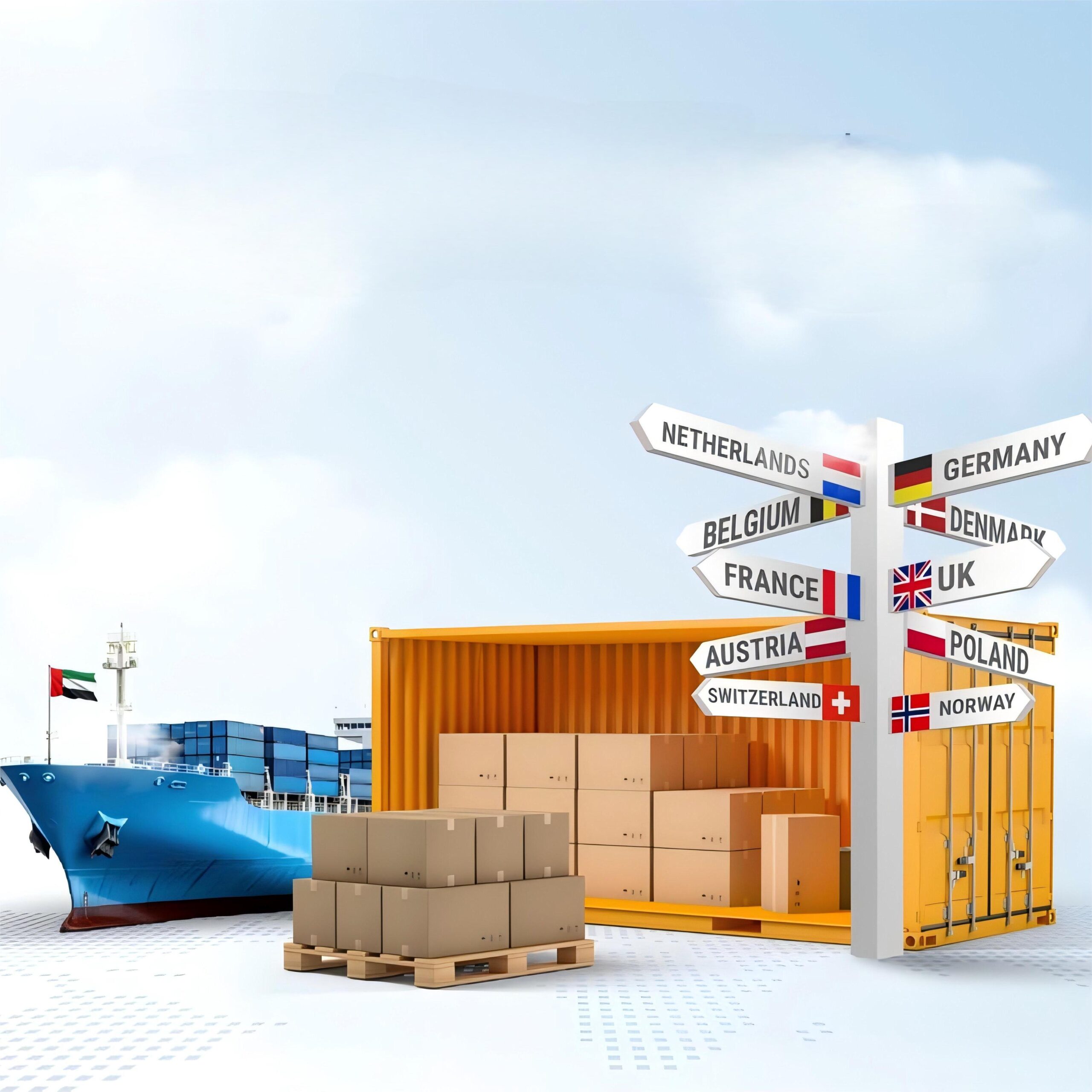
The direct route from China’s major ports like Shanghai, Ningbo, or Shenzhen to German ports such as Hamburg or Bremerhaven is a cornerstone of global trade. Consequently, understanding this specific shipping modality is crucial for successful logistics planning.
Why 40GP FCL Insurance for Machinery from China to Germany is Essential
International shipping inherently involves various risks, including physical damage, theft, loss, or natural disasters during transit. Even with meticulous planning, unforeseen circumstances can arise, jeopardizing your valuable machinery.
The financial implications of uninsured loss or damage can be catastrophic for businesses, potentially halting production or delaying projects significantly. Therefore, comprehensive cargo insurance acts as a vital safety net.
Moreover, having robust insurance provides invaluable peace of mind, allowing you to focus on your business operations rather than worrying about potential shipping mishaps. Considering the high value of industrial machinery, this protection is indispensable.
Key Factors Influencing Your Insurance Premium
Several critical factors determine the cost of your 40GP FCL insurance for machinery. Primarily, the declared value of the machinery directly impacts the premium, as higher value items require greater coverage.
Additionally, the specific type and fragility of the equipment play a significant role; sensitive electronics or delicate components may incur higher rates. The chosen shipping route from China to Europe also affects risk assessment, with longer or more complex routes potentially increasing costs.
Furthermore, the Incoterms selected for the shipment, such as CIF (Cost, Insurance, and Freight) or FOB (Free On Board), dictate who is responsible for insurance coverage at different stages. The quality of packaging and the carrier’s reputation can also influence premium calculations.
How Does 40GP FCL Sea Freight Compare to Other Shipping Options?
When transporting machinery from China to Germany, businesses typically consider three primary modes: sea freight, rail freight, and air freight. Each method offers distinct advantages and disadvantages, catering to different priorities.
Sea freight, particularly 40GP FCL, remains the most cost-effective solution for large, heavy, and non-urgent machinery. Nevertheless, it involves the longest transit times, often spanning several weeks.
Rail freight, conversely, provides a balanced option between speed and cost, making it an increasingly popular choice for many European destinations. Air freight is undeniably the fastest, yet its expense is usually prohibitive for full container loads of heavy machinery, reserved for smaller, extremely urgent items.
| Shipping Method | Cost Range (40GP) | Transit Time | Best For |
|---|---|---|---|
| Sea Freight (FCL) | $2,800 – $4,200 | 28 – 38 days | Cost-effectiveness, heavy/bulky cargo |
| Rail Freight | $6,000 – $9,000 | 18 – 25 days | Balance of speed & cost, inland Europe |
| Air Freight | $15,000 – $30,000+ | 3 – 7 days | Urgent, high-value, smaller components |
Navigating German Customs and Import Regulations for Machinery
Successfully importing machinery into Germany requires meticulous attention to customs procedures and documentation. Accurate and complete paperwork is absolutely essential for smooth and timely clearance.
Key documents typically include the commercial invoice, packing list, bill of lading (or airway bill), and a certificate of origin. Depending on the machinery type, specific import licenses or technical certifications might also be necessary.
Moreover, adherence to European Union regulations, including CE marking requirements for certain machinery, is mandatory. Engaging a professional for customs brokerage services can significantly streamline this complex process and prevent costly delays.
Optimizing Your Shipping Strategy and Choosing a Forwarder
Selecting a reputable and experienced freight forwarder is paramount for the secure and efficient transport of your 40GP FCL machinery. A good partner possesses in-depth knowledge of both Chinese export and German import regulations.
They can offer comprehensive services, including optimal route planning, carrier negotiation, precise documentation handling, and even door-to-door delivery. This holistic approach simplifies the entire logistics chain for you.
Ultimately, a reliable freight forwarding partner, such as Top China Freight, acts as an extension of your supply chain, minimizing risks and ensuring timely delivery. Their expertise in managing complex international shipments is invaluable.
Real-World Scenarios: 40GP FCL Machinery Shipments to Germany
Examining real-world case studies provides practical insights into the complexities and successful execution of machinery shipments. These examples highlight the importance of careful planning and robust insurance coverage.
Case Study 1: Large CNC Machine
This scenario involved a high-value CNC machining center, critical for a German manufacturing facility’s production schedule. Comprehensive insurance was a non-negotiable aspect of this shipment.
| Detail | Description |
|---|---|
| Route | Shenzhen, China -> Hamburg, Germany |
| Cargo | CNC Machining Center, 30 CBM, 15,000 kg |
| Container | 40GP FCL |
| Shipping Details | Carrier: COSCO, Port of Loading: Shenzhen, Port of Discharge: Hamburg, Route Type: Direct |
| Ocean Freight | $3,500 |
| Origin Charges | $800 |
| Destination Charges | $950 |
| Customs & Duties (est.) | $4,000 |
| Total Landed Cost | $9,250 |
| Booking to Loading | 5 days |
| Sea Transit | 32 days |
| Customs Clearance | 3 days |
| Total Door-to-Door | 40 days |
| Key Insight | Careful strapping and crating prevented damage to sensitive components. Based on Q3 2024 market rates. |
Case Study 2: Automated Production Line Equipment
A German automotive supplier needed to import an automated production line. The sheer volume and value necessitated a full 40GP container, with insurance covering all risks.
| Detail | Description |
|---|---|
| Route | Shanghai, China -> Bremerhaven, Germany |
| Cargo | Automated Production Line Components, 45 CBM, 22,000 kg |
| Container | 40GP FCL |
| Shipping Details | Carrier: Maersk, Port of Loading: Shanghai, Port of Discharge: Bremerhaven, Route Type: Transshipment via Singapore |
| Ocean Freight | $3,200 |
| Origin Charges | $750 |
| Destination Charges | $900 |
| Customs & Duties (est.) | $4,800 |
| Total Landed Cost | $9,650 |
| Booking to Loading | 7 days |
| Sea Transit | 38 days |
| Customs Clearance | 4 days |
| Total Door-to-Door | 49 days |
| Key Insight | Choosing a reliable carrier despite transshipment minimized delays; insurance covered minor transit vibrations. Typical rates as of early 2025. |
Case Study 3: Specialized Industrial Robot
This shipment involved a delicate and high-value industrial robotics arm, destined for a research facility in Leipzig. The primary concerns were security, integrity, and timely delivery.
| Detail | Description |
|---|---|
| Route | Ningbo, China -> Leipzig, Germany (via Hamburg) |
| Cargo | Industrial Robotics Arm, 25 CBM, 12,000 kg |
| Container | 40GP FCL |
| Shipping Details | Carrier: MSC, Port of Loading: Ningbo, Port of Discharge: Hamburg, Route Type: Direct, Door-to-door delivery to Leipzig |
| Ocean Freight | $3,700 |
| Origin Charges | $850 |
| Destination Charges | $1,100 |
| Customs & Duties (est.) | $5,400 |
| Total Landed Cost | $11,050 |
| Booking to Loading | 6 days |
| Sea Transit | 30 days |
| Customs Clearance | 2 days |
| Total Door-to-Door | 38 days |
| Key Insight | Integrated door-to-door service and comprehensive insurance were crucial for this high-value, time-sensitive delivery. Based on Q1 2025 market rates. |
Market Insights and Future Trends in China-Germany Shipping
The global shipping landscape is constantly evolving, with several factors influencing freight rates and transit times from China to Germany. As of Q1 2025, freight rates have largely stabilized after the significant Red Sea disruptions, although geopolitical factors continue to introduce volatility.
Industry trends indicate a growing emphasis on supply chain resilience and visibility, prompting shippers to seek more integrated logistics solutions. Furthermore, seasonal patterns significantly impact shipping costs; rates typically increase by 15-25% during the peak season from August to October due to higher demand.
Moreover, the push for sustainability is driving innovations in eco-friendly shipping practices, which may influence future freight rates and carrier choices. Staying informed about these market dynamics is essential for effective logistics planning. Note: Freight rates are subject to change based on fuel costs, carrier capacity, and seasonal demand. Contact us for a current quote tailored to your specific shipment.
Decision Framework: Which Shipping Option is Right for Your Machinery?
Choosing the optimal shipping method for your machinery depends heavily on your specific business priorities. Therefore, a clear decision framework can guide your selection process effectively.
If budget is your primary concern, 40GP FCL sea freight offers the most economical solution for large volumes and heavy machinery. However, this option requires longer lead times.
Conversely, if speed is paramount for urgent deliveries or time-sensitive projects, air freight is the fastest, albeit most expensive, choice. Rail freight presents a compelling middle-ground, balancing reasonable transit times with more moderate costs.
Finally, the nature of your cargo is crucial; sensitive, oversized, or high-value machinery often benefits most from the dedicated space and reduced handling of an FCL container. For smaller machinery components, Express Service might be a viable alternative.
Consider your inventory management, production schedules, and overall supply chain strategy when making this critical decision. A hybrid approach, combining different modes for various parts of your supply chain, can also offer flexibility and efficiency.
Securing Your Investment: The Future of 40GP FCL Insurance for Machinery from China to Germany
Securing comprehensive 40GP FCL insurance for machinery from China to Germany is a non-negotiable aspect of international trade. By understanding the inherent risks, meticulously choosing the right coverage, and partnering with an experienced freight forwarder, you can safeguard your investment effectively.
Proactive planning, coupled with up-to-date market insights, ensures the smooth, secure, and cost-effective delivery of your essential industrial equipment. Ultimately, protecting your machinery during transit is protecting your business’s continuity and success.
Need a tailored shipping solution?
Ready to protect your valuable machinery with robust 40GP FCL insurance from China to Germany? Contact our experts today for a tailored consultation and a competitive quote. We simplify complex logistics, offering peace of mind for your international shipments.