
Freight Rate for FCL Shipping from China to France: 2024 Guide
Getting an accurate freight rate for FCL shipping from China to France is crucial for businesses aiming to manage their supply chain efficiently. This comprehensive guide from Top China Freight aims to demystify the complexities of international container shipping, offering insights into costs, transit times, and essential considerations. Understanding these factors will help you make informed decisions, ultimately impacting your bottom line and delivery schedules.
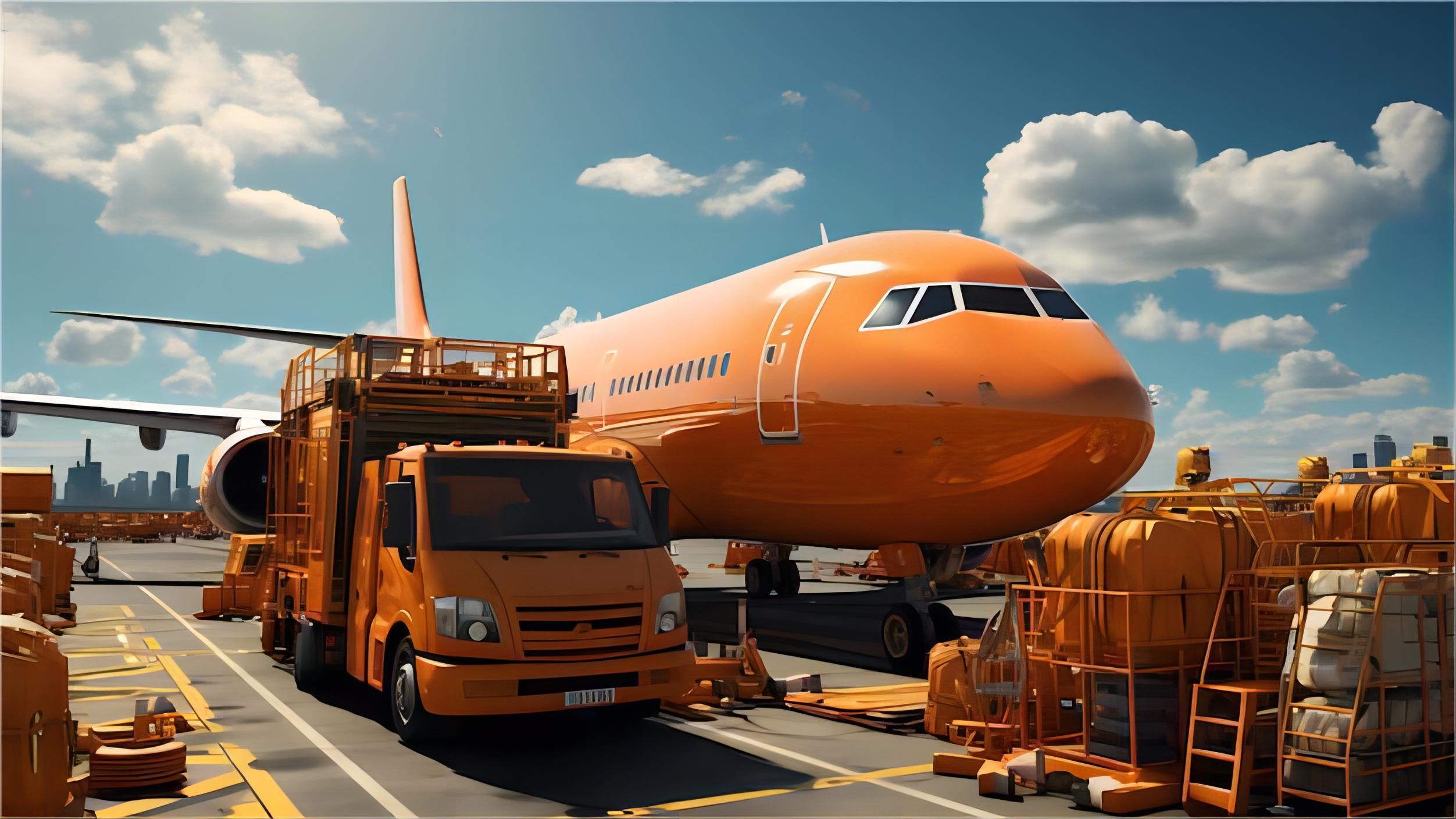
Understanding FCL Shipping from China to France
FCL, or Full Container Load, shipping is a popular choice for businesses transporting substantial volumes of goods from China to France. This method ensures your cargo occupies an entire container, providing security and efficiency.
Choosing FCL means your goods are not consolidated with other shippers’ items, which often results in faster transit times and reduced handling. Many businesses find this invaluable for maintaining control over their supply chain.
Furthermore, FCL is generally more cost-effective per unit for larger shipments compared to Less than Container Load (LCL). Therefore, understanding the nuances of the freight rate for FCL shipping from China to France is paramount for strategic planning.
Key Factors Influencing FCL Freight Rates
Several dynamic elements significantly impact the freight rate for FCL shipping from China to France. Firstly, the type and size of the container (e.g., 20ft, 40ft, or 40HQ) directly affect pricing. Larger containers naturally incur higher base costs.
Moreover, market demand and supply fluctuations play a crucial role. During peak seasons, such as before major holidays or during Q4, rates tend to increase due to heightened demand for vessel space and container availability. Conversely, off-peak periods might offer more competitive pricing.
Additionally, fuel surcharges, port congestion at origin and destination, and unexpected global events (like geopolitical tensions or pandemics) can introduce volatility to shipping costs. Origin and destination charges, including terminal handling and documentation fees, are also essential components of the overall sea freight cost. Consequently, monitoring these factors is vital for accurate budgeting.
Estimated FCL Shipping Costs: China to France (2024-2025)
As of early 2025, FCL shipping costs from major Chinese ports to France have shown some stabilization after recent global disruptions. However, rates remain subject to change based on market conditions, carrier capacity, and specific service routes.
For instance, the 20ft container shipping cost China to France will differ significantly from the 40ft container shipping cost China to France. The following table provides an estimated range for ocean freight, excluding local charges, duties, and taxes.
| Container Type | Estimated Ocean Freight (USD) | Best For | Typical Volume |
|---|---|---|---|
| 20GP (General Purpose) | $1,800 – $2,500 | Smaller, heavier cargo | Up to 28 CBM |
| 40GP (General Purpose) | $2,800 – $3,800 | Larger, lighter cargo | Up to 58 CBM |
| 40HQ (High Cube) | $3,000 – $4,200 | Bulky, high-volume cargo | Up to 68 CBM |

Typical Transit Times for FCL Shipments
The transit time for FCL shipments from China to France largely depends on the specific origin and destination ports, as well as the shipping line and service route chosen. Generally, direct routes offer the fastest transit.
For example, shipping from major Chinese ports like Shanghai, Ningbo, or Shenzhen to key French ports such as Le Havre or Marseille typically takes between 28 to 35 days. However, routes involving transshipment through intermediary ports (e.g., Singapore or Port Klang) might extend this delivery schedule by an additional 5-10 days.
Factors like vessel speed, weather conditions, and potential port congestion can further influence the exact arrival time. Therefore, it is always advisable to factor in a buffer for unexpected delays when planning your logistics.
Navigating Customs and Documentation for France
Successfully importing goods into France requires meticulous attention to customs procedures and documentation. The process involves submitting several key documents to French customs authorities.
Essential paperwork typically includes the Commercial Invoice, Packing List, Bill of Lading, and a Certificate of Origin. Depending on the nature of your goods, additional licenses, permits, or certifications may be required, particularly for regulated products.
Engaging a professional customs brokerage service is highly recommended. These experts can ensure compliance with all French import regulations, handle tariff classifications, calculate duties and taxes, and expedite the clearance process. This minimizes potential delays and avoids costly penalties.
How Does FCL Compare to Other Shipping Options?
When considering shipping to Europe, especially France, FCL is not the only option available. Businesses often weigh FCL against LCL (Less than Container Load) sea freight, air freight, and rail freight, each with distinct advantages and disadvantages.
For shipments under 15 CBM, LCL might be more economical than a full container, though it comes with longer transit times due to consolidation. Air freight, while significantly faster (5-7 days), is substantially more expensive, typically reserved for urgent or high-value goods.
Rail freight offers a balance between sea and air in terms of speed and cost, with transit times around 15-20 days. However, its route flexibility is limited compared to ocean shipping. The choice ultimately depends on your budget, urgency, and cargo volume.
To illustrate the trade-offs, consider the comparison below:
| Shipping Method | Cost Range (per kg/CBM) | Transit Time (approx.) | Best For | Limitations |
|---|---|---|---|---|
| FCL Sea Freight | Low ($0.05-$0.15/kg) | 28-35 days | Large volumes, cost-sensitive, non-urgent | Slowest, port-to-port |
| LCL Sea Freight | Medium ($0.10-$0.30/kg) | 35-45 days | Small to medium volumes, cost-sensitive | Longer transit, more handling |
| Rail Freight | Medium-High ($0.30-$0.70/kg) | 15-20 days | Medium urgency, specific inland routes | Limited routes, capacity constraints |
| Air Freight | High ($4.00-$8.00/kg) | 5-7 days | Urgent, high-value, small volumes | Most expensive, weight/volume limits |
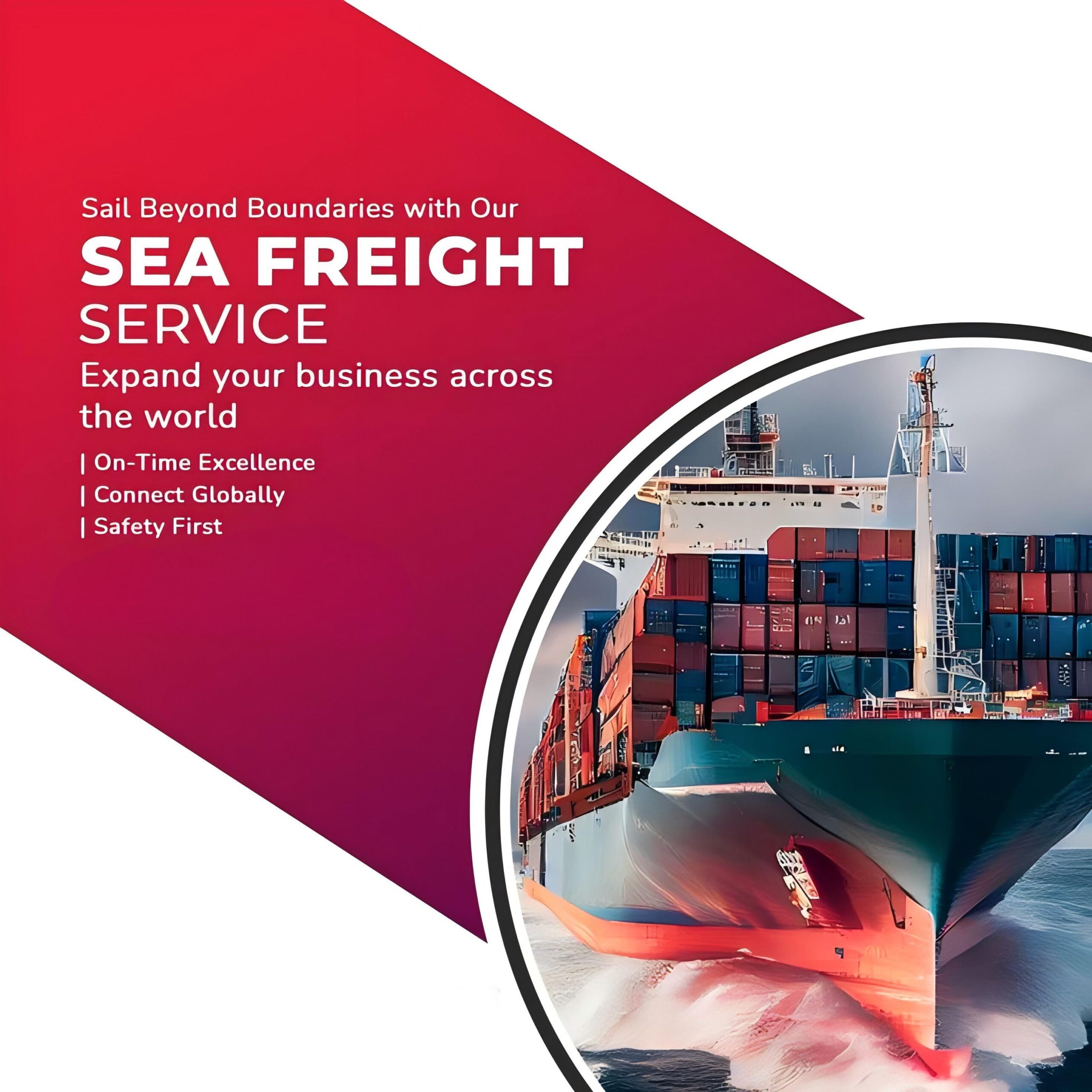
Real-World FCL Shipping Case Studies to France
To provide a clearer picture of actual costs and timelines, here are a few realistic FCL shipping case studies from China to France. These examples highlight typical scenarios and considerations for different types of cargo and shipping needs. Rates are based on recent market data from Q4 2024 to early 2025.
Case Study 1: Large Volume Electronics Shipment
This case illustrates a common scenario for consumer goods requiring efficient and secure transport. The direct route minimized transit time, a critical factor for electronics with rapid market cycles.
| Detail | Value |
|---|---|
| Route | Shenzhen, China -> Le Havre, France |
| Cargo | Consumer Electronics, 65 CBM, 12,000 kg |
| Container | 40HQ |
| Carrier/Service | MSC |
| Port of Loading | Shenzhen (Yantian) |
| Port of Discharge | Le Havre |
| Route Type | Direct |
| Ocean Freight | $3,600 (Q1 2025 rate) |
| Origin Charges | $450 |
| Destination Charges | $380 |
| Customs & Duties (est.) | $2,500 (variable) |
| Total Landed Cost | $6,930 |
| Booking to Loading | 5 days |
| Sea Transit | 30 days |
| Customs Clearance | 3 days |
| Total Door-to-Door | 38 days |
| Key Insight | Efficient documentation and a direct route minimized transit time, crucial for fast-moving consumer goods. |

Case Study 2: Seasonal Apparel Import
For seasonal goods like apparel, balancing cost and delivery schedule is essential. This shipment opted for a transshipment route to achieve better pricing, albeit with a slightly longer journey.
| Detail | Value |
|---|---|
| Route | Ningbo, China -> Marseille, France |
| Cargo | Seasonal Apparel, 28 CBM, 8,000 kg |
| Container | 20GP |
| Carrier/Service | COSCO |
| Port of Loading | Ningbo |
| Port of Discharge | Marseille |
| Route Type | Transshipment via Singapore |
| Ocean Freight | $2,100 (Q4 2024 peak season rate) |
| Origin Charges | $380 |
| Destination Charges | $320 |
| Customs & Duties (est.) | $1,800 (variable) |
| Total Landed Cost | $4,600 |
| Booking to Loading | 7 days |
| Sea Transit | 38 days |
| Customs Clearance | 4 days |
| Total Door-to-Door | 49 days |
| Key Insight | Opting for a transshipment route offered cost savings, but extended the delivery schedule, which required careful planning for seasonal inventory. |
Case Study 3: Industrial Machinery Project
Transporting industrial machinery often involves specific requirements and careful handling. Choosing a port closer to the final inland destination significantly streamlined the overall door-to-door shipping process.
| Detail | Value |
|---|---|
| Route | Shanghai, China -> Lyon, France (via Fos-sur-Mer Port) |
| Cargo | Industrial Machinery Parts, 55 CBM, 18,000 kg |
| Container | 40GP |
| Carrier/Service | Maersk |
| Port of Loading | Shanghai |
| Port of Discharge | Fos-sur-Mer |
| Route Type | Direct |
| Ocean Freight | $3,400 (Typical rates as of early 2025) |
| Origin Charges | $420 |
| Destination Charges | $400 |
| Customs & Duties (est.) | $3,000 (variable) |
| Total Landed Cost | $7,220 |
| Booking to Loading | 6 days |
| Sea Transit | 32 days |
| Customs Clearance | 3 days |
| Total Door-to-Door | 45 days (including inland transport to Lyon) |
| Key Insight | Selecting a port closer to the final inland destination significantly reduced landside logistics costs and overall transit time. |
Optimizing Your FCL Shipping Strategy
To effectively manage your freight rate for FCL shipping from China to France, strategic planning is essential. Firstly, always request quotes from multiple freight forwarders to compare services and pricing. This helps in securing the most competitive rates.
Secondly, consider flexible shipping schedules. Booking shipments during off-peak seasons can often result in significant cost savings. Planning ahead and avoiding last-minute bookings also helps in securing better rates and ensuring container availability.
Furthermore, optimizing container loading ensures you maximize space utilization, thus reducing per-unit shipping costs. Finally, partnering with a reliable freight forwarder who has strong relationships with carriers and expertise in the China-France route can provide invaluable insights and streamlined services. They can guide you on the best routes and options to optimize your FCL shipping costs.
Final Thoughts on FCL Shipping from China to France
In conclusion, understanding the nuances of the freight rate for FCL shipping from China to France is vital for successful international trade. By carefully considering factors such as container type, market conditions, and transit time, businesses can effectively manage their shipping costs and ensure timely delivery.
Partnering with an experienced and reliable freight forwarder can furthermore simplify this complex process. They offer expert guidance, navigate customs complexities, and provide peace of mind, ultimately optimizing your logistics operations and ensuring a smooth supply chain from China to France.
Need a tailored shipping solution?
Ready to streamline your logistics and get a precise freight rate for FCL shipping from China to France? Contact our expert team today for a personalized quote and tailored shipping solutions. We are committed to providing transparent pricing and efficient service for your international cargo needs.