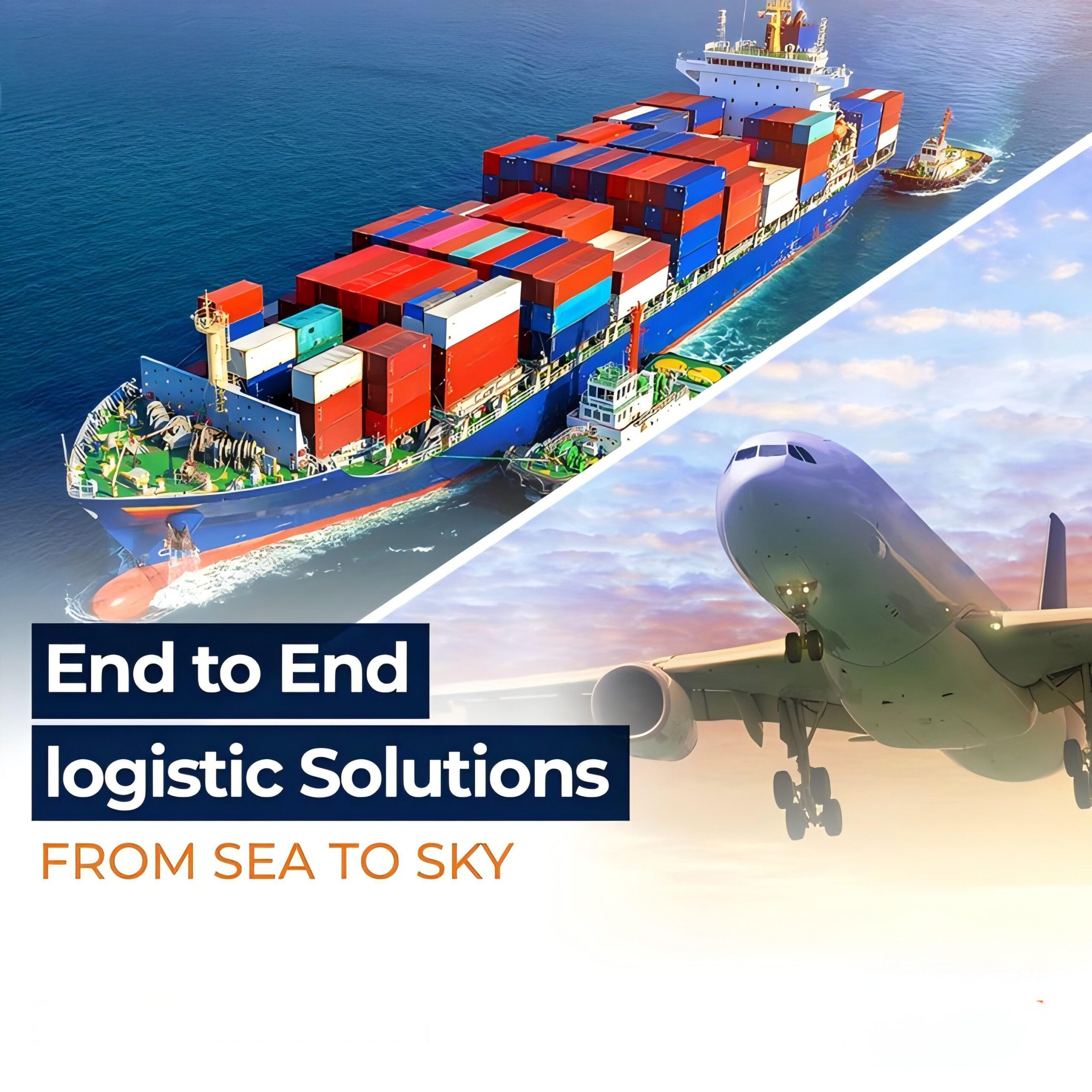
Flat Rack FCL Shipping from China to Seattle: A Complete Logistics Guide
Shipping oversized machinery or heavy industrial equipment requires specialized logistics solutions that go beyond standard containers. Flat Rack FCL shipping from China to Seattle offers the flexibility needed to transport out-of-gauge cargo across the Pacific Ocean safely. As a premier logistics provider, Top China Freight specializes in managing these complex shipments to ensure your heavy goods arrive at the Port of Seattle on schedule. This guide explores everything you need to know about pricing, transit times, and specialized handling for your next big project.
What is Flat Rack FCL Shipping from China to Seattle?
Flat rack containers consist of a flat platform with either fixed or collapsible ends, making them ideal for cargo that exceeds the dimensions of standard boxes. Specifically, this method is essential for items that are too wide, too tall, or too heavy for 20GP or 40HQ containers. Shippers often utilize 20ft and 40ft flat racks to move construction equipment, large pipes, or industrial boilers from major Chinese hubs to Washington state.
Moreover, the term FCL or Full Container Load implies that you have exclusive use of the flat rack platform for your specific cargo. Consequently, your items do not share space with other shippers, which reduces the risk of damage during the loading and unloading process. This dedicated space is crucial when dealing with high-value machinery that requires precise lashing and securing points.
Furthermore, the collapsible nature of some flat racks allows for easier repositioning when the equipment is empty. Therefore, carriers can stack multiple folded flat racks into a single slot on a vessel, which helps manage global equipment imbalances. For your shipment to Seattle, choosing the right flat rack type depends entirely on the weight distribution and the physical footprint of your cargo.
Why use Flat Rack FCL shipping from China to Seattle for oversized cargo?
Standard containers have rigid walls and roofs that strictly limit the size of the items you can place inside. However, flat rack containers eliminate these barriers by providing an open-top and open-side configuration for easier loading. This flexibility allows cranes to lower heavy items directly onto the platform from above or from the side using heavy-duty forklifts.
Additionally, the Port of Seattle is well-equipped to handle specialized sea freight arrivals, including out-of-gauge equipment. Seattle serves as a primary gateway for the Pacific Northwest, offering robust rail and road connections for inland delivery. Choosing a flat rack ensures that your oversized goods do not need to be dismantled, which saves significant time and labor costs at the destination.
Indeed, maintaining the integrity of a pre-assembled machine is often a top priority for engineers and project managers. By utilizing flat rack FCL shipping from China to Seattle, you minimize the technical risks associated with reassembling complex systems. Every shipment undergoes rigorous securing procedures to withstand the dynamic forces encountered during the trans-Pacific journey.
How Does Flat Rack FCL Compare to Other Shipping Options?
Selecting the most efficient shipping method requires a detailed comparison of cost, speed, and safety. While flat racks are excellent for oversized items, other methods like RORO (Roll-on/Roll-off) or Open Top containers might be viable depending on the cargo type. For example, wheeled vehicles are often better suited for RORO vessels, whereas tall items that fit within standard width limits might use Open Top containers.
Consequently, shippers must evaluate the trade-offs between these different specialized modes. Flat racks generally command higher freight rates than standard containers due to the lost space on the vessel. Since out-of-gauge cargo prevents other containers from being stacked around it, carriers apply ‘lost slot’ surcharges to compensate for the unused capacity.
Meanwhile, standard FCL remains the most economical choice for any goods that can be dismantled or fit within a 40HQ box. If your cargo is only slightly over the height limit, an Open Top container might save you money compared to a Flat Rack. Nevertheless, for truly massive industrial components, the Flat Rack remains the industry standard for reliability and ease of handling.
| Shipping Method | Cost Range | Transit Time | Best For | Limitations |
|---|---|---|---|---|
| Flat Rack FCL | $4,500 – $7,500 | 15-22 Days | Heavy Machinery | High surcharges |
| Standard FCL | $2,500 – $3,800 | 14-20 Days | General Cargo | Strict size limits |
| Open Top | $3,500 – $5,500 | 16-22 Days | Tall Equipment | Width restrictions |
| RORO | $3,000 – $6,000 | 25-35 Days | Wheeled Vehicles | Fewer port calls |

Key Steps in the Flat Rack FCL shipping from China to Seattle Process
Successful logistics for oversized cargo begins with accurate measurements and weight calculations. You must provide the exact length, width, height, and weight of the cargo to the freight forwarder to secure an accurate quote. Once the booking is confirmed, the carrier allocates a specific flat rack unit at the departure port, such as Shanghai or Ningbo.
Subsequently, the cargo must be professionally lashed and secured to the flat rack platform using steel chains or heavy-duty webbing. This step is vital because the Port of Seattle and international maritime laws require strict adherence to safety standards. Improperly secured cargo can lead to significant delays at the loading port or even accidents at sea.
After the vessel departs, you should coordinate with a professional customs brokerage to prepare for the arrival in Seattle. Transitioning through US Customs involves specific filings like the ISF (Importer Security Filing), which must be completed at least 24 hours before the ship leaves China. Failure to comply with these regulations can result in heavy fines and cargo holds.
Transit Times and Major Port Routes
Transit times for Flat Rack FCL shipping from China to Seattle are among the fastest for trans-Pacific routes. Vessels departing from North China ports like Qingdao or Dalian typically reach Seattle in 18 to 22 days. Conversely, shipments from South China ports like Shenzhen or Guangzhou may take 22 to 25 days depending on the specific carrier rotation.
Moreover, direct services are frequently available from Shanghai and Ningbo, which are the busiest ports for oversized cargo. These direct routes bypass intermediate stops in Busan or Yokohama, effectively reducing the risk of handling damage during transshipment. Choosing a direct service is often worth the slight premium in freight cost for high-priority industrial projects.
Notably, the Port of Seattle offers two major container terminals, Terminal 18 and Terminal 5, both capable of handling specialized flat rack equipment. Upon arrival, the cargo is transferred to a specialized chassis or a low-boy trailer for the final leg of the journey. This seamless transition from sea to land is a key advantage of the Seattle gateway for Pacific Northwest importers.
| Origin Port | Service Type | Transit Time (Days) | Frequency |
|---|---|---|---|
| Shanghai | Direct | 15-18 Days | Weekly |
| Ningbo | Direct | 16-19 Days | Weekly |
| Shenzhen | Transshipment | 22-25 Days | Bi-weekly |
| Qingdao | Direct | 18-21 Days | Weekly |
Understanding the Costs of Flat Rack Shipping
Pricing for flat rack containers is significantly more complex than standard ocean freight. The base rate is only one component; you must also account for ‘Out of Gauge’ (OOG) surcharges. These fees apply if your cargo extends beyond the width or height of the flat rack, occupying space where other containers would normally sit.
Additionally, lashing and bracing fees are standard for every flat rack shipment to ensure the safety of the vessel and crew. Professional surveyors often inspect the cargo at the port of loading to certify that the lashing meets international standards. These inspection fees, while additional, provide peace of mind and legal protection for the importer.
Finally, terminal handling charges (THC) at both the origin and destination are usually higher for flat racks. Because these units require specialized cranes and ground handling equipment, the ports charge a premium for the extra labor involved. Note: Freight rates are subject to change based on fuel costs, carrier capacity, and seasonal demand. Contact us for a current quote tailored to your specific shipment.

Real-World Case Studies for Seattle Shipments
Examining real scenarios helps clarify the costs and timelines involved in these complex logistics operations. We have managed numerous shipments of heavy equipment to North America, focusing on the specific requirements of the Seattle port infrastructure. Below are two examples based on recent market data from late 2024 and early 2025.
These cases illustrate how different cargo types affect the total landed cost and the transit duration. Whether you are moving a single CNC machine or an entire production line, the principles of securing and documentation remain the same. Each case highlights the importance of choosing a carrier with experience in the Pacific Northwest trade lane.
Case Study 1: Industrial Boiler. Route: Shanghai to Seattle. Cargo: 12,000kg Boiler, 4.5m Width. Container: 40ft Flat Rack (OOG). Shipping Details: Major carrier, Direct Route. Total Landed Cost: $7,850. Timeline: 21 days total door-to-door. Key Insight: The width surcharge was the primary cost driver, but direct routing saved 5 days of transit.
Case Study 2: Construction Excavator. Route: Ningbo to Seattle. Cargo: 18,000kg Excavator. Container: 40ft Flat Rack (In-Gauge). Shipping Details: COSCO, Direct Route. Total Landed Cost: $5,900. Timeline: 19 days total door-to-door. Key Insight: Keeping the cargo within the flat rack dimensions (In-Gauge) significantly reduced the ocean freight premium.
Which Option Should You Choose for Your Seattle Cargo?
Determining the best logistics strategy depends on your budget, timeline, and the physical characteristics of your goods. If your priority is cost savings and the cargo can be disassembled, standard FCL is always the winner. However, for critical machinery where reassembly is risky, the Flat Rack FCL shipping from China to Seattle is the most logical choice.
Furthermore, you should consider a door to door service to simplify the entire process. This approach integrates the ocean freight, customs clearance, and final trucking into a single contract. It eliminates the need for you to coordinate between multiple vendors, which is especially helpful when dealing with the specialized trailers required for flat rack cargo.
In contrast, if your shipment is extremely urgent, you might explore hybrid solutions. While air freight for oversized items is prohibitively expensive, using an expedited sea freight service to Seattle followed by priority rail or road transport can shave days off the schedule. Always consult with a logistics expert to weigh these alternatives against your specific project milestones.
Final Thoughts on Flat Rack Shipping to Seattle
Managing Flat Rack FCL shipping from China to Seattle requires a blend of technical expertise, precise documentation, and strong carrier relationships. By understanding the nuances of out-of-gauge surcharges and the importance of professional lashing, you can avoid common pitfalls that lead to delays and extra costs. Seattle remains a premier destination for heavy lift cargo, offering the infrastructure needed to support your business growth.
To summarize, always prioritize safety and compliance when planning your shipment. Work closely with experienced partners who understand the specific requirements of the Washington port system. With the right preparation, your oversized machinery will arrive safely and efficiently, ready to power your next project in the United States.
Ready to streamline your logistics?
Ready to move your oversized cargo? Our team provides expert Flat Rack FCL shipping from China to Seattle with competitive rates and reliable handling. Contact us today for a customized logistics solution.
Request Quote