
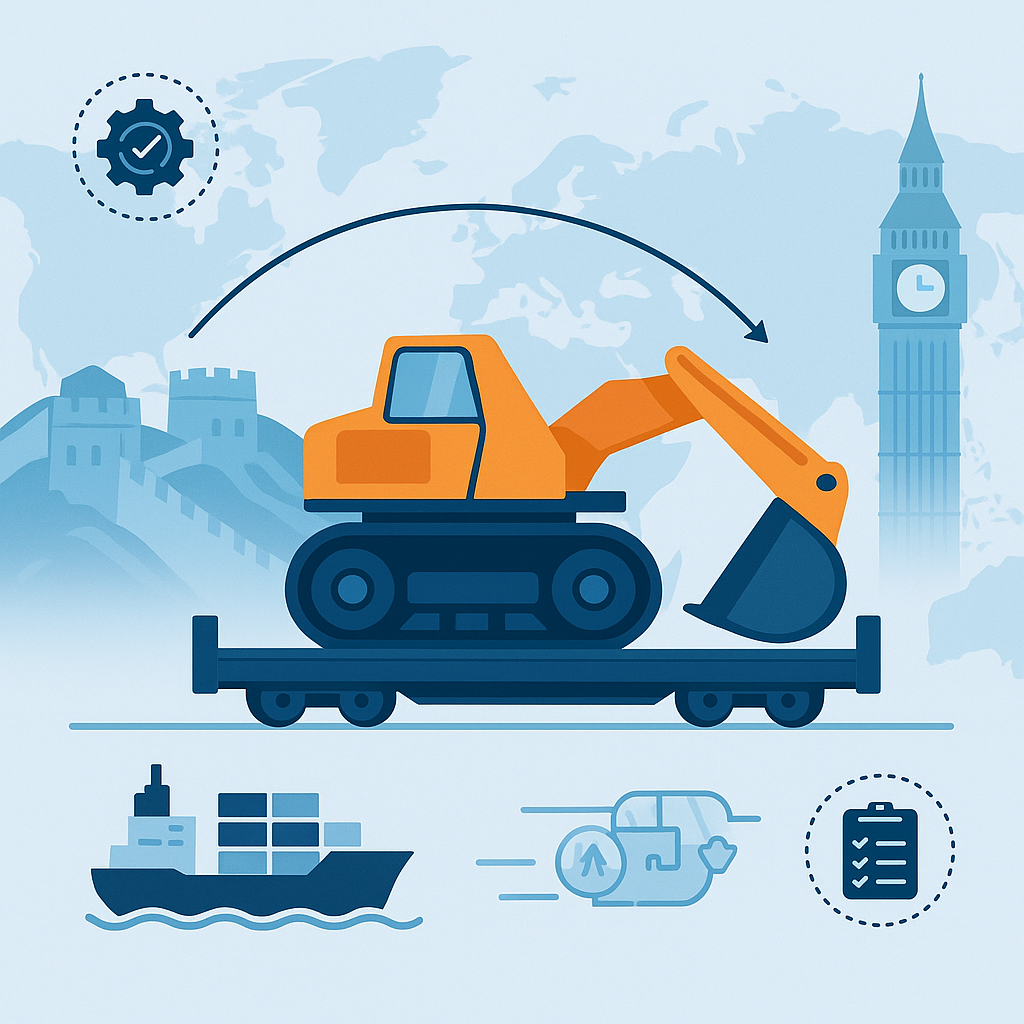
Although many companies move large or irregular cargo worldwide, managing Flat Rack FCL shipping from China to Europe requires far more than simply booking a container; it demands precise loading control, compliance preparation, and coordinated multimodal routing. Moreover, oversized freight often triggers terminal constraints, customs checks, and transit risks that ordinary FCL shipments never face. As you explore this guide, you’ll find actionable strategies shaped by industry experience and supported by Top China Freight to help you achieve safer, faster, and more predictable flat rack operations.
What Makes Flat Rack FCL Essential for Oversized Cargo from China to Europe?
Flat rack containers provide the flexibility needed to move heavy or out-of-gauge (OOG) equipment that cannot fit into standard boxes. Additionally, flat racks allow shippers to load via cranes or forklifts from the top or side, which significantly reduces loading complexity for bulky items such as machinery, steel structures, and industrial components.
Benefits of Flat Rack for China–Europe Trade
- Ideal for over-width or over-height machinery
- Supports steel frames, pipes, and long industrial parts
- Faster loading for irregular cargo shapes
- Safer securing through extended lashing points
Because European markets rely heavily on machinery imports for construction, energy, and manufacturing sectors, flat rack containers play a central role in cross-border logistics.
How Should Businesses Plan Flat Rack FCL Shipments for Europe?
Planning determines the entire success of an oversized cargo shipment. Although flat racks offer flexibility, they still require early coordination with ports, carriers, and inland operators. Consequently, good planning reduces cost, avoids delays, and improves compliance performance.
Key Planning Priorities
- Confirm OOG acceptance with the carrier
- Share engineering drawings and weight distribution data
- Choose the correct equipment (20FR, 40FR)
- Align loading dates with port cut-offs
- Pre-book special handling equipment at departure and arrival
Because European ports follow strict safety and handling protocols, early planning prevents last-minute approvals and storage charges.
Why Does Accurate Measurement Matter for Flat Rack Cargo?
Although it seems simple, incorrect measurements are the number-one cause of cargo rollovers, equipment rejections, and unexpected fees. Moreover, misreporting height or width affects vessel stowage plans, which must meet strict stability and safety rules.
Measurement Checklist for OOG Freight
- Length including protruding parts
- Width including protective packaging
- Height including base frames or skids
- Center of gravity for heavy components
- Exact weight for each side of the load
Accurate dimensions also determine whether the shipment requires escort vehicles, oversized permits, or road restrictions across Europe.

What Are the Main Routes for Flat Rack FCL Shipping from China to Europe?
China–Europe lanes operate through diversified ocean routes, each offering different transit times and handling capabilities. While major Chinese ports specialize in heavy-lift operations, European terminals vary in OOG experience.
Key Routes from China to Europe
| China Port | Europe Port | Transit Time (Days) | Notes |
|---|---|---|---|
| Shanghai | Rotterdam | 28–34 | Strong OOG handling; reliable schedules |
| Ningbo | Antwerp | 30–36 | Good inland connectivity |
| Qingdao | Hamburg | 32–40 | Ideal for machinery into Germany |
| Shenzhen | Valencia | 32–38 | Suitable for construction equipment |
Since route choice affects customs timing, inland planning, and risk exposure, choosing the right lane is crucial.
Case Studies
Heavy Machinery Shipped from China to Belgium
Cargo: 40FR with 28-ton industrial compressor
Route: Ningbo → Antwerp
Handling Time Saved: 36 hours
The importer aligned crane booking, inland trucking, and customs inspection using updated ETA signals. Additionally, accurate drawings helped avoid remeasurement delays, keeping the supply chain on schedule.
Steel Structure Shipped from China to Germany
Cargo: 20FR with oversized steel beams
Route: Qingdao → Hamburg
Outcome: Zero storage fees
Because the shipper shared weight distribution diagrams early, the terminal pre-planned stowage and unloading, which reduced handling friction and eliminated port storage costs.
How Does Customs Compliance Influence Flat Rack Shipping to Europe?
Customs compliance remains a critical factor because OOG cargo typically receives more scrutiny at European ports. However, early documentation and classification significantly reduce approval delays.
Required Documents for OOG Shipments
| Document | Purpose | Notes |
|---|---|---|
| Commercial Invoice | Declares cargo value | Include machine model |
| Packing List | Confirms weight & dimensions | Must match actual measurements |
| Certificate of Origin | Confirms manufacturing country | Needed for EU import programs |
| HS Classification | Identifies product type | Avoids inspection delays |
| Technical Drawings | Supports OOG classification | Required for heavy machinery |
Because machinery often falls under regulated import categories, correct documentation protects your shipment from unnecessary checks.
Why Does Inland Transport Planning Matter for Flat Rack Cargo in Europe?
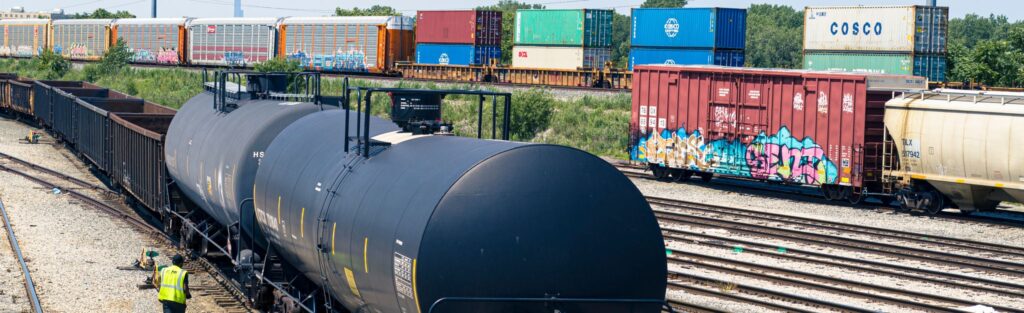
Although many shippers focus on ocean transport, inland delivery often determines whether oversized freight arrives on time. Moreover, European road regulations vary by country, which affects escort requirements, allowable vehicle sizes, and transport scheduling.
Key Inland Planning Considerations
- Height limits for tunnels and bridges
- Permit requirements for OOG cargo
- Escort vehicle coordination
- Weekend or holiday transport restrictions
- Crane or forklift availability at delivery site
Since heavy machinery or steel components must move safely, aligning tracking data with inland capacity prevents extended storage fees at European terminals.
Shippers needing engineered handling, stable routing, and full-route visibility often rely on Top China Freight, which provides flat rack loading design, compliance support, and coordinated China–Europe delivery through its door-to-door solutions.
Why Tracking Matters Even More for Flat Rack Cargo Bound for Europe?
Tracking helps synchronize operational teams across ports, carriers, customs brokers, and inland truckers. Although oversized shipments do not travel as frequently as standard cargo, accurate visibility ensures resources are prepared before arrival.
Tracking Benefits for OOG Importers
- Predict equipment allocation at terminals
- Align delivery crews for unloading
- Update construction or production schedules
- Reduce waiting time at European entry ports
Moreover, tracking complements multimodal delivery by synchronizing transitions from sea to rail or road.
Conclusion
To summarize, managing Flat Rack FCL shipping from China to Europe requires far more than booking equipment. It involves accurate measurement, engineered loading, optimized routing, customs readiness, multimodal coordination, and end-to-end tracking. Moreover, when companies adopt structured planning and risk-mitigation practices, oversized cargo moves safely, predictably, and cost-effectively. To support your next OOG shipment, consider requesting a customized logistics plan that enhances both operational control and delivery performance.
Request A Free Quote
Start shipping smarter with TopChinaForwarder today! 🚢✨ Request a Free Quote 📝 and get a tailored logistics plan built around your cargo and timeline.
FAQ:
What types of cargo are best suited for flat rack shipping?
Heavy machinery, steel structures, pipes, vehicles, and any oversized or irregular equipment that cannot fit inside a standard container.
How early should flat rack loading be booked?
Bookings should be made 2–3 weeks in advance to secure equipment, arrange lifting resources, and verify OOG acceptance.
Are European ports strict with OOG cargo?
European terminals follow strict safety rules, so accurate measurements and technical details ensure faster acceptance and handling.
Can flat rack cargo be shipped via rail within Europe?
In many cases yes, especially through Germany, Poland, and Belgium, where rail networks support oversized freight.
How does tracking improve OOG cargo handling?
Real-time updates allow teams to prepare cranes, trucks, and permits in advance, minimizing storage time at the terminal.