
- By rudy
- November 27, 2025
- Freight knowledge, Shipping
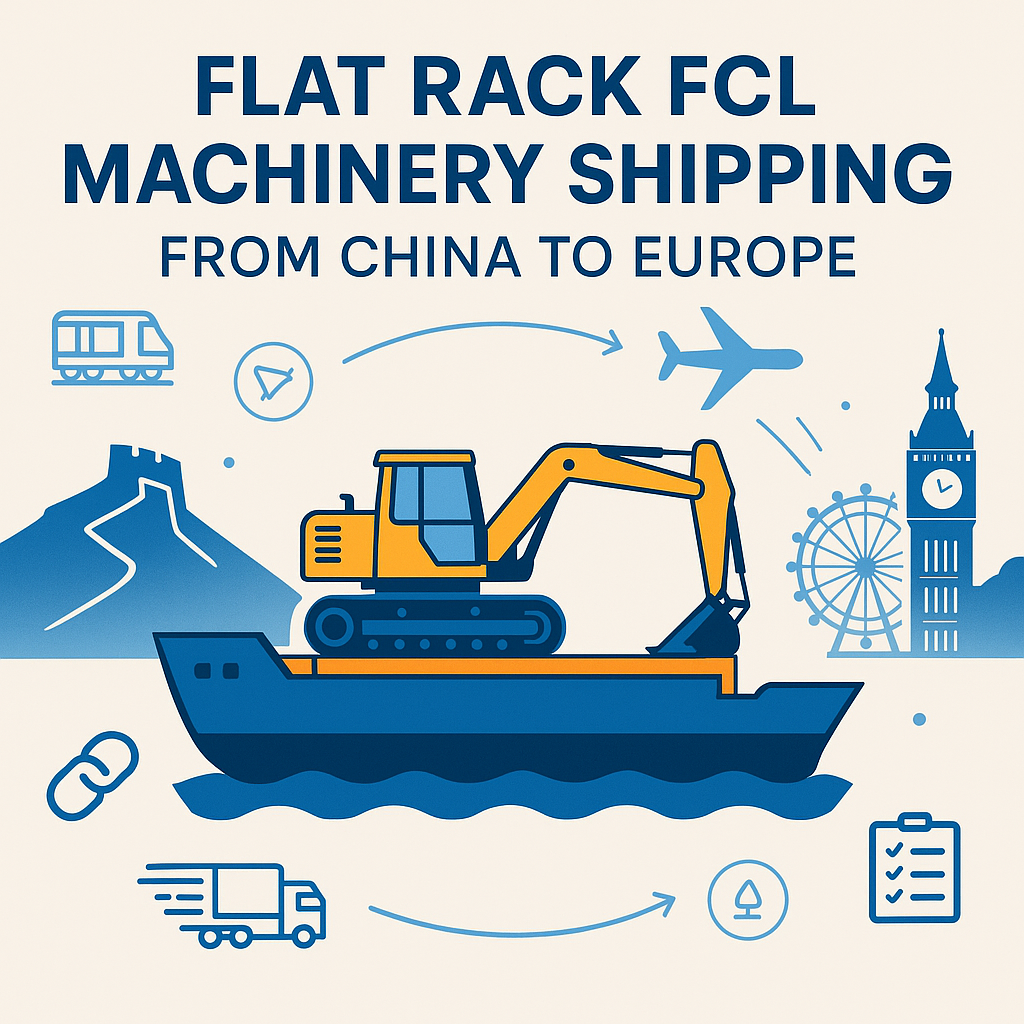
Although shipping heavy machinery with a Flat Rack FCL freight rate for machinery from China to Europe seems complex, you can simplify the process with the right route planning and carrier selection. As you explore oversized cargo options, you can rely on expert guidance and a trusted partner such as Top China Freight to handle capacity, customs, and delivery challenges efficiently. Moreover, this article walks you through practical solutions to ensure predictable transit and competitive pricing.

How Does Flat Rack FCL Freight Rate for Machinery from China to Europe Work?
When machinery exceeds the dimensions of a standard container, a flat rack becomes the most reliable option because it offers open sides and overhead loading. Moreover, a flat rack gives you the flexibility to move oversized, heavy, or awkward equipment safely. Additionally, freight rates depend on cargo size, weight, route, carrier, and EU port selection. Because machinery varies widely, understanding the cost factors early helps importers avoid unexpected charges and delays.
Key Cost Drivers
- Out-of-gauge width or height
- Equipment weight and lifting requirements
- China origin port selection (e.g., Shanghai, Qingdao, Ningbo)
- EU destination ports (e.g., Rotterdam, Hamburg, Antwerp)
- Peak-season surcharges and space demand
- Cargo securing and lashing services
- EU port handling fees for machinery
What Logistics Challenges Affect Machinery Shipping to Europe?
Machinery shipments often face challenges such as limited flat rack availability, stricter EU port regulations, and route-specific peak-season congestion. However, by preparing the correct documentation and choosing the right carrier rotation, you ensure predictable transit. Furthermore, importers must also consider road transport restrictions within Europe, especially when hauling oversized machinery inland.
Common Oversized Cargo Issues
- Limited flat rack container inventory
- EU port storage restrictions
- Crane and lifting equipment arrangements
- Customs classification accuracy
- Out-of-gauge (OOG) surcharges
- Weather-related vessel delays
Why Choose Flat Rack Over Breakbulk or Open-Top Options?
Importers often ask whether breakbulk is cheaper for heavy machinery. However, flat rack remains the most cost-efficient for most medium-to-large machinery dimensions because it reduces port handling time and avoids bulk cargo premiums. Additionally, flat rack shipments move with the regular containerized network, giving you faster departures and more frequent sailings.
Shipping Method Comparison Table
| Shipping Method | Cost Level | Transit Time | Best For | Limitations |
|---|---|---|---|---|
| Flat Rack FCL | Medium | Faster & frequent | Machinery, OOG | Size limits apply |
| Breakbulk | High | Slow & irregular | Very large machinery | High fees, long planning |
| Open Top | Medium | Standard | Tall cargo | Not suitable for wide loads |
What Documents Are Required for Machinery Import into Europe?

Because machinery often contains multiple components, customs authorities require precise classification. Therefore, importers should prepare commercial invoices, packing lists, HS codes, and CE-compliance declarations if applicable. Moreover, some EU countries require safety certificates for industrial equipment.
Basic Customs Document Checklist
| Document Type | Purpose |
|---|---|
| Commercial Invoice | Declares value for import duties |
| Packing List | Confirms dimensions & securing |
| HS Code Declaration | Ensures proper duty rate classification |
| Bill of Lading | Transport contract & ownership |
| CE Certificate | Required for certain categories |
| Machinery Manual | Occasionally requested for inspection |
How Much Is the Flat Rack FCL Freight Rate for Machinery from China to Europe?
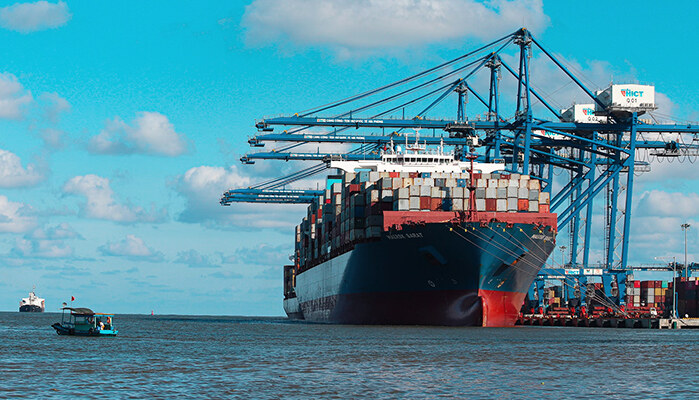
Freight rates fluctuate weekly, the main factors affecting the Flat Rack FCL freight rate for machinery from China to Europe include OOG dimensions, vessel routes, equipment availability, and EU port congestion. Moreover, inland trucking inside Europe can also increase overall costs.
Reference Price & Transit Table (Range Only)
| Route | Reference Freight (USD) | Transit Time |
|---|---|---|
| China → Rotterdam | 4,500–7,800 | 30–38 days |
| China → Hamburg | 4,700–8,200 | 32–40 days |
| China → Antwerp | 4,600–8,000 | 35–42 days |
(Non-binding estimates for educational purposes only.)
Case Study
Origin: Ningbo, China
Destination: Rotterdam, Netherlands
Cargo: CNC machining center (OOG by width)
Container: 40’ Flat Rack
Freight Cost: USD 6,200 (incl. lashing)
Transit Time: 34 days
A machinery distributor needed a predictable solution during peak season. Moreover, using flat rack instead of breakbulk reduced handling complexity and saved the importer nearly USD 1,500 in port charges.
Origin: Shanghai, China
Destination: Hamburg, Germany
Cargo: Industrial conveyor system
Container: 40’ Flat Rack
Freight Cost: USD 5,900
Transit Time: 36 days
This equipment exceeded the height limit of standard containers. Therefore, a flat rack with professional cargo securing allowed smooth handling and fast customs clearance into Germany.
Can Top China Freight Support Flat Rack Machinery Shipments to Europe?
Yes. As a specialized freight forwarder, Top China Freight provides flat rack booking, lashing arrangements, customs guidance, and door-to-door coordination. Moreover, the company integrates ocean freight, sea freight, rail freight, and oversized cargo handling to give importers a reliable end-to-end solution.
How Is a Flat Rack Container Loaded and Secured?
Flat rack operations require careful planning because machinery must be lifted from the top or side. Moreover, professional lashing using chains, wires, or wood blocks ensures safe transit. Additionally, container terminals impose strict lashing standards, which vary by carrier.
Loading Guidelines
- Use crane or heavy forklift depending on equipment weight
- Measure OOG dimensions accurately
- Follow flat rack container loading guidelines
- Apply certified lashing materials
- Conduct photographic inspection before cargo handover
Conclusion
Shipping machinery efficiently requires knowing how to optimize the Flat Rack FCL freight rate for machinery from China to Europe while coordinating loading, customs, and EU inland transport. Moreover, by assessing cost drivers and choosing the correct route, importers reduce delays and unnecessary expenses. If you want an optimized quotation or support for oversized equipment, you can contact our team for professional end-to-end planning.
Request A Free Quote
Need a reliable logistics partner? Share your shipment details and we’ll provide a tailored quotation quickly and accurately.
FAQ:
How is the freight rate for a flat rack calculated?
Rates depend on dimensions, weight, route, season, and carrier surcharges.
Do I need special documents for machinery import into Europe?
You usually need invoices, packing lists, HS codes, and sometimes CE certificates.
How can I reduce handling charges at EU ports?
You can pre-book lifting equipment and optimize cargo securing at origin.
What happens if my machinery exceeds flat rack limits?
You may switch to breakbulk or consider partial disassembly.
Can I combine flat rack and standard containers in one shipment?
Yes, it is a common setup in project cargo moves.