
Export Logistics China to UAE: The Complete 2026 Shipping Guide
Export logistics China to UAE represents one of the most dynamic trade corridors in the modern global economy. Navigating this complex landscape requires a strategic partnership with a proven expert like Top China Freight to ensure seamless cargo movement. Businesses must adapt to evolving regulations and market shifts to maintain their supply chain efficiency in 2026.

What are the Primary Modes for Export Logistics China to UAE?
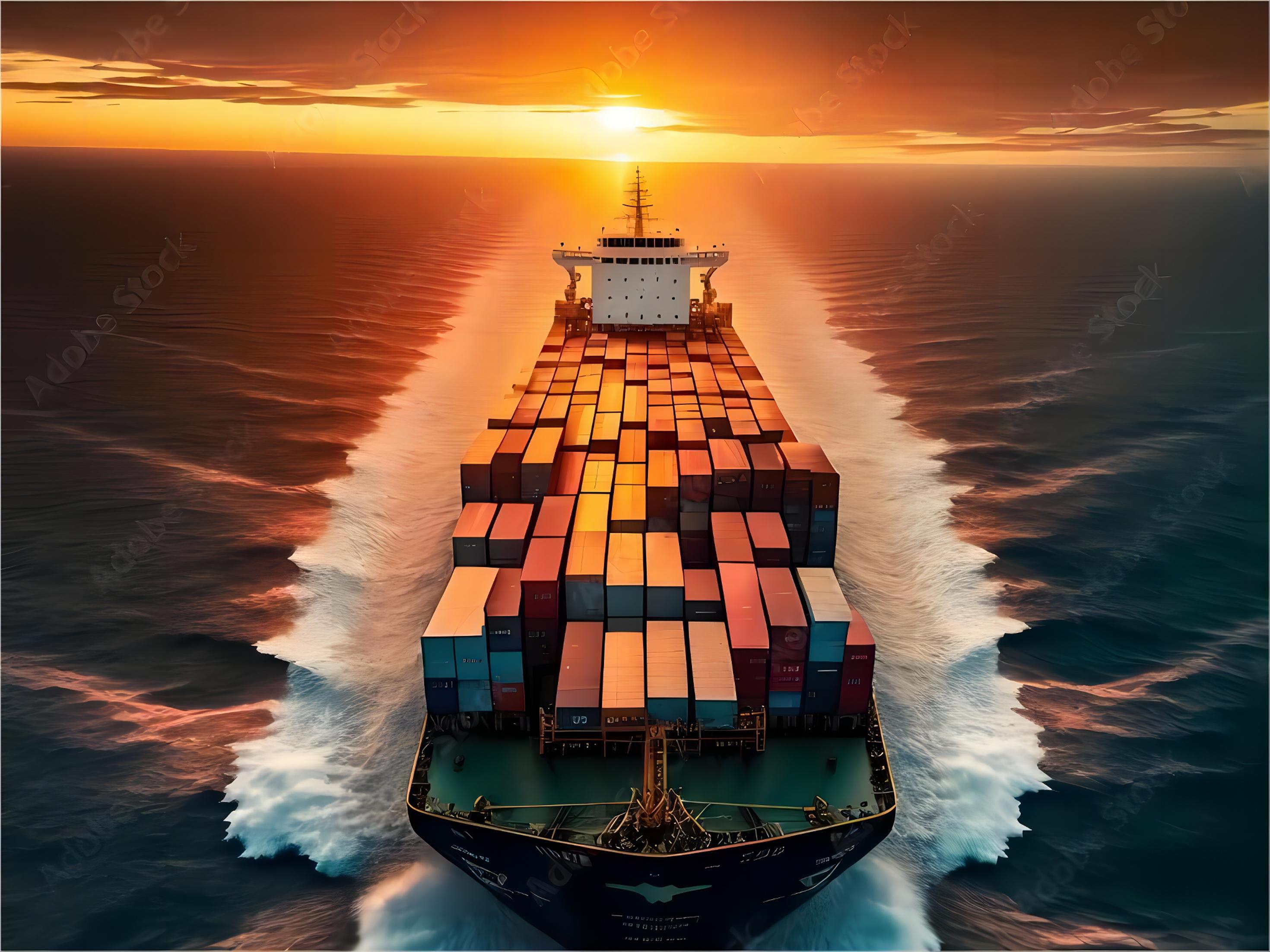
Choosing the right transportation mode is the first critical decision in your shipping journey. Most businesses rely on sea freight because it offers the most cost-effective solution for high-volume shipments. This method remains the backbone of international trade, providing stability for large-scale industrial goods and consumer products.
Air freight serves as the preferred alternative when speed takes precedence over cost. High-value electronics and seasonal fashion items frequently utilize this route to meet tight delivery schedules. Consequently, shippers must balance their budget constraints against the urgency of their inventory needs.
Moreover, the emergence of multi-modal solutions has provided more flexibility for modern traders. These hybrid approaches combine the speed of air travel with the economy of ocean transit. Shippers often find that these strategies help mitigate the rising fuel surcharges seen in early 2026.
Finally, express services provide the fastest possible transit for small parcels and urgent documents. This door-to-door solution handles every step of the process, including customs clearance and final delivery. Therefore, it is the ideal choice for samples or critical spare parts required for immediate use.
How Does Sea Freight Compare to Other Shipping Options?
Ocean transport dominates the export logistics China to UAE sector due to its massive capacity. It allows for the movement of heavy machinery, vehicles, and bulk commodities that would be prohibitively expensive by air. However, the longer transit times require careful planning and inventory management.
In contrast, air cargo provides a significantly shorter window from port to port. While sea transit might take several weeks, air shipments typically arrive within a matter of days. Businesses must evaluate if the time saved justifies the higher freight rates associated with aviation.
Furthermore, land-based or intermodal options are gaining traction as infrastructure improves across Central Asia. While not as common as direct sea routes, these alternatives offer a middle ground for certain types of cargo. Shippers should consult with their freight forwarder to see if these emerging routes fit their specific 2026 logistics profile.
The following table provides a clear breakdown of the differences between the primary shipping methods available for this route.
| Shipping Method | Cost Range (USD) | Transit Time | Best For |
|---|---|---|---|
| Sea Freight (FCL) | $2,200 – $3,500 | 22-30 Days | Bulk & Large Goods |
| Air Freight | $4.50 – $8.00/kg | 3-7 Days | High-Value Items |
| Express Service | $9.00 – $15.00/kg | 2-4 Days | Small Parcels |
| Sea-Air Hybrid | $3.00 – $5.00/kg | 12-18 Days | Balanced Priority |
Which Option Should You Choose?
Decision making in export logistics China to UAE depends largely on your specific business goals. If your primary focus is minimizing expenditure, sea freight is the undisputed winner for large volumes. Most established retailers plan their shipments months in advance to take advantage of these lower rates.
Alternatively, if you are launching a new product or responding to a sudden market surge, air freight is essential. Speed allows you to maintain lower inventory levels and respond quickly to consumer demand in Dubai or Abu Dhabi. Consequently, the higher cost is often offset by the increased sales velocity.
Cargo type also plays a major role in your selection process. Perishable goods or hazardous materials have strict requirements that may limit your choices. Always verify with your logistics provider whether your specific cargo is better suited for a 20GP container or a specialized air cargo pallet.
Budget priorities should be weighed against the potential loss of revenue from stockouts. Many successful companies use a split strategy, sending a small portion of inventory via air and the remainder via sea. This approach ensures immediate availability while keeping the total landed cost manageable.
Understanding Air Freight for Urgent Shipments
Air transport offers unparalleled reliability for time-sensitive cargo entering the UAE. Major hubs like Dubai International (DXB) and Al Maktoum International (DWC) handle millions of tons of cargo annually. Shippers benefit from frequent flight schedules and advanced cargo handling facilities that minimize delays.
Moreover, using an express service can further streamline the process for smaller shipments. These providers manage the entire chain, allowing you to focus on your core business operations. In 2026, technology integrations have made tracking these shipments more accurate than ever before.
Security is another significant advantage of air transportation. Airports maintain stringent security protocols, which reduces the risk of theft or damage during transit. For high-value goods like jewelry or premium electronics, this peace of mind is often worth the additional investment.
Nevertheless, shippers must be aware of dimensional weight calculations. Airlines charge based on either the actual weight or the volume of the cargo, whichever is greater. Efficient packaging is therefore vital to ensure you are not paying for empty space in the cargo hold.
The Role of Customs Brokerage in UAE Import Regulations
Navigating the legal requirements of UAE customs is a specialized task that requires local expertise. Utilizing professional customs brokerage services ensures that your documentation complies with the latest 2026 regulations. Errors in paperwork can lead to costly delays or even the seizure of your goods at the port.
Customs officials in the UAE require a specific set of documents for every import. These typically include the commercial invoice, packing list, certificate of origin, and the bill of lading. Additionally, certain products like food or medical supplies may require extra permits from relevant government ministries.
Furthermore, understanding the difference between free zones and mainland imports is crucial. Free zones like Jebel Ali (JAFZA) offer tax advantages and simplified procedures for re-exporting goods. However, if your final destination is the UAE mainland, you must account for standard customs duties and VAT.
Indeed, proactive communication with your broker can prevent most common issues. They can advise on the correct Harmonized System (HS) codes, which determine the duty rates for your products. This precision helps you calculate your total landed cost accurately before the shipment even leaves China.
Door to Door Services: Simplifying Your Supply Chain
Comprehensive door to door solutions have become the gold standard for modern importers. This service covers every stage of the logistics journey, from the factory floor in China to your warehouse in the UAE. By consolidating these steps, you reduce the number of touchpoints and the potential for communication errors.
Additionally, many sellers now opt for specialized shipping to Amazon FBA facilities in the UAE. Amazon has strict requirements for how goods must be labeled and palletized before they are accepted. A logistics partner familiar with these rules can prevent your shipment from being rejected upon arrival.
Efficiency is greatly improved when a single entity manages both the international transit and the local delivery. You receive a single invoice and a single point of contact for all your inquiries. This transparency is particularly valuable for small and medium-sized enterprises that lack a dedicated logistics department.
Consequently, the demand for these all-inclusive services has surged in 2026. Shippers value the convenience of having the freight forwarder handle the drayage, ocean freight, customs clearance, and final mile delivery. It allows business owners to spend more time on marketing and sales rather than tracking containers.
Real-World Case Studies: Export Logistics China to UAE Success Stories
Examining real-world examples provides valuable insight into the practical application of these logistics strategies. These cases illustrate how different businesses overcome challenges to achieve their delivery goals. We have selected three distinct scenarios based on early 2026 market data to highlight the diversity of the China-UAE route.
Case Study 01: High-Volume Consumer Electronics Route: Shenzhen, China to Dubai, UAE Cargo: Smart Home Devices, 45 CBM, 8,500 kg Container: 1 x 40HQ Shipping Details: – Carrier: Major Ocean Carrier – Port of Loading: Shenzhen (Yantian) – Port of Discharge: Jebel Ali – Route Type: Direct Cost Breakdown: – Ocean Freight: $3,250 – Origin Charges: $450 – Destination Charges: $600 – Customs and Duties: $1,200 – Total Landed Cost: $5,500 Timeline: – Booking to Loading: 4 days – Sea Transit: 24 days – Customs Clearance: 2 days – Total Door-to-Door: 30 days Key Insight: Early booking during the pre-Ramadan peak saved the client 15 percent on freight rates.
Case Study 02: Urgent Fashion Launch Route: Guangzhou, China to Abu Dhabi, UAE Cargo: Premium Apparel, 5 CBM, 1,200 kg Container: LCL / Air Freight Shipping Details: – Carrier: Emirates SkyCargo – Port of Loading: Guangzhou Baiyun – Port of Discharge: Abu Dhabi International – Route Type: Direct Air Cost Breakdown: – Air Freight: $6,600 ($5.50/kg) – Origin Charges: $200 – Destination Charges: $350 – Customs and Duties: $800 – Total Landed Cost: $7,950 Timeline: – Booking to Loading: 1 day – Air Transit: 1 day – Customs Clearance: 1 day – Total Door-to-Door: 3 days Key Insight: Using air freight allowed the brand to hit their launch date despite factory delays in China.
Case Study 03: Industrial Machinery Spare Parts Route: Ningbo, China to Sharjah, UAE Cargo: Steel Components, 12 CBM, 4,000 kg Container: LCL (Less than Container Load) Shipping Details: – Carrier: MSC – Port of Loading: Ningbo-Zhoushan – Port of Discharge: Jebel Ali (Transshipment to Sharjah) – Route Type: Transshipment via Singapore Cost Breakdown: – Ocean Freight: $1,100 – Origin Charges: $300 – Destination Charges: $450 – Customs and Duties: $500 – Total Landed Cost: $2,350 Timeline: – Booking to Loading: 5 days – Sea Transit: 32 days – Customs Clearance: 3 days – Total Door-to-Door: 40 days Key Insight: LCL was the most economical choice for this mid-sized shipment that was not time-sensitive.

Strategies to Optimize Your Shipping Costs in 2026
Reducing your logistics expenses requires a combination of smart planning and negotiation. One of the most effective methods is consolidating multiple small orders into a single full container load (FCL). This reduces the per-unit cost of shipping and simplifies the customs process at the destination.
Furthermore, timing your shipments can lead to significant savings. Avoid shipping during peak seasons like the weeks leading up to the Chinese New Year or major UAE holidays. During these periods, carrier capacity is tight and rates often spike by 20 to 30 percent.
Negotiating long-term contracts with your freight forwarder can also provide price stability. While spot rates fluctuate based on market conditions, a contract ensures you have guaranteed space at a predictable price. This is particularly beneficial for businesses with consistent monthly shipping volumes.
Note: Freight rates are subject to change based on fuel costs, carrier capacity, and seasonal demand. Contact us for a current quote tailored to your specific shipment.
Essential Documentation for Smooth Customs Clearance
Documentation is often the most overlooked aspect of export logistics China to UAE. However, it is the primary reason for shipments being delayed at the border. Ensuring that every piece of paper is accurate and matches the cargo is essential for a smooth process.
The Commercial Invoice must clearly state the value of the goods, the currency, and the incoterms used for the transaction. Meanwhile, the Packing List should provide a detailed breakdown of what is inside each carton or pallet. Discrepancies between these two documents will immediately trigger a customs inspection.
In addition, the Certificate of Origin is vital for determining the eligibility for any trade agreements or duty exemptions. This document must be legalized by the relevant authorities to be accepted by UAE customs. Without it, you may be forced to pay the maximum duty rate regardless of the actual origin of the goods.
Finally, always keep digital copies of all your shipping documents for at least five years. UAE authorities may conduct audits on past imports to ensure compliance with tax and trade laws. Having an organized archive will make these audits much easier to manage.
Mastering Your Trade Route to the Middle East
Mastering export logistics China to UAE is a journey that requires attention to detail and a deep understanding of the global market. By choosing the right transport mode and preparing your documentation meticulously, you can avoid the common pitfalls that plague many importers. The 2026 landscape offers many opportunities for those who are prepared to adapt.
Success in this route is not just about finding the lowest price, but about building a resilient supply chain. Partnering with a reliable freight forwarder ensures that your business can navigate any challenges that arise. Start optimizing your export logistics China to UAE today to secure your position in this vital trade corridor.

Ready to streamline your logistics?
Streamline your supply chain today with our expert export logistics China to UAE services. Contact Top China Freight for a personalized quote and let our team handle the complexities of your international shipping needs. Visit our website to learn more about our comprehensive solutions.
Request Quote