China to California FCL Shipping Transit Time Guide
Navigating international logistics can be complex, especially when considering the transit time for FCL shipping from China to California. Importers often face challenges with unpredictable schedules and varying delivery estimates. This guide provides a clear understanding of the factors influencing your cargo’s journey, helping you plan more effectively.
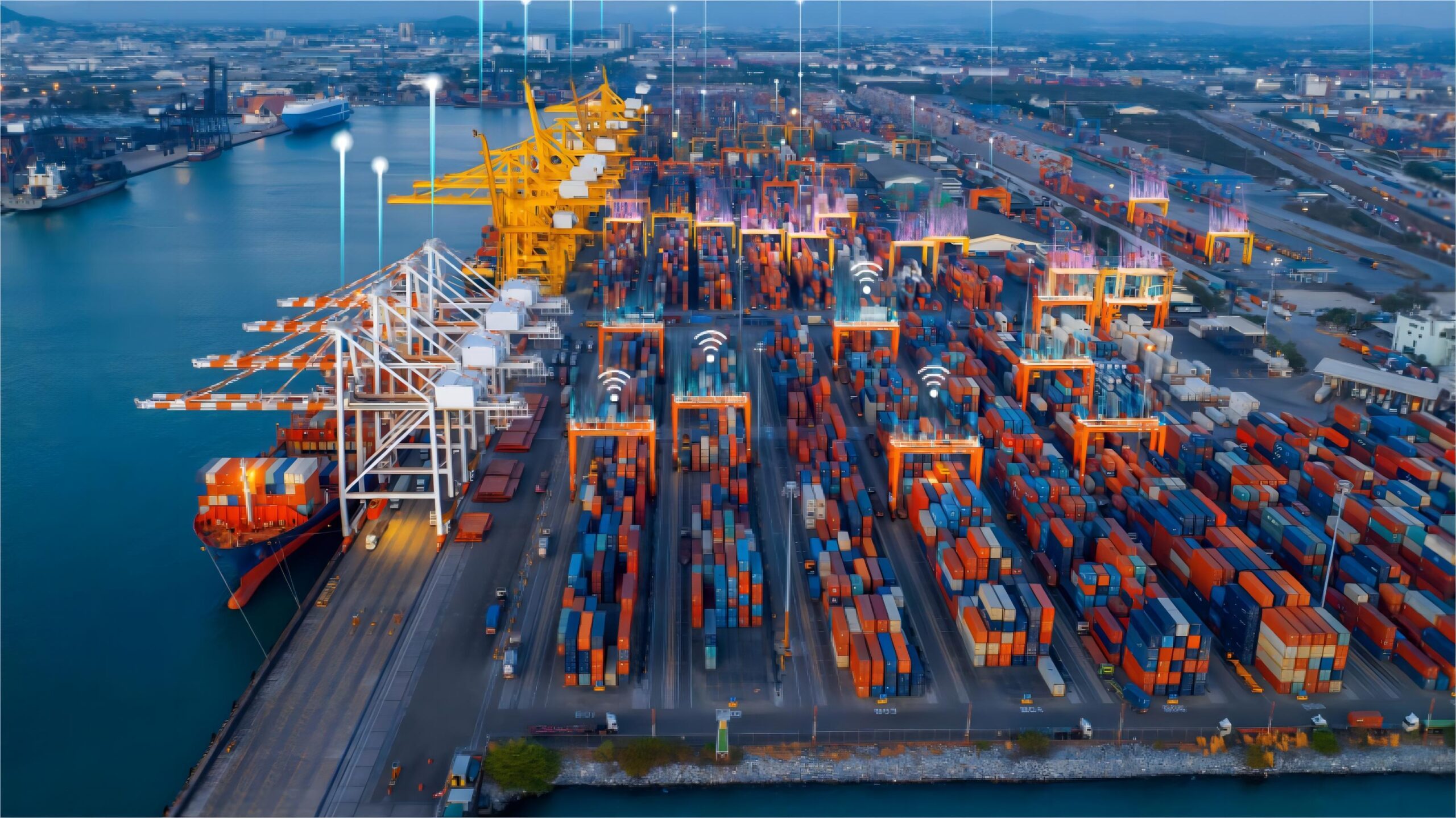
Understanding FCL Transit Time: China to California
Full Container Load (FCL) shipping offers a dedicated container for your goods, ensuring security and efficiency. The typical sea freight transit time for FCL shipping from China to California generally ranges from 14 to 28 days. However, this is merely a port-to-port estimate and can fluctuate significantly.
Several critical factors affect the actual delivery schedule. These include the specific origin and destination ports, the chosen shipping line, and prevailing weather conditions. Consequently, managing these variables is essential for accurate planning of your import logistics.
Key Factors Influencing FCL Transit Times
Many elements contribute to the final transit time for FCL shipping. Firstly, the specific port of loading in China and the port of discharge in California play a major role. Direct routes are always faster than those involving transshipment.
Secondly, vessel speed and carrier schedules directly impact how quickly your cargo reaches its destination. Furthermore, port congestion, particularly at busy hubs like Los Angeles and Long Beach, can cause considerable delays. Seasonal demand and holidays also often lead to increased transit times and higher freight rates.
Common Ports and Routes
Major Chinese ports for California-bound FCL shipments include Shanghai, Ningbo, and Shenzhen. These ports offer frequent sailings and robust infrastructure. Conversely, the primary California ports are Los Angeles (LAX), Long Beach (LGB), and Oakland (OAK).
Most FCL ocean freight schedules are direct routes to these major Californian ports. Occasionally, vessels might make a stop at another port, which can add a few days to the journey. Therefore, understanding the exact route is vital for predicting full container load delivery times.
How Does FCL Compare to Other Shipping Options?
When planning your supply chain, it is crucial to evaluate FCL against alternative shipping methods. Each option presents different trade-offs in terms of speed, cost, and cargo volume. For instance, while FCL offers cost-effectiveness for large shipments, other methods might suit smaller or time-sensitive cargo better.
Consider your budget priority, speed requirements, and cargo type when making a decision. For urgent shipments, air freight is typically the fastest, albeit most expensive, option. In contrast, Less than Container Load (LCL) provides flexibility for smaller volumes, consolidating goods from multiple shippers into one container.
| Shipping Method | Cost Range (2024-2025) | Transit Time (China to CA) | Best For | Limitations |
|---|---|---|---|---|
| FCL (Full Container Load) | $2,500 – $3,800 (40HQ) | 14 – 28 days | Large volumes, cost-efficiency | Slower than air, port congestion risk |
| LCL (Less than Container Load) | $80 – $150 per CBM | 20 – 35 days | Smaller volumes (under 15 CBM) | Longer transit, more handling, higher CBM cost |
| Air Freight | $4 – $8 per kg | 3 – 7 days | Urgent, high-value, small cargo | Very high cost, volume/weight restrictions |

Optimizing Your FCL Shipping Transit Time
Effectively managing your FCL shipments involves several strategic steps to minimize delays. Firstly, early booking is paramount, especially during peak seasons. This secures vessel space and allows for better planning of cargo handling and vessel departure.
Secondly, accurate and complete documentation is crucial for swift customs brokerage. Delays often arise from incorrect paperwork, leading to cargo hold-ups at the port. Finally, choosing a reliable freight forwarder with strong relationships with carriers can significantly streamline the process and offer proactive communication.
Strategies for Reducing Delays
To reduce FCL shipping delays, consider several proactive measures. Pre-clearing customs documentation before the vessel’s arrival can shave days off the process. Furthermore, selecting premium services or carriers known for their punctuality can be beneficial for time-sensitive cargo.
Monitoring your shipment with advanced tracking systems also provides real-time updates, allowing you to react quickly to any unforeseen issues. These strategies contribute to improved supply chain efficiency from China to California.
Real-World FCL Transit Time Examples
Examining actual scenarios helps illustrate the practical transit times for FCL shipping from China to California. These examples reflect typical rates and schedules based on recent market conditions. They highlight how various factors influence the overall delivery schedule.
Note: Freight rates are subject to change based on fuel costs, carrier capacity, and seasonal demand. Contact us for a current quote tailored to your specific shipment.
Case Study 1: Standard Consumer Goods
This case study demonstrates a typical FCL shipment for consumer electronics during a non-peak period, showcasing a relatively smooth process.
| Detail | Description |
|---|---|
| Route | Shanghai, China -> Los Angeles, USA |
| Cargo | Consumer electronics, 65 CBM, 12,000 kg |
| Container | 40HQ |
| Shipping Details | Carrier: COSCO, Port of Loading: Shanghai, Port of Discharge: Los Angeles, Route Type: Direct |
| Cost Breakdown | Ocean Freight: $2,850, Origin Charges: $450, Destination Charges: $550, Customs & Duties (estimated): $1,200, Total Landed Cost: $5,050 |
| Timeline | Booking to Loading: 5 days, Sea Transit: 16 days, Customs Clearance: 3 days, Total Door-to-Door: 24 days |
| Key Insight | Efficient documentation and direct route minimized transit time. Typical rates as of early 2025. |

Case Study 2: Seasonal Retail Inventory
This example illustrates a shipment of seasonal retail clothing during a moderate peak season, experiencing minor delays but still within reasonable expectations.
| Detail | Description |
|---|---|
| Route | Ningbo, China -> Long Beach, USA |
| Cargo | Apparel and textiles, 58 CBM, 9,500 kg |
| Container | 40GP |
| Shipping Details | Carrier: MSC, Port of Loading: Ningbo, Port of Discharge: Long Beach, Route Type: Direct |
| Cost Breakdown | Ocean Freight: $2,600, Origin Charges: $420, Destination Charges: $500, Customs & Duties (estimated): $1,050, Total Landed Cost: $4,570 |
| Timeline | Booking to Loading: 7 days, Sea Transit: 18 days, Customs Clearance: 4 days, Total Door-to-Door: 29 days |
| Key Insight | Slightly longer booking and customs due to moderate peak season (Q3 2024 rates). Proactive communication helped manage expectations. |
Market Insights and Future Trends
The shipping industry is dynamic, with various factors constantly influencing freight rates and transit times. As of Q1 2025, freight rates from China to California have shown some stabilization after recent global disruptions. However, port congestion remains a recurring challenge, especially during peak periods.
Industry trends suggest an increasing focus on digital solutions for tracking and managing shipments. Moreover, environmental regulations are leading to changes in vessel operations, which could indirectly impact delivery schedules. Therefore, staying informed about logistics trends is crucial for managing FCL cargo handling efficiently.
Seasonal Impacts and Surcharges
Seasonal variations significantly affect FCL shipping. Rates typically increase by 15-25% during the August-October peak season leading up to Western holidays. The Chinese New Year also causes factory closures and shipping backlogs, impacting schedules for weeks.
Furthermore, various surcharges, such as Bunker Adjustment Factor (BAF) and Peak Season Surcharge (PSS), can add to the overall shipping costs. Understanding these patterns allows for better budget and delivery schedule planning. Consider using a door to door service for simplified pricing.
Navigating Your FCL Shipments Effectively
In conclusion, understanding the factors influencing the <a href=”https://Top China Freight.net/shipping-from-china-to-north-america/”>transit time for FCL shipping from China to California</a> is vital for successful import operations. While typical port-to-port times range from 14-28 days, external variables, port conditions, and your chosen service all play a significant role. Proactive planning, accurate documentation, and selecting a reputable freight forwarder are key to managing expectations and ensuring timely delivery.
By leveraging market insights and implementing strategic best practices, businesses can achieve greater predictability and efficiency in their global supply chains. Partnering with experienced logistics providers can further streamline your entire shipping process.
Ready to streamline your logistics?
Ready to optimize your FCL shipping from China to California? Contact our experts today for a personalized quote and reliable transit time estimates. We ensure your cargo reaches its destination efficiently.
Request Quote