
China FCL Warehouse Consolidation to Portugal: Your Ultimate Guide
Navigating international shipping can be complex, especially when sourcing goods from multiple suppliers across China. Fortunately, Top China Freight offers specialized solutions to simplify this process. Our comprehensive China FCL warehouse consolidation to Portugal service is designed to optimize your supply chain, ultimately saving you time and money.
What is China FCL Warehouse Consolidation to Portugal?
China FCL warehouse consolidation to Portugal involves collecting goods from various suppliers throughout China into a single Full Container Load (FCL). This service then ships the consolidated container directly to Portugal. Essentially, it transforms multiple smaller shipments into one larger, more manageable unit.
Consequently, businesses avoid the complexities and higher costs associated with Less than Container Load (LCL) shipments. Moreover, it provides a dedicated container for your goods, ensuring greater security and fewer handling points. This method is particularly beneficial for importers with diverse product sourcing needs.
Ultimately, the goal is to streamline the logistics process from origin to destination. By combining cargo, you maximize container space, which directly translates into cost efficiencies. This is a strategic solution for optimizing your global supply chain from China to Portugal.
Why Choose FCL Consolidation for Your Portugal-Bound Shipments?
Opting for China FCL warehouse consolidation to Portugal offers numerous strategic advantages for importers. Firstly, it significantly reduces per-unit shipping costs compared to LCL. This is because you pay for the entire container, regardless of whether it’s fully utilized, making it economical for larger volumes.
Furthermore, FCL shipments generally experience faster transit times. They avoid the delays often associated with LCL, such as deconsolidation at transshipment ports. Your cargo moves directly to its destination, thus cutting down delivery schedules.
Another key benefit is enhanced cargo security. A sealed FCL container reduces the risk of damage, loss, or theft since your goods are not handled alongside other shippers’ cargo. This provides greater peace of mind throughout the journey.
Finally, FCL consolidation offers greater control over your shipping schedule. You can dictate loading and unloading times, which helps in better inventory management. This level of control is invaluable for maintaining a consistent supply chain flow.
The Process: How China FCL Warehouse Consolidation Works
The journey of China FCL warehouse consolidation to Portugal begins with careful planning. Initially, your logistics partner coordinates with all your Chinese suppliers to schedule cargo readiness. This ensures all goods are prepared for collection at the designated times.
Subsequently, goods are transported from individual supplier locations to a central consolidation warehouse in China. Here, experienced personnel inspect, verify, and meticulously prepare your cargo for international transit. Proper documentation is also initiated at this stage.
Once all items are received, they are expertly loaded into a full container. This process, known as stuffing, involves optimizing space and securing cargo to prevent movement during transit. A detailed packing list and Bill of Lading are then issued.
Finally, the container is sealed and transported to the port of loading, typically Shanghai, Ningbo, or Shenzhen. From there, it embarks on its sea freight journey directly to a major port in Portugal, such as Lisbon or Leixoes. Upon arrival, customs clearance and onward delivery are arranged.
Key Factors Influencing Cost and Transit Time
Several factors significantly impact the overall shipping costs and transit times for China FCL warehouse consolidation to Portugal. Understanding these elements is crucial for effective budget and schedule management.
Firstly, the choice of shipping line and vessel directly affects both price and speed. Premium carriers might offer faster services at a higher cost. Conversely, budget options may take longer but are more economical. Market data suggests rates fluctuate.
Secondly, the specific ports of loading in China and discharge in Portugal play a role. Direct routes are generally faster and sometimes more expensive than those involving transshipment. Port congestion can also introduce unexpected delays.
Furthermore, the type and size of the container (e.g., 20GP, 40GP, 40HQ) influence the freight rate. Larger containers typically offer better per-unit costs. Seasonal demand, especially during peak shipping seasons like Q3 and Q4, can also drive prices up by 15-25%.
Finally, origin and destination charges, including terminal handling fees, customs brokerage, and local delivery, add to the total landed cost. Fuel surcharges also contribute to the variable nature of freight rates. Always request a current quote for accuracy.
How Does FCL Consolidation Compare to Other Shipping Options?
When planning your imports from China to Portugal, it’s essential to compare FCL warehouse consolidation with other available shipping methods. Each option presents unique trade-offs in terms of cost, speed, and suitability for different cargo types.
FCL consolidation, as discussed, is ideal for larger volumes that can fill or nearly fill a container. However, for smaller shipments, other methods might be more appropriate. Let’s explore the alternatives.
For instance, air freight offers unparalleled speed, delivering goods in days rather than weeks. Nevertheless, it comes at a significantly higher cost, making it suitable only for high-value, time-sensitive, or perishable items. It’s not a cost-effective solution for bulk commodities.
Conversely, Less than Container Load (LCL) shipping is an option for smaller volumes that don’t justify an FCL. While more affordable than air freight for small parcels, LCL typically involves longer transit times due to consolidation and deconsolidation processes at various hubs. It also entails more cargo handling, increasing damage risk.
Another viable option for Europe-bound cargo is rail freight. While not directly to Portugal, rail lines can transport goods from China to central European hubs (e.g., Germany, Poland) in 18-25 days. From there, trucking services complete the journey to Portugal. This hybrid approach offers a balance between sea and air freight in terms of speed and cost.
Ultimately, the best choice depends on your specific business needs, including budget, urgency, and cargo characteristics. Consider these factors carefully to make an informed decision for your supply chain.
| Shipping Method | Cost Range (40HQ equivalent) | Transit Time (China to Portugal) | Best For | Limitations |
|---|---|---|---|---|
| FCL Sea Freight (Consolidated) | $3,000-4,200 | 30-40 days | Large volumes, cost-efficiency, security | Slower than air/rail |
| LCL Sea Freight | $80-150/CBM | 35-50 days | Small volumes (under 15 CBM), budget-conscious | Longer transit, more handling, less secure |
| Air Freight | $15,000-25,000 (for 40HQ equivalent) | 5-7 days | Urgent, high-value, perishable goods | Very high cost, volume/weight restrictions |
| Rail-Truck (Hybrid) | $8,000-12,000 (for 40HQ equivalent) | 25-35 days | Mid-range urgency, large volumes (via rail to EU) | Higher cost than sea, transshipment required |

Which Option Should You Choose? A Decision Framework
Choosing the right shipping method from China to Portugal requires a clear understanding of your priorities. A structured decision-making process can help you select the most suitable option for your unique requirements.
If **budget is your primary concern**, FCL sea freight consolidation is almost always the most cost-effective solution, especially for volumes exceeding 15-20 CBM. It maximizes efficiency and minimizes per-unit costs.
Conversely, if **speed is paramount**, air freight is the undisputed choice for urgent deliveries. However, be prepared for significantly higher costs. For a balance of speed and cost for larger volumes, consider the rail-truck hybrid.
**Cargo type considerations** also play a crucial role. Fragile or high-value items often benefit from the reduced handling of FCL. Perishable goods, on the other hand, necessitate the speed of air freight. Standard durable goods can utilize any method based on other priorities.
Finally, **volume thresholds** dictate the switch between methods. For shipments under 15 CBM, LCL might be more economical than FCL. However, anything above 15 CBM generally makes FCL consolidation the superior choice for cost and efficiency. For extremely large, time-sensitive cargo, a combination of methods or even multiple FCLs might be considered.
Therefore, by evaluating these factors, businesses can make informed decisions. This ensures their China FCL warehouse consolidation to Portugal strategy aligns perfectly with their operational goals.
Real-World Case Studies: China FCL Warehouse Consolidation to Portugal
To illustrate the practical benefits of FCL warehouse consolidation, let’s examine a few real-world scenarios. These examples highlight how businesses successfully optimize their logistics from China to Portugal.
Case Study 1: Consolidating Multiple Textile Suppliers
A Portuguese fashion retailer sourced clothing from three different factories in Guangdong province. Instead of three separate LCL shipments, they opted for FCL consolidation. This streamlined their entire import process.
| Detail | Value |
|---|---|
| Route | Guangzhou, China Lisbon, Portugal |
| Cargo | Assorted textiles (clothing), 60 CBM, 15,000 kg |
| Container | 1 x 40HQ |
| Shipping Details – Carrier/Service | COSCO (Major carrier) |
| Shipping Details – Port of Loading | Shenzhen |
| Shipping Details – Port of Discharge | Lisbon |
| Shipping Details – Route Type | Direct |
| Cost Breakdown – Ocean Freight | $3,850 |
| Cost Breakdown – Origin Charges | $480 |
| Cost Breakdown – Destination Charges | $550 |
| Cost Breakdown – Customs & Duties (estimated) | $1,200 |
| Cost Breakdown – Total Landed Cost | $6,080 |
| Timeline – Booking to Loading | 5 days |
| Timeline – Sea Transit | 32 days |
| Timeline – Customs Clearance | 3 days |
| Timeline – Total Door-to-Door | 40 days |
| Key Insight | Reduced overall shipping cost by 25% compared to three LCLs, and improved transit time by 7 days. Based on Q3 2024 market rates. |
Case Study 2: Electronics Component Imports
An electronics manufacturer in Porto needed various components from two distinct suppliers in Zhejiang. FCL consolidation ensured all parts arrived together, preventing production delays and managing inventory effectively.
| Detail | Value |
|---|---|
| Route | Ningbo, China Leixoes, Portugal |
| Cargo | Electronic components, 28 CBM, 9,000 kg |
| Container | 1 x 20GP |
| Shipping Details – Carrier/Service | Maersk (Major carrier) |
| Shipping Details – Port of Loading | Ningbo |
| Shipping Details – Port of Discharge | Leixoes |
| Shipping Details – Route Type | Transshipment via Valencia |
| Cost Breakdown – Ocean Freight | $2,100 |
| Cost Breakdown – Origin Charges | $350 |
| Cost Breakdown – Destination Charges | $400 |
| Cost Breakdown – Customs & Duties (estimated) | $950 |
| Cost Breakdown – Total Landed Cost | $3,800 |
| Timeline – Booking to Loading | 4 days |
| Timeline – Sea Transit | 38 days |
| Timeline – Customs Clearance | 4 days |
| Timeline – Total Door-to-Door | 46 days |
| Key Insight | Achieved full container efficiency for a smaller volume shipment, securing better rates and dedicated space. Typical rates as of early 2025. |
Case Study 3: Furniture and Home Goods Importer
A Lisbon-based home goods chain regularly imports furniture from multiple factories near Shanghai. Consolidating these into 40HQ containers allowed them to maintain stock levels efficiently and manage a growing product line.
| Detail | Value |
|---|---|
| Route | Shanghai, China Lisbon, Portugal |
| Cargo | Furniture and home decor, 68 CBM, 12,000 kg |
| Container | 1 x 40HQ |
| Shipping Details – Carrier/Service | MSC (Major carrier) |
| Shipping Details – Port of Loading | Shanghai |
| Shipping Details – Port of Discharge | Lisbon |
| Shipping Details – Route Type | Direct |
| Cost Breakdown – Ocean Freight | $4,100 |
| Cost Breakdown – Origin Charges | $520 |
| Cost Breakdown – Destination Charges | $600 |
| Cost Breakdown – Customs & Duties (estimated) | $1,500 |
| Cost Breakdown – Total Landed Cost | $6,720 |
| Timeline – Booking to Loading | 6 days |
| Timeline – Sea Transit | 33 days |
| Timeline – Customs Clearance | 3 days |
| Timeline – Total Door-to-Door | 42 days |
| Key Insight | Consistent FCL consolidation supported rapid business expansion and reduced per-item shipping costs for bulky goods. Note: Q4 peak season rates were 15% higher. |
Navigating Customs and Regulations for Portugal Imports
Successfully importing goods through China FCL warehouse consolidation to Portugal also requires meticulous attention to customs and regulatory compliance. Proper documentation and adherence to EU standards are paramount to avoid delays and penalties.
Initially, you must ensure all necessary import licenses and permits are secured for your specific goods. Portugal, as an EU member, adheres to strict customs regulations, therefore understanding these rules beforehand is critical.
Furthermore, accurate and complete documentation is non-negotiable. This includes the Commercial Invoice, Packing List, Bill of Lading, and Certificate of Origin. Any discrepancies can lead to significant customs delays and additional storage costs.
Moreover, Harmonized System (HS) codes must be correctly declared for all items to ensure proper duty and tax assessment. Working with an experienced customs brokerage service can greatly simplify this complex process and prevent errors. They stay updated on changing regulations.
Finally, be aware of VAT (Value Added Tax) and any specific import duties applicable to your product category. These charges are typically calculated based on the declared value of your goods. Planning for these costs in advance is essential for accurate landed cost calculations.
| Required Document | Purpose | Notes |
|---|---|---|
| Commercial Invoice | Details of goods, value, seller/buyer | Must be accurate for customs declaration |
| Packing List | Itemized list of contents per package | Aids in cargo inspection and verification |
| Bill of Lading (BOL) | Contract of carriage, title to goods | Issued by carrier, crucial for cargo release |
| Certificate of Origin | Proves country of manufacture | May impact duties under trade agreements |
| Import License/Permits | Required for specific regulated goods | Check Portuguese/EU regulations for your products |
Optimizing Your Supply Chain with a Trusted Partner
Achieving seamless China FCL warehouse consolidation to Portugal relies heavily on partnering with an experienced logistics provider. A reliable partner can offer end-to-end solutions, mitigating risks and maximizing efficiency.
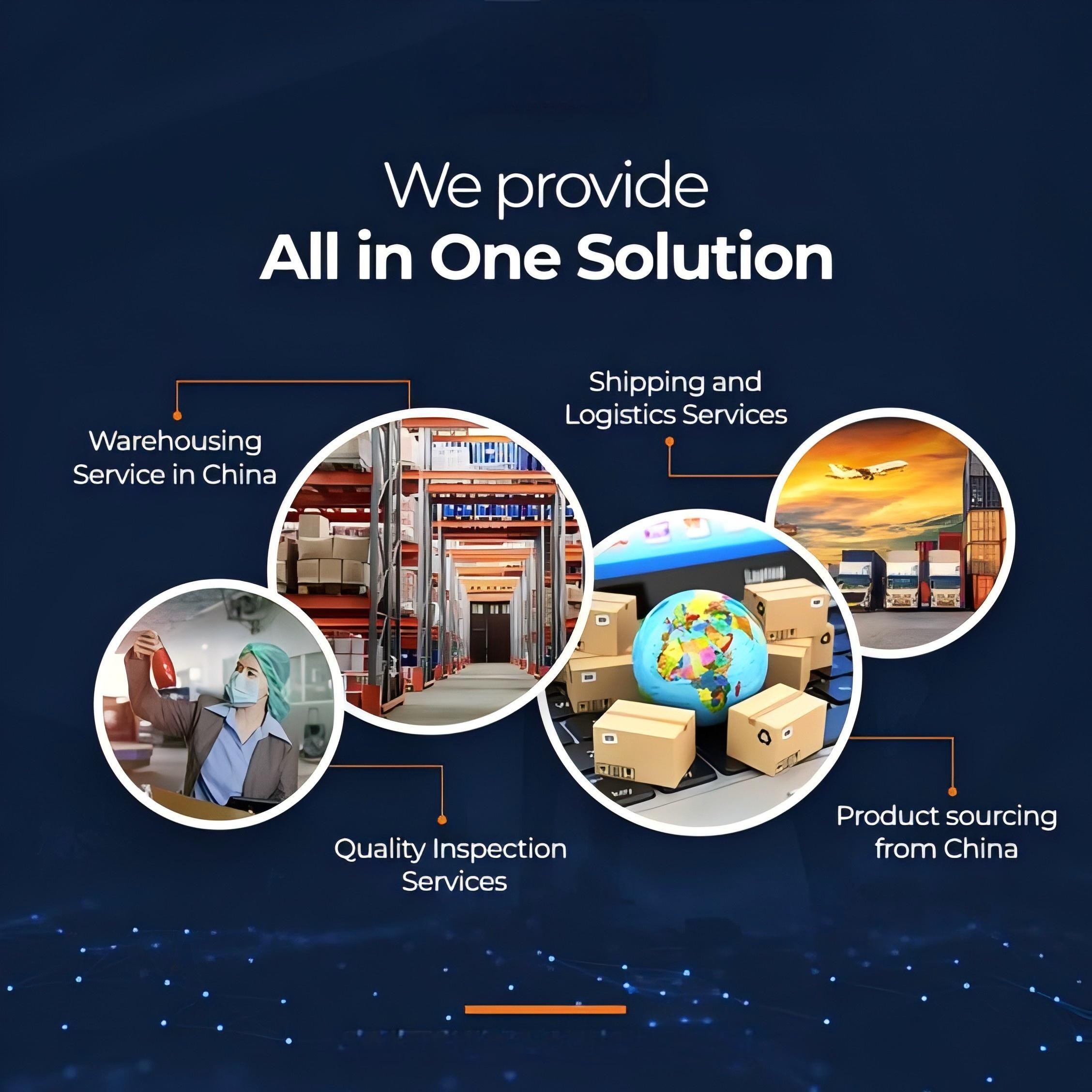
A good logistics partner provides more than just shipping; they offer comprehensive supply chain management. This includes supplier coordination, quality control checks at the consolidation warehouse, and efficient cargo handling. This holistic approach ensures smooth operations.
Furthermore, they offer valuable insights into logistics trends and market conditions. For example, they can advise on the best shipping routes, carrier selections, and strategies to navigate peak seasons or unforeseen disruptions like port congestion. This proactive advice is invaluable.
Finally, choosing a partner that offers door-to-door service simplifies your entire import process. From picking up goods in China to final delivery in Portugal, a single point of contact manages all aspects. This reduces administrative burden and enhances overall accountability.
Note: Freight rates are subject to change based on fuel costs, carrier capacity, and seasonal demand. Contact us for a current quote tailored to your specific shipment.
Conclusion
In summary, China FCL warehouse consolidation to Portugal offers a highly efficient and cost-effective solution for businesses importing goods from multiple Chinese suppliers. By combining various shipments into a single full container load, you can reduce freight costs, enhance cargo security, and gain greater control over your delivery schedules. This strategic approach is vital for maintaining a competitive edge in today’s global market.
Moreover, understanding the process, comparing shipping alternatives, and navigating customs regulations are all critical steps. Partnering with a knowledgeable logistics provider is therefore essential to ensure a smooth and successful import operation. Ultimately, optimizing your China FCL warehouse consolidation to Portugal strategy can lead to significant long-term benefits for your business.
Need a tailored shipping solution?
Ready to streamline your imports from China to Portugal? Contact us today for a personalized quote on China FCL warehouse consolidation to Portugal services. Our experts are here to help you optimize your supply chain and achieve significant savings.