
China FCL Warehouse Consolidation to Georgia: The Ultimate 2025 Guide
Managing international trade requires a balance between cost efficiency and speed, especially when navigating the complex routes from East Asia to the Caucasus. For many businesses, China FCL warehouse consolidation to Georgia represents the most effective method to streamline large-scale imports while maintaining cargo integrity. By choosing Top China Freight, you gain access to a network of secure facilities designed to group your goods before they embark on their maritime journey. This approach not only reduces handling risks but also ensures that your supply chain remains resilient against market fluctuations.
Understanding China FCL Warehouse Consolidation to Georgia
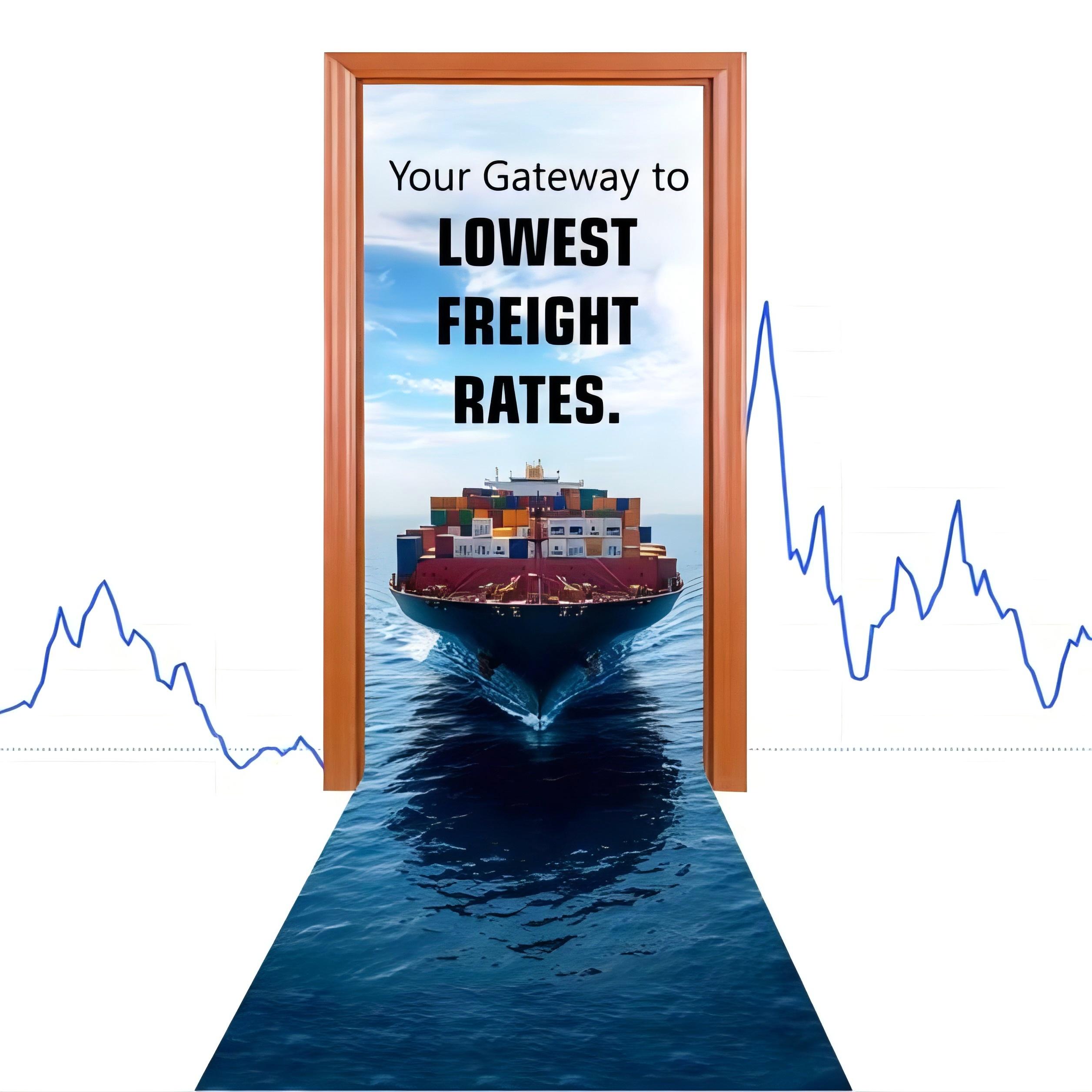
Full Container Load (FCL) shipping involves dedicated use of a container, providing maximum security for high-volume shipments. Consequently, China FCL warehouse consolidation to Georgia allows importers to gather products from multiple suppliers into one single container at a central hub. This process eliminates the need for multiple smaller shipments, which significantly lowers the overall cost per unit.
Furthermore, utilizing sea freight for these consolidated loads offers a stable and predictable delivery schedule. Most shipments originate from major Chinese industrial hubs like Shenzhen, Ningbo, or Shanghai before heading toward the Black Sea. This consolidation strategy is particularly beneficial for retailers and manufacturers who need to manage inventory from various regions within China simultaneously.
Moreover, specialized warehouses provide value-added services such as palletizing, labeling, and quality inspections before the container is sealed. Therefore, the cargo arrives in Georgia in a ready-to-distribute state, saving time at the final destination. By centralizing the loading process, businesses can also ensure that weight distribution within the container is optimized for safety.
Key Benefits of Professional Consolidation Services
One major advantage of this shipping model is the significant reduction in administrative overhead and documentation complexity. Instead of managing ten different bills of lading, you only deal with a single set of documents for the entire container. Additionally, our door to door solutions ensure that once the container is consolidated, it moves seamlessly from the warehouse to your warehouse in Tbilisi or Batumi.
Safety remains a top priority during the consolidation phase, as professional handlers use advanced equipment to secure goods. Indeed, preventing movement inside the container is crucial for long-haul sea voyages across multiple climate zones. Consequently, the risk of damage is much lower compared to traditional LCL shipments where goods from different owners are mixed.
Cost-effectiveness is another driving factor for choosing this method over others. While individual shipments might seem cheaper initially, the cumulative fees for multiple LCL entries often exceed the price of one FCL container. In addition, consolidated containers often receive priority handling at major ports, reducing the likelihood of being rolled to a later vessel.
How Does China FCL Warehouse Consolidation to Georgia Compare to Other Shipping Options?
Selecting the right transport mode depends heavily on your budget, cargo volume, and required delivery speed. While sea freight is the backbone of trade to Georgia, alternatives like rail or air may be necessary for specific scenarios. Specifically, for urgent restocks, air freight provides the fastest transit despite the significantly higher cost.
On the other hand, rail freight via the Middle Corridor is becoming a popular middle-ground solution. This route connects China to Georgia through Central Asia and the Caspian Sea, offering faster speeds than ocean transport without the extreme expense of air. However, capacity on rail lines can be limited during peak seasons, making sea-based consolidation a more reliable choice for consistent volume.
| Shipping Method | Cost Range (USD) | Transit Time | Best For |
|---|---|---|---|
| FCL Sea Freight | $3,000 – $4,500 | 30-40 Days | Bulk goods, high volume |
| LCL Sea Freight | $80 – $150/CBM | 35-45 Days | Small shipments < 15CBM |
| Rail Freight | $5,000 – $7,000 | 18-25 Days | Mid-value industrial parts |
| Air Freight | $4.50 – $8.00/kg | 5-8 Days | Electronics, urgent stock |

Transit Times and Major Routes to Georgia
Shipping routes from China to Georgia typically involve a journey through the Suez Canal and into the Mediterranean, eventually reaching the Black Sea. Most vessels dock at Poti or Batumi, which serve as the primary gateways for the entire Caucasus region. Therefore, understanding the transit time is essential for accurate inventory planning and customer expectations.
Typically, a direct vessel from a major Chinese port to Poti takes approximately 30 to 35 days. Nevertheless, transshipment through ports like Istanbul or Piraeus can extend this timeline to 40 or 45 days. Consequently, shippers should verify whether their chosen service is a direct call or involves multiple transfers.
Market data suggests that seasonal weather patterns in the Black Sea can occasionally cause minor delays during the winter months. To summarize, while the route is generally stable, building a 5-day buffer into your logistics schedule is a wise strategic move. This ensures that any unforeseen port congestion does not disrupt your local operations in Georgia.
Customs Clearance and Documentation Requirements
Navigating the legal requirements for importing goods into Georgia requires precision and attention to detail. Proper customs brokerage is vital to avoid costly delays or fines at the border. Specifically, the Georgian Customs Department requires a commercial invoice, a detailed packing list, and the original Bill of Lading.
Additionally, certain products such as electronics or chemicals may require specific certificates of origin or safety data sheets. Without a doubt, having these documents prepared during the consolidation phase in China is the most efficient way to handle the process. Failure to provide accurate documentation can result in the container being held in the terminal, incurring daily storage fees.
Georgian customs regulations are generally business-friendly, but they do strictly enforce valuation rules. For instance, the declared value of the consolidated goods must match the market value to avoid audits. Therefore, working with a freight forwarder who understands both Chinese export laws and Georgian import rules is a significant advantage.
Case Study 1: Electronics Distribution to Tbilisi
Route: Shenzhen, China to Tbilisi, Georgia via Poti Port
Cargo: Consumer electronics and accessories, 18 CBM, 4,200 kg
Container: 40HQ (Consolidated with other electronics from same owner)
Shipping Details: Major carrier via transshipment in Istanbul. Port of Loading: Shenzhen. Port of Discharge: Poti.
Cost Breakdown: Ocean Freight: $3,850. Origin Charges: $450. Destination Charges: $600. Customs & Duties: $1,200. Total Landed Cost: $6,100.
Timeline: Booking to Loading: 4 days. Sea Transit: 34 days. Customs Clearance: 2 days. Total Door-to-Door: 40 days.
Key Insight: By using China FCL warehouse consolidation to Georgia, the client saved 22% compared to shipping three separate LCL lots. Based on Q4 2024 market rates.

Case Study 2: Industrial Machinery Parts for Batumi
Route: Ningbo, China to Batumi, Georgia
Cargo: Heavy machinery components, 26 CBM, 12,000 kg
Container: 20GP Full Container
Shipping Details: Direct service via COSCO. Port of Loading: Ningbo. Port of Discharge: Batumi.
Cost Breakdown: Ocean Freight: $3,100. Origin Charges: $380. Destination Charges: $550. Customs & Duties: $2,100. Total Landed Cost: $6,130.
Timeline: Booking to Loading: 5 days. Sea Transit: 31 days. Customs Clearance: 3 days. Total Door-to-Door: 39 days.
Key Insight: Direct routing saved 6 days of transit time compared to transshipment options. Typical rates as of early 2025.
Which Shipping Option Should You Choose?
Deciding between FCL consolidation and other methods depends on several specific criteria related to your business model. If your total volume exceeds 15 Cubic Meters (CBM), FCL is almost always the more economical choice. Conversely, for very small samples or test shipments, LCL remains the standard despite the higher risk of handling damage.
Budget priority: If your primary goal is cost reduction, choose sea-based China FCL warehouse consolidation to Georgia with a transshipment route. Speed priority: If you need goods within three weeks, rail freight via the Middle Corridor is the best alternative. Cargo type: Heavy or oversized machinery is best suited for dedicated FCL containers to ensure structural safety during transit.
Note: Freight rates are subject to change based on fuel costs, carrier capacity, and seasonal demand. Contact us for a current quote tailored to your specific shipment.
Mastering Your Logistics Strategy
Successfully managing China FCL warehouse consolidation to Georgia requires a combination of strategic planning and reliable partnerships. By consolidating your goods, you minimize costs and maximize the safety of your cargo throughout the long maritime journey. Moreover, staying informed about transit times and customs requirements ensures that your business remains competitive in the Georgian market.
Ultimately, the right freight forwarding partner will handle the complexities of the supply chain, allowing you to focus on growth. Whether you are shipping electronics, textiles, or machinery, the FCL consolidation model offers the flexibility and efficiency needed for modern trade. Start optimizing your route today to experience the benefits of a professional and streamlined logistics solution.
Ready to streamline your logistics?
Streamline your international logistics today by leveraging our expertise in China FCL warehouse consolidation to Georgia. Our team provides comprehensive support from the initial pickup to final delivery at your doorstep. Contact us now to receive a customized quote and discover how we can reduce your shipping expenses while improving reliability. Send Inquiry:
Request Quote