China FCL Supply Chain Solution to Poland: Your Comprehensive Guide
Navigating the complexities of international logistics can be challenging for businesses importing from China. Specifically, establishing a reliable full container load (FCL) supply chain solution to Poland requires meticulous planning and expert execution. This guide delves into key strategies for optimizing your cargo movement, ensuring efficiency and cost-effectiveness. For comprehensive support, consider partnering with Top China Freight.
What is FCL Shipping and Why is it Crucial for Poland Imports?
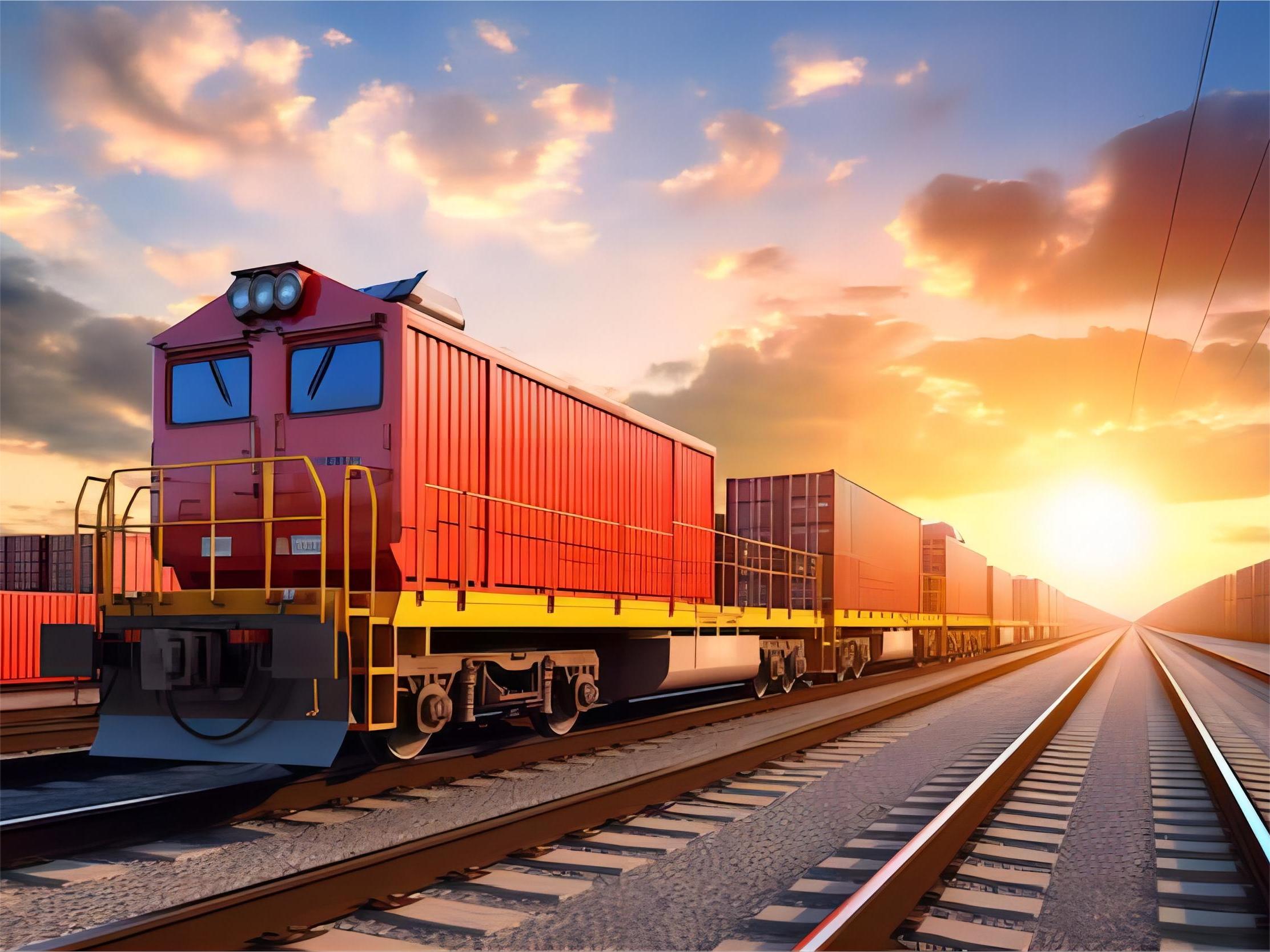
Full Container Load (FCL) shipping involves reserving an entire shipping container exclusively for your cargo. This method is ideal for businesses with sufficient volume to fill a 20-foot or 40-foot container, offering significant advantages over less-than-container-load (LCL) options. Consequently, FCL streamlines the shipping process from China to Poland, reducing handling and transit risks.
Choosing FCL for your China to Poland logistics ensures greater security and often faster transit times. Your goods remain sealed within the container from origin to destination, minimizing potential damage or loss. Moreover, FCL helps maintain a predictable delivery schedule, which is vital for managing inventory and meeting customer demands in the Polish market.
Key Benefits of an Optimized China FCL Supply Chain Solution to Poland
An efficient FCL supply chain solution offers numerous benefits for importers targeting the Polish market. Primarily, it provides enhanced control over your cargo, from loading in China to final delivery in Poland. This control translates into fewer delays and a more predictable flow of goods.
Furthermore, FCL shipping generally offers a lower per-unit cost compared to LCL, especially for larger volumes. This cost-effectiveness significantly impacts your overall profit margins. Additionally, dedicated container usage often results in faster transit times because there is no need for consolidation or deconsolidation at various hubs along the route. Therefore, it is a preferred method for time-sensitive or high-value shipments.
Understanding the China-Poland FCL Shipping Process
The journey of an FCL shipment from China to Poland involves several critical stages, each requiring careful coordination. Initially, the process begins with booking a container and arranging for cargo pickup from your supplier’s factory. Subsequently, the container is transported to the port of loading in China.
Once at the Chinese port, the container undergoes customs clearance procedures before being loaded onto a vessel. The vessel then embarks on its sea voyage, typically crossing the Suez Canal before reaching European ports. Upon arrival at a major European hub, such as Hamburg or Gdansk, the container is discharged and proceeds through Polish customs. Finally, the container is transported by truck or rail to its ultimate destination in Poland, completing the door-to-door delivery.
Choosing the Right Shipping Method: Sea vs. Rail Freight to Poland
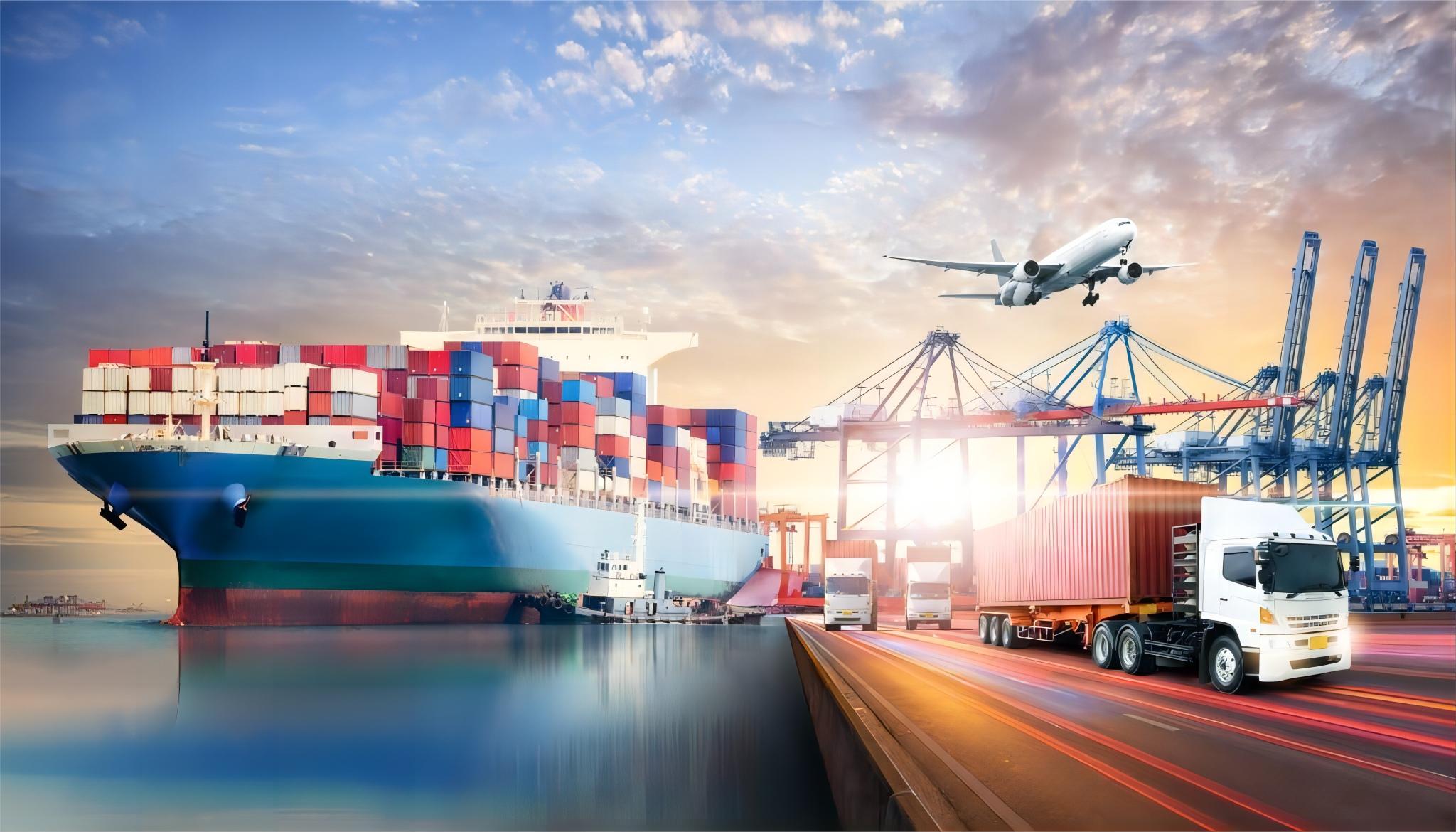
When shipping FCL from China to Poland, businesses typically choose between sea freight and rail freight. Each method offers distinct advantages depending on your priorities for cost, speed, and cargo type. Understanding these differences is crucial for making informed decisions regarding your sea freight services or rail freight options.
Sea freight remains the most economical option for heavy, bulky, or non-urgent shipments. Although transit times are longer, the cost savings can be substantial for large volumes. Conversely, rail freight solutions offer a faster alternative to sea shipping, significantly reducing transit times while still being more cost-effective than air freight. This makes it an attractive middle-ground for many businesses.
| Shipping Method | Cost Range (40HQ) | Transit Time (Days) | Best For | Limitations |
|---|---|---|---|---|
| Sea Freight | $3,000 – $4,200 | 30-40 | Heavy/Bulky, Cost-Sensitive, Non-Urgent | Longer transit times, susceptible to port congestion |
| Rail Freight | $8,000 – $12,000 | 18-25 | Time-Sensitive, High-Value, Balanced Cost/Speed | Limited capacity, higher cost than sea, less flexible routes |
| Air Freight | $15,000 – $25,000+ | 5-7 | Urgent, High-Value, Small Volume | Highest cost, limited cargo size/weight, environmental impact |
Navigating Customs, Documentation, and Compliance for Poland Imports
Successful FCL shipping to Poland heavily relies on meticulous customs clearance and accurate documentation. Importers must prepare a range of documents, including the commercial invoice, packing list, and bill of lading. Furthermore, adherence to Polish and EU import regulations is paramount to avoid delays and penalties.
Engaging expert customs brokerage expertise is highly recommended to ensure compliance. They can assist with tariff classification, VAT regulations, and obtaining necessary permits or licenses. Incorrect documentation or non-compliance can lead to significant delays, increased shipping costs, and potential fines, thereby disrupting your entire supply chain.
Moreover, understanding Incoterms is essential as they define the responsibilities of buyers and sellers regarding costs and risks. Terms like FOB (Free On Board) or CIF (Cost, Insurance, and Freight) determine who is responsible for various stages of the shipment. Choosing the appropriate Incoterm helps clarify obligations and prevents disputes.
Optimizing Your China FCL Supply Chain Solution to Poland
Optimizing your FCL supply chain involves several strategic considerations beyond just selecting a shipping method. Firstly, consolidating orders from multiple suppliers into a single FCL shipment can significantly reduce costs. This approach maximizes container utilization and minimizes individual freight charges.
Secondly, strategic port selection in China (e.g., Shanghai, Ningbo, Shenzhen) and Poland (e.g., Gdansk, Gdynia) can impact transit times and inland transportation costs. Moreover, building strong relationships with reliable freight forwarders is indispensable. A proficient partner offers end-to-end solutions, including cargo handling, warehousing, and local distribution. Regular communication with your logistics provider ensures smooth operations and quick resolution of any issues that may arise.
Finally, leveraging technology for real-time tracking and supply chain visibility enhances decision-making. Knowing the exact location and status of your shipment allows for proactive management and reduces uncertainty. This proactive approach helps in managing delivery schedules effectively and responding to any unforeseen circumstances promptly.
Real-World Success: China-Poland FCL Case Studies
These case studies illustrate practical applications and successful outcomes of implementing effective FCL supply chain solutions from China to Poland. They highlight various scenarios, demonstrating how strategic planning and execution lead to efficient logistics.
Case Study 1: Furniture Import for Retail Chain
This case involved a Polish furniture retailer importing multiple containers of flat-pack furniture from various manufacturers in Guangdong. The challenge was to consolidate shipments efficiently and manage peak season demand.
| Detail | Description |
|---|---|
| Route | Foshan, China -> Gdansk, Poland |
| Cargo | Flat-pack furniture, 60 CBM, 12,000 kg |
| Container | 2 x 40HQ |
| Shipping Method | Sea Freight |
| Carrier/Service | COSCO (Direct Service) |
| Port of Loading | Shenzhen |
| Port of Discharge | Gdansk |
| Ocean Freight (per 40HQ) | $3,800 (Q3 2024 rates) |
| Origin/Destination Charges | $650 / $700 |
| Customs & Duties (estimated) | $1,500 |
| Total Landed Cost (per 40HQ) | $6,650 |
| Booking to Loading | 5 days |
| Sea Transit | 32 days |
| Customs Clearance | 3 days |
| Total Door-to-Door | 38 days |
| Key Insight | Strategic consolidation at Shenzhen port minimized origin charges and ensured full container utilization, leading to significant per-unit cost savings despite peak season surcharges. |
Case Study 2: Electronics Components for Manufacturing
A Polish electronics manufacturer required timely delivery of sensitive components to avoid production line stoppages. Speed and reliability were critical for this high-value, time-sensitive cargo.
| Detail | Description |
|---|---|
| Route | Suzhou, China -> Wroclaw, Poland |
| Cargo | Electronic components, 28 CBM, 7,500 kg |
| Container | 1 x 20GP |
| Shipping Method | Rail Freight |
| Carrier/Service | China-Europe Railway Express |
| Loading Terminal | Xi’an |
| Discharge Terminal | Malaszewicze (Poland) |
| Rail Freight (20GP) | $8,500 (Early 2025 rates) |
| Origin/Destination Charges | $500 / $600 |
| Customs & Duties (estimated) | $1,200 |
| Total Landed Cost (20GP) | $10,800 |
| Booking to Loading | 4 days |
| Rail Transit | 18 days |
| Customs Clearance | 2 days |
| Total Door-to-Door | 24 days |
| Key Insight | Utilizing rail freight provided a fast and reliable solution, preventing costly production delays. The higher freight cost was justified by the critical nature of the components and reduced inventory holding costs. |
Case Study 3: Apparel Collection for E-commerce
An e-commerce fashion brand needed to launch its new collection in Poland quickly and efficiently. The goal was to balance speed with reasonable shipping costs for a full container of garments.
| Detail | Description |
|---|---|
| Route | Guangzhou, China -> Warsaw, Poland |
| Cargo | Apparel (boxed), 65 CBM, 10,000 kg |
| Container | 1 x 40HQ |
| Shipping Method | Sea Freight (Premium Service) |
| Carrier/Service | Maersk (Fast Transit) |
| Port of Loading | Nansha |
| Port of Discharge | Hamburg |
| Ocean Freight (40HQ) | $4,100 (Q4 2024 peak rates) |
| Origin/Destination Charges | $700 / $850 |
| Customs & Duties (estimated) | $1,600 |
| Total Landed Cost (40HQ) | $7,250 |
| Booking to Loading | 6 days |
| Sea Transit | 28 days |
| Customs Clearance | 4 days |
| Total Door-to-Door | 38 days |
| Key Insight | Opting for a premium sea freight service with faster transit via a major European hub (Hamburg) allowed for quicker market entry while maintaining FCL cost benefits, compared to standard sea freight or air freight. |
Market Insights and Future Trends in China-Poland FCL Shipping
The China-Poland FCL shipping market is continuously evolving, influenced by global economic shifts and geopolitical events. As of Q1 2025, freight rates from China to Europe have stabilized after the 2024 Red Sea disruptions, though some volatility persists. Moreover, carrier capacity remains a key factor, with demand often outpacing available space, especially during peak seasons.
Industry trends suggest a growing emphasis on digitalization and sustainability in logistics. Shippers are increasingly seeking transparency and real-time tracking capabilities to manage their supply chains more effectively. Furthermore, there is a rising interest in multimodal solutions, combining the cost-effectiveness of sea freight with the speed of rail or even air freight for specific segments of the journey. Rates typically increase 15-25% during the August-October peak season.
Market data suggests that investing in resilient supply chain strategies, such as diversifying shipping routes and partnering with flexible logistics providers, is crucial. This helps mitigate risks associated with unforeseen disruptions. Therefore, staying informed about these trends can give businesses a competitive edge in the dynamic China-Poland trade corridor. Note: Freight rates are subject to change based on fuel costs, carrier capacity, and seasonal demand. Contact us for a current quote tailored to your specific shipment.
Conclusion: Securing Your China FCL Supply Chain to Poland
Establishing an efficient and reliable China FCL supply chain solution to Poland is fundamental for businesses seeking competitive advantage. By understanding the intricacies of FCL shipping, leveraging appropriate transport methods, and navigating customs effectively, importers can significantly enhance their operational efficiency.
Ultimately, a well-managed FCL strategy ensures cost savings, timely deliveries, and reduced risks. Partnering with experienced logistics providers further strengthens this process, allowing you to focus on your core business while your cargo moves seamlessly across continents. This strategic approach is vital for long-term success in the dynamic global market.
Need a tailored shipping solution?
Ready to streamline your imports? Optimize your China FCL supply chain solution to Poland with our expert logistics services. Contact us today to discuss your specific shipping needs and receive a tailored quote.