
China FCL FOB Shipping to Europe: Your Complete Guide
“Businesses frequently seek efficient and cost-effective solutions for international logistics. Consequently, understanding the nuances of Top China Freight‘s China FCL FOB shipping to Europe is paramount for seamless supply chain management. This comprehensive guide will illuminate the process, helping you optimize your freight operations and secure your goods’ timely arrival.”
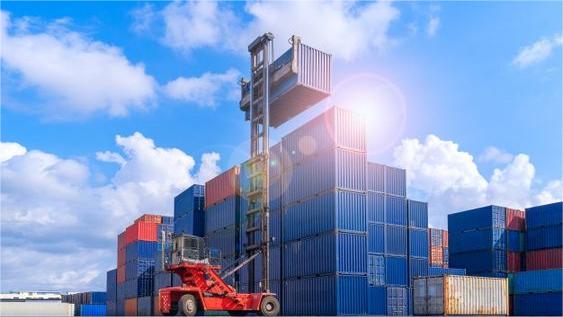
What is China FCL FOB Shipping to Europe?
❖FCL, or Full Container Load, shipping means your goods occupy an entire container exclusively. This method offers security and efficiency for larger shipments. Primarily, it prevents co-loading with other cargo, reducing handling risks and transit times.
Conversely, FOB, or Free On Board, is an Incoterm indicating when liability and ownership transfer from seller to buyer. Under FOB, the seller is responsible for delivering goods to the named port of origin and loading them onto the vessel. Subsequently, the buyer takes responsibility for all subsequent costs and risks from that point onward, including ocean freight and destination charges. Therefore, understanding these terms is crucial for managing your shipping costs and responsibilities.
Why Choose FCL for Shipping from China to Europe?
❖Choosing FCL offers several distinct advantages for businesses importing from China to Europe. Firstly, it provides enhanced security for your cargo. Since your goods are the sole occupants of the container, the risk of damage or loss from handling other shipments is significantly reduced. This is particularly important for high-value or fragile items.
Secondly, FCL often results in faster transit times compared to LCL (Less than Container Load). There is no need for consolidation or deconsolidation at origin or destination ports, streamlining the entire process. Furthermore, FCL allows for greater control over your delivery schedule, which is vital for just-in-time inventory management and meeting customer demands. Businesses often find FCL to be more cost-effective for larger volumes, ultimately leading to lower per-unit shipping costs.
Key Factors Influencing China FCL FOB Shipping Costs to Europe
❖Several critical elements dictate the overall cost of your China FCL FOB shipping to Europe. Understanding these factors helps in budgeting and optimizing your logistics strategy. Moreover, these costs can fluctuate, so staying informed is essential.
Firstly, the ocean freight rate itself is a primary component. This rate is influenced by vessel capacity, fuel surcharges, peak seasons, and global demand. For example, rates typically increase 15-25% during August-October peak season. Secondly, origin charges include terminal handling charges (THC), documentation fees, and local transport to the port. These are usually covered by the seller under FOB terms until goods are on board.
Thirdly, destination charges at European ports cover similar fees, including THC, customs clearance, and local delivery. Additionally, customs duties and taxes imposed by European Union regulations significantly impact the final landed cost. Finally, insurance costs, though optional, are highly recommended to protect against unforeseen circumstances during transit. As of Q1 2025, freight rates from China to Europe have stabilized after the 2024 Red Sea disruptions, but volatility remains a factor.
| Cost Category | Description | Responsibility (FOB) |
|---|---|---|
| Ocean Freight | Cost to transport container by sea | Buyer |
| Origin Charges | Local transport, THC, documentation at origin | Seller |
| Destination Charges | THC, customs, local delivery at destination | Buyer |
| Customs Duties/Taxes | Import tariffs and VAT in Europe | Buyer |
| Insurance | Protection against loss/damage | Buyer (optional) |
Understanding Transit Times for China FCL Shipments to Europe
❖The transit time for China FCL shipping to Europe typically ranges from 28 to 38 days, depending on the specific origin and destination ports. For instance, a shipment from Shanghai to Rotterdam might take around 30 days. Conversely, a route to Felixstowe could extend to 35-38 days due to vessel routes and port congestion. Direct routes are generally faster than those involving transshipment through intermediate ports like Singapore or Port Klang, which can add 5-7 days.
Moreover, several factors can influence these timelines. Port congestion at both origin and destination can cause significant delays. Furthermore, adverse weather conditions, customs inspections, and vessel schedule changes can extend transit times. Therefore, it is always advisable to factor in buffer time, especially during peak seasons or periods of high demand. For accurate planning, always inquire about current estimated transit times from your freight forwarder.
| Origin Port (China) | Destination Port (Europe) | Average Transit Time (Days) | Typical Container Rate (40HQ) |
|---|---|---|---|
| Shanghai | Rotterdam, Netherlands | 30-32 | $3,000-4,200 |
| Ningbo | Hamburg, Germany | 32-35 | $3,000-4,200 |
| Shenzhen | Felixstowe, UK | 35-38 | $3,500-4,500 |
| Qingdao | Antwerp, Belgium | 33-36 | $3,000-4,200 |
Essential Documentation for China FCL FOB Shipping
❖Proper documentation is indispensable for smooth customs clearance when shipping from China to Europe. Incomplete or incorrect paperwork can lead to significant delays and additional costs. Therefore, careful preparation is key to avoiding complications. Here are the primary documents you will need.
Firstly, the Bill of Lading (B/L) serves as a contract between the shipper and carrier, a receipt for goods, and a document of title. Secondly, the Commercial Invoice details the goods being sold, including their value, quantity, and terms of sale. This is crucial for customs valuation. Thirdly, the Packing List provides a comprehensive breakdown of the contents of each package within the container, including dimensions and weight.
Additionally, a Certificate of Origin verifies where the goods were manufactured, which can impact preferential tariff rates. Furthermore, specific product-related certificates, such as CE certification for electronics or phytosanitary certificates for agricultural products, may be required depending on the cargo. Finally, an Import License might be necessary for certain restricted goods entering Europe. Always consult with your freight forwarder or customs broker to ensure all required documents are prepared correctly.
How Does China FCL FOB Shipping to Europe Compare to Other Options?
❖When considering international logistics from China to Europe, FCL ocean freight is just one of several viable options. Each method presents a unique balance of cost, speed, and suitability for different cargo types. Consequently, understanding these alternatives is crucial for making informed decisions regarding your supply chain. We will examine other prominent shipping methods and their respective trade-offs, providing a comprehensive overview for businesses.
While FCL is cost-effective for large volumes, other scenarios might benefit from different approaches. For example, urgent shipments often necessitate air freight, despite its higher cost. Conversely, smaller shipments might find LCL or rail freight more economical. The choice ultimately depends on your specific needs, budget constraints, and delivery timelines. Therefore, a thorough comparison helps optimize your logistics strategy.
| Shipping Method | Cost Range (40HQ equivalent) | Transit Time | Best For | Limitations |
|---|---|---|---|---|
| FCL Ocean Freight | $3,000-4,200 | 28-38 days | Large volumes, heavy goods, cost-sensitive | Slowest, port congestion risks |
| LCL Ocean Freight | $50-80/CBM (approx. $1,500-2,500 for 20CBM) | 35-45 days | Smaller shipments (under 15 CBM), flexible volume | Slower, more handling, higher per-unit cost |
| Air Freight | $15,000-25,000 | 5-7 days | Urgent, high-value, perishable goods | Very expensive, volume/weight restrictions |
| Rail Freight | $8,000-12,000 | 18-25 days | Time-sensitive but not urgent, large volumes | Less flexible routes, limited capacity, higher than ocean |
Which Option Should You Choose for Your China to Europe Shipments?
❖Selecting the optimal shipping method from China to Europe requires careful consideration of various factors. Ultimately, the best choice aligns with your business priorities and cargo specifics. Consequently, a structured decision-making process can help streamline this selection. Let’s explore key criteria.
If budget is your primary concern, FCL ocean freight is almost always the most economical choice for large volumes. For instance, a 40HQ container via sea freight costs significantly less than air or rail. However, if speed is paramount, air freight is unrivaled, delivering goods within 5-7 days. Rail freight offers a good middle ground for those needing faster than sea but not as expensive as air, with transit times of 18-25 days.
Cargo type also plays a crucial role. Bulky, non-perishable goods are ideal for FCL sea freight. Conversely, high-value, fragile, or time-sensitive items like electronics or pharmaceuticals benefit from air freight’s speed and reduced handling. For shipments that are too large for air but not urgent enough for sea, rail freight provides a viable alternative. Moreover, consider volume thresholds: LCL is suitable for shipments under 15 CBM, while FCL becomes more cost-effective above this volume. Always evaluate your specific needs against these options.
Case Studies: Real-World China FCL FOB Shipping to Europe
❖To illustrate the practicalities and outcomes of China FCL FOB shipping to Europe, let’s examine a few real-world scenarios. These examples highlight typical routes, costs, and timelines, offering valuable insights for your own logistics planning. Furthermore, they demonstrate how different factors can influence the overall shipping experience. Note: Freight rates are subject to change based on fuel costs, carrier capacity, and seasonal demand. Contact us for a current quote tailored to your specific shipment.
Case Study 1: Electronics Importer to Germany
This case involved a German electronics distributor importing consumer gadgets. The main objective was cost-efficiency while maintaining a consistent delivery schedule. The chosen method proved highly effective for their regular inventory replenishment.
Key Insight: Strategic port choice and FCL volume provided excellent cost-per-unit value.
| Detail | Description |
|---|---|
| Route | Shenzhen, China -> Hamburg, Germany |
| Cargo | Consumer electronics, 60 CBM, 12,000 kg |
| Container | 1 x 40HQ |
| Shipping Details | Carrier: Maersk, Port of Loading: Yantian, Port of Discharge: Hamburg, Route Type: Direct |
| Cost Breakdown | Ocean Freight: $3,800; Origin Charges: $450; Destination Charges: $700; Customs & Duties (estimated): $1,500; Total Landed Cost: $6,450 |
| Timeline | Booking to Loading: 5 days; Sea Transit: 32 days; Customs Clearance: 3 days; Total Door-to-Door: 40 days |
Case Study 2: Textile Wholesaler to the UK
A UK-based textile wholesaler needed to import a large volume of fabric rolls. Their priority was balancing cost with a reasonable lead time to meet seasonal fashion demands. This shipment navigated typical peak season challenges effectively.
Key Insight: Booking well in advance during peak season mitigated potential rate hikes and capacity issues. Typical rates as of early 2025.
| Detail | Description |
|---|---|
| Route | Qingdao, China -> Felixstowe, UK |
| Cargo | Fabric rolls, 65 CBM, 10,000 kg |
| Container | 1 x 40HQ |
| Shipping Details | Carrier: COSCO, Port of Loading: Qingdao, Port of Discharge: Felixstowe, Route Type: Transshipment via Singapore |
| Cost Breakdown | Ocean Freight: $4,100 (Q4 peak season rate); Origin Charges: $500; Destination Charges: $850; Customs & Duties (estimated): $1,200; Total Landed Cost: $6,650 |
| Timeline | Booking to Loading: 7 days; Sea Transit: 38 days; Customs Clearance: 4 days; Total Door-to-Door: 49 days |
Case Study 3: Furniture Manufacturer to France
This scenario involved a French furniture manufacturer importing disassembled furniture components. The large volume and relatively low per-unit value made FCL the only logical choice, focusing on overall cost reduction.
Key Insight: Utilizing a major carrier and direct route minimized transit time within FCL constraints. Based on Q3 2024 market rates.
| Detail | Description |
|---|---|
| Route | Ningbo, China -> Le Havre, France |
| Cargo | Furniture components, 55 CBM, 9,500 kg |
| Container | 1 x 40GP |
| Shipping Details | Carrier: MSC, Port of Loading: Ningbo, Port of Discharge: Le Havre, Route Type: Direct |
| Cost Breakdown | Ocean Freight: $3,600; Origin Charges: $400; Destination Charges: $650; Customs & Duties (estimated): $1,000; Total Landed Cost: $5,650 |
| Timeline | Booking to Loading: 4 days; Sea Transit: 30 days; Customs Clearance: 2 days; Total Door-to-Door: 36 days |
Optimizing Your China FCL FOB Shipping Strategy
❖To maximize efficiency and minimize costs for your China FCL FOB shipping to Europe, several strategic considerations are vital. Firstly, effective communication with your supplier is paramount. Ensure they fully understand their FOB responsibilities, including timely cargo readiness and accurate documentation. This proactive approach prevents delays and misunderstandings. Secondly, selecting the right container size for your cargo is essential. Over-ordering a container can lead to wasted space and unnecessary costs, while under-ordering might necessitate using LCL or multiple containers, increasing complexity and expense. Therefore, precise cargo measurement is key.
Thirdly, partnering with a reliable freight forwarder like Top China Freight offers invaluable expertise. A seasoned forwarder can navigate complex logistics, negotiate favorable rates, and provide real-time tracking updates. They can also assist with door-to-door services, simplifying your entire supply chain. Furthermore, always consider cargo insurance. Although an additional cost, it provides financial protection against unforeseen events such as damage, loss, or theft during transit. Finally, stay informed about market conditions, including seasonal rate fluctuations and potential port congestion. This awareness allows for proactive planning and adjustment of your shipping schedule. Industry average for this route suggests dynamic pricing.

Navigating China FCL FOB Shipping to Europe with Confidence
In summary, mastering China FCL FOB shipping to Europe involves a comprehensive understanding of costs, transit times, documentation, and strategic planning. While ocean freight offers a cost-effective solution for large volumes, considering alternative methods like rail or air freight is crucial for varying needs. Partnering with an experienced freight forwarder is essential for navigating the complexities of international logistics.
By focusing on clear communication, accurate documentation, and informed decision-making, businesses can optimize their supply chain and ensure the smooth, timely delivery of goods. Ultimately, a well-executed FCL FOB strategy empowers importers to achieve greater efficiency and profitability in the competitive European market. Let us help you achieve your shipping goals.
Ready to streamline your logistics?
Ready to streamline your China FCL FOB shipping to Europe? Contact us today for a personalized quote and expert guidance. Our team is dedicated to providing efficient and reliable logistics solutions tailored to your business needs.
Request Quote