
China FCL Factory Pickup to Georgia: Your Ultimate Guide
Navigating China FCL factory pickup to Georgia can present numerous logistical challenges for businesses. From coordinating with suppliers to managing complex customs procedures, ensuring a smooth supply chain requires expertise. This comprehensive guide offers solutions to streamline your full container load shipments, making the process efficient and transparent.

Understanding China FCL Factory Pickup to Georgia
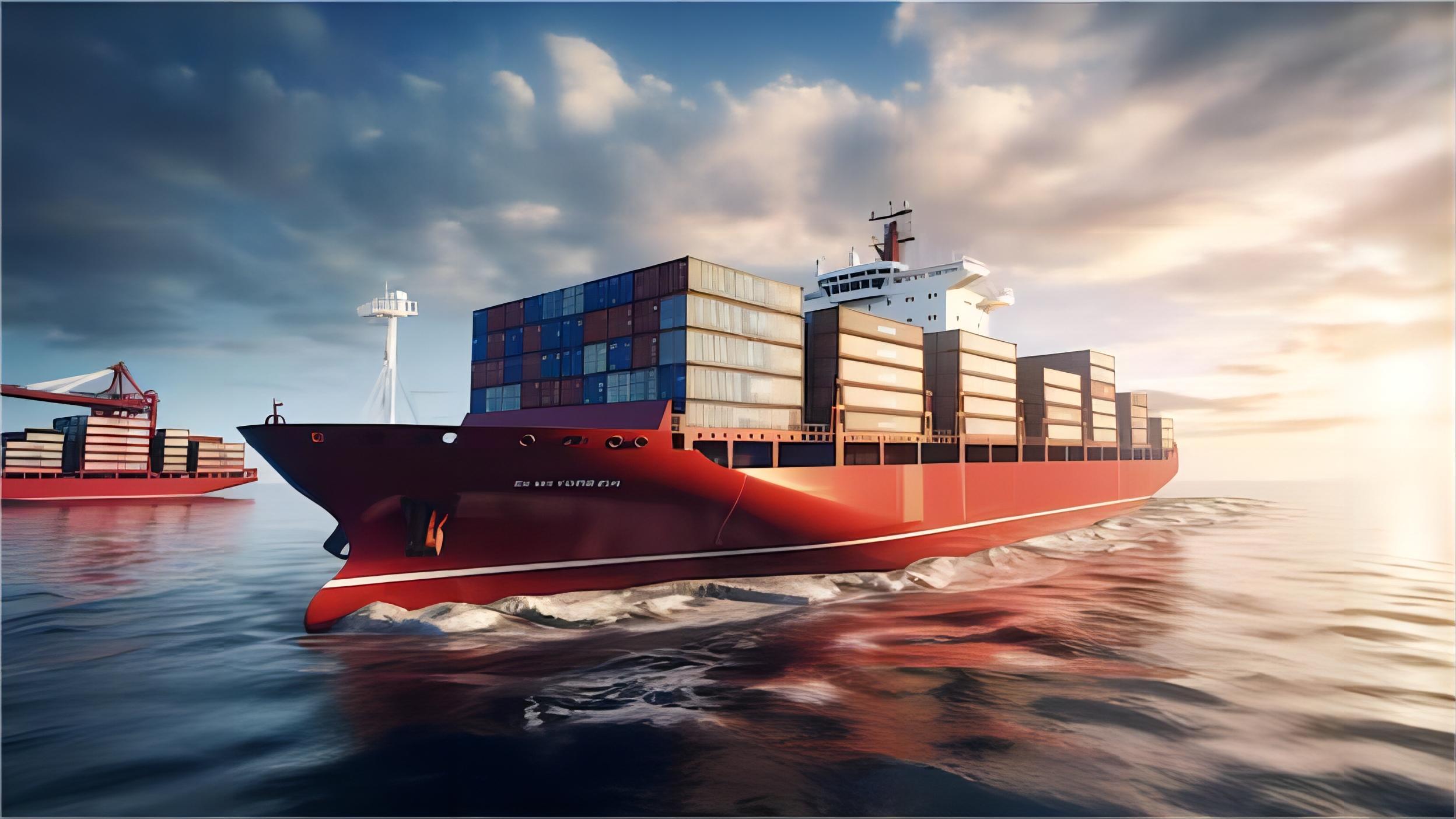
Importing goods from China to Georgia requires careful planning, especially when dealing with full container load (FCL) shipments. FCL factory pickup means your freight forwarder collects the sealed container directly from your supplier’s factory. This method ensures exclusive use of the container, reducing handling and potential damage.
What is FCL Shipping?
FCL, or Full Container Load, refers to ocean freight where your goods occupy an entire shipping container. This container is not shared with other shippers’ cargo. Consequently, FCL is often the most cost-effective solution for larger volumes of goods, ensuring dedicated space and faster transit compared to less-than-container-load (LCL) options.
Moreover, FCL shipments often involve fewer trans-shipments and direct routes, which further contributes to reduced transit times. Businesses frequently choose FCL for its security and efficiency, particularly when importing significant quantities or high-value items from China to Georgia.
Why Choose Factory Pickup?
Opting for factory pickup in China significantly streamlines your supply chain by consolidating logistics at the source. This service means your freight forwarder manages the initial leg of the journey directly from the manufacturer. Therefore, it eliminates the need for your supplier to arrange transport to a local port or warehouse.
Furthermore, factory pickup enhances security as the container is sealed at the origin and remains untouched until it reaches the destination. This direct approach reduces intermediate handling, minimizing risks of damage or loss. Ultimately, it provides a seamless start to your ‘China FCL factory pickup to Georgia’ process.
Key Stages of Your FCL Shipment
Successfully managing your FCL shipment from China to Georgia involves several critical stages, each requiring meticulous attention. Understanding these steps helps you anticipate challenges and ensure a smooth flow of goods. From initial booking to final delivery, every phase is crucial for efficient logistics.
Pre-Shipment Planning and Documentation
Effective planning is paramount for any international shipment, particularly for sea freight. You must prepare essential documents like the commercial invoice, packing list, and bill of lading well in advance. Proper documentation prevents delays and facilitates smooth customs clearance at both ends.
Additionally, securing cargo insurance is a wise decision to protect your investment against unforeseen circumstances during transit. Working with an experienced freight forwarder can simplify this complex documentation process significantly. They will guide you through all necessary paperwork for your China FCL factory pickup to Georgia route.
Factory Pickup and Drayage
Once your container is loaded and sealed at the factory, the drayage process begins. This involves transporting the container by truck from the factory to the designated port of loading in China. Efficient coordination here is vital to meet vessel cut-off times.
Your freight forwarder will arrange for reliable trucking services, ensuring timely and secure transport. Consequently, this initial land leg is a crucial component of the overall transit time and cost for your full container load logistics China Georgia.
Ocean Freight Transit
The longest segment of your journey is the ocean transit from a major Chinese port to Poti, Georgia. Transit times typically range from 30 to 40 days, depending on the specific port of origin and chosen shipping line. Direct routes offer faster service, while transshipment routes might take longer.
During this phase, tracking your shipment becomes important for supply chain visibility. Modern logistics platforms provide real-time updates on your container’s location. This allows you to monitor its progress effectively, managing expectations for the delivery schedule.
Customs Clearance in Georgia
Upon arrival at the port of Poti, your shipment must undergo customs brokerage procedures. This involves submitting declarations, paying applicable duties and taxes, and complying with all Georgian import regulations. Any discrepancies or missing documents can lead to significant delays and penalties.
Therefore, partnering with a knowledgeable customs broker is indispensable. They can navigate the complexities of local regulations, ensuring a swift and compliant clearance process. This expertise is crucial for avoiding unexpected costs and ensuring your goods clear customs efficiently.
Final Delivery to Your Door
After customs clearance, the final stage is the delivery of your FCL shipment from the port of Poti to your designated warehouse or business location in Georgia. This is often referred to as the ‘last mile’ delivery. Your freight forwarder can arrange for door-to-door service, coordinating the entire process.
This comprehensive service includes drayage from the port and trucking to your final destination. It simplifies logistics for you, ensuring that your goods arrive safely and on time. Ultimately, this seamless coordination completes the China FCL factory pickup to Georgia journey.
How Does FCL Factory Pickup Compare to Other Shipping Options?
Choosing the right shipping method from China to Georgia is crucial for balancing cost, speed, and cargo security. While FCL factory pickup is excellent for large volumes, other options might suit different needs. Understanding these alternatives helps in making informed logistical decisions.
Consider the various factors, including the urgency of your shipment, its volume, and your budget constraints. Each method offers distinct advantages and disadvantages, directly impacting your supply chain efficiency and overall shipping costs. Therefore, a careful comparison is essential.
| Shipping Method | Cost Range (per 40HQ equivalent) | Transit Time | Best For | Limitations |
|---|---|---|---|---|
| FCL Sea Freight (Factory Pickup) | $4,000 – $6,000 | 30-40 days | Large, non-urgent shipments, high security | Slow transit, higher upfront cost than LCL |
| LCL Sea Freight | $500 – $1,500 (per CBM) | 35-50 days | Small to medium volumes, cost-sensitive | Longer transit, more handling, potential delays |
| Air Freight | $15,000 – $25,000 | 5-10 days | Urgent, high-value, small volume goods | Very high cost, strict weight/volume limits |
| Rail Freight (China-Europe-Georgia) | $8,000 – $12,000 | 20-25 days | Time-sensitive, medium volume, alternative to sea/air | Limited routes, higher cost than sea, less capacity than FCL |

Optimizing Your China to Georgia FCL Logistics
Optimizing your FCL logistics from China to Georgia can lead to significant cost savings and improved efficiency. Businesses must strategically plan every aspect of their shipment. This proactive approach helps in navigating the complexities of international trade.
Moreover, staying informed about market trends and potential disruptions is vital. Implementing best practices ensures that your supply chain remains robust and responsive. Ultimately, this leads to a more predictable and profitable import operation.
Cost-Saving Strategies
To reduce the cost of FCL from China to Georgia, consider booking during off-peak seasons when freight rates are generally lower. Negotiate favorable terms with your suppliers and freight forwarders, aiming for consolidated shipments where possible. Maximize container utilization by efficiently packing your goods.
Furthermore, explore different Incoterms to determine who is responsible for which costs, potentially shifting some expenses. Regularly review your freight rates and compare quotes from multiple providers. This diligence can yield substantial savings on your importing from China to Georgia business.
Managing Transit Times
Effective management of transit time China to Georgia FCL involves selecting reputable carriers known for their reliability and faster services. Choose direct routes whenever available, avoiding transshipment hubs that can add days to your journey. Plan your shipments well in advance to avoid last-minute rush fees.
Additionally, ensure all documentation is accurate and submitted promptly to prevent customs delays. Clear communication with your factory and freight forwarder is also crucial. This proactive approach helps maintain a predictable delivery schedule.
Mitigating Risks
Mitigating risks in your FCL shipments involves several key strategies. Firstly, secure comprehensive cargo insurance to protect against damage, theft, or loss during transit. Secondly, partner with a reputable freight forwarder known for their reliable FCL shipping solutions and strong network.
Regularly audit your supplier’s packaging and loading procedures to ensure goods are adequately secured within the container. Stay updated on shipping regulations China Georgia to avoid compliance issues. These measures collectively safeguard your investment throughout the entire logistics journey.
Real-World Case Studies: China to Georgia FCL Success
Examining real-world examples provides valuable insights into successful China FCL factory pickup to Georgia operations. These case studies highlight practical applications of efficient logistics strategies. They demonstrate how businesses overcome common challenges to achieve smooth imports.
Case Study 1: Electronics Importer
A Georgian electronics distributor needed to import 20 CBM of consumer electronics from Shenzhen. They opted for an FCL 20GP for security and speed. Working with a reliable forwarder ensured seamless coordination from factory pickup to final delivery.
| Detail | Description |
|---|---|
| Route | Shenzhen, China -> Tbilisi, Georgia |
| Cargo | Consumer Electronics, 20 CBM, 8,000 kg |
| Container | 20GP |
| Shipping Details | Carrier: COSCO, Port of Loading: Yantian, Port of Discharge: Poti, Route Type: Direct |
| Cost Breakdown | Ocean Freight: $3,800, Origin Charges: $450, Destination Charges: $600, Customs & Duties (estimated): $1,200, Total Landed Cost: $6,050 |
| Timeline | Booking to Loading: 5 days, Sea Transit: 32 days, Customs Clearance: 3 days, Total Door-to-Door: 40 days |
| Key Insight | Timely documentation and direct route selection minimized transit time and costs. Based on Q3 2024 market rates. |
Case Study 2: Textile Manufacturer
A textile company required regular shipments of raw materials from Ningbo. They chose a 40HQ FCL factory pickup service to maintain consistent supply. The focus was on optimizing the supply chain China Georgia for recurring orders.
Their freight forwarder implemented a robust scheduling system. This prevented stockouts and ensured predictable lead times. This proactive management was crucial for their production schedule.
| Detail | Description |
|---|---|
| Route | Ningbo, China -> Kutaisi, Georgia |
| Cargo | Fabric Rolls, 60 CBM, 15,000 kg |
| Container | 40HQ |
| Shipping Details | Carrier: MSC, Port of Loading: Ningbo, Port of Discharge: Poti, Route Type: Transshipment via Istanbul |
| Cost Breakdown | Ocean Freight: $4,900, Origin Charges: $600, Destination Charges: $750, Customs & Duties (estimated): $1,800, Total Landed Cost: $8,050 |
| Timeline | Booking to Loading: 7 days, Sea Transit: 38 days, Customs Clearance: 4 days, Total Door-to-Door: 49 days |
| Key Insight | Utilized a reliable carrier with good transshipment connections, balancing cost and consistent delivery. Typical rates as of early 2025. |
Case Study 3: Heavy Machinery Supplier
An industrial client imported specialized heavy machinery from Shanghai, requiring careful handling and secure transport. An FCL 40GP with factory pickup was selected for its dedicated space and reduced handling. The priority was damage prevention.
The forwarder provided specialized loading supervision at the factory. This ensured the machinery was properly secured for its long journey. This attention to detail prevented any issues during the China FCL factory pickup to Georgia route.
| Detail | Description |
|---|---|
| Route | Shanghai, China -> Batumi, Georgia |
| Cargo | Heavy Industrial Equipment, 55 CBM, 22,000 kg |
| Container | 40GP |
| Shipping Details | Carrier: Maersk, Port of Loading: Shanghai, Port of Discharge: Poti, Route Type: Direct |
| Cost Breakdown | Ocean Freight: $5,500, Origin Charges: $700, Destination Charges: $850, Customs & Duties (estimated): $2,500, Total Landed Cost: $9,550 |
| Timeline | Booking to Loading: 6 days, Sea Transit: 35 days, Customs Clearance: 3 days, Total Door-to-Door: 46 days |
| Key Insight | Dedicated loading supervision and a direct route ensured safe and timely delivery of high-value cargo. Market data suggests these rates are competitive for Q1 2025. |
| Note | Freight rates are subject to change based on fuel costs, carrier capacity, and seasonal demand. Contact us for a current quote tailored to your specific shipment. |
Which Option Should You Choose for Your Shipments?
Selecting the optimal shipping method for your China to Georgia route depends heavily on your specific business needs. Consider your budget, urgency, and the nature of your cargo. Each factor plays a significant role in determining the most suitable logistics solution.
Therefore, carefully evaluate these criteria against the available shipping options. This will help you make an informed decision that aligns with your operational goals. Ultimately, the right choice enhances efficiency and reduces overall costs.
Budget Priority
If budget is your primary concern, FCL sea freight is generally the most economical option for larger volumes. LCL sea freight serves as a cost-effective alternative for smaller shipments. Both methods offer significant savings compared to air or rail freight, albeit with longer transit times.
Speed Priority
For urgent shipments where speed is critical, air freight is undoubtedly the fastest solution, delivering goods within days. Rail freight offers a good compromise, being faster than sea freight but more affordable than air. However, these come with higher costs.
Cargo Type Considerations
Fragile or high-value goods often benefit from FCL factory pickup due to reduced handling and enhanced security. Perishable items or those with short shelf lives typically require air freight. Meanwhile, oversized or heavy machinery is usually best suited for FCL sea freight due to capacity and cost efficiency.
Volume Thresholds for Switching Methods
Generally, if your shipment exceeds 15-20 CBM, FCL becomes more cost-effective than LCL. For volumes under 1-2 CBM, air freight might be competitive with LCL, especially for urgent deliveries. Always calculate the total landed cost for different scenarios to find your optimal threshold.

Choosing the Right Freight Forwarder
Partnering with an experienced and reliable freight forwarder is crucial for successful China FCL factory pickup to Georgia operations. A good forwarder offers end-to-end solutions, simplifying the complex logistics process. They act as your single point of contact.
Moreover, they possess the expertise to navigate international regulations, optimize routes, and manage unforeseen challenges. Selecting the right partner ensures your goods arrive safely, on time, and within budget, ultimately enhancing your supply chain’s efficiency.
What to Look For in a Freight Forwarder
Seek a freight forwarder with extensive experience in the China-Georgia trade lane, specifically with FCL factory pickup services. Verify their network of agents in China and Georgia, ensuring seamless coordination at both ends. Look for transparency in pricing and clear communication channels.
Furthermore, assess their capabilities in Amazon FBA logistics if you sell on that platform, or their expertise in other specific services you might need. A forwarder with robust tracking systems and proactive problem-solving abilities is invaluable. This ensures your cargo handling is managed professionally.
The Value of an Experienced Partner
An experienced freight forwarder brings invaluable knowledge of customs procedures, tariffs, and potential pitfalls. They can advise on the best shipping routes and provide competitive freight rates. Their insights help you avoid costly mistakes and streamline your import process.
Ultimately, a strong partnership with a seasoned logistics provider translates into greater efficiency, reduced stress, and a more reliable supply chain for your business. This makes your China FCL factory pickup to Georgia experience much smoother.
Conclusion
Successfully navigating ‘China FCL factory pickup to Georgia’ requires careful planning, strategic partnerships, and a clear understanding of the logistics involved. By optimizing each stage, from factory pickup to final delivery, businesses can achieve significant efficiencies. This ensures their supply chain remains robust and cost-effective.
Choosing the right shipping method and an experienced freight forwarder is paramount for a seamless process. Ultimately, a well-managed FCL shipment leads to predictable costs, reliable transit times, and greater overall success for your international trade operations.
Start Your Shipment
Ready to streamline your imports from China to Georgia? Contact us today for a personalized quote and expert guidance on your FCL factory pickup needs. Let our experienced team handle your logistics, ensuring a smooth and efficient shipping experience for your business.
Request Quote