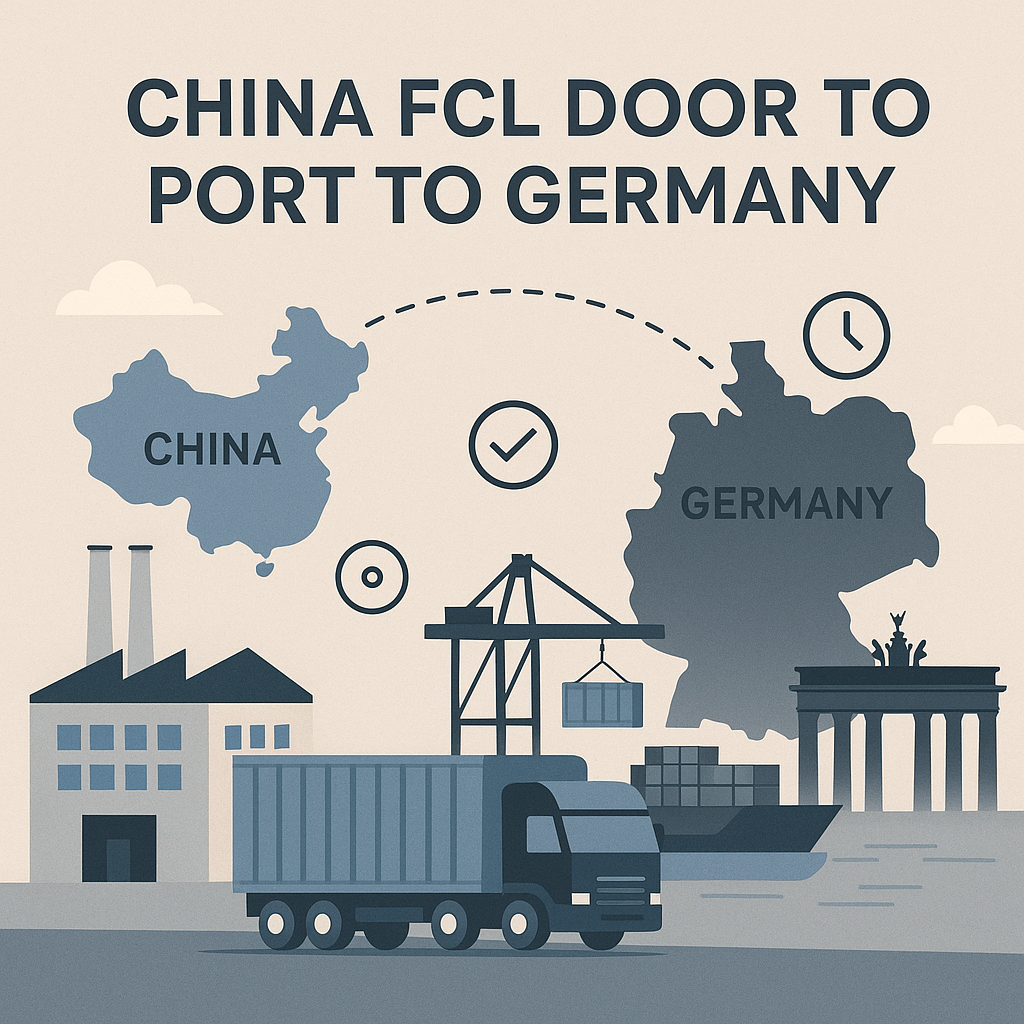
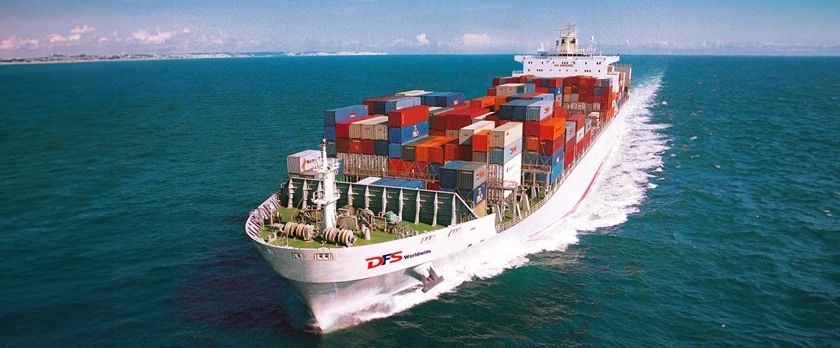
Although many importers rely on China FCL door to port to Germany, few realize how much efficiency they can gain by optimizing door pickup, container loading, and customs preparation. Moreover, choosing the right workflow helps prevent delays and stabilizes freight rates. As you plan your next shipment, experienced partners such as Top China Freight can guide you through each step with structured solutions.
What Makes China FCL Door to Port to Germany an Efficient Shipping Model?
Because this model combines inland pickup, controlled loading, and direct movement to the departure terminal, shippers enjoy clearer timelines and fewer handovers. Moreover, the FCL environment reduces handling risk, since the container is sealed at origin and opened only after arrival in Germany.
Key Advantages
Lower risk of cargo damage
Faster processing at Chinese ports
Ideal for stable Germany-bound procurement cycles
Reduced per-unit cost compared with LCL
Clearer communication across the supply chain
Additionally, German importers appreciate predictable container availability and consistent loading procedures, especially for high-volume cargo.
How does door pickup work for FCL cargo shipped from China?
Door pickup integrates factory readiness, empty container release, and inland trucking. Moreover, route planning ensures the driver arrives before the loading window, preventing unnecessary waiting fees.
Typical Pickup Sequence
Factory confirms cargo readiness
Empty container is pulled from depot
Truck arrives for loading based on appointment
Cargo is secured and container sealed
Documents are handed over for export filing
Because accurate dimensions influence container choice and lashing requirements, exporters benefit from verifying carton weight and pallet height in advance.
Why do German importers prefer the door-to-port workflow for FCL shipments?
German companies rely heavily on predictable logistics flows. Therefore, minimizing operational uncertainty at origin improves downstream planning. Moreover, once the container enters the port terminal, the shipment aligns with pre-booked sailings, reducing risk of cut-off delays.
Common Requirements from German Buyers
Reliable inland trucking from factory
Consistent ETD and ETA visibility
Lower handling risk for electronics, tools, or auto parts
Transparent breakdown of freight costs
Clear documentation aligned with EU import rules
Additionally, Germany’s deep-water ports—Hamburg and Bremerhaven—offer efficient FCL processing, ensuring smooth cargo turnover upon arrival.
What shipping times apply to China–Germany FCL routes?
Transit time varies by origin port and whether the route involves direct sailing or transshipment. Moreover, weather conditions and seasonal peaks may shift arrival estimates.
Estimated Transit Time & Reference Cost (Sample Ranges)
Origin Port (China)
Transit Time
Reference Cost (USD)
Shanghai
28–34 days
1,150–2,050
Ningbo
30–36 days
1,200–2,150
Shenzhen
32–38 days
1,300–2,250
Qingdao
33–40 days
1,250–2,200
(Ranges for general market understanding; not final quotes.)
Furthermore, importers who require consistent supply often lock in transitional schedules during peak seasons.
Case Studies
Guangzhou → Hamburg | Power Tools (FCL Door Pickup)
Cargo: Power tool kits Container: 40HQ Cost: USD 2,380 Transit Time: 33 days
Outcome: By optimizing the driver appointment and sealing the container at the factory, the importer avoided warehouse handling fees. Moreover, consistent updates ensured full visibility from pickup to departure.
How Does Cost Calculation Work for China–Germany FCL Shipping?
Total freight cost includes multiple components beyond the base rate. Moreover, understanding each part allows importers to compare quotes more accurately.
Cost Structure Overview
Base ocean freight
Inland trucking from supplier
Terminal handling fees
Bill of Lading issuance
Certificates and compliance documents
EU destination port charges
Optional consolidation or repacking
Furthermore, comparing itemized quotes instead of total numbers prevents hidden cost surprises.
Conclusion
In summary, China FCL door to port to Germany performs best when exporters coordinate trucking, documentation, and container loading early. Moreover, supply chains become stronger when shippers plan around seasonal trends and equipment availability. Because each shipment involves multiple variables, partnering with an experienced logistics provider ensures predictable delivery and minimized cost impact.
Request A Free Quote
Start shipping smarter with TopChinaForwarder today! 🚢✨ Request a Free Quote 📝 and get a tailored logistics plan built around your cargo and timeline.