
China FCL Customs Clearance to Italy: Your Ultimate Guide
Navigating the complexities of international shipping, particularly Full Container Load (FCL) customs clearance from China to Italy, can be a daunting task for many businesses. This process involves intricate regulations, specific documentation, and adherence to both Chinese export and Italian import laws. Understanding these requirements is crucial for ensuring your cargo reaches its destination efficiently and without unexpected delays or costs.
What is FCL Customs Clearance and Why is it Important for Italy Imports?
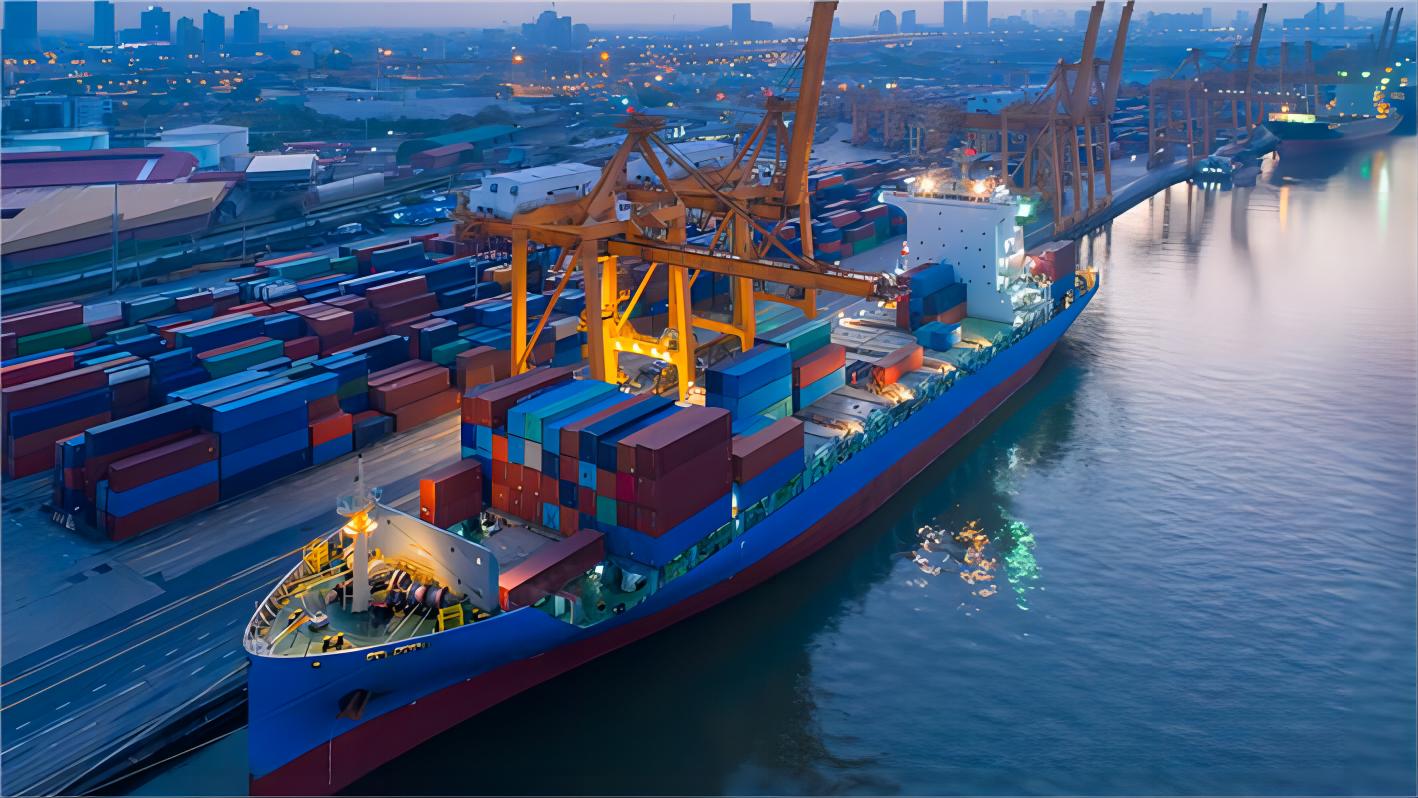
Full Container Load (FCL) customs clearance refers to the process of getting your entire container shipment approved by customs authorities in both the origin (China) and destination (Italy) countries. Essentially, it involves ensuring all goods comply with relevant import and export regulations, duties, and taxes.
This process is paramount for shipments from China to Italy because any misstep can lead to significant delays, fines, or even seizure of goods. Proper customs clearance ensures a smooth flow of your supply chain, minimizing disruptions and unexpected expenses. Moreover, it guarantees compliance with international trade laws.
Key Documentation Required for China FCL Customs Clearance to Italy
A robust set of documents is indispensable for successful FCL customs clearance from China to Italy. Preparing these accurately and completely well in advance can prevent numerous headaches and expedite the process. For instance, missing or incorrect information is a common cause of delays.
Therefore, meticulous attention to detail is vital when compiling your paperwork. Furthermore, having a reliable freight forwarder or customs broker can greatly assist in this complex task, ensuring all documentation meets the specific requirements of both nations.
| Document Type | Purpose | Issuing Party | Key Details |
|---|---|---|---|
| Commercial Invoice | Proof of sale, value, description of goods | Exporter | HS codes, Incoterms, currency |
| Packing List | Details of cargo per package/container | Exporter | Weight, dimensions, quantity per carton |
| Bill of Lading (B/L) | Contract of carriage, title to goods | Carrier | Shipper, consignee, notify party, port details |
| Customs Declaration Form | Formal declaration of goods to customs | Exporter/Broker | HS codes, value, origin, destination |
| Certificate of Origin | Proof of goods’ country of manufacture | Chamber of Commerce | Required for preferential tariffs |
| Import License/Permits | Authorization for restricted goods | Italian Authorities | Specific to product type (e.g., food, electronics) |
Understanding Import Duties and VAT for Shipments to Italy
When importing FCL shipments from China to Italy, understanding the applicable duties and Value Added Tax (VAT) is crucial for accurate cost estimation. Import duties are tariffs imposed on goods entering Italy, calculated based on the Harmonized System (HS) code of the product and its declared customs value.
Italy, as an EU member, adheres to the Common Customs Tariff (CCT) of the European Union. Consequently, duty rates can vary significantly depending on the product category. In addition, VAT is applied to the total value of the goods, including the cost of the goods, shipping, and any duties. The standard VAT rate in Italy is 22%, though reduced rates apply to certain categories. Hence, factoring these costs into your budget is essential for financial planning.
The FCL Customs Clearance Process: Step-by-Step
The FCL customs clearance process involves several critical stages, both in China and upon arrival in Italy. Knowing these steps helps manage expectations and prepare for each phase. Firstly, the exporter in China handles the export customs declaration.
Once the cargo arrives at an Italian port, the importer or their designated customs broker must initiate the import clearance. This typically involves submitting all required documentation to the Italian Customs Agency (Agenzia delle Dogane e dei Monopoli). Subsequently, customs officials review the documents and may conduct physical inspections of the cargo. Finally, upon approval and payment of duties and taxes, the cargo is released for onward delivery.
Pre-Shipment Preparation in China
Before the container even leaves the port, extensive preparation is required. This includes accurate cargo classification using HS codes, ensuring all goods comply with Chinese export regulations, and preparing the commercial invoice and packing list. Furthermore, obtaining any necessary export licenses or permits is vital at this stage. This proactive approach significantly streamlines the overall process.
Arrival and Declaration in Italy
Upon the FCL shipment’s arrival at an Italian port such as Genoa or Livorno, the import process begins. The carrier submits a manifest, and the importer’s customs broker files the import declaration. This declaration details the goods, their value, origin, and intended use. Moreover, it is critical to ensure all information aligns with the physical cargo and supporting documents. Any discrepancies can trigger further scrutiny.
Customs Inspection and Release
Italian customs may select shipments for inspection based on risk assessment, product type, or random checks. This can involve document checks, physical examination, or laboratory analysis. Provided all requirements are met and duties/taxes paid, customs will grant release. Subsequently, the container can be transported to its final destination. Therefore, having a knowledgeable customs brokerage partner is invaluable.
How Does FCL Shipping Compare to Other Options for China to Italy?
Choosing the right shipping method for your goods from China to Italy is a strategic decision that impacts cost, speed, and efficiency. FCL (Full Container Load) sea freight is often the most common choice for large volume shipments. However, several alternatives exist, each with distinct advantages and disadvantages.
Understanding these differences is key to optimizing your door-to-door logistics and meeting specific business needs. Below, we compare FCL sea freight with other viable shipping methods for this route.
| Shipping Method | Cost Range (40HQ est.) | Transit Time (Avg.) | Best For | Limitations |
|---|---|---|---|---|
| FCL Sea Freight | $3,000 – $4,200 | 28-35 days | Large volumes, heavy goods, cost-effectiveness | Slowest, port congestion risks |
| LCL Sea Freight | $50 – $80 per CBM | 35-45 days | Smaller shipments (under 15 CBM), budget-conscious | Slower than FCL, more handling, potential for delays |
| Air Freight | $5,000 – $15,000 (per 500kg) | 5-7 days | Urgent, high-value, perishable goods, small volumes | Most expensive, size/weight restrictions, environmental impact |
| Rail Freight | $6,000 – $9,000 (40HQ) | 18-22 days | Medium urgency, cost-effective for certain routes, larger volumes than air | Limited departure points, less flexible routing, higher cost than sea |
Which Shipping Option Should You Choose for Your China-Italy Shipments?
Selecting the optimal shipping method between China and Italy depends heavily on your specific business priorities. There is no one-size-fits-all solution; consequently, a careful evaluation of your budget, urgency, and cargo characteristics is essential. Consider these frameworks when making your decision.
Furthermore, remember that market conditions, such as peak seasons or global events, can influence both transit times and freight rates. For instance, the Red Sea disruptions in early 2024 significantly impacted sea freight schedules and costs to Europe, pushing some shippers towards rail freight or air freight alternatives.
Budget Priority
If cost-effectiveness is your primary concern, FCL sea freight remains the most economical option for substantial volumes. For smaller shipments where FCL is overkill, LCL sea freight offers a budget-friendly alternative. However, be prepared for longer transit times and potential consolidation delays with LCL. A hybrid approach, such as sea-rail, can offer a middle ground on cost and speed for certain routes.
Speed Priority
For urgent shipments, air freight is undeniably the fastest method, delivering goods in days rather than weeks. This is ideal for time-sensitive products, high-value items, or to mitigate stockouts. Rail freight presents a faster alternative to sea freight, significantly reducing transit time by about a week, while still being more affordable than air. This makes it a strong contender for medium-urgency cargo.
Cargo Type and Volume Considerations
FCL is perfect for large, bulky, or heavy cargo that fills an entire container, offering dedicated space and reduced handling. For example, machinery, furniture, or large quantities of consumer goods. Conversely, LCL is suited for smaller volumes that don’t justify a full container. Perishable goods or high-value electronics often benefit from the speed and security of express services or air freight, despite the higher cost. Consider cargo fragility and specific handling requirements when choosing.
Real-World Scenarios: China FCL Customs Clearance to Italy
Examining real-world case studies provides practical insights into the complexities and successful navigation of China FCL customs clearance to Italy. These examples highlight typical challenges, solutions, and the importance of expert logistics partners. Each scenario reflects common shipping needs and how they are addressed.
Based on Q3 2024 market rates, these examples offer realistic insights into costs and timelines. Freight rates are subject to change based on fuel costs, carrier capacity, and seasonal demand. Contact us for a current quote tailored to your specific shipment.
Case Study 1: Consumer Electronics to Milan
| Detail | Value |
|---|---|
| Route | Shanghai, China Milan, Italy |
| Cargo | Smartphones & accessories, 58 CBM, 12,000 kg |
| Container | 40HQ |
| Shipping Details | |
| – Carrier/Service | COSCO (Major carrier) |
| – Port of Loading | Shanghai |
| – Port of Discharge | Genoa |
| – Route Type | Direct |
| Cost Breakdown (Estimated) | |
| – Ocean Freight | $3,800 |
| – Origin Charges (THC, documentation) | $450 |
| – Destination Charges (Port, handling) | $700 |
| – Customs & Duties (estimated) | $4,500 |
| – Total Landed Cost (ex-VAT) | $9,450 |
| Timeline | |
| – Booking to Loading | 5 days |
| – Sea Transit | 30 days |
| – Customs Clearance | 3 days |
| – Total Door-to-Door | 38 days |
| Key Insight | Efficient customs pre-filing significantly reduced clearance time. Strategic port choice (Genoa) for onward rail connection to Milan. |
Case Study 2: Apparel & Textiles to Florence
| Detail | Value |
|---|---|
| Route | Ningbo, China Florence, Italy |
| Cargo | Fashion apparel, 65 CBM, 10,000 kg |
| Container | 40HQ |
| Shipping Details | |
| – Carrier/Service | MSC (Major carrier) |
| – Port of Loading | Ningbo |
| – Port of Discharge | Livorno |
| – Route Type | Transshipment via Singapore |
| Cost Breakdown (Estimated) | |
| – Ocean Freight | $3,200 |
| – Origin Charges (THC, documentation) | $400 |
| – Destination Charges (Port, handling) | $650 |
| – Customs & Duties (estimated) | $3,800 |
| – Total Landed Cost (ex-VAT) | $8,050 |
| Timeline | |
| – Booking to Loading | 7 days |
| – Sea Transit | 38 days |
| – Customs Clearance | 4 days |
| – Total Door-to-Door | 49 days |
| Key Insight | Transshipment route offered cost savings but added transit time. Proactive management of textile import licenses was crucial. |
Case Study 3: Industrial Machinery to Rome
| Detail | Value |
|---|---|
| Route | Shenzhen, China Rome, Italy |
| Cargo | Small industrial robotics, 25 CBM, 15,000 kg |
| Container | 20GP |
| Shipping Details | |
| – Carrier/Service | Maersk (Major carrier) |
| – Port of Loading | Shekou (Shenzhen) |
| – Port of Discharge | Civitavecchia |
| – Route Type | Direct |
| Cost Breakdown (Estimated) | |
| – Ocean Freight | $2,400 |
| – Origin Charges (THC, documentation) | $350 |
| – Destination Charges (Port, handling) | $600 |
| – Customs & Duties (estimated) | $2,200 |
| – Total Landed Cost (ex-VAT) | $5,550 |
| Timeline | |
| – Booking to Loading | 6 days |
| – Sea Transit | 32 days |
| – Customs Clearance | 3 days |
| – Total Door-to-Door | 41 days |
| Key Insight | Heavy cargo in a 20GP required specific handling. Early classification of machinery for EU conformity was essential for smooth customs. |
Tips for Successful China FCL Customs Clearance to Italy
Achieving seamless China FCL customs clearance to Italy requires strategic planning and attention to detail. Employing best practices can significantly reduce risks and optimize your import process. Consider these actionable tips to enhance your shipping experience.
Firstly, always verify the HS codes of your products with both Chinese and Italian regulations. Discrepancies can lead to misclassification, which in turn causes delays and potential fines. Furthermore, maintaining clear and consistent communication with your supplier and freight forwarder is paramount. This ensures everyone is aligned on documentation and schedules.
Choose a Reliable Freight Forwarder
Partnering with an experienced freight forwarder specializing in the China-Europe route is invaluable. They possess the expertise to navigate complex regulations, manage documentation, and resolve unforeseen issues. A good forwarder can also advise on optimal routes and cost-saving strategies. For example, an expert can help you optimize your sea freight options.

Pre-Clearance and Digital Solutions
Utilize pre-clearance procedures where possible. Submitting documents electronically and in advance can significantly speed up the customs process upon arrival. Many customs agencies, including Italy’s, are embracing digital solutions for declarations, which streamlines data submission and reduces manual errors. Therefore, leveraging these tools is highly recommended.
Stay Updated on Regulations and Market Trends
Customs regulations and trade policies are subject to change. Staying informed about new directives from Chinese or EU authorities is crucial. Additionally, monitor logistics trends, such as port congestion, carrier capacity, and seasonal rate fluctuations. For instance, as of Q1 2025, freight rates from China to Europe have stabilized after the 2024 Red Sea disruptions, but remain sensitive to geopolitical events and peak season demand. This proactive approach allows for better planning and risk mitigation.
Mastering Your China FCL Customs Clearance to Italy
Successfully managing China FCL customs clearance to Italy is a cornerstone for efficient international trade. It demands meticulous documentation, an understanding of complex regulations, and strategic decision-making regarding shipping methods. By prioritizing preparation, leveraging expert partners, and staying informed, businesses can significantly reduce transit times and costs.
Ultimately, a well-executed customs clearance process ensures your goods arrive in Italy without unnecessary hurdles, contributing to a robust and reliable supply chain. Trusting experienced professionals can transform a potentially challenging process into a seamless operation, safeguarding your valuable imports.
Need a tailored shipping solution?
Ready to streamline your China FCL customs clearance to Italy? Contact Top China Freight today for a personalized quote and expert guidance on your next shipment. Our team is here to ensure a smooth and efficient import process for your business.