- By della
- November 17, 2025
- Sea Freight, Shipping
Choosing cheap FCL shipping from Shenzhen to Germany is essential for importers who need reliable container capacity, stable transit times, and predictable supply-chain operations. Because full-container-load logistics eliminate cargo mixing, businesses gain better control of scheduling, customs processing, and cost forecasting.

What Makes Cheap FCL Shipping from Shenzhen to Germany a Smart Choice?
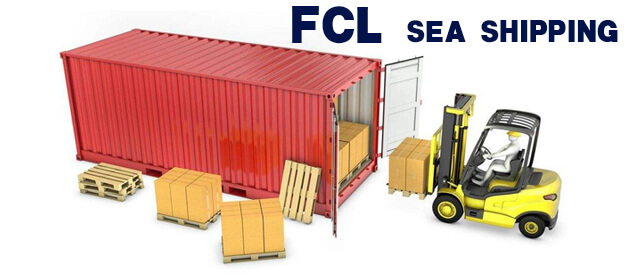
Many companies prefer FCL shipping because it offers cost efficiency for medium to large shipments. Additionally, FCL minimizes cargo handling, reduces damage risk, and improves customs efficiency because each container belongs to a single consignee.
Key Benefits of FCL
| Benefit | Explanation |
|---|---|
| Lower cost per unit | Ideal for heavy or high-volume shipments |
| Faster handling | Entire container moves without splitting cargo |
| Enhanced security | Container stays sealed from origin to destination |
| Smooth customs clearance | Less documentation complexity |
| Better scheduling | Predictable transit times |
Moreover, FCL provides stronger stability during peak seasons compared with LCL or express freight.
How Much Does FCL Shipping from Shenzhen to Germany Cost?
FCL pricing varies based on market demand, carrier availability, port selection, and fuel adjustments. Nevertheless, FCL remains significantly cheaper per cubic meter compared with LCL or air freight.
FCL Cost Reference (Shenzhen → Germany)
| Container Type | Typical Rate (USD) | Notes |
|---|---|---|
| 20GP | $1,200–$1,900 | Small shipments |
| 40GP | $1,900–$3,100 | Most economical option |
| 40HQ | $2,000–$3,300 | Best volume capacity |
Additional Fees (Estimated)
| Fee Type | Cost Range (USD) |
|---|---|
| THC Origin | $120–$180 |
| Documentation | $60–$80 |
| Port Congestion Surcharge | $80–$120 |
| Destination Charges | $260–$400 |
Furthermore, long-term contracts help importers secure cheaper and more stable freight rates.
Why Is Shenzhen the Best Departure Port for FCL Shipping to Germany?
Shenzhen is China’s core export hub, providing unmatched manufacturing scale and logistics efficiency. Consequently, Germany-bound shipments benefit from high sailing frequency and low port congestion.
Shenzhen Advantages
- Access to Yantian, Shekou, and Chiwan deep-water ports
- Strong consolidation and container-handling capacity
- Ideal for electronics, machinery, furniture, and hardware
- Wide range of carrier options with competitive pricing
- Smooth customs clearance supported by digital systems
Therefore, Shenzhen remains one of the most reliable origins for Europe-bound FCL cargo.
What Transit Times Should Importers Expect for FCL Shipping to Germany?
FCL transit times depend on direct vs. transshipment sailing, shipping line selection, and destination port. Fortunately, Europe-bound container routes operate with consistent schedules.
Transit Time Table (Shenzhen → Germany)
| Destination Port | Transit Time | Notes |
|---|---|---|
| Hamburg | 28–34 days | Fastest route |
| Bremerhaven | 30–36 days | Popular for FCL |
| Wilhelmshaven | 28–35 days | Alternative northern port |
| Rotterdam (NL) | 28–33 days | Transloads to Germany |
Furthermore, proper documentation and container loading reduce delays at German terminals.
What Real-World Cases Show the Efficiency of Cheap FCL Shipping to Germany?
Case 1: Furniture Shipment to Hamburg
Route: Shenzhen → Hamburg
Cargo: 1 × 40HQ of household furniture
Cost: USD 2,480
Transit Time: 31 days
Outcome: Smooth handling and low per-unit shipping cost supported bulk seasonal replenishment.
Case 2: Industrial Machinery to Bremerhaven
Route: Shenzhen → Bremerhaven
Cargo: 1 × 20GP industrial machinery
Cost: USD 1,420
Transit Time: 33 days
Outcome: Direct sailing ensured timely delivery for a production line upgrade.
Need a reliable logistics partner? Share your shipment details and we’ll provide a tailored quotation quickly and accurately.
What Documents Are Required for FCL Shipping to Germany?
Document accuracy is critical for EU import compliance. Moreover, Germany follows strict customs rules for electronics, machinery, food items, and chemicals.
Documentation Checklist
| Document | Description |
|---|---|
| Bill of Lading | Contract of carriage |
| Commercial Invoice | Declares value and product details |
| Packing List | Carton-level breakdown |
| HS Codes | Required for customs classification |
| EORI Number | Mandatory for German importers |
| Certificate of Origin | Needed for specific items |
| CE Certificates | Required for electronics |
| MSDS | Required for chemicals or batteries |
Additionally, complete documents help avoid inspections, fines, or storage charges.
How Does FCL Compare with LCL and Air Freight for Shipping to Germany?
Evaluating alternative modes helps importers choose the best option for different cargo types.
Comparison Table
| Mode | Speed | Cost | Best For | Weakness |
|---|---|---|---|---|
| FCL | 28–36 days | Low | Large shipments | Longer timeline |
| LCL | 30–42 days | Medium | Small shipments | Extra handling |
| Air Freight | 5–9 days | High | Urgent goods | Expensive |
Thus, FCL is ideal when cost efficiency matters more than speed.
What Strategies Help Reduce the Cost of FCL Shipping from Shenzhen to Germany?
Importers can significantly reduce overall freight expenses by optimizing shipment planning, packaging strategy, and carrier selection.
Cost-Saving Techniques
- Book early to secure lower market rates
- Use 40HQ for maximum cubic capacity
- Consolidate shipments to reduce empty space
- Avoid peak-season surcharges when possible
- Work with forwarders offering contract rates
- Prepare documents correctly to avoid customs penalties
- Use palletized loading for faster handling
Consequently, smart planning improves logistics performance and reduces total supply-chain costs.
Conclusion
The cheap FCL shipping from Shenzhen to Germany solution delivers cost efficiency, predictable routing, secure handling, and strong supply-chain stability for businesses managing large-volume shipments. Additionally, optimized container use, clear documentation, and dependable port operations ensure smooth and timely delivery. Ultimately, choosing FCL shipping strengthens long-term logistics planning and supports sustainable trade between China and Germany.
Request a Quote
Need a tailored solution for your shipping from China?Let TJ China Freight Forwarder assist you with reliable, cost-effective service.
FAQ:
Q1.How can businesses reduce FCL shipping costs to Germany?
Businesses reduce costs by consolidating shipments and selecting long-tail container strategies that optimize space utilization efficiently.
Q2.Which container size is best for bulk shipments?
A 40HQ container provides strong long-tail volume capacity and reduces per-unit freight cost for large-scale Germany imports.
Q3.Do German imports require special documentation?
German customs require accurate long-tail declarations, including HS codes, invoices, and compliance certificates for regulated cargo.
Q4.Can fragile goods be shipped safely in FCL containers?
Fragile goods travel safely through long-tail loading methods such as palletization, cushioning, and proper weight distribution.
Q5.Are customs taxes included in FCL pricing?
Taxes are not included, although long-tail customs planning helps importers estimate duties for smoother budgeting.