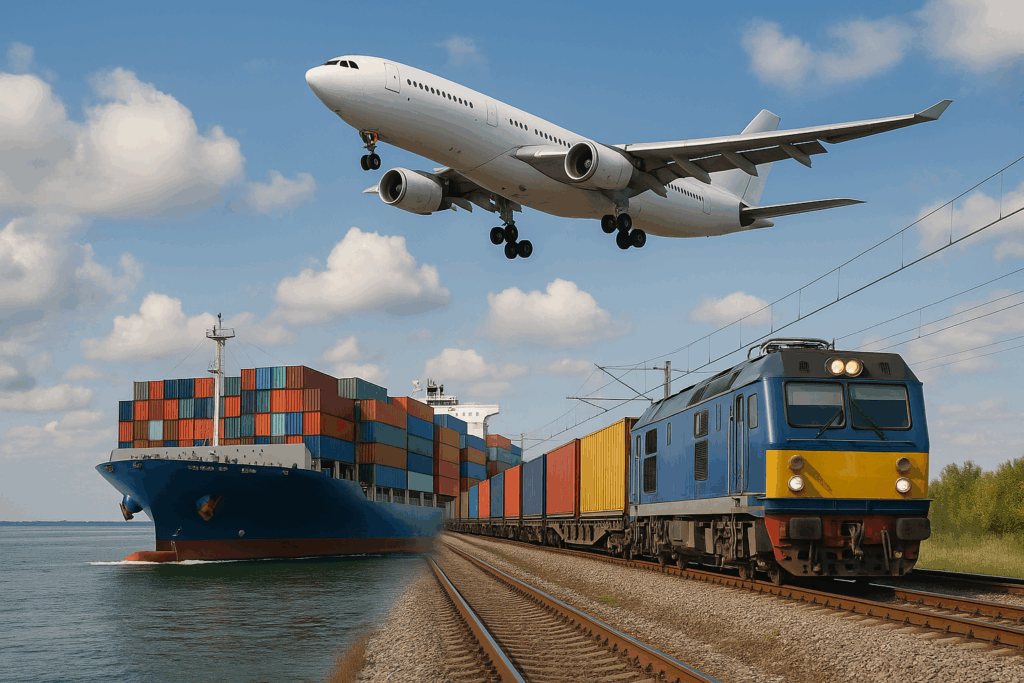
Shipping full containers from China to Europe has become increasingly efficient. Choosing cheap FCL shipping from Shenzhen to Germany helps importers cut costs while ensuring stability, safety, and timely delivery. This comprehensive guide explores pricing, transit times, routes, customs requirements, and proven strategies to help businesses optimize their shipping operations.
1. Understanding FCL Shipping Basics
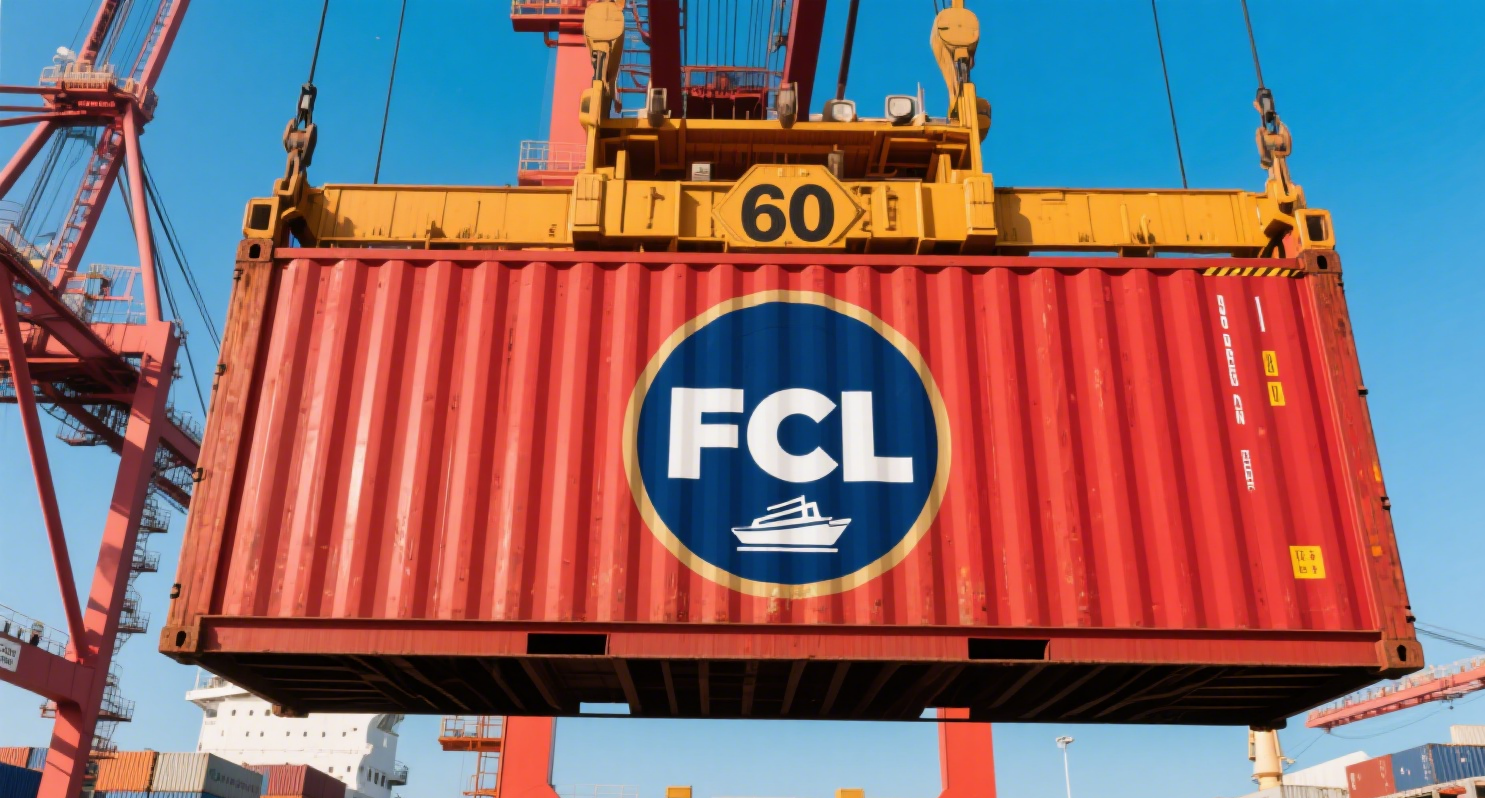
FCL (Full Container Load) shipping means your goods occupy an entire container—ideal for bulk cargo. Compared with LCL (Less than Container Load), FCL offers:
Better security: No shared space with others’ cargo.
Shorter transit times: Direct shipping routes reduce delays.
Lower per-unit costs: The more you ship, the cheaper each unit becomes.
Example: A Shenzhen electronics exporter shipped 25 tons of TVs via a 40ft container to Hamburg. The cargo arrived in 33 days—saving 18% compared to partial container shipping.
2. Cost Structure of FCL Shipping to Germany
Freight rates for cheap FCL shipping from Shenzhen to Germany vary depending on size, carrier, and season.
Container Type
Capacity (CBM)
Avg. Cost (USD)
Transit Time
Ideal Cargo
20ft Standard
28–30
$1,200–$2,000
30–35 days
Medium-volume
40ft Standard
58–60
$2,100–$3,800
30–35 days
Bulk goods
40ft High Cube
68
$2,300–$4,000
32–37 days
Oversized cargo
Cost-Saving Tips:
Ship during off-peak seasons (Feb–May, Oct–Dec).
Optimize container space through precise packaging.
Negotiate long-term contracts with freight forwarders.
Use direct routes to avoid transshipment fees.
3. Main Shipping Routes from Shenzhen to Germany
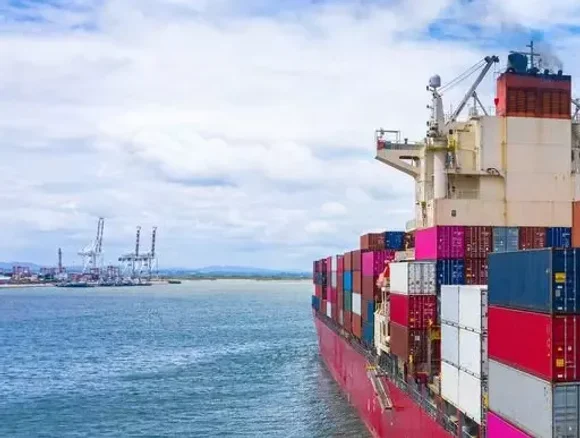
Germany’s top import ports are Hamburg, Bremenhaven, and Duisburg (via Rotterdam).
Schedule Smartly: Avoid peak holidays in both China and Germany.
Digitized logistics management also reduces human errors and shortens customs procedures.
7. Comparison: FCL vs. Other Freight Options
Mode
Transit Time
Avg. Cost (USD)
Pros
Cons
Sea Freight (FCL)
30–40 days
$1,200–$3,800
Low cost, high capacity
Longer delivery
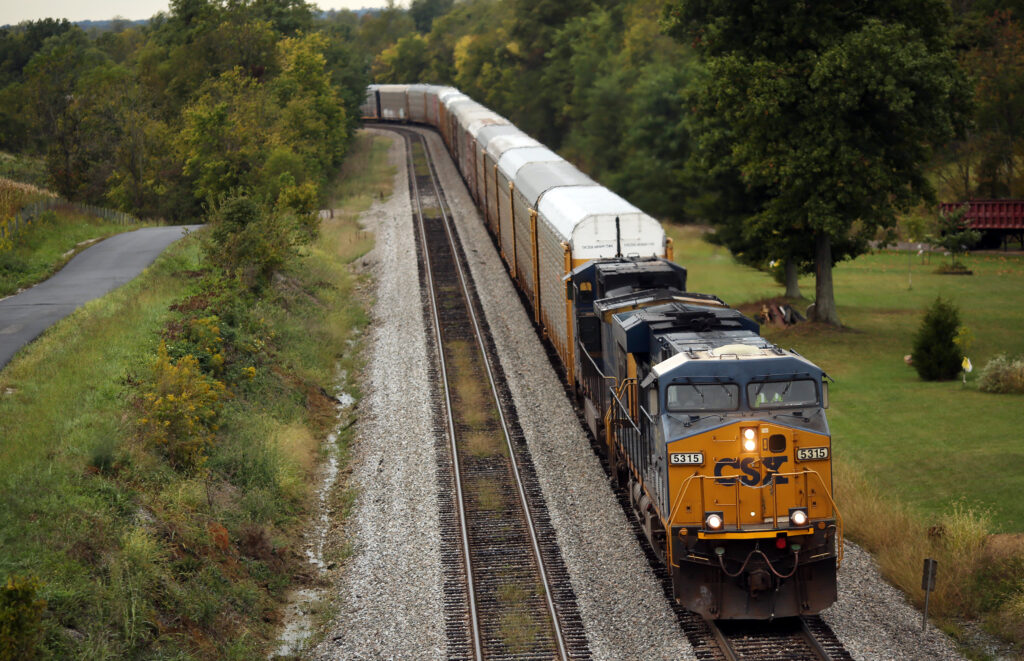
Rail Freight
20–25 days
$4,000–$5,500
Fast & stable
Limited routes
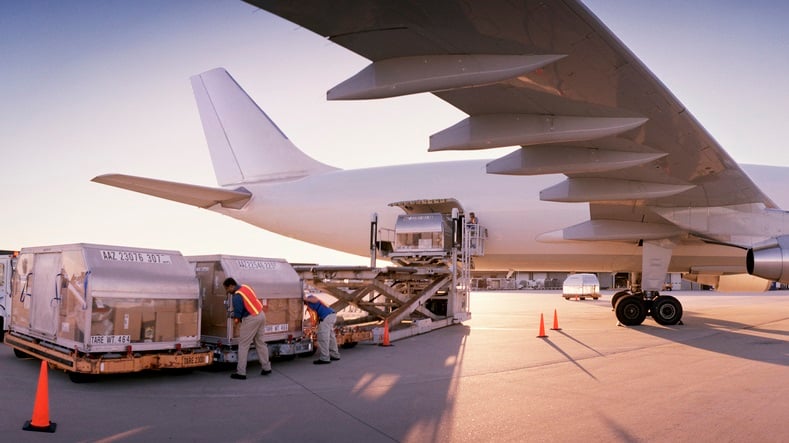
Air Freight
3–7 days
$8,000+
Very quick
High cost
LCL Shipping
35–45 days
$300–$700/m³
Good for small loads
Slower, shared cargo
FCL remains the most cost-efficient option for medium-to-large volumes due to balanced pricing and reliability.
8. Why Partner with a Professional Freight Forwarder
Working with an experienced forwarder ensures complete end-to-end management—from booking and packing to customs clearance and final delivery.
Forwarder Advantages:
Bulk rate access
Expert customs documentation
Real-time container tracking
Flexible transport combinations
Local support in both Shenzhen & Germany
Example: A Shenzhen auto parts supplier saved over USD 1,200 per shipment after switching to a forwarder offering direct Hamburg routes with fixed schedules.
Conclusion
Opting for cheap FCL shipping from Shenzhen to Germany enables businesses to expand efficiently across Europe. With stable routes, affordable rates, and advanced logistics management, importers can move goods safely while keeping costs low. Partnering with a professional freight forwarder ensures seamless customs clearance, on-time delivery, and full cargo visibility from factory to destination.
Resquest A Free Quote
Get started with TopChinaFreight today! 🚢✨ Simply Request a Free Quote 📝 to receive a customized shipping solution tailored to your needs. Our experts will provide the best rates 💰, fastest routes 🚀, and professional guidance 🌍 for your international logistics.