
Cargo Shipping China to Canada: 2026 Professional Logistics Guide
Navigating the complexities of cargo shipping China to Canada requires a strategic approach to manage costs and timelines effectively in the current market. Many businesses struggle with fluctuating freight rates and complex customs regulations that can disrupt the entire supply chain without expert guidance. Fortunately, working with an experienced partner like Top China Freight ensures your goods arrive safely and on schedule through optimized logistics routes. This comprehensive guide explores the best shipping methods, current 2026 market trends, and cost-saving strategies for all your Canadian imports.
What Are the Primary Methods for Cargo Shipping China to Canada?
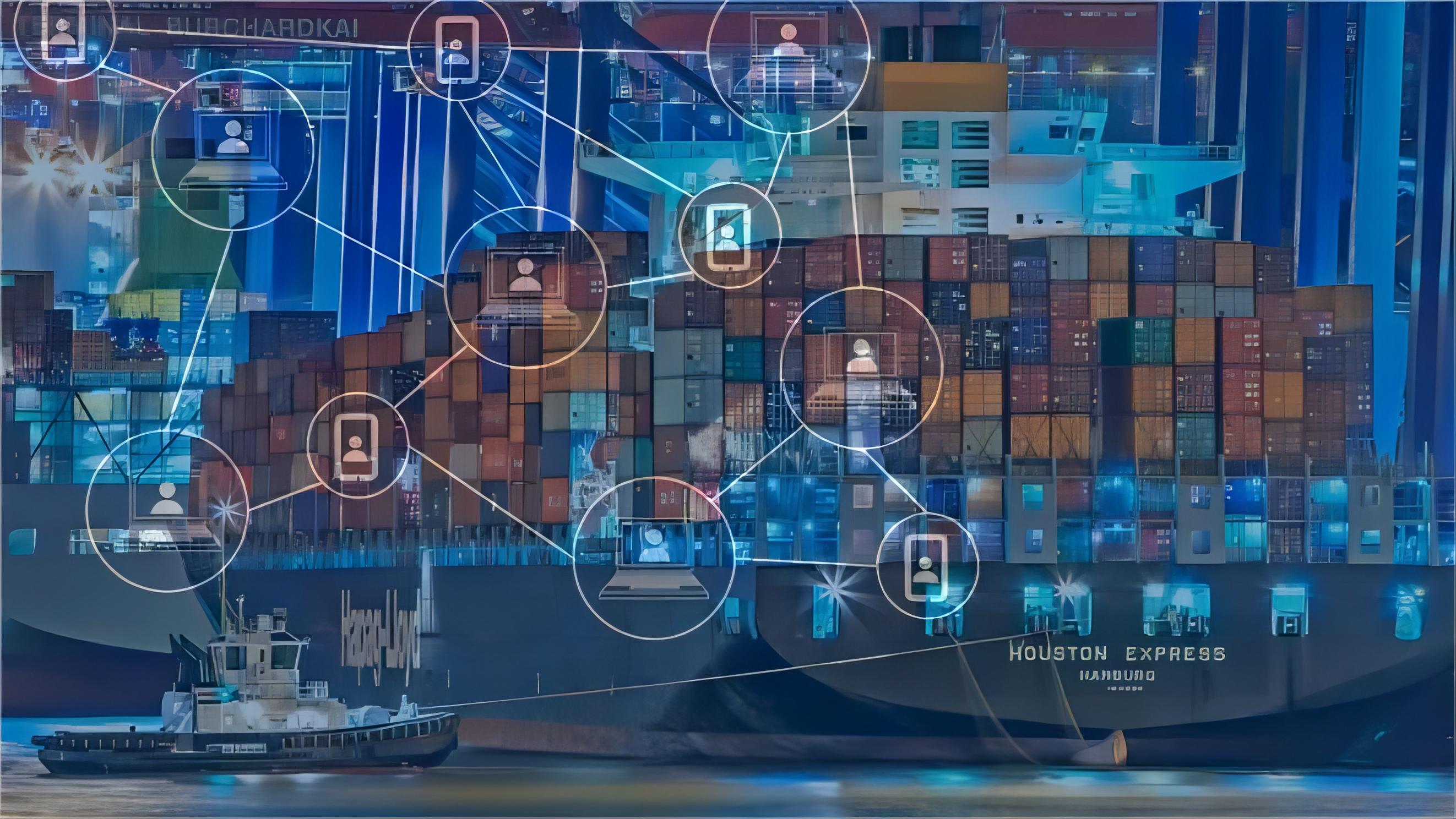
Choosing the right transportation mode is the first critical decision you must make when planning your international logistics strategy. Most importers rely on sea freight because it offers the most economical solution for large volumes of goods. This method typically involves either Full Container Load (FCL) or Less than Container Load (LCL) options depending on your specific volume. Consequently, businesses can scale their shipping operations based on seasonal demand and inventory requirements.
Air freight serves as the preferred alternative for high-value items or shipments that require rapid delivery to meet tight deadlines. While the costs are significantly higher than ocean transport, the reduced transit time often justifies the investment for electronics and fashion products. Additionally, air freight provides enhanced security and lower insurance premiums compared to sea-based transit. Therefore, you should evaluate your budget against your urgency before committing to a specific transport method.
Express courier services offer a streamlined, door-to-door solution that is ideal for small parcels and urgent samples. These services handle the entire process from pickup in China to final delivery in Canada, including all customs formalities. Moreover, the integration of real-time tracking allows you to monitor your shipment’s progress through every stage of the journey. Nevertheless, the cost per kilogram for express shipping remains the highest among all available logistics options in 2026.
How Much Does Cargo Shipping China to Canada Cost in 2026?
Determining the exact cost of your shipment involves analyzing several variables including fuel surcharges, seasonal demand, and specific port fees. As of Q1 2026, ocean freight rates have stabilized following the global supply chain adjustments seen in previous years. Meanwhile, air freight pricing remains sensitive to jet fuel fluctuations and global trade volumes. Understanding these pricing components helps you budget more accurately for your landed costs in Canada.
Market data suggests that shipping a 40HQ container from Shanghai to Vancouver currently ranges between $2,800 and $4,200 depending on the carrier. In contrast, shipping the same container to East Coast ports like Toronto or Montreal can cost between $4,500 and $6,000 due to the longer distance. Furthermore, LCL rates are typically quoted per cubic meter, making them a flexible choice for smaller businesses. You should always request a comprehensive quote that includes all local charges to avoid unexpected expenses.
Note: Freight rates are subject to change based on fuel costs, carrier capacity, and seasonal demand. Contact us for a current quote tailored to your specific shipment.
| Shipping Method | Estimated Cost (2026) | Transit Time | Best For |
|---|---|---|---|
| Sea Freight (FCL 40HQ) | $2,800 – $5,500 | 18-35 Days | Bulk / Heavy Goods |
| Sea Freight (LCL) | $80 – $160 / CBM | 25-40 Days | Small Volumes |
| Air Freight | $5.50 – $9.50 / kg | 3-7 Days | Urgent / High Value |
| Express Service | $9.00 – $16.00 / kg | 2-5 Days | Samples / Small Parcels |
How Does Sea Freight Compare to Other Shipping Options?
Analyzing the trade-offs between different transport modes is essential for maintaining a competitive edge in the Canadian market. Sea freight remains the backbone of global trade due to its massive capacity and relatively low environmental impact per ton. However, the longer transit times require better inventory planning and higher safety stock levels to prevent stockouts. In contrast, air freight allows for a lean inventory model but significantly increases the unit cost of your products.
Hybrid solutions such as sea-air combinations have gained popularity in 2026 as a middle-ground strategy. This approach involves shipping goods by sea to a hub like Dubai or Incheon and then flying them to Canada for the final leg. Consequently, you can save up to 40% compared to pure air freight while cutting transit time by half compared to pure sea freight. Such alternative strategies are particularly useful during peak seasons when direct air capacity is limited.
Rail freight is not a viable direct option for cargo shipping China to Canada due to the Pacific Ocean barrier. Some logistics providers suggest shipping via rail to a Chinese port before loading onto a vessel to save on domestic trucking costs. Indeed, choosing the right combination of inland and maritime transport can lead to substantial savings over the long term.
| Method | Cost Range | Transit Time | Best For | Limitations |
|---|---|---|---|---|
| Direct Sea | Low | 18-35 Days | Max ROI | Long Lead Times |
| Direct Air | High | 3-7 Days | Urgent Needs | High Expense |
| Sea-Air Hybrid | Medium | 12-18 Days | Balanced Needs | Complex Handling |
| LCL Sea | Medium-Low | 25-40 Days | Small Business | Handling Risks |

Which Option Should You Choose for Your Business?
Deciding on the best shipping route depends largely on your specific business priorities and the nature of your cargo. If your primary goal is budget optimization, sea freight is the clear winner for any shipment exceeding 2 cubic meters. On the other hand, if you are launching a new product and need to hit a specific marketing date, air freight provides the necessary speed. You must weigh these factors carefully to ensure your logistics strategy aligns with your commercial objectives.
Volume thresholds often dictate when it becomes more economical to switch from LCL to FCL shipping. For instance, once your shipment reaches approximately 15 cubic meters, booking a full 20GP container usually costs less than paying for individual CBM space. Additionally, FCL shipping offers better protection for your goods as the container is sealed at the origin and only opened at the destination. Therefore, consolidating your orders can lead to both cost savings and improved security.
Cargo type considerations also play a significant role in your decision-making process. Perishable goods or high-fashion items with short shelf lives almost always require the speed of air transport. Conversely, durable consumer goods, furniture, and industrial machinery are perfectly suited for the slower pace of ocean transit. Always consult with a professional freight forwarder to determine the most logical path for your specific inventory.
Understanding Customs Brokerage and Import Duties in Canada
Navigating the Canadian Border Services Agency (CBSA) requirements is a vital part of the import process. Every shipment entering Canada must be accompanied by accurate documentation, including a commercial invoice, packing list, and bill of lading. Furthermore, hiring a professional customs brokerage service can prevent costly delays and penalties at the border. These experts ensure that your goods are classified correctly under the Harmonized System (HS) codes to determine the applicable duty rates.
Import duties and taxes can significantly impact your total landed cost and overall profitability. Canada applies a Goods and Services Tax (GST) of 5% on most imported items, which is calculated based on the value of the goods plus duties. Moreover, certain products may be subject to anti-dumping duties or specific excise taxes depending on their origin and type. Consequently, conducting a thorough duty impact study before placing your order in China is a highly recommended business practice.
Documentation accuracy is the most common reason for shipment holds and inspections in 2026. Ensure that all descriptions on your paperwork match the physical goods and that the valuation is supported by payment records. Additionally, being aware of the Canada-China trade regulations will help you stay compliant with evolving international policies. Indeed, a proactive approach to customs clearance is the best way to maintain a smooth delivery schedule.
Case Study 1: Electronics from Shenzhen to Vancouver
Route: Shenzhen, China to Vancouver, Canada
Cargo: Consumer Electronics, 12 CBM, 2,800 kg
Container: LCL (Less than Container Load)
Shipping Details: Major carrier via direct trans-Pacific route. Port of Loading: Shenzhen. Port of Discharge: Vancouver. Route Type: Direct.
Cost Breakdown: Ocean Freight: $1,450; Origin Charges: $350; Destination Charges: $420; Customs and Duties: $1,200; Total Landed Cost: $3,420.
Timeline: Booking to Loading: 3 days; Sea Transit: 16 days; Customs Clearance: 2 days; Total Door-to-Door: 21 days.
Key Insight: Using a direct route to the West Coast saved 12 days compared to transshipment options. Based on Q1 2026 market rates.
Case Study 2: Industrial Machinery from Shanghai to Toronto
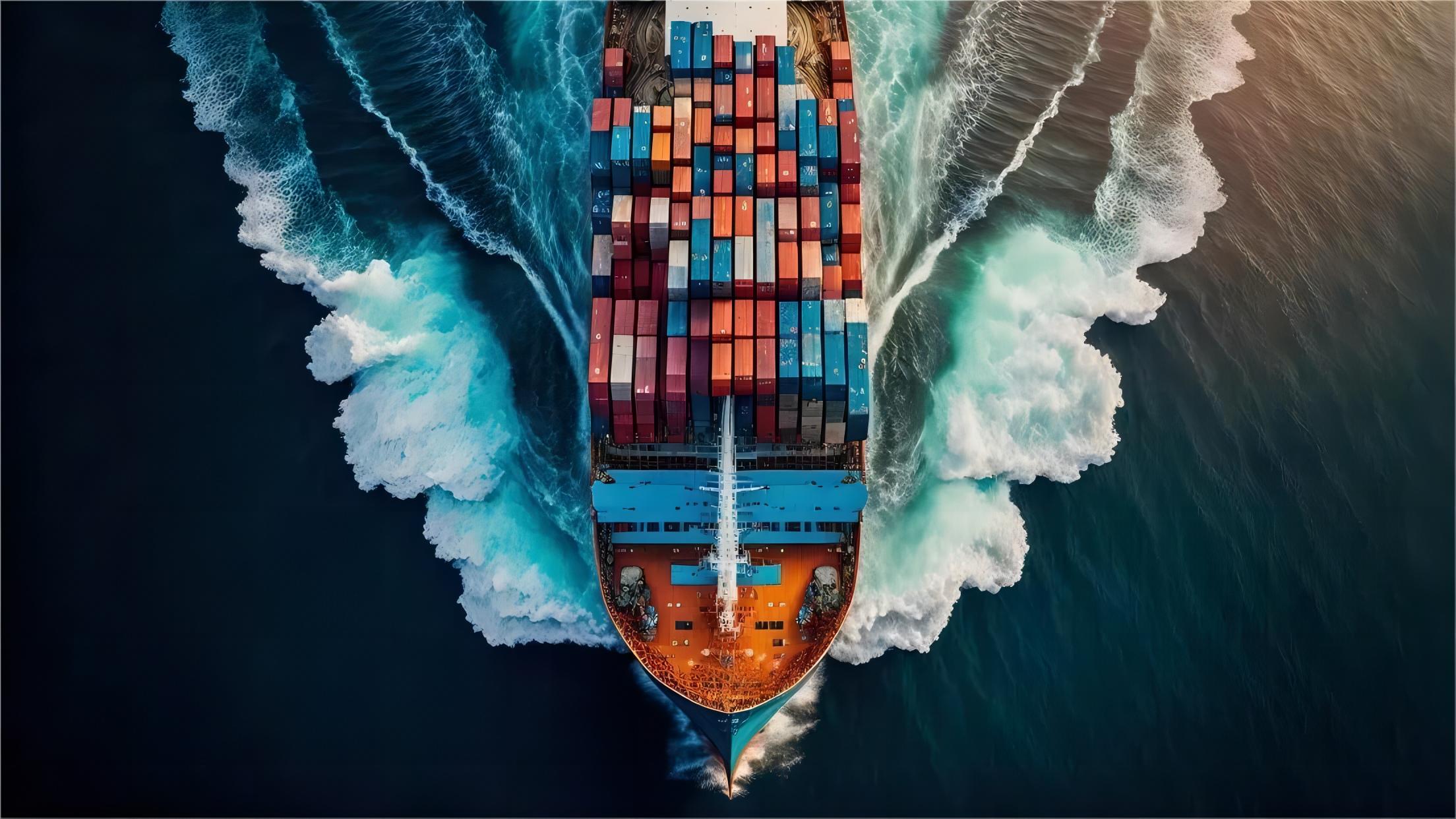
Route: Shanghai, China to Toronto, Canada
Cargo: Heavy Industrial Parts, 28 CBM, 14,000 kg
Container: 20GP Full Container
Shipping Details: COSCO shipping line. Port of Loading: Shanghai. Port of Discharge: Prince Rupert (then Rail to Toronto). Route Type: Intermodal.
Cost Breakdown: Ocean Freight: $3,200; Origin Charges: $450; Destination/Rail Charges: $1,100; Customs and Duties: $2,500; Total Landed Cost: $7,250.
Timeline: Booking to Loading: 5 days; Sea Transit: 18 days; Rail Transit: 6 days; Customs Clearance: 3 days; Total Door-to-Door: 32 days.
Key Insight: Utilizing the Prince Rupert rail gateway avoided congestion in Vancouver and reduced the total transit time by 5 days. Typical rates as of early 2026.
Shipping to Amazon FBA Canada: Strategies for Sellers
Managing inventory for the Canadian Amazon marketplace requires a specialized logistics approach to meet strict warehouse requirements. Sellers must ensure that their goods are properly labeled, palletized, and scheduled for delivery within specific windows. Using a dedicated Amazon FBA shipping service simplifies this process by handling the final mile delivery to fulfillment centers across Canada. Consequently, you can focus on marketing and sales while the logistics experts manage the physical movement of your stock.
Direct shipping from China to FBA warehouses can save time but requires meticulous attention to detail regarding packaging. Amazon Canada has specific rules for carton dimensions and weight that must be followed to avoid rejection at the warehouse dock. Furthermore, many sellers choose to use a third-party logistics (3PL) provider in Canada to inspect and prep goods before they reach Amazon. This strategy provides an extra layer of quality control and allows for more flexible inventory management.
Strategic placement of inventory can also help reduce your domestic shipping costs within Canada. By shipping to warehouses closer to major population centers like Toronto or Vancouver, you can offer faster delivery times to your customers. Moreover, maintaining a healthy Inventory Performance Index (IPI) requires a reliable shipping schedule from your Chinese suppliers. Therefore, selecting a freight forwarder with experience in FBA protocols is essential for your long-term success on the platform.
Door to Door Shipping Services from China to Canada
Streamlining your supply chain with door to door services eliminates the need for you to manage multiple vendors. This comprehensive service covers the entire journey from the supplier’s warehouse in China to your final destination in Canada. Specifically, the freight forwarder handles the inland trucking, export customs, international freight, import clearance, and final delivery. As a result, you receive a single invoice and a single point of contact for your entire shipment.
Reliability is the primary advantage of choosing a complete end-to-end logistics solution. You don’t have to worry about coordinating between different trucking companies and customs agents in different time zones. Additionally, door-to-door providers often have better leverage with carriers, which can lead to more consistent space allocations during peak seasons. Meanwhile, the integrated tracking systems provide peace of mind by showing exactly where your cargo is at any given moment.
Small and medium-sized enterprises (SMEs) find this service particularly beneficial as it reduces the administrative burden of international trade. Although the upfront quote might seem higher than port-to-port rates, the total cost is often lower when you account for the time saved and the avoidance of hidden fees. Indeed, a transparent door-to-door rate allows for much more accurate product pricing and financial planning. Choosing this method is a smart way to simplify your cargo shipping China to Canada operations.
2026 Market Trends and Logistics Intelligence
Staying informed about the latest industry trends is crucial for adapting your logistics strategy to changing conditions. As of mid-2026, the shipping industry has seen a significant increase in the adoption of digital freight platforms and automated tracking technologies. These tools provide shippers with unprecedented visibility and data analytics to optimize their routes and reduce waste. Furthermore, green shipping initiatives are starting to influence carrier choices as businesses seek to reduce their carbon footprint.
Seasonal patterns continue to play a major role in pricing and capacity availability for the China-Canada route. Rates typically increase by 15-25% during the August to October peak season as retailers prepare for the holiday shopping period. Additionally, the weeks leading up to the Lunar New Year often see a surge in demand and a corresponding spike in freight costs. Consequently, booking your shipments at least 4-6 weeks in advance during these periods is highly recommended.
Port infrastructure in Canada is also evolving, with major expansions planned for the East Coast to handle larger vessels. This development is expected to improve transit times for shipments destined for Ontario and Quebec by reducing the reliance on West Coast rail links. Moreover, the ongoing modernization of customs processes through the CARM initiative is designed to make importing into Canada more efficient. Therefore, keeping a close eye on these infrastructural and regulatory changes will help you maintain a resilient supply chain.
Final Thoughts on Shipping to Canada
Successfully managing cargo shipping China to Canada requires a balance of speed, cost, and reliability. By understanding the different transport modes and staying updated on 2026 market trends, you can make informed decisions that protect your bottom line. Whether you choose sea freight for its economy or air freight for its speed, the key is working with a partner who understands the nuances of the Canadian market.
Remember to factor in customs duties, documentation requirements, and seasonal fluctuations when planning your shipments. A proactive approach to logistics will not only save you money but also ensure your customers receive their products on time. Start optimizing your cargo shipping China to Canada today to build a more competitive and efficient international business.
Ready to streamline your logistics?
Ready to streamline your supply chain and reduce your cargo shipping China to Canada costs? Contact Top China Freight today for a personalized quote and expert logistics advice tailored to your 2026 business goals. Send Inquiry: https://Top China Freight.net/
Request Quote