
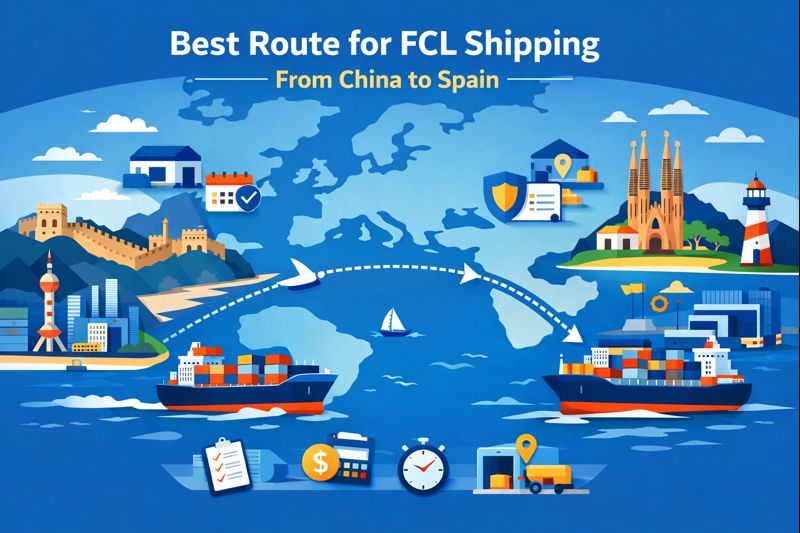
To secure the best route for FCL shipping from China to Spain, importers must balance transit time, port efficiency, and total landed cost. However, because congestion patterns and transshipment risks change frequently, route selection is rarely straightforward. Therefore, this guide breaks down practical routes, port options, and decision factors, drawing on real-world FCL experience from Top China Freight to help you plan with confidence.
What Defines the Best Route for FCL Shipping from China to Spain?
When evaluating the best route for FCL shipping from China to Spain, decision-makers should look beyond distance alone. Instead, several operational factors directly influence reliability and cost.
Route efficiency versus sailing distance
Although shorter nautical miles seem attractive, direct sailings are not always available from every Chinese port. As a result, slightly longer routes with stable weekly services often outperform shorter but irregular options.
Schedule reliability and carrier frequency
Equally important, high-frequency sailings reduce roll-over risk. Routes with consistent weekly departures from major hubs such as Shanghai or Ningbo usually deliver better predictability.
Port handling and customs performance
Finally, Spanish port efficiency and inland connectivity affect total door-to-door lead time. Therefore, the “best route” often combines a strong origin port with a destination port known for fast customs clearance.
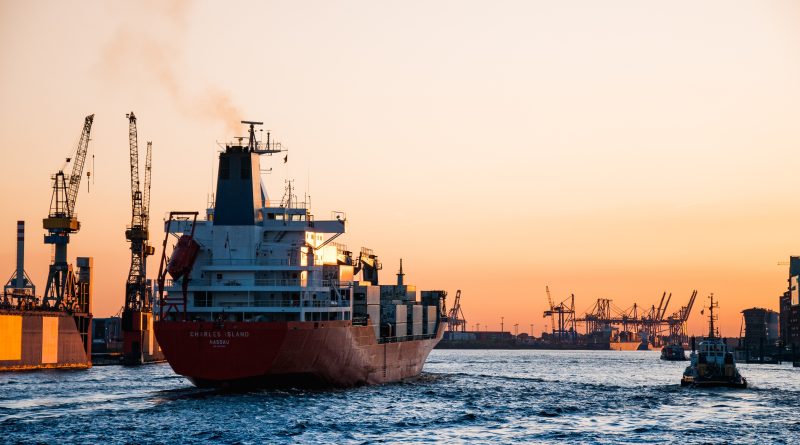
Which China Ports Offer the Most Efficient FCL Routes to Spain?
Because China has multiple export gateways, choosing the right origin port is a strategic step in FCL planning.
Shanghai and Ningbo as primary hubs
Shanghai and Ningbo handle the highest container volumes in China. Consequently, they offer the widest carrier selection and the most stable China–Spain FCL shipping schedules.
Shenzhen for South China exporters
For manufacturers in Guangdong, Shenzhen provides competitive sailings, especially for shipments bound for southern Spain. Moreover, feeder connections within South China help consolidate cargo efficiently.
Secondary ports and feeder strategies
Ports such as Qingdao or Xiamen can still work well, provided feeder-to-mainline connections are carefully planned. In these cases, transit time may increase slightly, but inland savings can offset the difference.
What Are the Main Cost Components Along the Route?
Understanding cost structure helps determine whether a route truly qualifies as the best route for FCL shipping from China to Spain.
| Cost Element | Description |
|---|---|
| Ocean freight | Base carrier rate for full container |
| Origin charges | THC, documentation, export handling |
| Destination charges | THC, port fees, terminal handling |
| Customs clearance | Duties, VAT, brokerage services |
Because each port pair produces a different cost mix, route selection should always consider total landed cost rather than ocean freight alone. In many cases, importers working with integrated solutions such as FCL & LCL services gain clearer visibility across all cost elements.
Which Spanish Ports Are Best for FCL Imports from China?
On the destination side, port choice directly affects delivery speed and inland costs.
Barcelona: balance of speed and connectivity
Barcelona is often preferred for central and northern Spain. Because of its modern terminals and strong rail links, it supports fast onward distribution.
Valencia: cost-effective and high-capacity
Valencia stands out for container efficiency and competitive handling charges. As a result, it frequently serves as the best port for FCL shipping from China to Spain when cost control is a priority.
Algeciras for transshipment-heavy routes
Algeciras functions as a major Mediterranean hub. Although it relies more on transshipment, it can still be effective for specific carrier services and southern Spain deliveries.
Case Studies
Electronics FCL from Shanghai to Barcelona
Origin: Shanghai, China
Destination: Barcelona, Spain
Cargo: Consumer electronics, 40HQ
Route: Direct Shanghai–Barcelona service
Transit Time: 30 days port to port
Outcome: Stable delivery with predictable customs clearance
Because the shipper prioritized schedule reliability over minimal cost, the direct route proved to be the best route for FCL shipping from China to Spain in this scenario.
Furniture FCL from Shenzhen to Valencia
Origin: Shenzhen, China
Destination: Valencia, Spain
Cargo: Flat-packed furniture, 40GP
Route: One transshipment via Mediterranean hub
Transit Time: 36 days port to port
Outcome: Lower freight cost with acceptable delivery window
In contrast, this shipment demonstrated how a carefully planned transshipment route can still meet commercial objectives when timelines are flexible.
How Do Direct and Transshipment Routes Compare?
One of the most common questions is whether direct sailings always represent the best route for FCL shipping from China to Spain.
| Route Type | Transit Time | Cost Level | Reliability |
|---|---|---|---|
| Direct China–Spain FCL | 28–32 days | Medium–High | Very stable |
| One transshipment | 33–38 days | Medium | Stable if planned |
| Two transshipments | 38–45 days | Low | Higher delay risk |
Although direct routes reduce handling risk, transshipment options can be viable when schedules align well. Therefore, experienced planners evaluate both options rather than defaulting to “direct only.”
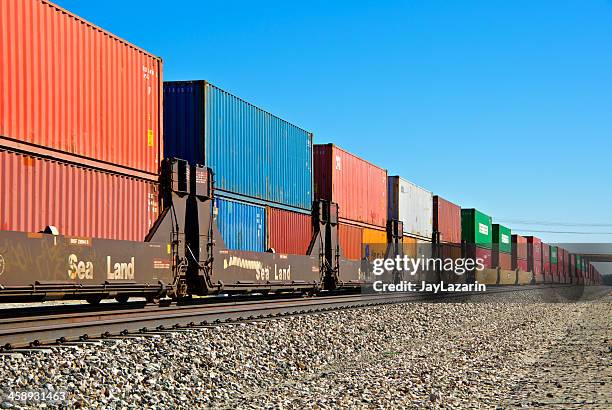
How Can Importers Reduce Risk on the China–Spain FCL Route?
Even after selecting the best route for FCL shipping from China to Spain, operational risks still exist. Therefore, proactive mitigation strategies should always be applied.
Managing congestion and roll-over risk
First, booking with carriers that maintain consistent weekly sailings helps reduce roll-over exposure. Additionally, spreading shipments across two nearby origin ports can improve resilience during peak congestion periods.
Using buffer planning and milestone tracking
Moreover, importers should align production schedules with realistic sailing windows. By tracking key milestones—gate-in, vessel departure, and arrival—unexpected delays can be addressed earlier.
Leveraging end-to-end coordination
Finally, coordinating ocean transport with inland delivery avoids bottlenecks at destination. In many cases, integrated door-to-door logistics simplify planning and reduce handover delays.
How Does Customs Clearance Affect Route Performance?
Customs efficiency often determines whether a route performs as planned. Consequently, compliance preparation is just as important as sailing selection.
Documentation readiness
Accurate commercial invoices, packing lists, and HS codes reduce inspection risk. Because Spain applies strict EU standards, document accuracy directly affects clearance speed.
Import VAT and duty planning
Furthermore, understanding import VAT timing helps manage cash flow. When duties and taxes are prepared in advance, containers move faster through Spanish ports.
Working with experienced brokers
For this reason, many importers rely on professional customs brokerage services to ensure compliance and minimize clearance delays.
Conclusion
Choosing the best route for FCL shipping from China to Spain requires balancing transit time, cost structure, and operational reliability. While direct sailings often deliver stability, well-planned transshipment routes can also perform effectively. By aligning port selection, customs readiness, and supply chain strategy, importers can achieve predictable and cost-efficient outcomes.
Request A Free Quote
Start shipping smarter with TopChinaForwarder today! 🚢✨ Request a Free Quote 📝 and get a tailored logistics plan built around your cargo and timeline.
FAQ:
What affects FCL shipping rates from China to Spain most?
Rates mainly depend on seasonality, carrier capacity, fuel surcharges, and port congestion. Origin and destination port pairing also influences total cost.
Is a direct route always faster for FCL shipping?
Not always. While direct sailings reduce handling, some transshipment routes perform similarly when connections are well scheduled.
How much buffer time should I add to transit estimates?
Generally, adding 5–7 days helps absorb minor delays, especially during peak shipping seasons.
Can I track my FCL shipment in real time?
Most carriers provide vessel tracking, while forwarders often offer milestone updates for better visibility.
When should I book space for peak season shipments?
Ideally, 3–4 weeks in advance to secure space and avoid last-minute rate spikes.