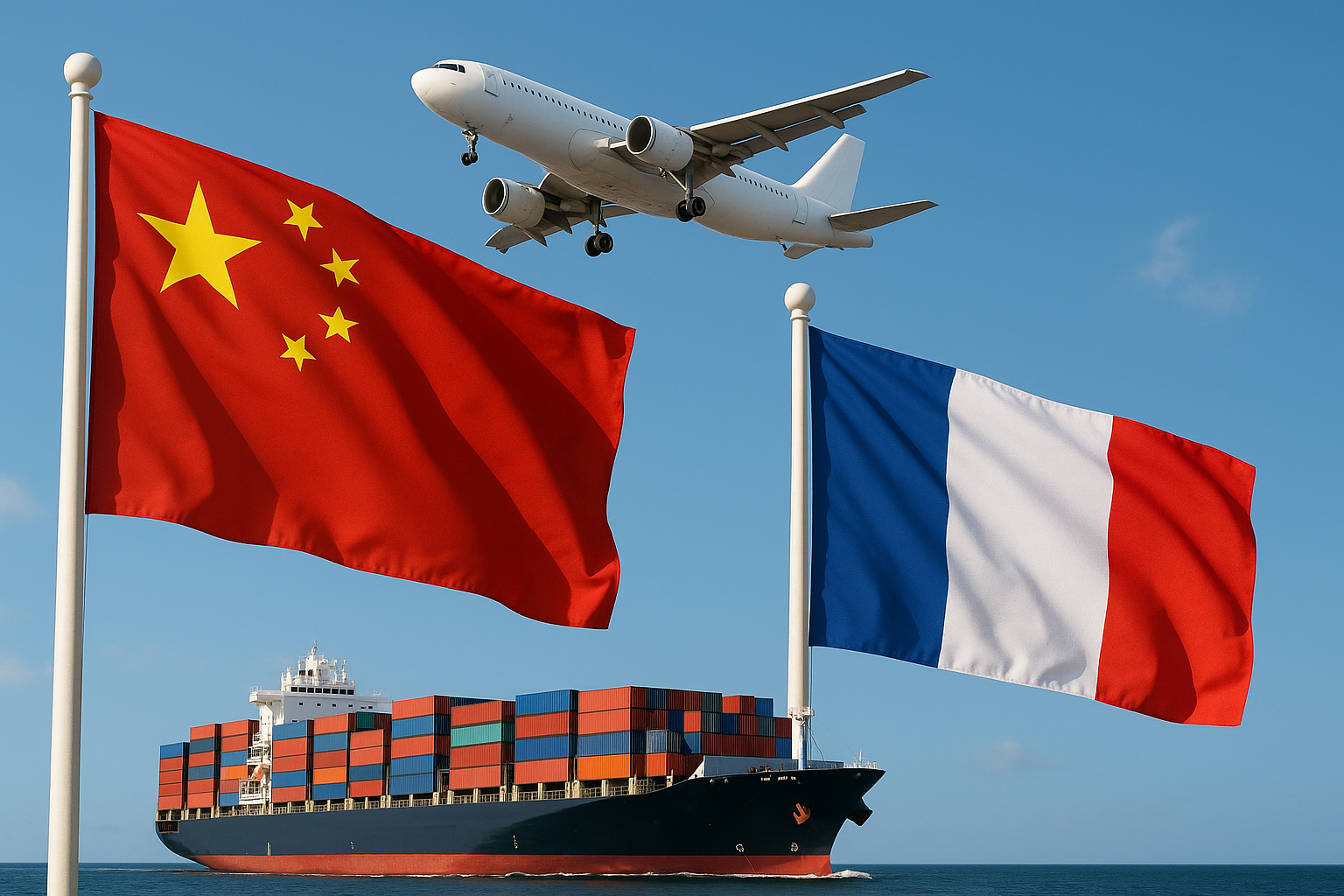
Choosing the best route for FCL shipping from China to France is crucial for importers who want to balance cost, delivery time, and cargo safety. Because shipping lanes and port capacities vary, understanding which route offers the best combination of reliability and efficiency can save thousands in logistics costs.

What Does FCL Shipping from China to France Mean?
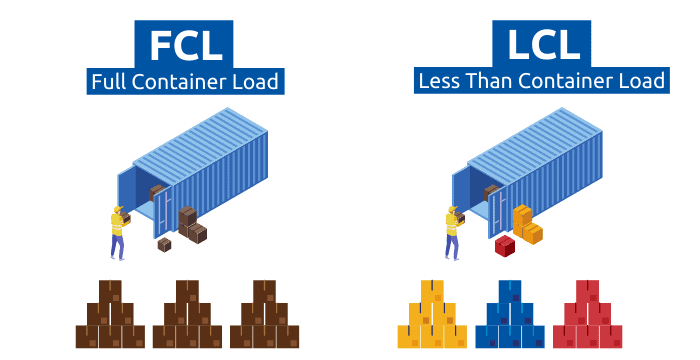
FCL (Full Container Load) shipping means renting an entire container—commonly 20GP or 40HQ—to carry your goods exclusively. It is especially suitable for medium to large exporters of machinery, furniture, textiles, and electronics.
| Container Type | Volume (CBM) | Max Payload (tons) | Common Use |
|---|---|---|---|
| 20GP | 33 | 28 | Medium-volume products |
| 40GP | 67 | 26 | Bulky but lighter cargo |
| 40HQ | 76 | 26 | E-commerce bulk goods |
Since your goods are sealed from origin to destination, FCL offers better protection and faster customs clearance than LCL shipments.
How Is the Best Route for FCL Shipping from China to France Determined?
Selecting the optimal route depends on transit time, port congestion, and freight rate. Generally, direct sailings from Southern China to Western France provide the best balance of cost and reliability.
| Origin Port | Destination Port | Average Transit (days) | Route Type |
|---|---|---|---|
| Shenzhen (Yantian) | Le Havre | 27–30 | Direct |
| Ningbo | Marseille | 29–33 | Transshipment via Singapore |
| Shanghai | Fos-sur-Mer | 28–31 | Direct |
| Qingdao | Dunkirk | 32–35 | Transshipment via Colombo |
Tip: Booking through a professional freight forwarder ensures accurate route selection and rate comparison across major carriers like CMA CGM, COSCO, and MSC.
What Factors Influence FCL Freight Rates Between China and France?
FCL rates fluctuate based on fuel prices, seasonality, carrier availability, and currency exchange.
| Cost Component | Description | Typical Range (USD/40HQ) |
|---|---|---|
| Ocean Freight | Basic sea cost | 1,200–1,800 |
| BAF / CAF | Fuel and currency adjustments | 150–250 |
| THC | Port handling in China & France | 150–220 |
| Customs & Docs | Declaration, paperwork | 70–100 |
| Trucking (France) | Final delivery | 150–300 |
Peak seasons (August–November) drive higher prices, especially before European holidays when retailers stock up on goods.
Which Ports Are Most Efficient for China–France FCL Shipments?
France’s port infrastructure offers multiple gateways:
- Le Havre: Major Atlantic port; ideal for Northern France distribution.
- Marseille – Fos: Key entry for Southern and Mediterranean regions.
- Dunkirk: Suitable for automotive and industrial imports.
- Nantes – Saint-Nazaire: Smaller but efficient for direct retail cargo.
Meanwhile, major Chinese origins—Shenzhen, Ningbo, and Shanghai—serve most European-bound sailings. Choosing matching ports minimizes transshipment and shortens lead time.
Real Case Studies: FCL Routes from China to France
Case 1 – Shenzhen → Le Havre (Direct Service)
- Cargo: Electronics (20 GP, 26 CBM)
- Freight: USD 1,350 all-in
- Transit: 28 days
- Outcome: Smooth customs clearance and 2-day early delivery.
Case 2 – Ningbo → Marseille (Transshipment)
- Cargo: Home decor goods (40 HQ)
- Freight: USD 1,750 including THC + BAF
- Transit: 31 days
- Outcome: Successful delivery despite seasonal congestion.
How Does FCL Compare with Other Transport Modes?
| Mode | Cost (USD/CBM) | Transit | Best Use | Pros | Cons |
|---|---|---|---|---|---|
| FCL Sea Freight | 35–60 | 27–33 days | Medium-large cargo | Economical & secure | Slower than air |
| LCL Sea Freight | 60–90 | 30–40 days | Small volume | Flexible | Shared container risk |
| Air Freight | 5–7 /kg | 4–6 days | Urgent goods | Fastest delivery | High cost |
| Rail Freight | 150–250 / CBM | 18–22 days | E-commerce | Balanced speed | Limited routes |
For full-container shipments, sea FCL remains the most cost-effective and reliable option to France.

What Customs and Documents Are Needed for FCL Import to France?
Both Chinese exporters and French importers must comply with EU customs regulations. Below are key documents:
| Document | Function | Issued By |
|---|---|---|
| Bill of Lading | Transport evidence | Shipping line |
| Commercial Invoice | Declares value and details | Exporter |
| Packing List | Specifies items | Exporter |
| Certificate of Origin | Tariff benefit | Chamber of Commerce |
| CE Certificate | EU product compliance | Manufacturer |
| Insurance Certificate | Covers cargo risk | Freight forwarder |
Submitting electronic declarations through France’s Delta G system can cut customs time by 30 percent.
How Can You Optimize FCL Shipping from China to France?
- Book Early: Reserve space 2–3 weeks ahead during peak months.
- Select Direct Routes: Reduce transshipment delays and handling costs.
- Use Professional Forwarders: Teams like Top China Freight negotiate preferential rates and handle customs efficiently.
- Track Your Cargo: Real-time tracking offers better visibility.
- Optimize Packaging: Maximize container volume and reduce damage risk.
By following these steps, importers can cut overall logistics expenses by 10–15 % while maintaining delivery accuracy.
Conclusion
The best route for FCL shipping from China to France combines cost control, efficient ports, and reliable carriers. Direct routes from Shenzhen to Le Havre or Shanghai to Fos-sur-Mer deliver consistent performance and shorter transit times. Partnering with an experienced freight forwarder ensures transparency in pricing, smooth customs clearance, and punctual delivery across France.
Request A Free Quote
Get started with TopChinaFreight today! 🚢✨ Simply Request a Free Quote 📝 to receive a customized shipping solution tailored to your needs. Our experts will provide the best rates 💰, fastest routes 🚀, and professional guidance 🌍 for your international logistics.
FAQs
Q1.How long does FCL shipping from China to France take?
Usually 27 to 33 days depending on port pairing, carrier choice, and seasonal traffic on major routes between China and France.
Q2.What is the average cost of FCL shipping from China to France?
Typically USD 1,200 to 1,800 per container including base freight, fuel charges, and port handling fees, based on current market conditions.
Q3.Which route is considered the best for FCL shipments to France?
Direct services from Shenzhen to Le Havre or Shanghai to Fos-sur-Mer offer the best balance of transit time, rate, and customs efficiency.
Q4.Are there seasonal rate changes for China–France FCL shipping?
Yes, prices increase during August to November due to holiday demand and limited carrier space availability from Chinese ports.
Q5.What documents are required for importing goods to France?
A bill of lading, commercial invoice, packing list, certificate of origin, and CE compliance certificate are mandatory for customs clearance.