- By della
- November 17, 2025
- Sea Freight, Shipping
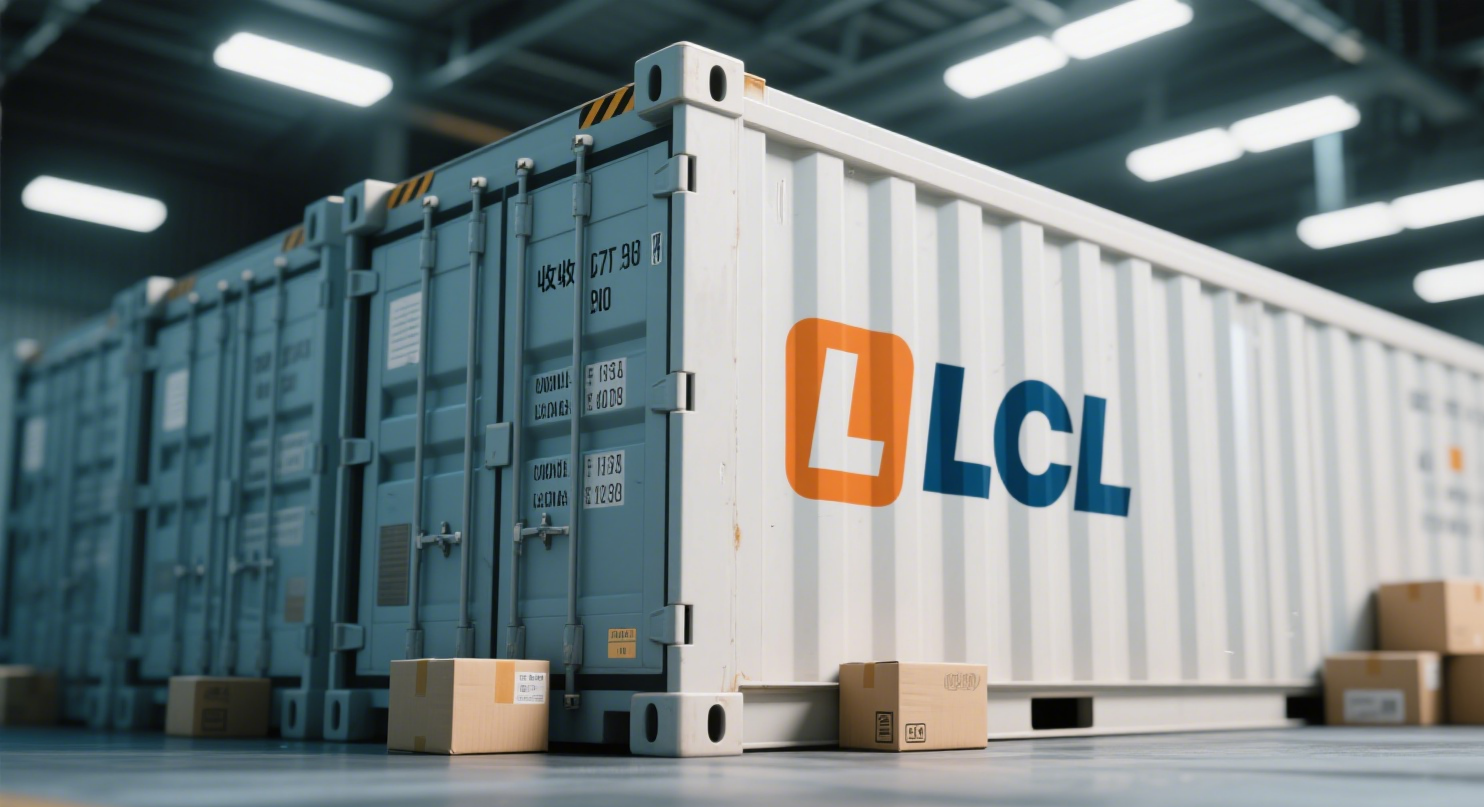
Delivering the best LCL shipping from Shenzhen to Australia is crucial for companies looking to reduce freight costs while maintaining stable transit times and smooth customs clearance. Because LCL provides flexible capacity and scalable shipment sizes, it is ideal for small to medium importers. Moreover, Shenzhen’s efficient export operations ensure predictable consolidation schedules and strong carrier frequency.

What Makes the Best LCL Shipping from Shenzhen to Australia a Smart Choice?
Importers increasingly choose the best LCL shipping from Shenzhen to Australia due to its cost efficiency and flexible cargo volume requirements. Additionally, LCL allows businesses to ship partial loads without paying for a full container, making it ideal for startups, eCommerce sellers, and growing brands. Furthermore, Shenzhen consolidators offer consistent weekly departures to Sydney, Melbourne, Brisbane, and Adelaide. Consequently, LCL becomes one of the most accessible shipping methods for diversified supply chains.
Key Benefits
| Benefit | Explanation |
|---|---|
| Lower upfront cost | Pay only for space used |
| Flexible volume | Ship 1–15 CBM easily |
| Lower storage pressure | Avoid high warehouse inventory |
| Weekly departures | Stable logistics planning |
| Broad destination coverage | Australia-wide distribution |
These benefits make LCL an ideal solution for optimising import budgets.
How Much Does LCL Shipping Cost from Shenzhen to Australia?
Pricing varies by volume, handling charges, destination port, and peak season adjustments. Although freight market fluctuations occur, LCL remains highly cost-efficient for smaller shipments. Additionally, fuel adjustment factors and customs charges must be considered.
Typical LCL Cost Reference
| CBM Range | Estimated Cost (USD) | Notes |
|---|---|---|
| 1–3 CBM | $35–$55/CBM | Minimum charges apply |
| 4–8 CBM | $30–$50/CBM | Best cost-to-volume ratio |
| 9–15 CBM | $28–$48/CBM | Often cheaper than courier |
| Warehouse Fee | $25–$45 | Per shipment |
| Destination Charges | $180–$280 | Paid in Australia |
Therefore, importers should calculate full landed costs before finalizing budgets.
What Transit Times Should You Expect When Shipping LCL to Australia?
Transit times depend on carrier selection, consolidation schedules, and final delivery location. Although LCL requires longer handling periods compared with FCL, it remains reliable and predictable.
Transit Time Chart
| Destination | Transit Time | Notes |
|---|---|---|
| Sydney | 13–18 days | Fastest route |
| Melbourne | 15–21 days | Stable weekly sailings |
| Brisbane | 16–22 days | Weather-sensitive |
| Adelaide | 18–25 days | Longer inland journey |
| Perth | 22–30 days | Western Australia route |
Additionally, consolidation typically adds 2–4 days before departure.
Which Documents Do You Need for Smooth LCL Shipping to Australia?
Accurate documents ensure faster clearance and reduce risk of customs penalties. Since Australia maintains strict import controls, compliance is essential for all HS codes.
Document Checklist
| Document | Purpose |
|---|---|
| Commercial Invoice | Declares value and HS coding |
| Packing List | Lists dimensions and carton count |
| Bill of Lading | Proof of carriage |
| Import Declaration | Required for most shipments |
| Certificate of Origin | For duty assessments |
| Fumigation Certificate | Wood packaging compliance |
| MSDS | For chemicals |
Prepared documents help avoid significant delays.
What Real-World Cases Demonstrate the Best LCL Shipping Results?
📦 Case 1: Electronics (Shenzhen → Sydney)
Cargo Volume: 6 CBM
Cargo Type: Earphones and accessories
Cost: USD 260
Transit Time: 15 days
Outcome: Reliable shipping reduced replenishment delays during peak season.
📦 Case 2: Home Decor (Shenzhen → Melbourne)
Cargo Volume: 9 CBM
Cargo Type: Ceramic home items
Cost: USD 390
Transit Time: 17 days
Outcome: Stable consolidation kept costs predictable for quarterly shipments.
Need a shipping solution? 🚢 Request a Free Quote 📝 from TopChinaFreight and get the best rates and fastest routes today!
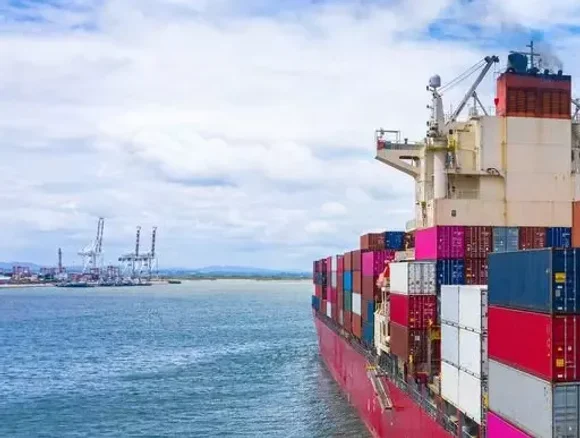
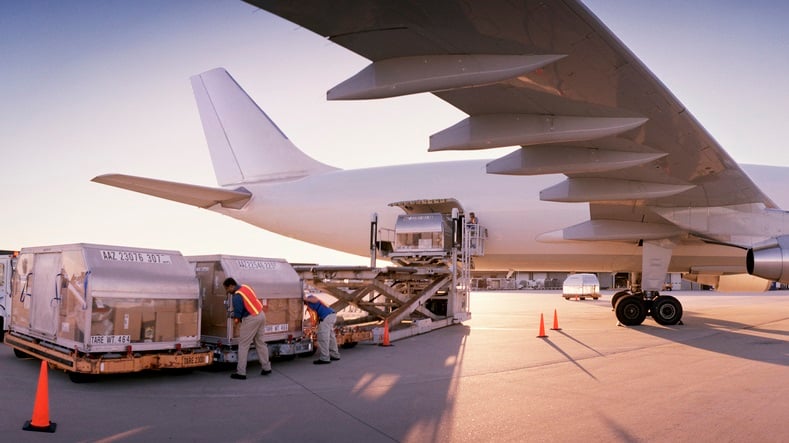
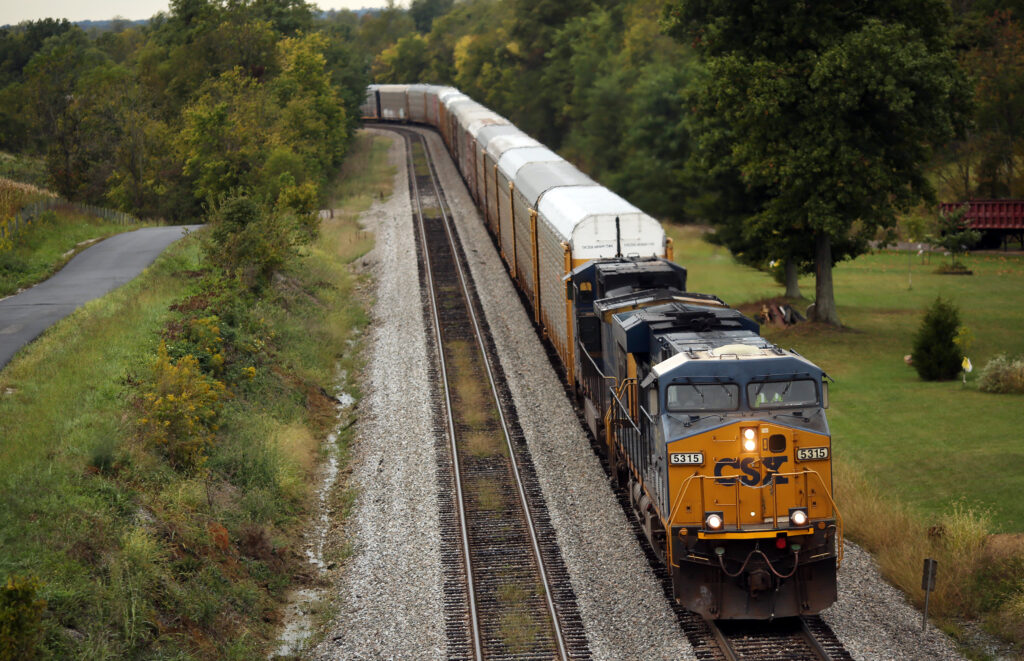
How Does LCL Compare with FCL, Air Freight, and Express Services?
Each transportation mode offers unique advantages. Nevertheless, LCL remains optimal for medium-sized shipments.
Comparison Table
| Mode | Cost | Speed | Best For | Limitations |
|---|---|---|---|---|
| LCL | Medium | 15–30 days | 1–15 CBM | More handling |
| FCL | Low | 12–25 days | 15+ CBM | Higher upfront cost |
| Air Freight | High | 3–7 days | Urgent shipments | Expensive |
| Express | Very High | 2–5 days | Small parcels | Weight limits |
Thus, LCL strikes a balance between affordability and convenience.
Why Is Shenzhen the Best Source for LCL Shipping to Australia?
Shenzhen is one of the world’s most well-established export hubs, offering highly automated fulfillment systems and efficient customs operations. Similarly, consolidators operate multiple weekly schedules across major Australian ports. Consequently, importers gain unmatched flexibility and dependable routing.
Key advantages:
- Leading manufacturing clusters
- Excellent warehouse networks
- Strong carrier partnerships
- Competitive freight rates
- Fast customs clearance processing
These strengths ensure consistently reliable services.
How Can Businesses Improve Their LCL Shipping Efficiency?
Companies can improve results by preparing documents early, planning shipment volumes, and avoiding last-minute bookings. Additionally, coordinating carton labelling and packing reduces destination handling time. Therefore, proactive planning leads to fewer errors and better operational control.
Recommended best practices:
- Book 1–2 weeks ahead
- Label cartons clearly
- Use durable packaging
- Provide accurate HS codes
- Confirm destination charges
- Communicate delivery windows
These methods help importers reduce hidden costs and avoid operational disruptions.
Conclusion
Choosing the best LCL shipping from Shenzhen to Australia enables businesses to balance affordability, transit stability, and cargo flexibility. Because LCL supports scalable growth, importers benefit from smoother supply chains, predictable shipping costs, and consistent delivery performance. Ultimately, this logistics method provides the ideal solution for brands managing medium-volume reorders or testing new product markets.
Resquest A Free Quote
Get started with TopChinaFreight today! 🚢✨ Simply Request a Free Quote 📝 to receive a customized shipping solution tailored to your needs. Our experts will provide the best rates 💰, fastest routes 🚀, and professional guidance 🌍 for your international logistics.
FAQs
Q1.How much volume is ideal for the best LCL shipping from Shenzhen to Australia?
Most importers use the best LCL shipping between 3 and 12 CBM to control costs effectively without booking full containers.
Q2.How early should shipments be booked when using the best LCL shipping service?
Shippers typically schedule the best LCL shipping one week ahead to secure space, avoid delays, and match consolidation timelines efficiently.
Q3.Does the best LCL shipping from Shenzhen to Australia include destination charges?
Importers pay destination fees separately because the best LCL shipping structure uses local handling rules based on Australian port regulations.
Q4.Is the best LCL shipping from Shenzhen to Australia suitable for fragile products?
Yes, the best LCL shipping supports fragile goods when customers use reinforced packaging, pallet loading, and stable carton arrangements effectively.
Q5.How long does customs clearance take for the best LCL shipping to Australia?
Most shipments clear swiftly because the best LCL shipping relies on accurate HS codes and well-prepared documentation at both departure and arrival.