- By della
- November 7, 2025
- Sea Freight, Shipping
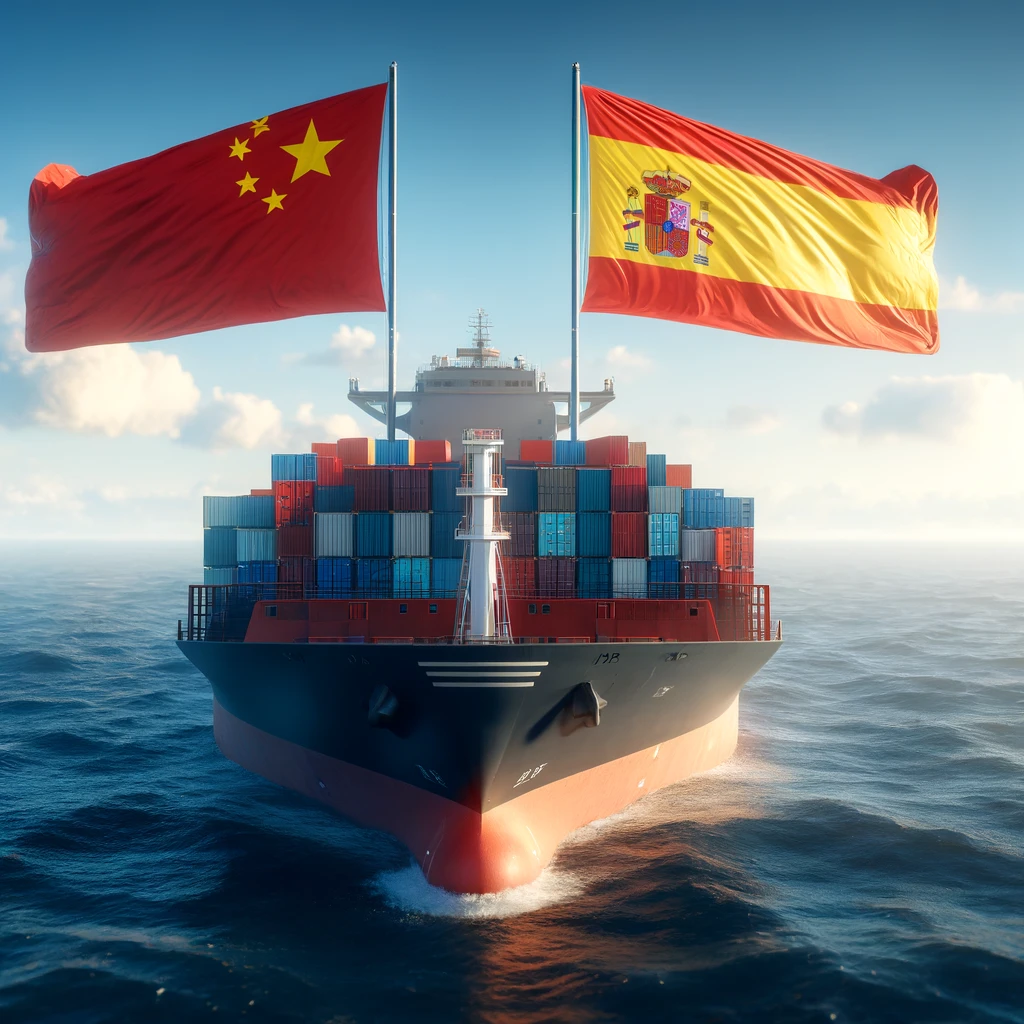
Global trade between China and Europe continues to expand, and the best FCL shipping from Shenzhen to Spain remains a cornerstone for businesses managing large-volume imports. Whether you’re shipping furniture, machinery, or electronics, full container load (FCL) transport ensures safety, speed, and cost efficiency.

What Is FCL Shipping and Why Is It Ideal for Spain Imports?
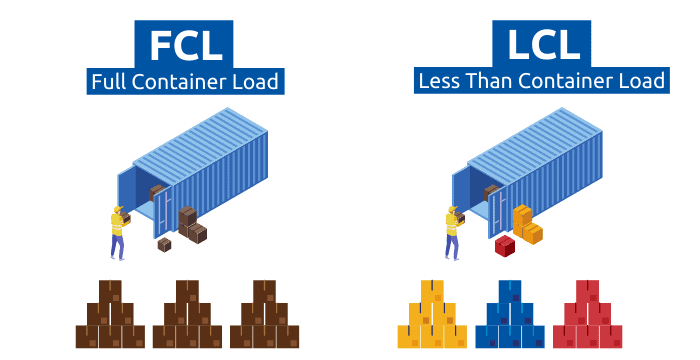
FCL—Full Container Load—means your goods occupy an entire shipping container. Unlike LCL, where cargo is consolidated, FCL provides full control and security.
Key benefits include:
- Exclusive container usage
- Lower cost per unit for large shipments
- Reduced handling and damage risk
- Simplified customs and faster release
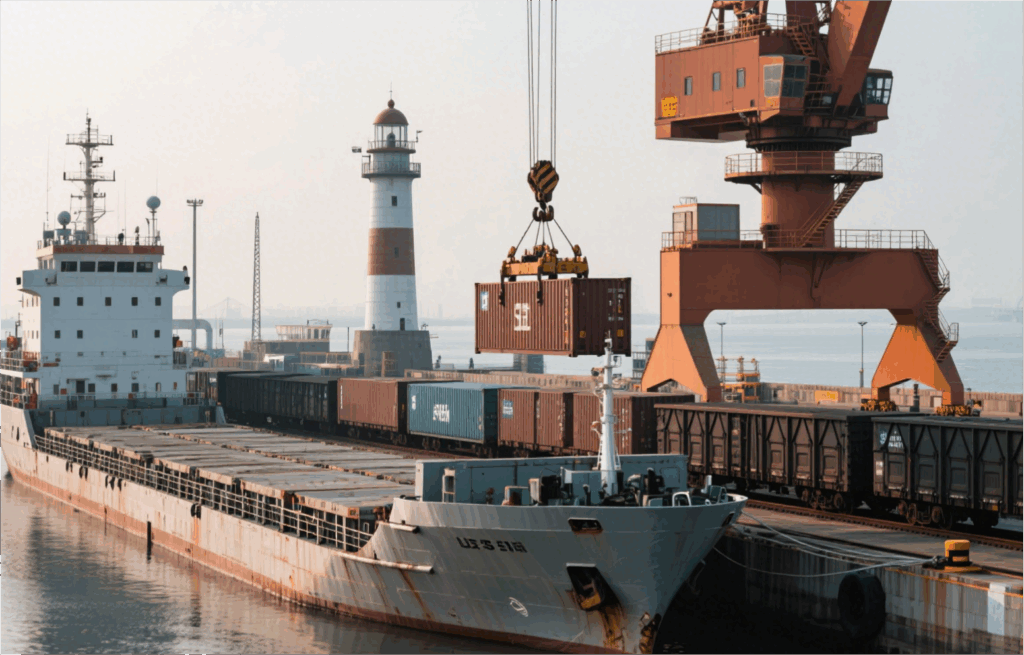
Moreover, Spain’s major ports—Valencia, Barcelona, and Algeciras—are well connected to Shenzhen’s Yantian and Shekou terminals, ensuring regular weekly sailings and efficient customs procedures.
How Long Does FCL Shipping from Shenzhen to Spain Take?
Transit times vary depending on destination port, carrier, and customs clearance efficiency. Below is an estimated 2025 schedule:
| Route | Destination Port | Transit Time (Days) | Service Type |
|---|---|---|---|
| Shenzhen → Valencia | 25–28 | Direct | Most popular route |
| Shenzhen → Barcelona | 26–30 | Direct | Ideal for Catalonia |
| Shenzhen → Algeciras | 27–32 | Transshipment | Suitable for southern Spain |
| Shenzhen → Bilbao | 30–33 | Indirect | For northern Spain |
Additionally, rail-sea hybrid options via Rotterdam can reduce time for inland Spain deliveries, especially for central distribution centers.
How Much Does the Best FCL Shipping from Shenzhen to Spain Cost?
FCL pricing depends on the container type, season, and shipping line. Here’s a 2025 rate reference:
| Container Type | Volume (CBM) | Average Cost (USD) | Transit Time |
|---|---|---|---|
| 20GP | 28 CBM | $1,250–$1,600 | 25–30 days |
| 40GP | 58 CBM | $2,050–$2,400 | 25–32 days |
| 40HQ | 68 CBM | $2,150–$2,700 | 25–32 days |
Extra charges include:
- Terminal handling (THC)
- Bunker adjustment (BAF)
- Documentation and insurance
- Customs inspection (if required)
Although prices fluctuate, FCL remains more stable than LCL or air freight—ideal for long-term trade planning.
What Documents Are Needed for FCL Shipping to Spain?
Proper documentation ensures seamless customs clearance under EU regulations. Here’s a quick reference:
| Document | Purpose |
|---|---|
| Bill of Lading | Proof of shipment and ownership |
| Commercial Invoice | Declares product value and sale terms |
| Packing List | Lists packages, weights, and dimensions |
| Certificate of Origin | Confirms manufacturing country |
| Importer’s EORI Number | Mandatory for EU importers |
| CE Certificate | For electronics and machinery |
| Insurance Certificate | Protects against transport risk |
Additionally, consistent HS code and declaration accuracy prevent unnecessary customs delays in Spain’s main ports.
Real Case Studies: FCL Shipping from Shenzhen to Spain
Case 1: Home Furniture to Valencia
- Route: Shenzhen → Valencia (40HQ FCL)
- Cargo: 68 CBM wooden furniture
- Cost: $2,280
- Transit Time: 27 days
Result: Smooth customs clearance within 2 days; final delivery to Madrid warehouse completed via inland trucking.
Case 2: Electronics to Barcelona
- Route: Shenzhen → Barcelona (20GP FCL)
- Cargo: 25 CBM smart home devices
- Cost: $1,480
- Transit Time: 26 days
Result: Shipped under DDP terms; taxes prepaid; customs released shipment within 24 hours.
FCL vs LCL vs Air vs Rail Freight: Which Is Best?
| Mode | Transit Time | Cost | Reliability | Ideal Cargo | Pros | Cons |
|---|---|---|---|---|---|---|
| FCL (Sea) | 25–32 days | $$ | ★★★★★ | Bulk cargo | Secure, cost-efficient | Requires full container |
| LCL (Sea) | 30–38 days | $ | ★★★☆☆ | Small volume | Flexible | Slower, risk of delay |
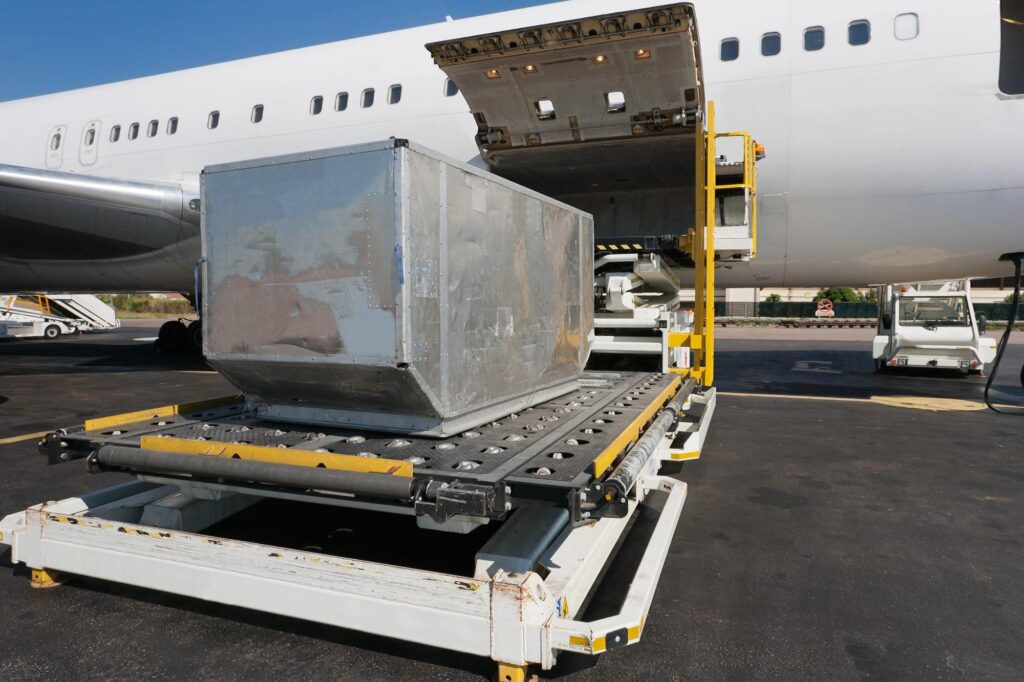
| Air Freight | 5–8 days | $$$$ | ★★★★★ | Urgent shipments | Fastest | Expensive |
| Rail Freight | 18–25 days | $$$ | ★★★★☆ | Medium cargo | Eco-friendly | Limited coverage |
FCL stands out for exporters needing reliability and predictable scheduling—balancing cost, security, and flexibility.
What Factors Influence FCL Shipping Cost and Time?
Several factors affect total logistics efficiency and price stability:
- Seasonal demand: Rates rise before Chinese holidays or European Christmas.
- Fuel prices: Affect bunker surcharges (BAF).
- Port congestion: Valencia and Yantian may face occasional backlogs.
- Customs regulations: Incorrect paperwork can delay clearance.
- Incoterms: FOB, CIF, or DDP terms shift responsibility and cost.
- Weather & routing: Storms or rerouting may extend transit time.
However, working with experienced freight forwarders ensures proactive scheduling, reducing unexpected costs or delays.
How to Ensure the Best FCL Shipping Experience
To achieve smooth delivery, importers should follow these professional guidelines:
- Plan early: Reserve container space 3 weeks before departure.
- Package properly: Use waterproof and shock-proof packaging.
- Verify documents: Ensure consistent data across invoices and B/L.
- Use marine insurance: Protect cargo value against transit risk.
- Partner with experts: Choose experienced companies like Top China Freight for door-to-door control.
Moreover, integrating real-time tracking and digital customs declarations ensures full visibility from Shenzhen factory to Spanish port.
Conclusion
In conclusion, the best FCL shipping from Shenzhen to Spain offers the ideal combination of reliability, cost efficiency, and speed for international trade. It enables businesses to scale imports confidently with stable pricing and secure logistics handling.
By partnering with Top China Freight, importers gain access to end-to-end service, expert customs support, and guaranteed on-time deliveries.
Without a doubt, FCL remains the smartest logistics choice for connecting Shenzhen’s supply chain to Spain’s growing market in 2025 and beyond.
Request A Free Quote
Get started with TopChinaFreight today! 🚢✨ Simply Request a Free Quote 📝 to receive a customized shipping solution tailored to your needs. Our experts will provide the best rates 💰, fastest routes 🚀, and professional guidance 🌍 for your international logistics.
FAQs
Q1.How long does FCL shipping from Shenzhen to Spain take?
It usually takes 25–33 days, depending on port congestion, carrier route, and customs clearance speed in Spain. pulvinar dapibus leo.
Q2.Which ports in Spain receive the most FCL cargo?
Valencia, Barcelona, and Algeciras are the top FCL destinations for Chinese exports into the Spanish market.
Q3.What is the ideal cargo size for a 40HQ container?
A 40HQ container holds up to 68 CBM, ideal for furniture, machinery, or large industrial goods.
Q4.Are customs duties included in FCL shipping quotes?
Typically, no. Unless you choose DDP terms, import duties and VAT are paid separately by the consignee.
Q5.Can I track my FCL shipment in real time?
Yes, shipping lines and freight forwarders provide digital tracking systems showing container location and ETA updates.