

- By rudy
- November 26, 2025
- Freight knowledge, Shipping
Although the global demand for renewable energy continues to rise, importers still struggle to manage a smooth reefer FCL booking process for solar panels from China to Italy, especially when temperature control and EU compliance both add complexity. Therefore, this guide offers a step-by-step breakdown of how to book reefer containers correctly, avoid delays, and protect fragile PV modules during long-haul transport. Additionally, you can rely on our expertise through the Top China Freight homepage whenever you need optimized China–EU logistics support.
What Makes Reefer FCL Shipping Essential for Solar Panels?
Because solar panels are sensitive to temperature fluctuations, humidity, and physical impact, many importers now prefer reefer FCL containers instead of dry containers. Moreover, reefer equipment stabilizes temperature during long-haul sea voyages from Shanghai, Ningbo, or Qingdao to Italian ports such as Genoa or La Spezia. Consequently, defects, micro-cracks, and moisture damage become less likely.
Additionally, cold-chain ocean freight supports quality assurance for high-value PV modules, especially when container pre-cooling procedures are applied before loading.
How Does the Reefer FCL Booking Process for Solar Panels from China to Italy Work?

A complete reefer booking workflow typically includes ten operational steps. Although each importer may adjust the flow, the core sequence remains consistent.
Step 1: Cargo Specification Confirmation
Because solar panels vary in wattage, thickness, and packaging method, carriers require full details early. Furthermore, providing the cargo dimension and weight helps lock suitable reefer equipment.
Step 2: Temperature-Controlled Requirements
Importers must define:
- temperature settings
- humidity targets
- ventilation requirements
- shock-sensitive handling notes
Additionally, this information supports temperature-controlled FCL shipping accuracy.
Step 3: Schedule Matching and Carrier Selection
Carriers offer limited reefer slots, especially on China–Italy routes. Therefore, reefer booking schedule optimization ensures cargo is aligned with vessels that offer reliable transit performance.
Step 4: Compliance Review
Solar panels require export compliance checks in China and import compliance checks in Italy. Because renewable products follow strict EU regulations, our team often supports importers through the customs brokerage service when needed.
Step 5: Container Pre-Cooling
Although not mandatory, pre-cooling protects the PV cells before loading. Consequently, this step reduces temperature shock during the first hours of transport.
What Documents Are Required for Italy-Bound Solar Panel Shipments?
Below is a clear documentation checklist.
Document Checklist for Solar Panels (China → Italy)
| Document | Purpose | Compliance Impact |
|---|---|---|
| Commercial Invoice | Valuation | High |
| Packing List | Quantity & layout | Medium |
| Bill of Lading | Cargo release | High |
| CE/EN Certificates | EU standards | High |
| HS Code Declaration | Customs duty | High |
| Certificate of Origin | Preferential tariff | Medium |
Because solar panels fall under renewable energy equipment, incomplete documents frequently cause clearance delays. Therefore, accuracy at the source remains essential.
How Do Freight Rates Work for Reefer FCL from China to Italy?
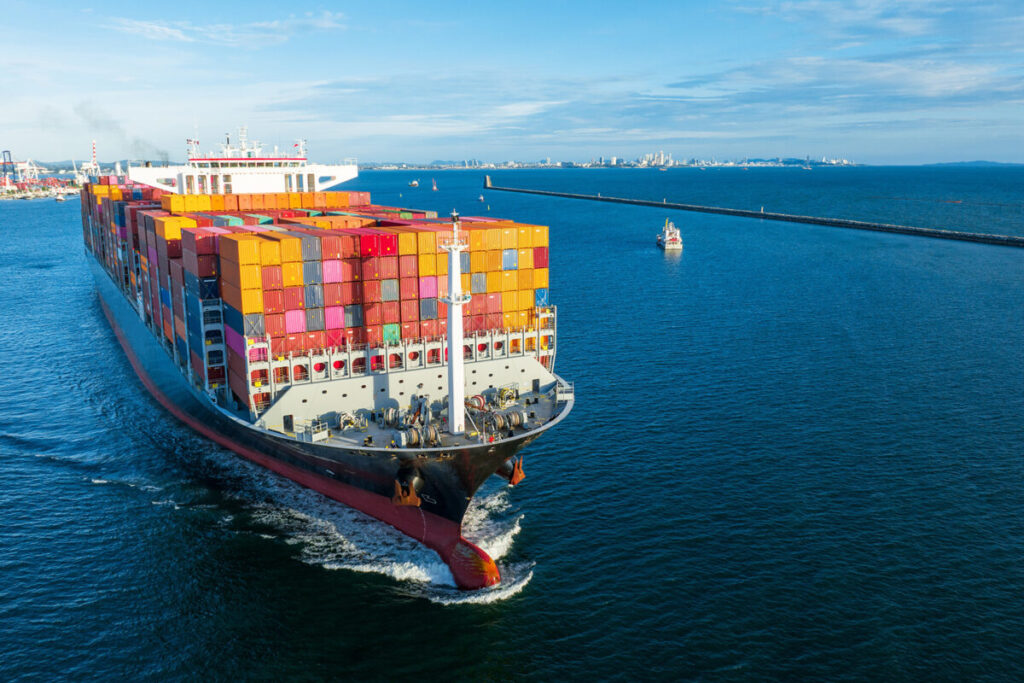
Although rates change weekly, importers should understand the basic cost structure. Moreover, reefer equipment has additional energy fees, plug-in charges, and handling fees compared with standard FCL.
Main Components:
- Base ocean freight
- Reefer equipment surcharge
- Pre-trip inspection (PTI) costs
- Terminal handling charge
- Origin truck loading (if applicable)
- Destination plug-in fees
- Chassis usage (Italy)
Additionally, fuel index adjustments periodically apply.
What Transit Time Can Importers Expect on This Route?
Transit varies based on carrier and port rotation. Nevertheless, the following reference table helps with planning.
China → Italy Reefer FCL Transit Time
| Origin Port | Destination Port | Estimated Days |
|---|---|---|
| Shanghai | Genoa | 27–33 days |
| Ningbo | La Spezia | 28–35 days |
| Qingdao | Gioia Tauro | 30–38 days |
Because reefer capacity is limited, booking earlier increases transit stability and reduces rollover risk.
Case Study
1 — Ningbo → Genoa (Reefer FCL, 18 Pallets)
Cargo: 18 pallets of monocrystalline solar modules
Transit: 29 days
Risk: Humidity damage prevented via pre-cooling and airflow control
Outcome: Zero defects, on-schedule installation start
Because the importer aligned the reefer settings with manufacturer guidelines, the cargo remained fully protected during the entire voyage.
2 — Shanghai → La Spezia (Reefer FCL, 22 Pallets)
Cargo: PV modules for a rooftop project
Transit: 32 days
Risk: Potential rollover avoided through early booking
Outcome: Smooth clearance + efficient inland delivery
Additionally, the importer used multimodal trucking + rail within Italy to meet delivery deadlines.
How Can a Freight Partner Simplify the Reefer Booking Process?
Although many steps appear complex, a professional logistics provider removes most operational burdens. For example, Top China Freight assists importers with:
- cold-chain ocean freight planning
- PTI inspection coordination
- reefer booking schedule optimization
- temperature setting verification
- China–Italy transit analysis
- customs and documentation control
Furthermore, additional routing options—air, rail, or sea—are available through our air freight and rail freight services when time becomes critical.
Lorem ipsum dolor sit amet, consectetur adipiscing elit. Ut elit tellus, luctus nec ullamcorper mattis, pulvinar dapibus leo.
How Can Supply Chain Coordination Improve Reefer FCL Success?
Strong planning ties production completion, container availability, carrier schedules, and Italy customs timing together. Moreover, importing solar equipment involves forecasting installation projects, meaning delivery windows must align with construction deadlines.
Better coordination helps with:
- smoother delivery schedule planning
- less idle site time
- consolidation of multiple panel batches
- risk control via contingency routes
Additionally, visibility tools allow real-time tracking across the China–EU supply chain.
Conclusion
In summary, the reefer FCL booking process for solar panels from China to Italy becomes far easier once importers understand documentation, temperature control, and carrier scheduling. Moreover, consistent planning ensures that every shipment aligns with installation timelines and EU regulations. Therefore, if you need expert support across booking, compliance, and cold-chain handling, our team is ready to assist with a tailored route plan.
Request A Free Quote
Need a reliable logistics partner? Share your shipment details and we’ll provide a tailored quotation quickly and accurately.
FAQ:
How early should I book a reefer container?
Booking 2–3 weeks ahead ensures equipment availability and reduces rollover risk.
Are solar panels considered fragile cargo?
Yes, they require careful temperature and humidity control to prevent micro-cracks.
What settings are most important for reefer cargo?
Temperature, ventilation, humidity, and airflow must follow manufacturer guidelines.
Can Italy customs delay reefer cargo?
Clearance delays occur when certificates or HS codes are incorrect. Proper documentation avoids issues.
Are reefer surcharges higher than dry container costs?
Reefer equipment has extra energy and handling fees, adding cost but improving protection.