

Although textile importers constantly search for the Open Top FCL best route for textiles from China to Ireland, many still struggle with routing choices, oversized textile roll handling, customs preparation, and transit-time fluctuations. However, this guide solves these challenges with practical shipping route insights from China ports to Ireland, supported by expert advice from trusted partners like Top China Freight and resources found on the homepage. Moreover, the sections below reveal how to streamline your fabric shipments while improving predictability and cost performance.
How Does Open Top FCL Shipping Work for Textile Cargo?
Open Top FCL shipping allows textile rolls, oversized pallets, and machinery-wrapped fabric goods to be loaded from the top of the container, making it ideal when standard-door loading is difficult. Moreover, textile shippers use it to reduce compression risks and maintain product quality. Since most rolls exceed standard heights, open-top solutions provide flexibility without compromising stacking safety. Additionally, textile exporters benefit from customized loading frames and tarpaulin sealing to protect fabrics throughout long-distance transport.
Why Open Top FCL Suits Textile Rolls
Because textile rolls often exceed the door height of traditional containers, the open-top option allows cranes or forklifts to place rolls vertically. Furthermore, the tarpaulin cover makes it easier to maintain ventilation and avoid humidity damage—a frequent challenge in Chinese coastal ports. Consequently, open-top FCL is a reliable choice for premium textile shipments heading toward Ireland.
What Is the Best China–Ireland Route for Open Top FCL Shipping?
Choosing the Open Top FCL best route for textiles from China to Ireland depends on vessel schedules, congestion levels, and Ireland’s import demand. However, most optimized routes follow this sequence:
Common Shipping Path:
- Main China Ports: Shanghai, Ningbo, Qingdao, Shenzhen
- Transshipment Hubs: Rotterdam / Antwerp / Felixstowe
- Final Irish Ports: Dublin, Cork
This indirect model ensures the fastest and most predictable transit times for textile imports.
Furthermore, fabric shippers often choose Shanghai–Rotterdam–Dublin because it balances freight rates, reliability, and Europe’s strongest textile logistics network.
Which China Port Offers the Best Open Top FCL Handling for Textiles?
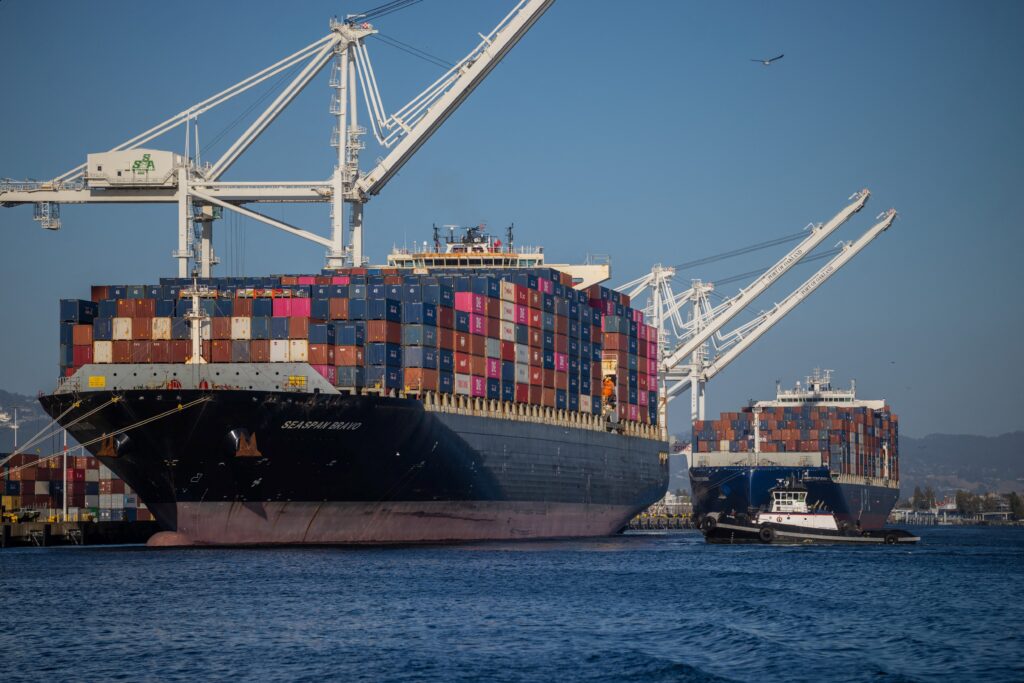
Selecting the right origin port significantly improves handling safety, especially for oversized textile rolls.
Top Options Include:
- Shanghai: Best for stable schedules and premium textile exporters
- Ningbo: Strong for fabric manufacturers shipping in large batches
- Qingdao: Ideal for northern textile clusters
- Shenzhen: Preferred for southern garment and accessories suppliers
Additionally, these ports offer consistent handling equipment suitable for open-top loading, ensuring textile integrity.
What Is the Estimated Transit Time for Open Top FCL From China to Ireland?
Transit times vary by port combination, seasonality, and European congestion. Nevertheless, the ranges below remain stable year-round for textile importers:
Reference Transit Time (China → Ireland)
| China Port | Ireland Port | Transit Time (Days) | Notes |
|---|---|---|---|
| Shanghai | Dublin | 33–38 | Most stable route |
| Ningbo | Dublin | 34–40 | Strong capacity |
| Qingdao | Cork | 36–42 | Extra transshipment |
| Shenzhen | Dublin | 32–37 | Fastest southern option |
Moreover, textile shippers gain greater consistency during off-peak months when European ports experience lower dwell times.
How Much Does Open Top FCL Cost for Textile Imports to Ireland?
Although exact rates vary weekly, the cost structure remains predictable. Textile shippers can expect charges based on:
- Base FCL ocean freight
- Open-top equipment surcharges
- Handling and lifting fees
- Tarpaulin rental
- Transshipment and Ireland port charges
Therefore, obtaining an updated quote before peak season is essential.
Cost Structure Overview
| Cost Component | Explanation |
|---|---|
| Open-top equipment fee | Premium for special container type |
| Loading/lifting | Crane or forklift top loading |
| Tarpaulin cover fee | Weather-resistant protection |
| Port charges | China + Europe + Ireland terminals |
| Customs clearance | Ireland import processing |
Additionally, fabric importers often combine open-top FCL with tailored supply chain services for cost shielding.
Case Study
1: Textile Rolls From Ningbo to Dublin
Cargo Type: 26 tons of textile rolls
Container: 1 × 40’ Open Top FCL
Route: Ningbo → Rotterdam → Dublin
Transit Time: 37 days
Cost Notes: Included open-top surcharge, tarpaulin fee, and Ireland terminal handling
Outcome: Zero compression damage; importer used proper vertical loading and supervised sealing
This case demonstrates how Ningbo-based manufacturers benefit from predictable schedules and textile-friendly terminals.
2: Garment Fabric Rolls From Shanghai to Cork
Cargo Type: 32 tons fabric rolls
Container: 1 × 40’ Open Top FCL
Route: Shanghai → Antwerp → Cork
Transit Time: 35 days
Cost Notes: Single transshipment with optimized routing
Outcome: On-time delivery; Irish buyer avoided peak-season delays
Consequently, Shanghai routes remain popular for high-value fabrics destined for Ireland’s garment industry.
Where Does Top China Freight Add Value for Open Top FCL Textile Shipments?
Although many logistics providers offer ocean freight, Top China Freight provides tailored textile solutions, including:
- Open-top loading guidance
- Route optimization from major China ports
- Customs support through customs brokerage
- End-to-end supply chain integration
Additionally, textile importers can rely on stable European network connections and predictable delivery schedules backed by real-time tracking.
How to Choose the Best Route Based on Textile Type?
Different textile categories require different handling strategies.
Examples:
- Bulk cotton rolls: Prefer Shanghai due to stable capacity
- Synthetic fabric rolls: Often shipped via Shenzhen because of electronics-linked sailings
- Premium textiles: Use Ningbo for dedicated textile cluster carriers
Moreover, Ireland’s growing textile market benefits from faster transshipment at Antwerp or Rotterdam.
Conclusion
To sum up, choosing the Open Top FCL best route for textiles from China to Ireland requires the right balance of port selection, transit-time stability, proper textile loading, and compliance preparation. Therefore, importers who optimize routing through Shanghai, Ningbo, Qingdao, or Shenzhen gain faster and safer textile delivery to Ireland. Moreover, professional guidance ensures your fabric shipments arrive intact and on schedule.
Request A Free Quote
Need a reliable logistics partner? Share your shipment details and we’ll provide a tailored quotation quickly and accurately.
FAQ:
What affects the shipping cost for open top FCL textile cargo?
Costs depend on equipment fees, loading method, Ireland port charges, and transshipment routes.
How can I reduce moisture risks when shipping textile rolls?
Using ventilation bags, strong tarpaulin sealing, and vertical loading helps protect fabric quality.
Do all China ports support open top textile loading?
Many major ports do, including Shanghai, Ningbo, Shenzhen, and Qingdao.
How long does customs clearance take in Ireland for textiles?
Usually 1–3 days if documents and HS codes are correctly prepared.
Does peak season affect textile transit time?
It may extend transit by 3–6 days due to European port congestion.